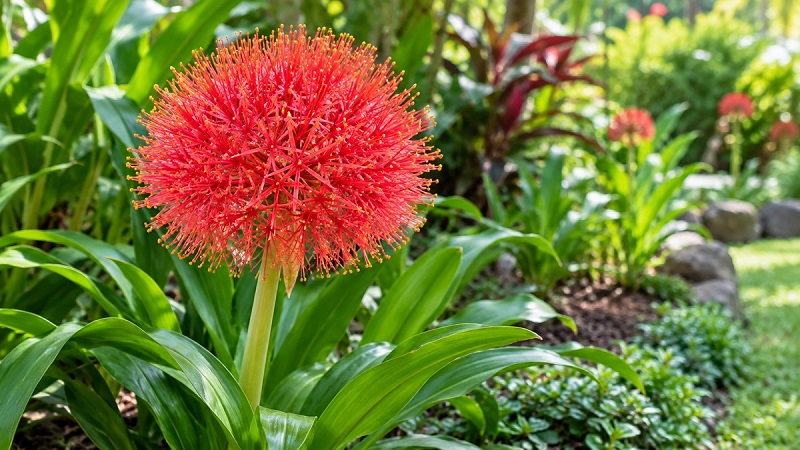
Growing & Caring for Blood Lily (Scadoxus multiflorus)
Learn how to grow and care for Blood Lily (Scadoxus multiflorus), including light, soil, watering, flowering, propagation, containers, pests, and winter care.
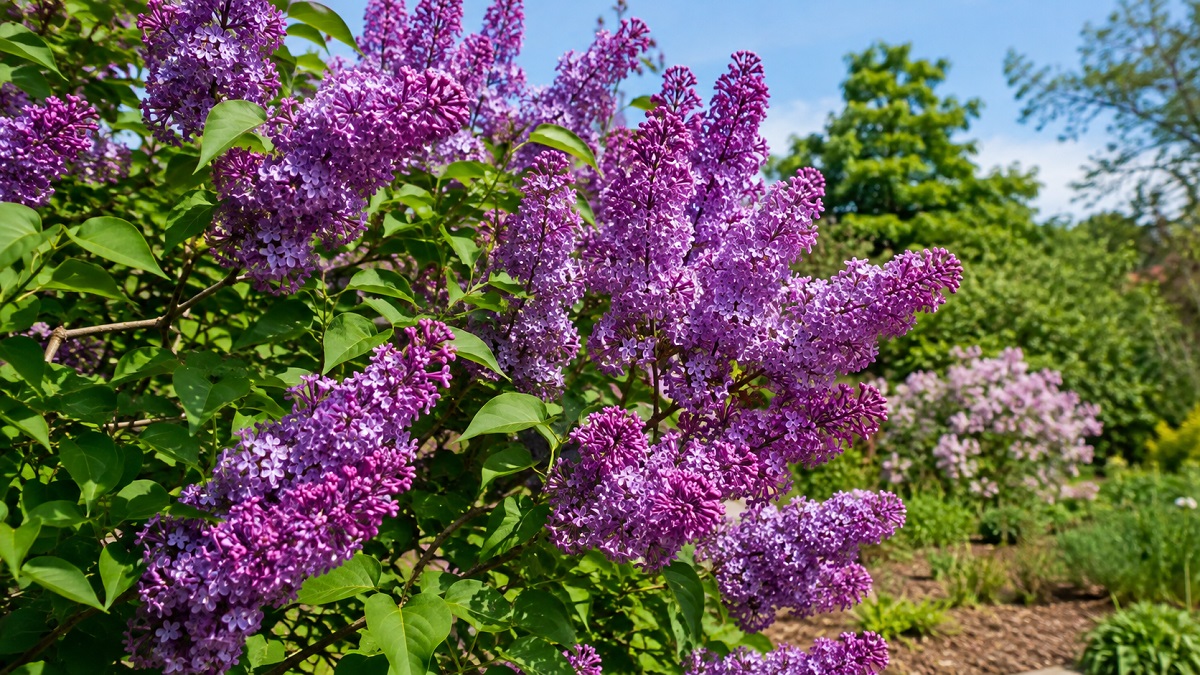
Bloomerang Lilac is a wonderful choice for gardeners who love the fragrance and old-fashioned beauty of lilacs but want a shrub that can provide more than one flowering period each year. Its clusters of purple to lavender flowers have the familiar sweet fragrance associated with traditional lilacs, while its reblooming habit gives the garden another welcome display later in the season.
The name Bloomerang refers to a group of reblooming lilacs developed for their ability to flower in spring and then produce additional flowers later in the growing season. Like other lilacs, they perform best when planted in a sunny location with fertile, well-drained soil and good air circulation. They are deciduous shrubs, so they lose their leaves during winter and return with fresh foliage in spring.
Although Bloomerang Lilac is relatively easy to grow, it still benefits from thoughtful planting and regular care. The biggest mistakes are usually related to insufficient sunlight, poorly drained soil, excessive fertilizer, or pruning at the wrong time. Because the following year's flower buds can be affected by pruning after flowering, knowing when and how to trim the shrub is particularly important.
This guide explains how to grow and care for Bloomerang Lilac, including sunlight, soil, watering, fertilizing, pruning, propagation, pests, diseases, winter care, container growing, and practical tips for getting the best flowering performance from this attractive landscape shrub.
Bloomerang Lilac is a fragrant, deciduous flowering shrub that prefers full sun, well-drained soil, and consistent but moderate moisture.
Bloomerang Lilac is a reblooming form of lilac valued for its fragrant flowers and repeat-blooming habit. Traditional lilacs are famous for their spectacular spring flowering, but their main floral display can be relatively short. Bloomerang types were selected to extend that enjoyment by producing another flush of flowers later in the growing season.
The shrub has the familiar appearance of a lilac, with woody stems, green foliage, and clusters of small tubular flowers gathered into attractive panicles. Depending on the particular Bloomerang cultivar, the flowers may appear in shades of lavender, purple, or pinkish-purple. Their fragrance is one of the plant's most appealing characteristics.
Bloomerang Lilac is deciduous. During the growing season, its foliage provides a soft green backdrop for the flowers. In autumn, the leaves eventually drop as the plant enters dormancy. This seasonal cycle is normal and should not be mistaken for a health problem.
One important point for gardeners is that reblooming does not necessarily mean that the shrub will remain covered with flowers continuously from spring through autumn. Flowering intensity depends on the cultivar, weather, sunlight, moisture, plant maturity, and general growing conditions. The second flowering period may be lighter than the first.
When planted in an appropriate location, Bloomerang Lilac can become a long-lived and attractive feature in a mixed border, cottage garden, foundation planting, or informal hedge. Its fragrance also makes it especially enjoyable near patios, walkways, windows, and seating areas.
| Characteristic | Bloomerang Lilac |
|---|---|
| Plant Type | Deciduous flowering shrub |
| Genus | Syringa |
| Flowering Habit | Spring flowering with later-season rebloom |
| Flower Color | Lavender, purple, or related shades depending on cultivar |
| Fragrance | Sweet and strongly scented |
| Light | Full sun is preferred |
| Soil | Fertile, well-drained soil |
| Soil Moisture | Moderate and consistent; avoid prolonged saturation |
| Watering | Regular during establishment and dry periods |
| Pruning | Light pruning after flowering; remove dead or damaged wood as needed |
| Fertilizer | Moderate feeding; avoid excessive nitrogen |
| Garden Position | Sunny border, specimen planting, hedge, or cottage garden |
| Winter Behavior | Deciduous and dormant |
The greatest attraction is its combination of classic lilac fragrance and repeat flowering. A well-placed shrub can create a memorable spring display and then surprise you with additional flowers later in the year.
The shrub also fits naturally into informal landscapes. It works well with perennial flowers, roses, ornamental grasses, bulbs, and other flowering shrubs.
If you remember only three things, give Bloomerang Lilac plenty of sunlight, plant it in soil that drains well, and avoid unnecessary heavy pruning. These three practices go a long way toward maintaining a healthy plant and encouraging flowering.
Full sun is one of the most important requirements for a good Bloomerang Lilac display. Choose a location where the shrub receives abundant direct sunlight rather than placing it beneath dense trees or beside a building that blocks the afternoon sun.
Plenty of sunlight helps the plant produce strong growth and supports flower production. A shrub that receives too much shade may still grow leaves, but flowering can become disappointing. Excessive shade can also create a damp environment with reduced air movement, which may increase the risk of foliage problems.
Morning sun is useful, but a location with strong light through much of the day is generally better. If your garden receives intense summer heat, adequate soil moisture becomes especially important because a plant growing in full sun can dry out faster.
When choosing a planting location, look beyond the amount of sunlight available in spring. Consider how nearby trees and shrubs will grow over several years. A site that is sunny today could become shaded later if large plants are allowed to crowd the lilac.
Bloomerang Lilac grows best in fertile, well-drained soil. Good drainage is particularly important because lilacs do not appreciate sitting in waterlogged soil for long periods. Poor drainage can deprive roots of oxygen and encourage root-related problems.
Before planting, loosen the soil over a reasonably wide area rather than preparing only a small planting hole. This encourages new roots to move outward and helps the shrub establish more naturally.
If the soil is heavy clay, improve its structure where appropriate by incorporating organic matter into the broader planting area. Avoid creating a small pocket of extremely rich soil surrounded by compacted ground, because roots may remain confined to the prepared hole instead of spreading outward.
A simple drainage test can be useful. Dig a hole, fill it with water, and observe how quickly the water disappears. If water remains for an unusually long period, consider another location or improve drainage before planting.
Bloomerang Lilac generally prefers soil that is fertile but not excessively rich. A soil test can help determine whether major amendments are actually needed instead of adding fertilizer or lime without knowing the soil's existing condition.
Planting is best done when weather conditions are mild and the soil can be worked easily. Container-grown plants can generally be planted when suitable conditions are available, while local climate and nursery recommendations should guide exact timing.
Start with a sunny site that provides good air circulation and enough room for the mature shrub. Avoid planting immediately beside structures or other large shrubs where the plant will eventually become crowded.
Remove weeds and grass from the planting area. Loosen compacted soil and work in appropriate organic matter if the existing soil is poor.
Dig a hole that is broad enough to accommodate the root system comfortably. The planting depth should allow the plant to sit at approximately the same level at which it was growing in its nursery container.
Gently remove the shrub from its container and inspect the roots. If the roots are tightly circling the outside of the root ball, loosen them carefully before planting.
Return the native soil around the roots and press it gently into place. Avoid packing the soil so tightly that water and air cannot move through it.
Give the newly planted lilac a deep watering immediately after planting. This settles the soil around the roots and removes large air pockets.
Apply a layer of organic mulch around the root zone, keeping it away from direct contact with the stems. Mulch helps moderate soil temperature and reduces moisture loss.
Newly planted Bloomerang Lilac needs regular watering while its root system becomes established. The objective is to keep the soil reasonably and consistently moist without leaving it saturated.
Rather than watering a little every day, deep watering is usually more useful. Allow the soil surface to begin drying between waterings while checking the moisture deeper in the root zone. Sandy soil may require more frequent watering than heavier soil.
Established shrubs are more tolerant of short dry periods, but prolonged drought can reduce vigor and flowering. Pay particular attention during extended periods of hot, dry weather.
Water at the base of the plant whenever possible. Keeping foliage wet for long periods can create conditions that favor certain fungal problems. Drip irrigation or a soaker hose can be especially useful in larger garden beds.
Bloomerang Lilac does not usually need heavy feeding. Excessive fertilizer, particularly fertilizer high in nitrogen, can encourage lush leafy growth at the expense of flowering.
If your soil is reasonably fertile, an annual application of a balanced, slow-release fertilizer may be sufficient. Follow the product label rather than assuming that more fertilizer will produce more flowers.
Compost or well-aged organic matter can be more useful than repeated heavy fertilizer applications when the soil needs improvement. Organic matter helps support soil structure while contributing nutrients gradually.
Avoid fertilizing a stressed or drought-damaged plant heavily. First address the underlying problem, such as inadequate moisture, poor drainage, or root damage.
Mulching is a simple way to make Bloomerang Lilac easier to maintain. Organic mulch helps conserve moisture, moderates soil temperature, and gradually contributes organic matter as it breaks down.
Apply mulch in a broad ring over the root zone. Keep the material a few inches away from the main stems. Piling mulch directly against woody stems creates a damp environment that can encourage decay and pest problems.
Refresh the mulch when it becomes thin, but avoid continually adding thick layers without checking the existing material. A moderate layer is generally easier for the plant and gardener to manage.
Pruning is one of the areas where lilac care differs from caring for many other garden shrubs. The timing of pruning matters because flowering wood can be affected by when branches are removed.
Bloomerang Lilac generally benefits from light pruning rather than aggressive annual cutting. Remove dead, damaged, diseased, or badly crossing branches first. If the shrub needs shaping, make selective cuts rather than shearing the entire plant.
Deadheading spent flowers can improve the plant's appearance and may help direct energy toward new growth. For a reblooming lilac, removing faded flower clusters after the first bloom can be especially useful when done carefully.
Avoid cutting the shrub heavily late in the season unless there is a specific reason to do so. Extensive pruning at an inappropriate time may remove developing growth that could contribute to later flowering.
Use clean, sharp pruning tools. Make cuts just above a healthy branch or bud rather than leaving long stubs. Start by removing damaged branches, then thin crowded growth if necessary.
If an older shrub has become excessively dense, gradual renovation is usually preferable to removing a large portion of the plant at once. Removing a few of the oldest stems over time allows new growth to develop while maintaining the overall shape of the shrub.
Bloomerang Lilac's reblooming habit is one of its main attractions, but gardeners should understand that the second flowering period is influenced by growing conditions. It is not a guarantee of uninterrupted flowering throughout the season.
The best way to support reblooming is to keep the plant healthy. Provide plenty of sunlight, adequate moisture during dry weather, and soil with good drainage. Avoid excessive nitrogen because overly vigorous leafy growth may not translate into more flowers.
Deadheading the first flush of flowers can keep the shrub looking tidy and may encourage additional flowering growth. Do not confuse deadheading with severe pruning; only the spent flower clusters need to be removed.
Weather also plays a role. Unusually hot, dry, or stressful conditions can reduce the strength of a later bloom. A healthy plant with good basic care is in the best position to take advantage of favorable weather.
Lilacs can be propagated by several methods, although home gardeners may find purchasing a healthy nursery plant easier and more reliable. Named cultivars may also have specific propagation considerations because maintaining the characteristics of a particular cultivar requires vegetative propagation.
Softwood cuttings can be taken from suitable new growth when conditions are favorable. Cuttings are prepared with a clean tool, treated with rooting hormone if desired, and placed in a suitable rooting medium.
Humidity and moisture must be carefully balanced. The cutting needs enough moisture to prevent wilting but should not remain in saturated conditions.
Layering is another method that can work with suitable lilac growth. A flexible branch is partially positioned against the soil so that a section can develop roots while remaining attached to the parent plant.
Propagation takes patience. Young plants need time to establish a substantial root system before being moved to their permanent location.
Some Bloomerang Lilac cultivars can be grown in large containers, especially when the plant remains relatively compact. Container growing requires more attention to watering and winter protection than growing in the ground.
Choose a large container with drainage holes. The container should be substantially larger than the plant's current root ball and should provide enough space for future root growth.
Use a high-quality, well-draining potting mix rather than dense garden soil. Container soil needs to balance moisture retention with drainage because roots have much less room to escape excess water.
Place the container where the shrub receives plenty of direct sunlight. Check moisture regularly, especially during hot weather, because containers dry out more quickly than garden beds.
Container-grown plants also have less insulation around their roots during winter. In colder climates, move the container to a protected position or provide appropriate winter protection.
Healthy Bloomerang Lilacs are generally capable of growing well without constant pest treatment, but several common garden pests may occasionally appear.
Aphids are small, soft-bodied insects that often gather on tender shoots and young leaves. They feed on plant sap and can cause distorted growth when populations become heavy.
Inspect new growth regularly. A strong stream of water can dislodge small populations. Beneficial insects such as lady beetles and lacewings may also help naturally suppress aphids.
Scale insects may appear as small bumps attached to stems or foliage. Heavy infestations can weaken plants. Pruning severely affected branches and improving overall plant health can help reduce problems.
Caterpillars and other chewing insects may occasionally feed on leaves. Inspect the foliage and identify the pest before applying any treatment. Avoid spraying beneficial insects unnecessarily.
Disease problems are often more likely when plants are stressed or grown in conditions with poor air circulation, excessive moisture, or unsuitable soil drainage.
Powdery mildew appears as a pale or whitish coating on leaves. Good air circulation, adequate sunlight, and avoiding unnecessary overhead watering can help reduce favorable conditions for the disease.
Leaf spots and other foliage problems can occur under stressful conditions. Remove badly affected leaves when practical, clean up fallen plant debris, and avoid working with wet foliage.
Persistent soggy soil can create serious root stress. If the plant repeatedly wilts despite wet soil, poor drainage should be considered. Correcting the planting site is often more effective than simply watering or fertilizing more.
Bloomerang Lilac is deciduous and naturally enters dormancy during winter. Once the leaves drop, the bare branches are part of the plant's normal seasonal appearance.
Established plants generally need little winter maintenance when grown in an appropriate climate. A layer of mulch over the root zone can help moderate soil temperature and protect roots from repeated temperature fluctuations.
Avoid heavy pruning during winter simply because the shrub looks bare. Dormant branches may contain the growth that will contribute to the next flowering cycle.
Newly planted shrubs deserve extra attention because their root systems are not yet fully established. Maintain appropriate soil moisture before the ground freezes, particularly if autumn has been unusually dry.
Bloomerang Lilac is versatile enough for many garden designs. Its rounded shrub form and fragrant flowers make it particularly attractive as a focal point in a mixed border.
The traditional appearance of lilac flowers fits naturally into cottage-style planting schemes. Combine it with perennials and other informal flowering plants for a relaxed garden.
A compact cultivar can be useful near the foundation of a home, provided there is sufficient sunlight and enough space for mature growth.
Planting Bloomerang Lilac near a patio, porch, walkway, or seating area allows gardeners to enjoy its fragrance more easily.
The shrub can be combined with other flowering shrubs and ornamental plants to create a border with changing seasonal interest.
The flowers can provide a useful nectar resource for visiting pollinators. Avoid unnecessary broad-spectrum pesticide use when growing plants intended to support beneficial insects.
Lack of sunlight is one of the first things to investigate. A lilac planted in heavy shade may produce foliage without a strong flower display. Also consider excessive nitrogen, poor soil drainage, improper pruning, plant age, and environmental stress.
Wilting can result from drought, root damage, extreme heat, or poor drainage. Check the soil before watering. If the soil is already saturated, adding more water can make the problem worse.
Yellow foliage can have several causes. Natural seasonal changes, watering problems, root stress, nutrient imbalance, and disease should all be considered rather than assuming that the plant simply needs fertilizer.
Reblooming intensity varies with cultivar and growing conditions. A smaller second flowering period can be completely normal. Drought, extreme heat, insufficient sunlight, or general plant stress can further reduce later flowering.
This often indicates that the plant is receiving conditions that favor vegetative growth rather than flowering. Check sunlight first, then review fertilizer use and pruning history.
| Season | Recommended Care |
|---|---|
| Early Spring | Check new growth, inspect for winter damage, maintain moisture, and prepare for flowering. |
| Spring | Enjoy the main flower display, water during dry weather, and deadhead spent flowers when appropriate. |
| Early Summer | Monitor soil moisture, inspect foliage, and maintain good air circulation. |
| Summer | Protect the shrub from prolonged drought and watch for pests and foliage problems. |
| Autumn | Reduce unnecessary disturbance, clean up diseased debris, and prepare young plants for winter. |
| Winter | Allow the shrub to remain dormant and avoid unnecessary heavy pruning. |
The best flowering results usually come from getting the basics right rather than trying to force the plant with extra fertilizer or complicated treatments.
One of the easiest ways to improve the performance of a Bloomerang Lilac is to avoid constantly changing its care routine. Once the shrub is planted in the right place, consistent sunlight, sensible watering, moderate feeding, and careful pruning are usually more valuable than frequent interventions.
Think about the location from the perspective of the mature shrub rather than the small plant you bring home from the nursery. A young Bloomerang Lilac may appear to have plenty of room when planted, but neighboring shrubs and trees can quickly turn a sunny bed into a crowded space.
Give the shrub enough room for its natural form. Good spacing improves air circulation and makes routine maintenance easier. It also allows sunlight to reach more of the plant's foliage.
Fragrance should also influence placement. There is little advantage to growing a beautifully scented lilac in a distant corner where you rarely visit. Near a path, seating area, entrance, or window, the flowers become part of the everyday garden experience.
Traditional lilacs are celebrated primarily for their spectacular spring flowering. Bloomerang Lilac adds a reblooming characteristic, giving gardeners the possibility of enjoying additional flowers later in the season.
The two types still share many basic cultural requirements. Both appreciate good sunlight, fertile and well-drained soil, adequate moisture, and sensible pruning. The reblooming habit should therefore be viewed as an additional feature rather than a completely different approach to lilac care.
Gardeners should also keep realistic expectations. A reblooming lilac does not necessarily produce a second spring-sized flower display. Weather and growing conditions strongly influence the amount and timing of later flowers.
Bloomerang Lilac is a strong choice if you want a fragrant flowering shrub with a traditional garden appearance and the possibility of multiple flowering periods. It is particularly appealing to gardeners who enjoy fragrance and want more seasonal interest from a single shrub.
It may not be the best choice for a deeply shaded garden or a site that remains wet after rainfall. Likewise, gardeners who want a completely maintenance-free shrub should remember that even easy-care plants need occasional watering, pruning, pest monitoring, and general attention.
With the right location, however, Bloomerang Lilac can become one of those plants that feels more valuable every year. Its spring flowers provide the main show, while later blooms offer a pleasant reminder that the flowering season is not necessarily over.
Growing Bloomerang Lilac is mostly about giving this fragrant shrub the conditions it naturally prefers. A sunny planting site, fertile but well-drained soil, sensible watering, moderate nutrition, and careful pruning provide a strong foundation for healthy growth and flowering.
Its reblooming habit makes it especially rewarding. The first flush of flowers announces spring with the familiar fragrance of lilacs, while the possibility of additional flowers later in the season adds another layer of interest to the garden.
Give the shrub enough space, resist the temptation to overfertilize or overprune, and keep an eye on moisture during periods of drought. With these simple practices, Bloomerang Lilac can become a beautiful and fragrant part of the landscape for years to come.
← Back to Plant GuidesContinue exploring our gardening guides with more plant profiles, growing tips, and practical advice for creating a healthy, productive garden.