Mulch in Gardening: Types, Benefits & How to Apply Mulch Properly
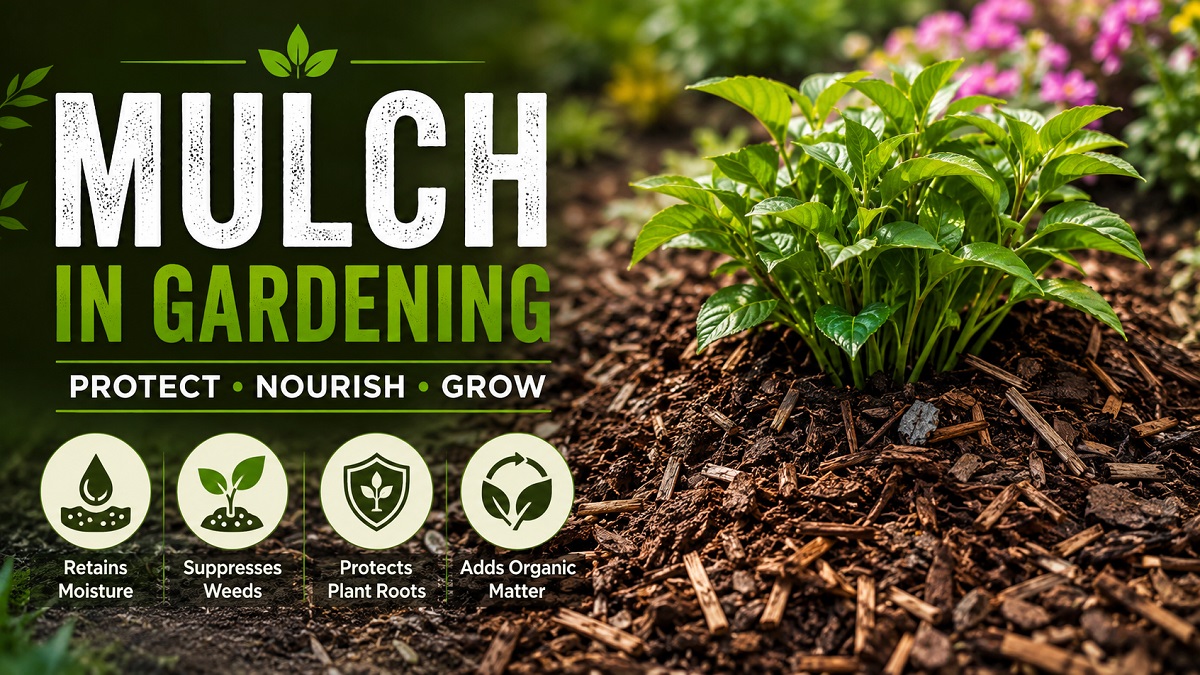
Introduction to Mulching
In the realm of intensive horticulture and backyard gardening alike, few practices yield as high a return on investment as proper mulching. At its simplest, mulch is any material spread over the surface of the soil as a protective covering. Yet, beneath this basic definition lies a sophisticated interplay of soil physics, chemistry, and biology that can alter the microclimate of your garden beds.
Historically, nature has always mulched its own systems. Forests drop leaves, twigs, and organic detritus to create a rich forest floor layer. In agricultural and residential gardens, mimicking this natural cycle preserves soil architecture, optimizes resource consumption, and safeguards plants from abiotic stressors. This guide breaks down the core sciences of mulching, compares organic versus synthetic options, and walks through systematic application strategies to eliminate guesswork.
The Multifaceted Science of Mulch
To understand why mulch is necessary, we must examine what happens to bare, exposed soil. Soil left open to the elements is vulnerable to structural degradation, rapid moisture loss, structural baking, and weed colonizations. Spreading a deliberate layer of aggregate material addresses these issues simultaneously across three main pathways:
1. Moisture Conservation via Evaporation Suppression
Water moves upward through unmulched soil via capillary action, reaching the surface where solar radiation and air movement rapidly evaporate it. A protective covering breaks this capillary path. By sheltering the soil surface from direct sunlight and wind currents, mulch drops ground-level evaporation rates by upwards of 50 to 70 percent. This moisture preservation ensures that plant root zones remain consistently damp rather than fluctuating between saturated and bone-dry states.
2. Thermal Regulation and Root Insulation
Extreme temperature fluctuations stress delicate hair roots, which are responsible for the vast majority of water and nutrient uptake. Mulch acts as a thermal buffer. During scorching summer days, it reflects or absorbs solar energy before it can penetrate the earth, keeping root zones up to 10 to 15 degrees Fahrenheit cooler than the ambient air. In late autumn and winter, it acts as a dense blanket, retaining residual ground heat and delaying hard soil freezes. This extra insulation gives perennials, shrubs, and root crops an extended root-development window.
3. Erosion Control and Soil Structure Integrity
The impact of a single raindrop can hit exposed dirt like a small bomb, breaking apart soil aggregates and turning particles into a fine crust. When this crust dries, it seals the surface, reducing oxygen exchange and causing subsequent rainfall to run off rather than infiltrate. A thick layer of mulch absorbs the kinetic impact of falling water, allowing it to trickle gently down into the substrate. This prevents soil erosion and eliminates rain-splashed mud, which often transfers soil-borne fungal pathogens onto low-hanging plant foliage.
Organic vs. Inorganic Mulches: The Grand Comparison
Gardeners generally classify mulches into two main operational categories: Organic (materials that were once alive and will decay over time) and Inorganic (synthetic, stone, or fabric options that remain stable long-term). Choosing between them requires weighing long-term soil enhancement goals against aesthetic demands and labor availability.
| Mulch Material | Primary Category | Lifespan / Durability | Key Structural Advantage | Best Suited Application |
|---|---|---|---|---|
| Shredded Hardwood Bark | Organic | 1 to 3 Years | Resists wind drift; knits together beautifully on sloped terrains | Perennial beds, foundational shrubs, and woodland paths |
| Pine Straw (Needles) | Organic | 1 to 2 Years | Interlocks naturally; maintains a loose, breathable air structure | Acid-loving crops (blueberries, azaleas), trees, and slopes |
| Arborist Wood Chips | Organic | 2 to 4 Years | Highly cost-effective; rich in varied fungal food sources | Orchards, deep paths, native gardens, large ornamental beds |
| Clean Straw or Hay | Organic | 3 to 6 Months | Reflects light exceptionally well; decomposes rapidly into humus | Vegetable rows, strawberry patches, garlic beds, seed germination |
| River Rock / Crushed Gravel | Inorganic | Permanent | Will not blow away or decay; highly structural and neat appearance | Xeriscaping, succulents, permanent drainage margins, rock gardens |
| Black Polyethylene Plastic | Inorganic | 1 Season (Synthetic) | Warms up spring soils early; entirely blocks weed emergence | Commercial row crops, warmth-loving melons, and nightshades |
Deep Dive into Organic Mulch Profiles
Organic options are widely preferred for traditional home gardens because they address long-term soil fertility. As macro-organisms (earthworms, isopods) and microorganisms (mycorrhizal fungi, bacteria) chew through organic mulch, they break down complex fibers into rich humus. This process glues tiny mineral particles together into stable crumbs, expanding the soil's natural capacity to breathe and retain moisture.
Shredded Bark and Wood Chips
Hardwood bark contains high percentages of lignin and suberin—natural compounds that resist moisture decay. This makes shredded bark highly durable. Its fibrous individual strands physically interlock, meaning it is less likely to wash away during sudden downpours. Clean arborist chips, which combine chipped heartwood, cambium, and green leaves, supply a diverse nutritional profile that feeds helpful saprophytic fungi. These fungi populate the soil with mycelial networks that suppress dangerous root rot strains.
Straw, Hay, and Agricultural Byproducts
Straw is the dry stalk remains of harvested grains like wheat, oats, or rice. It is lightweight, exceptionally clean, and easy to distribute around delicate, fast-growing seasonal vegetables. Take care not to mistake seed-heavy meadow forage hay for clean, seedless grain straw, or you risk introducing thousands of weed seeds directly into your garden. If you use it consistently, straw builds up soil organic matter quickly because its hollow tubes decompose much faster than dense wood aggregates.
Leaves and Composted Humus
Often referred to as "garden gold," fallen autumn leaves can be shredded using a lawnmower to create an outstanding, nutrient-dense top cover. Unshredded leaves tend to mat down into solid, water-impermeable sheets that suffocate the soil. Shredding them avoids this issue. Meanwhile, clean leaf mold provides a natural habitat for predatory insects, helping keep pest populations in check without chemical intervention.
The Pitfalls of Inorganic Alternatives
While stone, landscape fabrics, and rubber mulches offer permanent coverage without the need for annual replacement, they have distinct ecological drawbacks that can hurt living soils over time.
River stones and gravel absorb massive amounts of solar energy during the day and radiate that heat back out at night. This sustained heat can stress surrounding plants and bake shallow roots. Additionally, as weed seeds blow into the rock bed over the years, they take root in the decomposing dust particles between the stones, making weeding incredibly tedious.
Woven landscape fabric, often installed underneath stone beds, presents another set of issues. Over time, it gets clogged with fine clay and silt particles, cutting off oxygen and water pathways to the roots below. Earthworms abandon these suffocated soils, resulting in a compacted, sterile subsurface layer that is difficult to fix without completely removing the synthetic barriers.
How to Apply Mulch: Step-by-Step Methodology
Applying mulch incorrectly can damage your plants. Follow this systematic process to ensure your mulch application achieves the best possible results:
- Step 1: Weed and Clear the Site – Thoroughly extract perennial and seasonal weeds from the roots. Level out deeply rutted surfaces to prevent uneven pooling.
- Step 2: Hydrate the Substrate First – Never spread dry mulch over parched, thirsty ground. Drench the target beds thoroughly before mulching; applying a thick layer over dry earth can actually prevent light rains from reaching the soil.
- Step 3: Establish the Correct Depth – For optimal results, aim for a balanced depth of 2 to 3 inches. Finer materials (like shredded leaves or compost) should stay closer to 2 inches to avoid suffocation, while coarser arborist wood chips can be safely spread up to 3 or 4 inches deep.
- Step 4: Pull Material Away from Plant Stems – Maintain a clean, mulch-free perimeter of 2 to 3 inches around plant stems, and 6 inches away from woody tree trunks. Piling mulch directly against bark creates a dark, damp zone that invites fungal rots and boring insects.
- Step 5: Maintain and Top Off Annually – Check your organic layers every spring. Rake existing old chunks around to break up crusts, then add a light top layer to restore the target depth.