The severity of infection varies considerably among varieties of the same species. Plant breeders have developed numerous cultivars with improved resistance, making variety selection an important long-term disease management strategy.
What Causes Powdery Mildew?
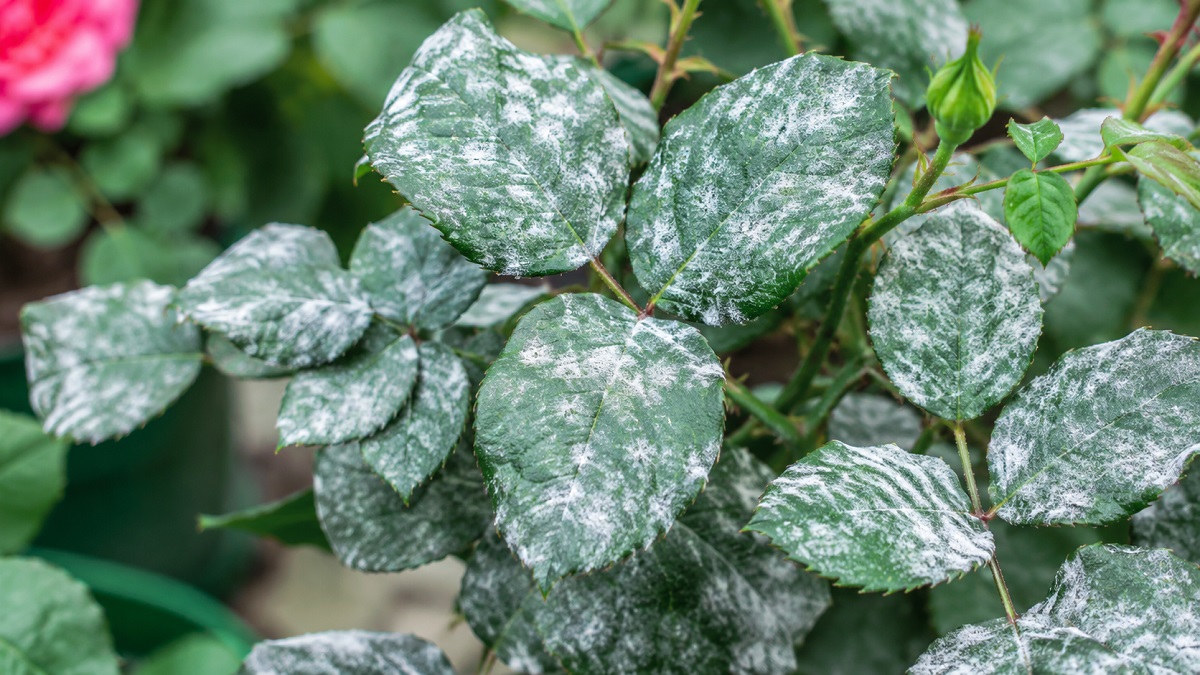
Powdery mildew is caused by fungi belonging primarily to the order Erysiphales. Rather than a single pathogen, dozens of closely related fungal species cause powdery mildew on different plants. These fungi have evolved to infect specific hosts, which explains why powdery mildew on roses generally does not spread to cucumbers, and vice versa.
The disease begins when microscopic spores land on a suitable host. If environmental conditions are favorable, the spores germinate and produce fine fungal threads known as hyphae. These threads spread across the plant surface while forming specialized feeding structures called haustoria that penetrate individual plant cells to absorb nutrients.
As the colony expands, it continuously produces fresh spores that become airborne. Wind currents carry these spores throughout the garden, allowing the disease to spread rapidly from one plant to another.
Main Sources of Infection
- Windborne spores from nearby gardens.
- Previously infected plants.
- Volunteer plants growing from last season.
- Overwintering fungal structures.
- Infected nursery stock.
- Garden weeds serving as alternate hosts.
Unlike bacterial diseases that often require wounds for entry, powdery mildew fungi infect healthy plant tissue directly. This explains why even vigorous plants can develop infections when environmental conditions favor fungal growth.
Environmental Conditions That Encourage Powdery Mildew
Understanding environmental conditions is essential because disease outbreaks usually result from a combination of favorable weather and susceptible plants rather than a single cause.
Warm Days and Cool Nights
Temperatures between approximately 18°C and 27°C (65°F–80°F) are ideal for many powdery mildew fungi. Warm daytime conditions encourage rapid fungal growth, while cooler nights increase relative humidity around plant foliage.
High Humidity
Unlike many fungal diseases, powdery mildew does not require standing water on leaves. Instead, it thrives in humid air where moisture is present as water vapor rather than liquid droplets.
Poor Air Circulation
Crowded plants, dense shrubs, enclosed greenhouses, and overgrown borders trap humid air around foliage. Reduced airflow creates an ideal microclimate for fungal spores to germinate and multiply.
Shade
Plants growing in shaded locations often remain humid for longer periods because sunlight does not quickly warm and dry the foliage. Many ornamental plants growing beneath trees become especially susceptible.
Excess Nitrogen Fertilizer
Applying excessive nitrogen encourages lush, soft growth that is particularly vulnerable to fungal infection. Rapidly growing shoots are more easily colonized than mature tissues.
Water Stress
Plants weakened by drought or inconsistent watering may become less capable of resisting disease. While powdery mildew does not require wet leaves, healthy, properly watered plants often tolerate infections better than stressed plants.
The Powdery Mildew Disease Cycle
Like most fungal diseases, powdery mildew follows a repeating life cycle that enables it to survive between growing seasons and spread rapidly during favorable weather.
- Fungal spores survive winter in buds, stems, weeds, or plant debris.
- Warm spring temperatures stimulate spore production.
- Wind carries spores to susceptible plants.
- Spores germinate and establish new colonies.
- White fungal growth becomes visible.
- Millions of new spores are produced.
- Repeated infection cycles continue throughout the growing season.
- The fungus forms survival structures before winter.
Because new spores can develop within only a few days under favorable conditions, powdery mildew spreads surprisingly quickly. A small unnoticed infection early in the season may become widespread within weeks if environmental conditions remain favorable.
- Warm days followed by cool humid nights.
- Plants growing too close together.
- Dense foliage restricting airflow.
- Overfertilization with nitrogen.
- Repeated infections from previous years.
- Susceptible plant varieties.
- Shaded garden locations.
- Poor sanitation around infected plants.
Why Early Detection Matters
Powdery mildew is much easier to control during the earliest stages of infection than after it has spread throughout a garden. Once large numbers of spores are being produced, every breeze can carry the fungus to nearby plants, making complete eradication nearly impossible. Early intervention greatly reduces disease pressure and often eliminates the need for repeated fungicide applications.
Developing a routine inspection schedule is one of the best preventive habits for gardeners. Examine susceptible plants at least once each week during warm weather, paying particular attention to new growth, crowded stems, and shaded portions of the canopy. Removing a few infected leaves early can prevent hundreds of thousands of spores from being released later in the season.
Healthy gardening practices combined with regular monitoring provide the foundation for successful powdery mildew management. Rather than relying on treatments after severe outbreaks occur, gardeners who understand the disease cycle can interrupt fungal development before significant damage takes place.
Preventing Powdery Mildew in the Garden
Prevention is the most effective and economical way to manage powdery mildew. While fungicides and organic sprays can slow or stop infections, good gardening practices often prevent outbreaks from occurring in the first place. Healthy plants growing under favorable conditions are naturally more resistant to disease and recover faster if minor infections develop.
An integrated approach that combines proper plant spacing, careful watering, regular pruning, sanitation, and disease-resistant varieties offers the best long-term protection. Instead of relying on a single method, gardeners should view powdery mildew prevention as a collection of small practices that work together throughout the growing season.
Choose Disease-Resistant Varieties
Many modern vegetable and ornamental cultivars have been bred for improved resistance to powdery mildew. While resistant plants are not completely immune, they typically develop fewer symptoms, experience slower disease progression, and require fewer treatments than susceptible varieties.
When purchasing seeds or nursery plants, look for varieties specifically labeled as resistant or tolerant to powdery mildew. This simple decision can significantly reduce future disease problems.
Provide Adequate Plant Spacing
Overcrowded gardens restrict air circulation and create humid pockets around leaves. Proper spacing allows breezes to move freely through the foliage, reducing humidity and making conditions less favorable for fungal growth.
Always follow the recommended spacing listed on seed packets or plant labels. Although young plants may appear far apart initially, adequate spacing becomes essential as they mature.
Prune for Better Airflow
Regular pruning improves ventilation by removing crowded branches, crossing stems, and excessive interior growth. Better airflow helps leaves dry more quickly after dew formation and reduces the humidity that encourages powdery mildew.
Shrubs such as roses, lilacs, hydrangeas, and fruit trees benefit greatly from annual thinning. Vegetable crops grown on trellises should also be trained to prevent dense foliage.
Water Correctly
Although powdery mildew does not require wet leaves to spread, maintaining healthy plants through consistent watering improves their natural defenses. Water deeply at the base of plants rather than applying frequent shallow irrigation.
Morning watering is generally preferred because plants have sufficient time to absorb moisture before cooler evening temperatures increase humidity around the foliage.
Avoid Excess Nitrogen
Applying more nitrogen fertilizer than plants require encourages rapid production of soft, succulent shoots. This tender growth is particularly susceptible to powdery mildew infection.
Use balanced fertilizers according to soil test recommendations and avoid repeated high-nitrogen applications unless they are specifically needed.
Maintain Good Garden Hygiene
Sanitation reduces the amount of fungal material available to begin new infections. Remove infected leaves, stems, flowers, and fallen debris throughout the growing season rather than allowing diseased material to accumulate beneath plants.
At the end of the season, thoroughly clean vegetable beds and ornamental borders. Destroy heavily infected plant material instead of composting it if your compost pile does not consistently reach temperatures high enough to kill fungal spores.
- Choose resistant plant varieties whenever possible.
- Space plants according to mature size.
- Prune crowded growth regularly.
- Improve sunlight exposure.
- Water deeply but consistently.
- Avoid excessive nitrogen fertilizer.
- Remove infected leaves immediately.
- Disinfect pruning tools between plants.
- Control weeds that may host fungal spores.
- Inspect susceptible plants every week.
Organic Methods for Controlling Powdery Mildew
Organic disease management focuses on reducing fungal growth while minimizing environmental impact. Many organic products work best as preventative treatments or during the earliest stages of infection. Severely infected plants may require repeated applications or the use of stronger registered fungicides.
Neem Oil
Neem oil is one of the most widely used organic products for managing powdery mildew. It interferes with fungal development while also helping control certain insect pests. Apply according to label instructions during cooler parts of the day to reduce the risk of leaf burn.
Potassium Bicarbonate
Potassium bicarbonate changes the surface pH of leaves, making conditions unfavorable for fungal growth. Unlike baking soda, many commercial potassium bicarbonate products are specifically formulated for plant disease management and provide more consistent results.
Sulfur-Based Fungicides
Sulfur has been used for centuries to prevent powdery mildew. It is most effective when applied before severe infection develops. Sulfur should not be applied during extremely hot weather or close to recent oil-based spray applications because plant injury may occur.
Biological Fungicides
Several biological products contain beneficial bacteria or fungi that naturally suppress disease-causing organisms. These products often work best when used as part of a preventative program rather than after heavy infection is already established.
Milk Spray
Some gardeners successfully use diluted milk sprays as a home remedy. While research results vary, milk solutions may help reduce mild infections under certain conditions by creating compounds that inhibit fungal growth when exposed to sunlight.
Homemade Remedies: Do They Work?
Numerous homemade treatments are recommended for powdery mildew, but their effectiveness varies considerably. Some provide temporary suppression while others have little scientific support. Homemade remedies should not replace proper cultural practices or approved fungicides when severe disease is present.
| Home Remedy |
Effectiveness |
Comments |
| Milk Solution |
Moderate |
May suppress mild infections with repeated applications. |
| Baking Soda Spray |
Moderate |
Works best as a preventative rather than a cure. |
| Potassium Bicarbonate |
High |
Widely recommended for organic disease management. |
| Neem Oil |
High |
Effective when used early and applied correctly. |
| Plain Water Spray |
Low |
Provides little long-term disease control. |
Before applying any homemade mixture to an entire plant, test it on a few leaves and wait 24 hours to ensure no leaf injury occurs.
Chemical Fungicides for Severe Infections
When powdery mildew becomes widespread, registered fungicides may be necessary to protect valuable ornamental plants or food crops. Fungicides generally work best when applied at the first sign of disease rather than after extensive fungal growth has developed.
Different fungicides contain different active ingredients and modes of action. Rotating products according to label recommendations helps reduce the likelihood of fungal resistance developing over time.
Common Fungicide Types
- Sulfur-based fungicides.
- Copper-based fungicides.
- Horticultural oils.
- Systemic fungicides for ornamental plants.
- Biofungicides containing beneficial microorganisms.
Always read and follow product label instructions carefully. Labels provide essential information regarding application timing, protective equipment, harvest intervals for edible crops, and environmental precautions.
Removing Infected Plant Material
Pruning infected leaves and stems is one of the fastest ways to reduce the number of fungal spores present in a garden. Dispose of heavily infected material promptly and disinfect pruning tools between plants using an appropriate disinfectant solution.
Avoid removing excessive healthy foliage during hot weather, as sudden exposure to intense sunlight may stress the plant. Focus on eliminating the most heavily infected portions while preserving enough healthy leaves to maintain photosynthesis.
Managing Powdery Mildew Throughout the Growing Season
Successful powdery mildew management requires regular attention throughout the year rather than waiting until the disease becomes severe. Gardeners who routinely inspect their plants can often stop infections before they spread widely. Seasonal care practices also help reduce the number of fungal spores that survive from one growing season to the next.
Spring
Spring is the ideal time to begin disease prevention. As new growth emerges, inspect susceptible plants weekly for the earliest white spots. Remove volunteer plants and weeds that may harbor powdery mildew fungi, prune shrubs to improve air circulation, and avoid overcrowding newly planted seedlings.
Summer
During summer, warm days and humid nights frequently encourage disease development. Continue monitoring plants, remove infected leaves promptly, water consistently at the base of plants, and apply preventative treatments if powdery mildew has been a recurring problem in previous years.
Autumn
As the growing season ends, collect fallen leaves, prune infected stems, and remove severely diseased annual plants from the garden. Good sanitation during autumn greatly reduces the amount of fungal material capable of surviving winter.
Winter
Winter is an excellent time to clean gardening tools, sharpen pruners, sanitize pots, and plan next season's plant selections. Consider replacing highly susceptible varieties with disease-resistant cultivars if powdery mildew has been a persistent issue.
Powdery Mildew on Indoor Plants
Houseplants are not immune to powdery mildew. Indoor infections often develop when plants are crowded together, airflow is poor, or humidity remains consistently high around foliage. Begonias, African violets, kalanchoes, jade plants, and some flowering houseplants are among those that may occasionally develop powdery mildew.
Move infected plants away from healthy specimens as soon as symptoms appear. Improving air circulation with a small fan, increasing light levels where appropriate, removing infected leaves, and avoiding excessive fertilization often provide significant improvement. Indoor fungicides labeled for houseplants may also be used according to manufacturer instructions.
Powdery Mildew in Vegetable Gardens
Vegetable gardeners frequently encounter powdery mildew on cucumbers, squash, pumpkins, melons, peas, and beans. While the disease rarely destroys entire crops overnight, severe infections reduce photosynthesis, shorten harvest periods, and decrease fruit quality.
Growing vegetables on trellises, spacing plants properly, watering at the soil level, and harvesting mature fruits promptly all help reduce disease pressure. Removing the oldest infected leaves can also improve airflow and slow disease spread.
Powdery Mildew on Roses and Ornamentals
Roses are among the ornamental plants most commonly affected by powdery mildew. Young leaves may become curled or distorted before the familiar white coating appears. Flower buds may fail to open fully, reducing the plant's ornamental value.
Proper pruning, full sun exposure, balanced fertilization, and regular inspection help maintain healthy rose bushes. Many modern rose cultivars possess improved resistance compared with older varieties, making careful cultivar selection worthwhile when establishing new gardens.
Common Mistakes Gardeners Should Avoid
| Mistake |
Better Practice |
| Ignoring early white spots |
Inspect plants weekly and treat immediately. |
| Planting too closely |
Allow recommended spacing for mature size. |
| Overusing nitrogen fertilizer |
Apply balanced nutrition based on plant needs. |
| Leaving infected debris on the ground |
Remove and dispose of diseased material promptly. |
| Using only one treatment repeatedly |
Combine cultural practices with appropriate control methods. |
| Waiting until infection becomes severe |
Begin management during the earliest stages. |
Integrated Disease Management
The most reliable strategy for controlling powdery mildew combines several complementary methods rather than relying on a single product. This integrated approach reduces disease pressure while minimizing unnecessary pesticide use.
- Select resistant plant varieties whenever available.
- Provide adequate sunlight and air circulation.
- Water consistently without encouraging plant stress.
- Apply balanced fertilizer.
- Inspect plants regularly.
- Remove infected foliage promptly.
- Use preventative organic treatments when appropriate.
- Apply registered fungicides only when necessary.
- Practice excellent end-of-season sanitation.
By combining these methods, gardeners create an environment that is less favorable for powdery mildew while promoting healthier, more resilient plants.
Frequently Asked Questions
Can powdery mildew kill plants?
Powdery mildew rarely kills healthy mature plants directly, but severe infections weaken plants, reduce flowering and fruit production, and increase susceptibility to other diseases and environmental stress.
Is powdery mildew contagious between different plant species?
Many powdery mildew fungi are host-specific. The fungus infecting cucumbers, for example, is generally different from the one affecting roses, although several plant species can still become infected by their own specialized fungi.
Can I compost infected leaves?
Only if your compost pile consistently reaches temperatures high enough to destroy fungal spores. Otherwise, dispose of heavily infected material to reduce future disease pressure.
Does rain wash away powdery mildew?
Heavy rain may remove some spores from leaf surfaces, but it usually does not eliminate established fungal colonies. Continued monitoring and treatment are still recommended.
Should infected leaves be removed?
Yes. Removing heavily infected leaves early helps reduce the number of spores available to spread throughout the garden. Avoid removing too much healthy foliage at one time.
Can powdery mildew affect edible crops?
Yes. Vegetables, fruits, herbs, and many edible crops can develop powdery mildew. While the fungus generally does not make produce unsafe, severe infections reduce yield and quality.
Does full sun prevent powdery mildew?
Full sun improves air circulation and reduces humidity around foliage, lowering disease risk. However, susceptible plants can still develop powdery mildew under favorable weather conditions.
What is the best organic treatment?
Neem oil, potassium bicarbonate, sulfur products, and certain biological fungicides are among the most effective organic options when used according to label directions and applied early.
Can powdery mildew return every year?
Yes. The fungi can overwinter in plant debris, buds, stems, weeds, and nearby host plants. Proper sanitation and preventative care reduce recurring outbreaks.
When should treatment begin?
Treatment should begin as soon as the first white powdery spots appear. Early action provides the greatest chance of preventing widespread infection.
Conclusion
Powdery mildew is one of the most common fungal diseases encountered in home gardens, but it is also one of the most manageable when identified early. Understanding how the disease develops, recognizing its characteristic white powdery growth, and creating growing conditions that discourage fungal development allow gardeners to protect vegetables, flowers, shrubs, fruit crops, and houseplants throughout the year.
A combination of preventive gardening practices—including proper spacing, improved air circulation, balanced fertilization, regular inspection, sanitation, and the use of resistant plant varieties—provides long-term protection against recurring outbreaks. Organic products and registered fungicides can further reduce disease pressure when applied at the earliest signs of infection.
By practicing integrated disease management rather than relying on a single treatment, gardeners can maintain healthier plants, improve harvest quality, encourage vigorous flowering, and enjoy productive gardens with fewer disease-related problems season after season.
More Profiles from Our Plant Database
Browse through our collection of comprehensive plant profiles to find the perfect additions to your sunny landscape borders and native meadows.