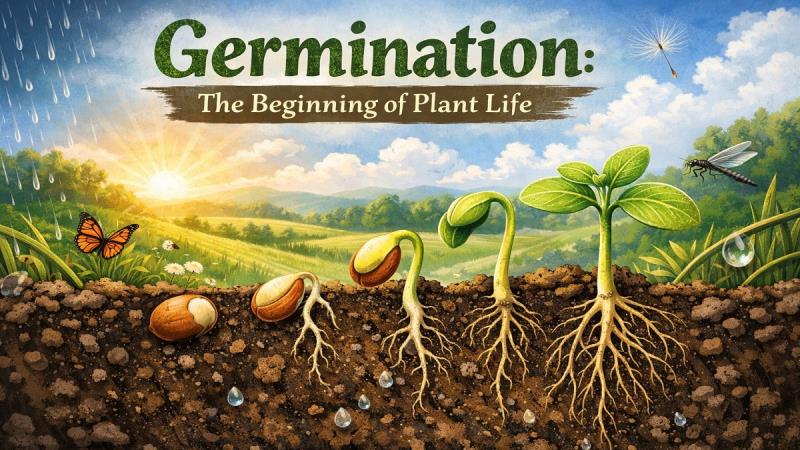
Germination: The Beginning of Plant Life
Learn about germination, the process by which seeds grow into plants. Discover stages, types, conditions, dormancy, agricultural importance, and FAQs.
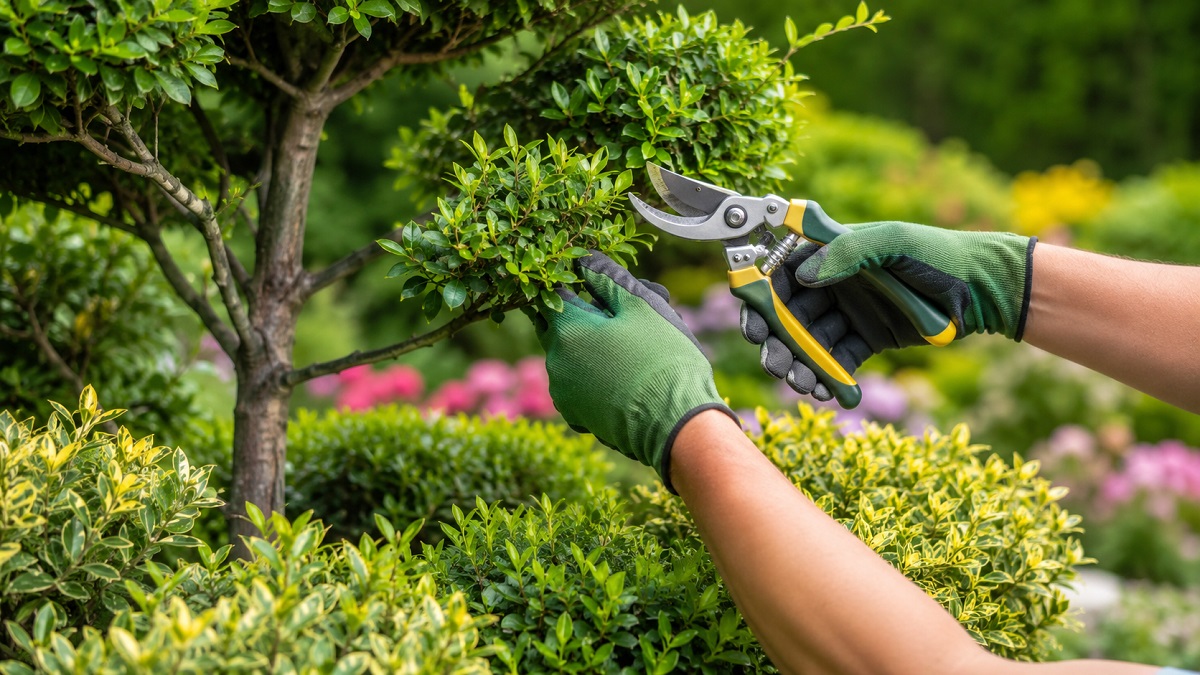
Pruning is one of the most useful jobs you can do in a garden. Removing the right branches at the right time can improve the shape of a tree or shrub, encourage healthy growth, remove damaged wood, and keep plants from becoming overcrowded. However, pruning is not simply a matter of cutting branches whenever they look untidy. Poor cuts, excessive pruning, or pruning at the wrong time can weaken a plant and create new problems.
The good news is that most routine pruning is easier than it first appears. Once you understand why plants are pruned, which branches should be removed, and how to make clean cuts, you can handle many small trees and shrubs with confidence.
Plants naturally grow in their own shapes, but garden plants often need some guidance. Branches can cross one another, dead wood can remain attached, and dense growth can reduce air movement through the plant. Pruning helps you manage these problems without removing healthy growth unnecessarily.
Regular, thoughtful pruning can remove dead and damaged branches, improve the overall structure of a plant, control unwanted growth, and maintain a useful size for the garden.
Before making a cut, decide why the branch needs to be removed. A clear purpose helps prevent over-pruning and keeps the natural form of the plant intact.
Pruning can also improve the appearance of ornamental shrubs and flowering plants. Removing old or unproductive growth may encourage fresh shoots, while selective thinning can allow more light to reach the interior of a plant.
For young trees, pruning is particularly useful for developing a strong structure. Corrective pruning during the early years can reduce the need for major cuts later.
Prune thoughtfully: use clean tools, make deliberate cuts, and avoid removing more growth than necessary.
The right tool makes pruning easier and helps you make cleaner cuts. Choose a tool according to the size and thickness of the branch rather than trying to force one tool to handle everything.
| Tool | Best Use | Important Tip |
|---|---|---|
| Hand pruners | Small stems and thin branches | Keep blades sharp |
| Loppers | Medium-sized branches | Use controlled pressure |
| Pruning saw | Large branches | Use a steady sawing motion |
| Hedge shears | Formal hedges and dense shrubs | Avoid excessive shearing on naturally shaped plants |
Clean your pruning tools regularly, particularly when moving between plants. Sharp blades generally produce cleaner cuts than dull blades, which can crush or tear plant tissue.
The best pruning time depends on the plant, the reason for pruning, and the local climate. There is no single pruning month that works for every tree and shrub.
Many deciduous trees are commonly pruned during their dormant period. With leaves absent, the branch structure is easier to see, making it simpler to identify crossing, damaged, or poorly positioned branches.
Timing is especially important for flowering shrubs. Some plants flower on older wood, while others produce flowers on newer growth. Pruning at the wrong time can remove flower-producing branches and reduce the next flowering display.
Dead, broken, or hazardous branches should not necessarily wait for a particular pruning season. If a branch is damaged or poses a safety concern, deal with the problem promptly when it can be done safely.
When you are unsure about a particular species, check its specific pruning requirements before making major cuts. Different plants can respond very differently to the same pruning method.
Good pruning is selective. Start by looking at the entire plant rather than focusing immediately on one branch. Identify the branches that clearly cause a problem and remove those first.
Avoid removing healthy branches simply to make a tree look extremely sparse. A tree needs its leaves to produce energy, so excessive pruning can put unnecessary stress on the plant.
A thinning cut removes a branch at its point of origin or back to an appropriate side branch. This method can reduce crowding while preserving a natural appearance.
A heading cut shortens a branch rather than removing it completely. Because this can stimulate new shoots near the cut, it should be used carefully and for an appropriate purpose.
When removing a branch from a tree, avoid cutting flush against the trunk. Look for the branch collar, which is the slightly swollen area where the branch joins the trunk or larger limb. The final cut should be made just outside this area rather than cutting into the trunk itself.
Large branches can be heavy and difficult to control. Removing them in a single cut can cause the branch to tear as it falls. A staged cutting method can reduce the weight before the final cut. Large branches near buildings, power lines, or other hazards are best handled by a qualified professional.
Tree pruning should focus on structure, safety, and long-term growth rather than simply controlling height. Start by standing back and studying the tree from several angles.
Never remove large amounts of the canopy just to make a tree smaller. Severe pruning can create vigorous regrowth and may leave the tree with an unnatural structure. If a mature tree needs substantial reduction, professional assessment is often the safest option.
Shrubs vary widely in their natural growth habits. Some look best when selectively thinned, while formal hedges may be maintained with regular shearing. Before pruning, identify whether the shrub naturally grows upright, rounded, spreading, or compact.
Older shrubs sometimes become crowded with thick, aging stems. Selective removal of older stems at or near their base can make room for younger growth. Depending on the plant, this may be done gradually rather than removing most of the shrub in one session.
When shaping a shrub, try to maintain its natural form. Removing small amounts of growth at several points is usually better than making deep cuts in only a few locations.
Formal hedges are usually pruned more regularly than informal shrubs. A useful approach is to keep the lower part of the hedge slightly wider than the top so sunlight can reach more of the foliage.
One of the most common mistakes is removing too much healthy growth at once. If a plant needs significant correction, several smaller pruning sessions may be safer than one severe cut.
Dull blades can make rough cuts and require more effort. Keep pruning equipment in good condition and replace or sharpen blades when necessary.
A pruning method that works well for one shrub may be unsuitable for another. Always consider how the particular plant flowers and produces new growth.
Most routine pruning does not require complicated aftercare. Keep the plant growing under suitable conditions and watch the areas that were cut. Water according to the plant's normal needs rather than automatically watering heavily after pruning.
Avoid unnecessary products applied directly to ordinary pruning cuts. Clean, properly positioned cuts generally provide the best starting point for natural healing.
After pruning, monitor new growth. Fast-growing shoots may appear around some cuts, especially after heading cuts or heavy pruning. If new growth becomes crowded, selective thinning can help maintain a balanced structure.
| Pruning Task | What to Look For | Goal |
|---|---|---|
| Deadwood removal | Dry, dead, or broken branches | Improve plant condition and safety |
| Structural pruning | Crossing or poorly positioned branches | Build a better framework |
| Thinning | Overcrowded growth | Improve spacing and light penetration |
| Size control | Growth extending beyond the desired area | Maintain practical garden dimensions |
Good pruning is less about making lots of cuts and more about making the right cuts. Start with dead, damaged, and problematic branches. Study the plant's natural shape and avoid removing healthy growth simply because it is inconvenient.
Use clean, sharp tools and take your time. If you are unsure about a branch, step back and look at the whole plant before deciding. For large mature trees, branches near electrical lines, or work that requires climbing, hiring a qualified tree professional is a much safer option than attempting the job yourself.
With a little practice and careful observation, pruning becomes a useful part of routine garden care. The goal is not to make every tree or shrub perfectly shaped, but to encourage healthy structure, useful growth, and a plant that fits naturally into its surroundings.
Continue exploring our gardening guides with more plant profiles, growing tips, and practical advice for creating a healthy, productive garden.