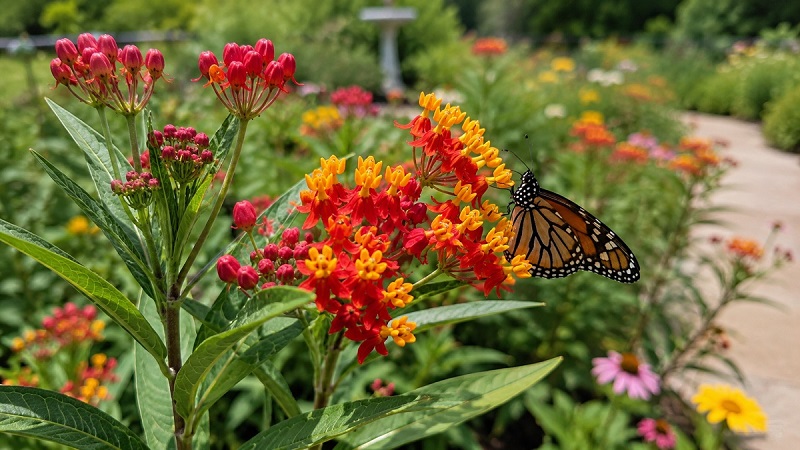
Growing & Caring for Blood Flower (Asclepias curassavica)
Learn how to grow and care for Blood Flower (Asclepias curassavica), including sunlight, soil, watering, planting, pruning, propagation, pests, winter care, and butterfly benefits.
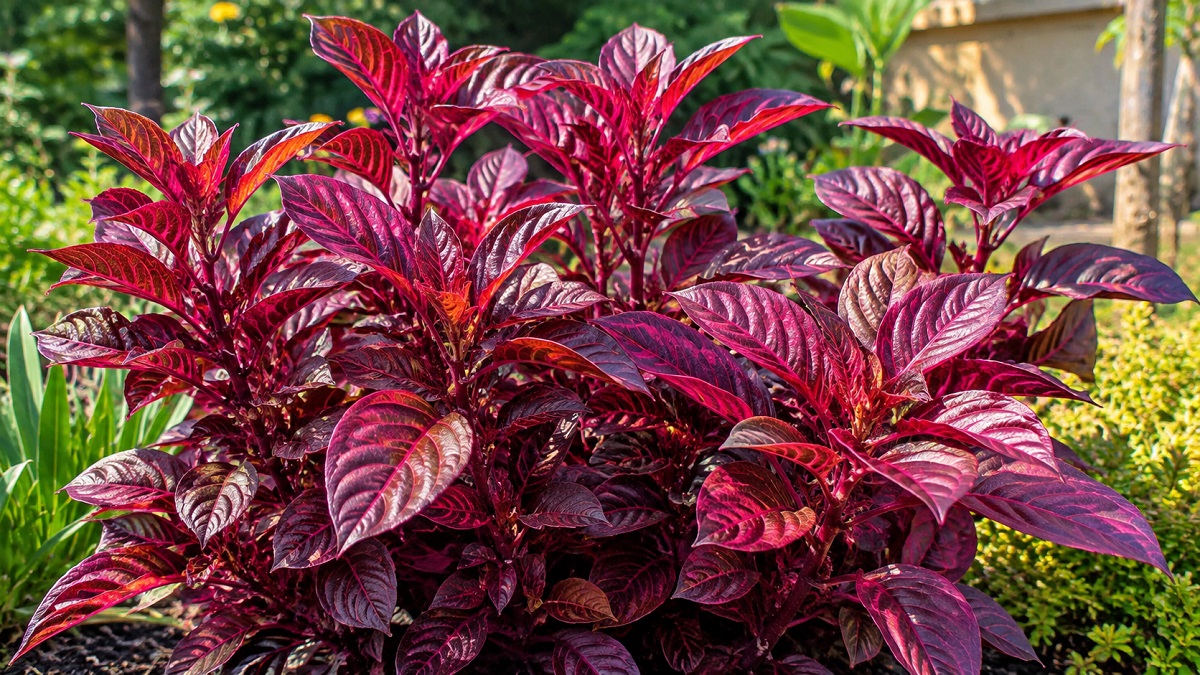
The Blood Leaf Plant (Iresine herbstii) is one of those foliage plants that can completely change the look of a garden bed, container, patio, or indoor plant collection. Instead of relying on flowers for color, it produces its impact through richly colored leaves that can range from deep burgundy and wine-red to purple, green, and pink depending on the variety and growing conditions. Its bold foliage makes it especially useful wherever a garden needs contrast.
Although it is often grown as a warm-season bedding plant in cooler climates, Blood Leaf Plant can behave as a perennial in warm, frost-free regions. It can also be grown in containers and brought indoors when temperatures become too cold. With enough light, regular watering, fertile soil, and occasional pruning, it develops into a full, bushy plant rather than becoming thin and leggy.
One of the most important things to understand about Blood Leaf Plant is that its colorful foliage is closely connected to the amount of light it receives. A plant grown in bright light generally develops stronger coloration and denser growth, while one kept in very low light may become stretched and lose some of its visual intensity. At the same time, very harsh afternoon sun can scorch the leaves, particularly when a plant has not been gradually acclimated.
This guide explains how to grow and care for Blood Leaf Plant from planting and watering through pruning, propagation, overwintering, pest management, and common problems. Whether you are growing it as a colorful annual display or maintaining it as a perennial in a warm climate, the basic approach is simple: give it warmth, bright light, evenly moist soil, good drainage, and regular trimming.
Blood Leaf Plant is a warm-loving foliage plant that performs best with bright light, moisture-retentive but well-drained soil, and regular pruning.
Blood Leaf Plant is the common name most often associated with Iresine herbstii, a colorful foliage plant in the amaranth family. It is valued primarily for its leaves rather than its flowers. The leaves are usually oval to somewhat pointed and are carried on branching stems. Depending on the cultivar, the foliage can show combinations of red, burgundy, purple, green, pink, and contrasting veins.
The plant has a naturally vigorous, branching habit when growing conditions are favorable. Left alone, it can become somewhat open or leggy, particularly when light levels are inadequate. Regular pinching is therefore more than a cosmetic task. It encourages the plant to produce additional side shoots, resulting in a fuller shape and more foliage from the base upward.
Blood Leaf Plant is particularly attractive when used as a foliage accent. Its dark leaves can be paired with plants that have silver, lime-green, golden, or bright green foliage. It can also be used to create a strong color block in a mixed border. In containers, the plant works well as a central foliage feature or as part of a combination planting where its intense color provides contrast.
In climates where winter temperatures remain comfortably warm, Blood Leaf Plant can continue growing for several seasons. In colder areas, it is usually treated as an annual outdoors or moved indoors before frost. Frost is one of the biggest limitations to growing this tropical-subtropical plant in temperate gardens.
The following table gives a quick reference for the plant's main characteristics and everyday care requirements. Conditions can vary between cultivars and growing environments, so use these values as practical starting points rather than rigid rules.
| Characteristic | Blood Leaf Plant | Care Notes |
|---|---|---|
| Botanical name | Iresine herbstii | Commonly grown for colorful foliage |
| Common name | Blood Leaf Plant | Also sold under various cultivar names |
| Plant type | Warm-climate foliage plant | Often grown as an annual in cold climates |
| Foliage | Red, burgundy, purple, green, or variegated | Color is influenced by cultivar and light |
| Light | Bright light to partial shade | Protect from intense heat and harsh afternoon sun when necessary |
| Soil | Rich, fertile, well-drained | Should retain some moisture without staying soggy |
| Watering | Regular | Do not allow the root ball to dry out repeatedly |
| Temperature | Warm | Protect from frost and prolonged cold |
| Humidity | Moderate to high | Higher humidity can support attractive foliage |
| Pruning | Regular pinching and trimming | Encourages compact, bushy growth |
| Propagation | Stem cuttings | Use healthy, non-flowering shoots when possible |
| Container growing | Excellent | Use drainage holes and a quality potting mix |
Light is one of the most important factors in growing an attractive Blood Leaf Plant. Bright light helps the plant maintain strong coloration and compact growth. A position receiving several hours of bright light each day is generally a good starting point, but the ideal exposure depends on the climate.
In mild climates, the plant can often tolerate considerable direct sun if it is introduced gradually. In very hot regions, especially where afternoon sunlight is intense, some protection during the hottest part of the day can prevent leaf scorch. Morning sun followed by bright filtered light or light afternoon shade is often a useful arrangement.
Plants grown indoors should be placed near a bright window. An east- or west-facing window can provide useful natural light, while a very bright south-facing window may need some filtering depending on the season and local climate. If the plant becomes stretched, produces unusually large spaces between leaves, or loses much of its rich coloration, insufficient light may be part of the problem.
Healthy plants usually show strong leaf color, active branching, and relatively short spaces between leaves. New growth should appear regularly during the warm growing season.
Long, weak stems, sparse foliage, and duller coloration can indicate that the plant needs more light. Move it gradually rather than suddenly exposing a shaded plant to intense direct sun.
Blood Leaf Plant grows best in soil that is fertile, loose, and capable of holding moisture while still draining excess water. The roots need access to both moisture and oxygen. Heavy soil that remains saturated for long periods can create unfavorable conditions around the roots.
For garden beds, improve poor soil with well-decomposed organic matter before planting. Compost can help increase fertility and improve the structure of many soils. If the existing ground is extremely compacted or drains poorly, planting in a raised bed or container may be a better solution than repeatedly trying to correct a severely unsuitable site.
For containers, choose a quality general-purpose potting mix rather than ordinary garden soil. The container must have drainage holes at the bottom. A decorative pot without drainage can trap water around the roots and make watering much more difficult to manage.
Wait until the weather is consistently warm before planting Blood Leaf Plant outdoors. Dig a hole approximately as deep as the root ball and somewhat wider. Gently loosen tightly circling roots if the plant is root-bound, then place it so the top of the root ball remains approximately level with the surrounding soil.
Backfill with the improved soil and water thoroughly. During the first few weeks, pay particular attention to moisture because newly planted specimens have not yet developed a large root system. Once established, continue monitoring the soil rather than relying on a fixed watering schedule.
Blood Leaf Plant prefers consistent moisture. This does not mean the soil should remain saturated. The goal is to prevent the root zone from becoming bone dry while also allowing excess water to drain away.
Check the soil with your finger before watering. If the upper portion of the soil has begun to dry, water thoroughly until excess moisture drains from the bottom of a container. For plants growing in the ground, water deeply enough to moisten the root zone rather than giving frequent, shallow sprinkles.
The plant may need more frequent watering during hot weather, especially when grown in a small container. Wind, intense sunlight, low humidity, and a rapidly draining potting mix can also increase water loss. During cooler or cloudy periods, the plant may use considerably less water.
Avoid watering automatically just because it is a particular day of the week. Checking the soil and considering current weather conditions is a more reliable approach. Constantly wet soil can be just as problematic as severe drought stress.
Warm temperatures suit Blood Leaf Plant best. It is not a frost-hardy garden plant, and exposure to freezing temperatures can cause severe damage or kill the plant. In regions where frost occurs, move container-grown specimens indoors or protect them before temperatures become dangerously low.
The plant also appreciates moderate to high humidity, particularly when grown indoors. Dry air does not automatically mean the plant will fail, but prolonged low humidity combined with heat and inadequate watering can lead to stressed foliage.
Indoor plants should be kept away from cold drafts, heating vents, and sudden temperature changes. Good air circulation is still important. Humidity should not be increased at the expense of ventilation because constantly stagnant, damp conditions can encourage fungal and bacterial problems.
Because Blood Leaf Plant is grown mainly for vigorous foliage, it benefits from regular nutrition during active growth. A balanced, complete fertilizer can be used according to the product label. Container plants often need more consistent feeding than plants growing in naturally fertile garden soil because nutrients are gradually removed through watering.
Do not assume that more fertilizer will automatically produce better color. Excessive feeding can encourage soft, overly rapid growth and may damage roots. Follow the recommended dilution and frequency for the fertilizer you choose.
If the soil is already rich and the plant is growing strongly, heavy fertilization may not be necessary. Watch the plant itself. Healthy new growth and good foliage color are more useful indicators than following a rigid feeding calendar regardless of conditions.
Regular pruning is one of the easiest ways to improve the appearance of Blood Leaf Plant. Without trimming, stems can become long and open, particularly when the plant is grown indoors or under insufficient light. Pinching the growing tips encourages side branches and creates a denser plant.
When a shoot becomes long, pinch or cut just above a healthy pair of leaves or a node. New shoots can develop from the nodes below the cut. Repeat this process throughout the growing season whenever the plant begins to look too open or uneven.
Avoid removing a large percentage of the plant at once unless you are performing a deliberate rejuvenation prune. Several smaller trimming sessions are usually easier on the plant and allow you to shape it gradually.
Remove badly damaged, yellowing, or dead leaves with clean scissors. This improves the plant's appearance and makes it easier to inspect the foliage for pests. If disease is suspected, remove affected material promptly and clean the pruning tool before using it on another plant.
Stem cuttings are a practical way to propagate Blood Leaf Plant. Propagation is especially useful when you want to preserve a particularly attractive plant or create several new plants from a healthy specimen.
Avoid placing newly made cuttings in harsh direct sunlight. They need enough light to support growth, but excessive heat and direct sun can cause the cutting to lose moisture faster than it can replace it.
Once the cutting has developed a healthy root system and begins producing new growth, it can be moved into a larger container or planted into its final location. Gradually acclimate it to stronger outdoor light if it was rooted indoors.
Blood Leaf Plant is particularly well suited to container growing. Containers make it easier to control soil quality, move the plant to a more suitable light position, and protect it from cold weather.
Select a container with drainage holes and enough room for the plant's root system. A pot that is excessively large can hold more moisture than the plant can use, especially when the weather is cool. Repotting is usually needed when roots become crowded, water runs rapidly through the pot, or growth slows despite otherwise suitable conditions.
Use a fresh, well-drained potting mix when repotting. After moving the plant into a larger container, water thoroughly and place it in a bright location. Avoid heavy fertilization immediately after repotting if the new potting mix already contains fertilizer.
Container plants should be checked more frequently during hot weather. A small pot can dry surprisingly quickly, and a plant that looks fine in the morning may show serious wilting by afternoon during extreme heat. At the same time, do not compensate by keeping the container permanently saturated.
Blood Leaf Plant can make an attractive indoor foliage plant when it receives enough light. A bright room near a suitable window is preferable to a dark corner. Rotate the pot periodically if the plant begins leaning strongly toward one direction.
Indoor plants often grow differently from outdoor specimens. Lower light, dry air, and limited air movement can produce thinner stems and less intense coloration. Regular pinching can help maintain a compact form, but pruning cannot fully compensate for inadequate light.
Check the foliage regularly for spider mites, aphids, mealybugs, and other common houseplant pests. Early detection makes management considerably easier. When possible, isolate a visibly infested plant from other houseplants while you address the problem.
Water indoor Blood Leaf Plants according to the condition of the potting mix. Containers generally dry more slowly indoors than outdoors, so a watering routine that works on a sunny patio may keep an indoor plant excessively wet.
Outdoors, Blood Leaf Plant can become a colorful focal point in warm weather. Use it in borders, mixed beds, containers, patio planters, or areas where contrasting foliage is needed.
Before planting, consider the amount of sunlight the location receives throughout the entire day rather than judging the site from a single hour. A position that receives gentle morning sun may be ideal, while a location exposed to intense reflected heat from walls or paving may require additional afternoon protection.
Mulching around plants can help moderate soil temperature and reduce moisture loss. Keep mulch slightly away from the base of the stems rather than piling it directly against the plant.
Blood Leaf Plant can encounter many of the same pests that affect other soft-stemmed foliage plants. Aphids, spider mites, mealybugs, whiteflies, and scale insects may occasionally become problems, particularly when plants are stressed or grown in sheltered conditions.
Aphids are small sap-feeding insects that often gather around tender shoots and new leaves. Look for clusters of insects, distorted new growth, sticky honeydew, or an increase in ants. Small infestations can sometimes be reduced with a strong spray of water, while larger problems may require an appropriate treatment used according to its label.
Spider mites tend to become more troublesome in hot, dry conditions. Fine webbing, stippled leaves, and dull or bronzed foliage can be warning signs. Improving plant hydration and humidity while avoiding prolonged stress can make the growing environment less favorable, although established infestations may need targeted control.
Mealybugs may appear as small white, cottony clusters, while scale insects can look like small bumps attached to stems or leaves. Inspect stems, leaf joints, and the undersides of leaves when checking for pests.
Excessive watering and poor drainage are among the more important cultural problems to avoid. If roots remain in saturated soil for extended periods, they may become stressed and vulnerable to rot. Yellowing leaves, weak growth, wilting despite wet soil, and an unpleasant smell from the root zone can indicate serious root problems.
| Problem | Possible Cause | What to Do |
|---|---|---|
| Leggy growth | Insufficient light or lack of pruning | Increase suitable light and pinch growing tips |
| Dull leaf color | Low light, stress, or cultivar characteristics | Provide brighter suitable light and consistent care |
| Wilting leaves | Dry soil, heat stress, or root problems | Check soil moisture and root condition before watering again |
| Yellow leaves | Overwatering, poor drainage, aging foliage, or stress | Check the root zone and adjust watering |
| Brown leaf edges | Dry conditions, inconsistent watering, or intense heat | Improve moisture consistency and review light exposure |
| Soft stems | Excess moisture or poor growing conditions | Improve drainage and avoid constantly saturated soil |
| Small insects on new growth | Aphids or other sap-feeding pests | Inspect closely and use an appropriate control method |
| Fine webbing | Possible spider mites | Inspect leaves carefully and address the infestation promptly |
If you live in a climate with frost, overwintering a container-grown Blood Leaf Plant indoors can preserve it for another growing season. Move the plant indoors before frost threatens rather than waiting until the foliage has already been damaged.
Before bringing the plant indoors, inspect the leaves, stems, and soil surface carefully for pests. Cleaning the plant and checking underneath the leaves can prevent unwanted insects from spreading to other houseplants.
Once indoors, place it in the brightest suitable location available. Growth may slow because indoor winter conditions usually provide less light than summer outdoor conditions. Reduce watering frequency accordingly, but do not allow the plant to remain severely dry for extended periods.
Pruning before or after bringing the plant inside can help make it easier to manage. If it has become very large, trim it selectively rather than removing all foliage at once. New growth can be encouraged when warmer, brighter conditions return.
The strongest feature of Blood Leaf Plant is its foliage color. This makes it valuable in garden design even when it is not flowering. Dark burgundy foliage can create a visual bridge between green plants, colorful flowers, and lighter foliage.
Use it near plants with lime-green leaves for strong contrast, or combine it with silver foliage for a cooler color scheme. It can also work with pink, white, yellow, orange, or purple flowers depending on the effect you want to create.
In containers, Blood Leaf Plant can serve as the main foliage feature surrounded by smaller plants with contrasting textures. Its relatively bold leaves work particularly well when combined with fine-textured foliage, trailing plants, or plants with rounded leaves.
For mass planting, maintain consistent spacing and prune plants regularly so that individual specimens develop evenly. Because the plant is valued for its leaves, an attractive display depends heavily on keeping the foliage healthy and dense.
Spring is a good time to restart active growth. If an overwintered plant has become sparse, trim weak stems and begin providing brighter light. Once outdoor temperatures are reliably warm, gradually acclimate indoor-grown plants before placing them in stronger outdoor light.
Summer is usually the main growing season. Monitor soil moisture closely because heat can increase water demand. Pinch long shoots regularly, remove damaged leaves, and inspect the foliage for pests. Container plants may require more frequent attention than plants established in the ground.
In frost-prone climates, autumn is the time to decide whether the plant will be treated as an annual or brought indoors. Take healthy cuttings if you want to propagate it, and move selected container plants indoors before cold nights become a problem.
Winter care is mainly about protecting the plant from cold while providing as much suitable light as possible. Water less frequently when growth slows, but continue checking the soil. Avoid placing the plant next to cold windows or hot heating vents.
A full Blood Leaf Plant is usually the result of several good practices working together rather than one special technique. Start with adequate light, then keep moisture reasonably consistent. Once the plant is actively growing, pinch the tips regularly to encourage branching.
Avoid allowing a plant to become severely stressed and then attempting to correct everything with heavy fertilizer or excessive watering. Sudden changes can create additional problems. A steady routine is more effective.
If a plant has already become very leggy, make selective cuts above healthy nodes and move it into better light. New branches can develop below the cuts. Give the plant time to respond rather than repeatedly cutting it every few days.
For most gardeners, the basic formula is straightforward: bright suitable light + evenly moist soil + good drainage + warmth + regular pinching. When these conditions are balanced, Blood Leaf Plant can produce dense and colorful foliage for much of the growing season.
If watering seems to cause repeated yellowing or wilting, examine the soil and drainage before simply adding more water. Root problems can make a plant wilt even when the soil appears wet.
Blood Leaf Plant is generally manageable for gardeners who can provide warm conditions and consistent moisture. It is not a particularly demanding plant when its basic requirements are met. Most problems arise from extremes such as insufficient light, repeated drought, waterlogged soil, cold temperatures, or a lack of pruning.
Container growing can actually make the plant easier to manage because the gardener can move it to better light, control the soil mix, and protect it from cold weather. Gardeners in warm climates can grow it directly in beds and enjoy its colorful foliage for a longer period.
Blood Leaf Plant is an excellent choice when you want foliage that provides color even when flowers are not the main attraction. Its burgundy, red, purple, and contrasting leaves can bring depth to borders, containers, patios, and indoor plant displays.
The most important part of caring for Iresine herbstii is maintaining balance. Give it bright suitable light without exposing it suddenly to extreme sun, keep the soil consistently moist without creating waterlogged conditions, and protect it from cold temperatures. Regular pinching will keep the plant branching and attractive.
Once you understand how quickly the plant responds to changes in light, moisture, temperature, and pruning, it becomes much easier to maintain. With a warm growing environment and a little routine attention, Blood Leaf Plant can provide a long-lasting display of dramatic foliage and become one of the most noticeable plants in a mixed garden or container.
← Back to Plant GuidesContinue exploring our gardening guides with more plant profiles, growing tips, and practical advice for creating a healthy, productive garden.