Growing & Caring for Belladonna
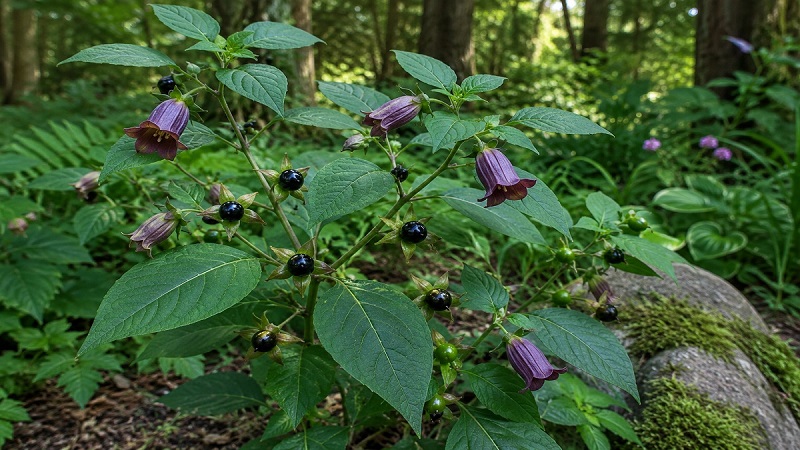
Learn how to grow and care for Belladonna (Atropa belladonna), also known as Deadly Nightshade. Discover planting, soil, watering, propagation, pruning, safety precautions, pests, and expert growing tips.
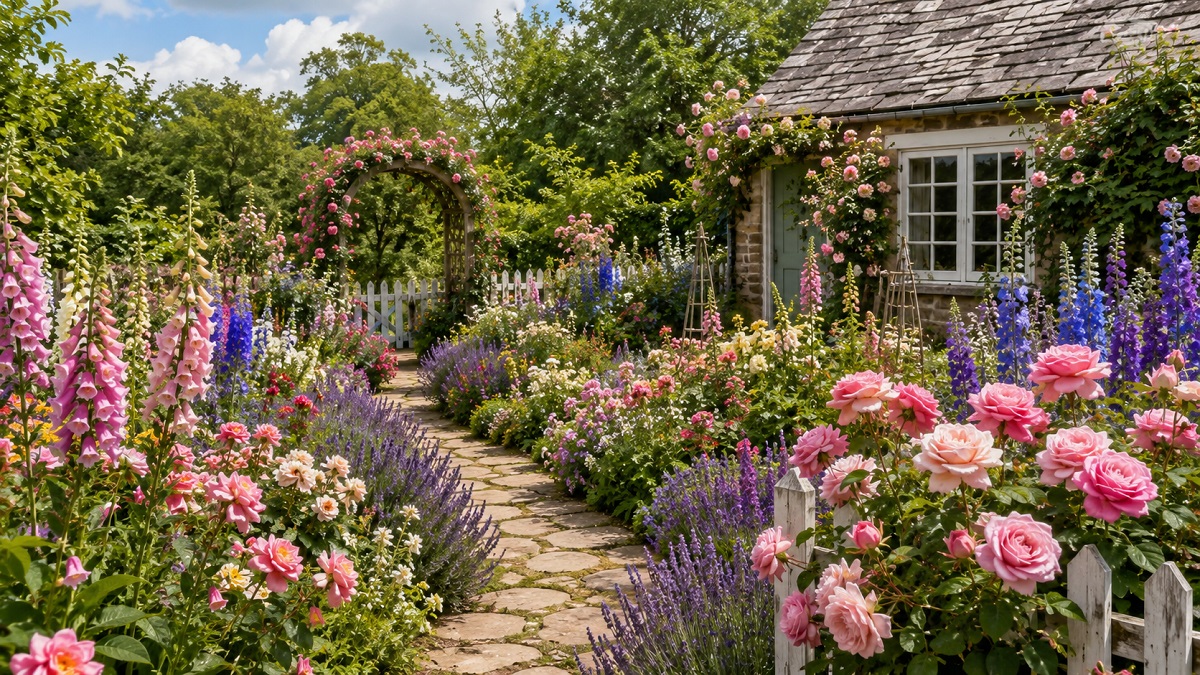
There is an unmistakable magic to a well-designed cottage garden. Unfettered by the strict symmetry, rigid hedge-lines, and clinical lawns of modern landscaping, cottage-style gardening embraces a joyful, orchestrated chaos. It is a style defined by sweeping color palettes, delightful fragrance, rich textures, and an intimate, romantic atmosphere. Yet despite its effortless look, building a successful cottage garden requires thoughtfulness, clever plant layering, and an understanding of dynamic garden structure.
Essential planning requirements for establishing a thriving, low-stress cottage sanctuary. Key takeaway: Deep soil building up front prevents hours of weeding later.
To truly understand how to plant a cottage garden, it helps to look at where the style originated. Far from being created purely for aesthetics, original cottage gardens in rural 14th-century England were born out of strict necessity. Cottagers had limited plots of land and needed to maximize every square foot to feed their families, raise livestock, and craft natural home remedies.
Vegetables, culinary herbs, medicinal plants, fruit trees, and beehives were squeezed tightly together. Flowers were initially interspersed not just for beauty, but to attract essential pollinators, repel pests, and mask household odors. Over the centuries, particularly during the Victorian era, artists and horticulturists like Gertrude Jekyll transformed these functional peasant plots into artful expressions of informal garden design. Jekyll emphasized color harmony, natural drift planting, and the integration of native perennials with ornamental blooms.
Today's cottage garden marries that historical functional spirit with modern ornamental choices. It combines old-fashioned heirloom flowers, fragrant climbing vines, edible herbs, and pollinator-friendly blooms in a soft, welcoming tapestry that changes gracefully with each passing season.
While cottage gardens give the impression that nature simply dropped seeds in random order, achieving a garden that looks delightfully romantic rather than neglected relies on a few fundamental design tactics.
One of the primary tenets of cottage gardening is dense, crowded planting. Plants are placed close enough together that their foliage touches upon reaching maturity. This close canopy suppresses weeds, retains soil moisture, and creates a lush, brimming aesthetic. Pathways should be slightly encroached upon by overhanging plants like mantle-lady’s mantle, sweet alyssum, or creeping thyme to soften hard structural lines.
Avoid planting in strict staircase steps (short in front, medium in middle, tall in back). Instead, weave tall spires—such as foxgloves, hollyhocks, and delphiniums—forward into the mid-border to break up sight lines. Allow lower-growing ground covers to weave beneath taller, leggy perennials. This creates depth, surprise, and dynamic visual movement through the bed.
Building a successful plant list involves blending long-lived perennials, architectural vertical accents, fragrant climbers, and eager self-seeding annuals. Below is a comprehensive selection of classic cottage garden varieties grouped by their primary roles.
| Plant Name | Type | Bloom Season | Height | Best Role / Feature |
|---|---|---|---|---|
| Digitalis purpurea (Foxglove) | Biennial | Late Spring / Early Summer | 3 - 5 ft | Dramatic vertical accent, bee magnet |
| Rosa (David Austin Roses) | Perennial Shrub | Late Spring to Frost | 4 - 8 ft | Aromatic centerpiece, ideal for trellises |
| Delphinium (Larkspur) | Perennial | Early to Mid Summer | 4 - 6 ft | Rich blue spires, classic background height |
| Alchemilla mollis (Lady's Mantle) | Perennial | Late Spring / Summer | 1 - 1.5 ft | Soft chartreuse flowers, catches rain drops |
| Nigella damascena (Love-in-a-Mist) | Annual (Self-seeder) | Late Spring / Summer | 1 - 2 ft | Feathery foliage, beautiful seed pods |
| Echinacea purpurea (Coneflower) | Perennial | Mid Summer to Autumn | 2 - 4 ft | Drought-tolerant, structural seed heads |
| Lavandula angustifolia (English Lavender) | Perennial Evergreen | Summer | 1.5 - 2.5 ft | Fragrant edging, evergreen winter interest |
Tall, vertical plants provide necessary punctuation marks throughout the soft billows of cottage foliage. Foxgloves thrive in dappled light and partial sun, sending up stately towers studded with freckled bell-shaped flowers. Pair them with tall Delphiniums for electric blues and deep purples, and Hollyhocks (Alcea rosea) along fences or walls where their towering height can be properly supported against high winds.
No cottage garden feels complete without scent. Old English shrub roses and rambling climbing roses trained over archways, doorways, or picket fences form the structural spine of the space. Varieties like 'Gertrude Jekyll', 'Eden', or 'Graham Thomas' offer exceptional disease resistance alongside intoxicating fragrance. Complement climbing roses with Clematis vines—allowing the clematis to climb right through rose bushes so their root systems keep cool in the shade of the rose foliage while their blossoms mingle in the sun.
The secret to a dynamic, evolving garden lies in self-seeding annuals. Plants like Love-in-a-Mist (Nigella), Poppies (Papaver rhoeas), Calendula, and Cosmos drop seeds naturally each autumn. In spring, they emerge in unexpected nooks, pathways, and stone crevices, adding a charmingly unscripted quality that keeps the layout fresh year after year.
Hardscape elements in a cottage garden serve to anchor the exuberant plant life, providing structure during late autumn and winter when foliage dies back. Rather than polished concrete or sleek modern metals, lean heavily into natural, weathered materials with character.
Consider integrating these architectural accents:
Because cottage gardens are planted far more densely than traditional landscapes, maintaining soil fertility is paramount to preventing plants from competing for nutrients and water. Healthy, living soil rich in organic matter forms the bedrock of long-term gardening success.
Incorporate generous amounts of well-rotted leaf mold, aged farmyard manure, or rich home compost into beds every spring or autumn. Applying a 2- to 3-inch top layer of organic mulch protects beneficial soil microbes, moderates soil temperature during hot summer snaps, and retains moisture so deep-rooted perennials flourish during dry stretches.
In a tightly packed garden, hoeing can be difficult without damaging delicate plant crowns. Early spring is your primary window for weeding. Remove perennial weeds like dandelion, bindweed, or buttercup completely by the root before foliage closes in. As your cottage perennials fill out by early summer, their shade will naturally suppress light-hungry weed seeds, reducing garden upkeep significantly.
Browse through our collection of comprehensive plant profiles to find the perfect additions to your sunny landscape borders and native meadows.