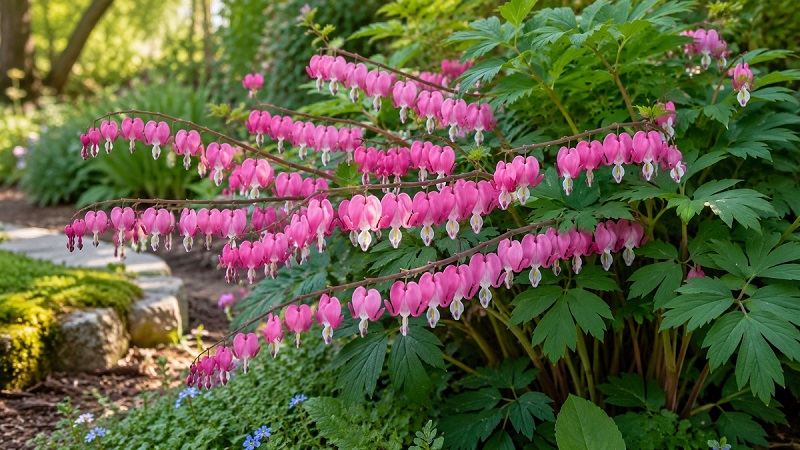
Growing & Caring for Bleeding Heart (Lamprocapnos spectabilis)
Learn how to grow and care for bleeding heart (Lamprocapnos spectabilis), including light, soil, watering, planting, propagation, pruning, pests, and seasonal care.
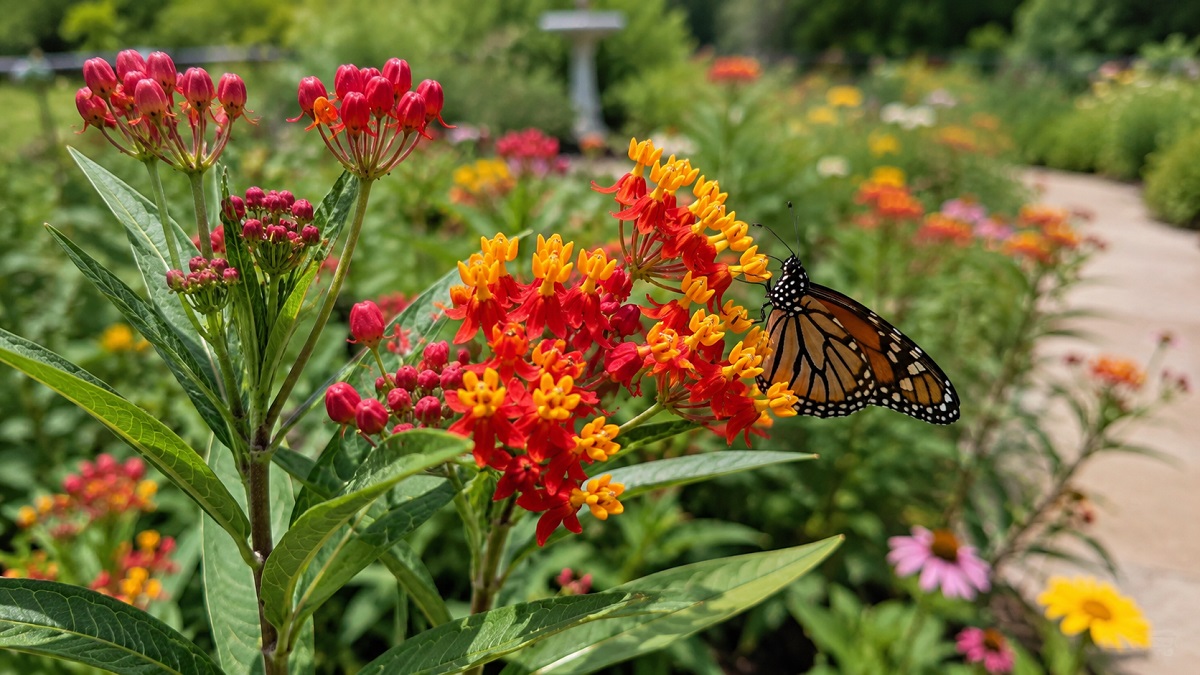
Blood Flower (Asclepias curassavica) is a striking tropical milkweed grown for its clusters of red-and-yellow flowers, upright growth, and exceptional value to butterflies. Also called tropical milkweed, scarlet milkweed, and Mexican butterfly weed, this warm-season perennial can bring a steady supply of nectar to a sunny garden while also serving as a host plant for monarch butterfly caterpillars.
Despite its exotic appearance, Blood Flower is not particularly difficult to grow when it receives plenty of sunlight, warmth, and reasonably well-drained soil. Its narrow green leaves create an attractive upright backdrop, while the small flowers are carried in rounded clusters above the foliage. In warm climates, plants can remain attractive for much of the year, whereas gardeners in colder areas usually grow them as annuals or overwinter them indoors.
The most important thing to remember is that Blood Flower is a sun-loving plant rather than a shade plant. It performs best where it can receive several hours of direct sunlight each day. Watering should be regular while plants are becoming established, but consistently soggy soil can cause root problems. Once established, plants are considerably more tolerant of short dry periods.
Blood Flower rewards a sunny location, warm temperatures, and soil that drains freely.
Blood Flower belongs to the milkweed family and is one of the more colorful members of the genus Asclepias. The species name is Asclepias curassavica, and the plant is widely recognized by its vivid red and yellow flower clusters. Each flower is relatively small, but many flowers are grouped together, creating a much more noticeable display.
The plant has an upright, branching habit and typically develops a bushy appearance when grown in a sunny location. Its leaves are long, narrow, and green, providing a simple background that allows the brightly colored flowers to stand out. In consistently warm conditions, new growth and flowers can continue developing for an extended period.
Blood Flower is especially popular in butterfly gardens because it provides two different resources. Adult butterflies can visit the flowers for nectar, while monarch caterpillars can feed on the foliage. This combination makes tropical milkweed particularly useful in wildlife-focused planting schemes.
The plant also works well when combined with other nectar-producing flowers. Its upright form can be placed toward the middle or rear of a flower bed, while shorter annuals and perennials can be planted around its base. In containers, several plants can be grouped together for a concentrated display of red-and-yellow flowers.
Blood Flower combines ornamental color with wildlife value. Its flowers are highly noticeable, the plant is relatively easy to establish in warm conditions, and its foliage has an important role in the life cycle of monarch butterflies.
It is also useful for gardeners who want a long flowering season. Rather than producing a single brief flush of flowers, plants can continue flowering whenever growing conditions remain favorable.
Blood Flower naturally performs best when temperatures remain warm. In frost-free regions it can behave as a perennial, while gardeners in areas with freezing winters may need to treat it as an annual or move container-grown plants indoors.
One of the easiest ways to recognize Blood Flower is by its distinctive two-tone flowers. The red or reddish-orange upper portions contrast with yellow structures at the center, giving each flower a bright, almost tropical appearance. Flower clusters are held above the foliage and become particularly attractive when several stems bloom simultaneously.
The foliage is another useful identifying feature. Leaves are generally narrow and elongated, with a smooth green appearance. Stems become more branched as the plant matures, allowing a healthy specimen to produce numerous flowering points.
Mature size varies according to climate, soil, moisture, and growing conditions. In a good location, plants can reach roughly 2 to 4 feet tall, although individual plants may remain smaller in containers or poor soil.
Blood Flower is often grown primarily for its flowers, but its ecological role is just as important. Like other milkweeds, it contains compounds that make its foliage unsuitable for many herbivores while allowing specialized insects such as monarch caterpillars to use the plant as a food source.
| Feature | Blood Flower Requirement or Characteristic |
|---|---|
| Botanical name | Asclepias curassavica |
| Common names | Blood Flower, Tropical Milkweed, Scarlet Milkweed, Mexican Butterfly Weed |
| Plant type | Warm-climate perennial; often grown as an annual in colder climates |
| Light | Full sun is ideal; light partial shade is tolerated |
| Soil | Well-drained soil with moderate fertility |
| Water | Moderate and consistent during establishment |
| Height | Approximately 2–4 feet under favorable conditions |
| Flower colors | Red to orange-red with yellow accents |
| Bloom period | Extended flowering during warm growing conditions |
| Pollinator value | Provides nectar for butterflies and other pollinating insects |
| Host plant | Important food plant for monarch butterfly caterpillars |
| Propagation | Seeds and stem cuttings |
| Container growing | Well suited to containers with good drainage |
| Cold tolerance | Limited; protect from frost and freezing temperatures |
Sunlight is one of the biggest factors determining how well Blood Flower grows and blooms. Choose a location that receives several hours of direct sunlight each day. A position with morning and afternoon sun is particularly useful because strong light encourages compact growth and abundant flowering.
Plants grown in too much shade may become tall and thin rather than full and branching. Flower production can also decline when light levels are consistently low. If your garden contains a mixture of sun and shade, reserve the brightest open area for Blood Flower.
Good air circulation is also helpful. Avoid squeezing plants tightly between dense shrubs or structures. Air movement allows foliage to dry more quickly after rain or irrigation and reduces the conditions that encourage some fungal problems.
Blood Flower is not particularly demanding about soil type as long as excess water can drain away. A moderately fertile garden soil is suitable, but heavy clay should be improved if it remains saturated after rainfall.
Before planting, loosen the soil to a depth of roughly 8 to 12 inches. If the ground is compacted, breaking up the planting area allows young roots to establish more easily. Incorporating a moderate amount of mature compost can improve soil structure and provide nutrients without creating an excessively rich planting bed.
Avoid creating a planting hole that acts like a bucket in heavy soil. Water should move away from the root zone rather than collecting around it. In poorly drained locations, consider a raised bed or container instead.
Plant Blood Flower after the danger of frost has passed and the soil has begun to warm. Warm conditions help young plants establish quickly. If you are growing from nursery plants, choose specimens with healthy green foliage, strong stems, and no obvious signs of pest infestation.
Remove weeds and loosen the planting area. Work in a small amount of compost if the soil is poor or compacted. The goal is not to create extremely rich soil but to provide a loose, well-drained environment for the roots.
Dig a hole slightly wider than the root ball and approximately as deep as the container in which the plant was growing. Set the plant at the same general depth as it was previously growing.
Fill around the roots with the prepared soil and gently firm it with your hands. Avoid packing the soil aggressively because compacted soil can reduce air movement around the roots.
Give the newly planted Blood Flower a deep watering immediately after planting. This settles the soil around the roots and helps eliminate large air pockets.
A thin layer of organic mulch can help conserve soil moisture and suppress weeds. Keep mulch away from direct contact with the main stems. Excessively thick mulch can retain too much moisture and create an unnecessarily wet environment around the plant.
Newly planted Blood Flower needs more frequent watering than an established plant. During the first several weeks, monitor the soil regularly and water whenever the upper layer begins to dry. The exact frequency depends on temperature, rainfall, soil type, and container size.
Once established, Blood Flower generally handles moderate periods of dry weather better than a newly planted specimen. Even so, prolonged drought can reduce flowering and cause foliage to wilt. During hot weather, check plants more often, particularly those growing in containers.
Water deeply rather than giving the plant a tiny amount of water every day. Deep watering encourages moisture to reach the root zone. Whenever possible, water the soil rather than repeatedly wetting the foliage.
Container-grown plants usually require more frequent watering than plants growing in garden beds because potting mixes dry out faster. Always check the actual moisture level instead of following a rigid calendar.
Blood Flower usually grows well in reasonably fertile soil without heavy fertilization. Too much fertilizer, particularly excessive nitrogen, can encourage leafy growth at the expense of flowers.
If plants are growing slowly in poor soil, a balanced, general-purpose fertilizer can be applied according to the product label during active growth. Compost or another mild organic amendment can also support steady growth.
Avoid repeatedly feeding a healthy plant simply because it is available. Look at the plant itself. Strong green growth and regular flowering generally indicate that the basic nutritional requirements are being met.
Blood Flower does not require complicated pruning. Light trimming can be useful when stems become too tall, sparse, or unruly. Pinching the growing tips of young plants can also encourage branching and help create a fuller shape.
Remove damaged, dead, or badly affected stems whenever necessary. Clean pruning tools are preferable, particularly when moving from one plant to another.
After a flowering flush, trimming spent flower clusters can improve the plant's appearance and may encourage additional flowering during suitable growing conditions. However, avoid removing every flower cluster if you want the plant to produce seed.
If the plant is being grown specifically as a butterfly resource, pruning should be done thoughtfully. Monarch caterpillars may be feeding on the foliage, so inspect stems and leaves before cutting the plant back.
Blood Flower can be propagated from seed or stem cuttings. Seeds are useful when you want to produce several plants, while cuttings can be convenient when you already have a healthy parent plant.
Start seeds in a clean, well-drained seed-starting medium. Sow them shallowly and keep the growing medium evenly moist but not waterlogged. Place the seed tray somewhere warm with good light.
Once seedlings have developed several true leaves and are large enough to handle, transplant them into individual containers. Gradually acclimate young plants to outdoor conditions before moving them permanently into the garden.
Avoid keeping seedlings constantly saturated. Young roots are particularly vulnerable to poor drainage, and overly wet conditions can quickly lead to weak growth.
Stem cuttings can be taken from healthy, non-flowering growth. Remove lower leaves and place the cutting in a moist, well-drained propagation medium. Keep the medium lightly moist and provide bright, indirect light while roots develop.
Once a cutting has established a useful root system and begins producing fresh growth, gradually move it into stronger light. Avoid immediately exposing a newly rooted cutting to harsh afternoon sun.
Blood Flower is an excellent candidate for container gardening. A container makes it easier to provide excellent drainage and also gives gardeners in colder climates the option of moving plants to a protected location.
Choose a container with drainage holes. A pot that is too large for a small plant can hold excess moisture for a long time, so increase container size gradually as the root system develops.
Use a quality potting mix rather than ordinary garden soil in containers. The growing medium should hold enough moisture for the plant while still allowing excess water to drain freely.
Place the container where the plant receives plenty of sunlight. Rotate the pot occasionally if growth becomes noticeably one-sided. Container plants also need closer monitoring during hot weather because their roots have a limited volume of soil from which to obtain moisture.
One of the biggest reasons gardeners choose Blood Flower is its relationship with butterflies. The flowers provide nectar for adult butterflies, while the foliage can be used by monarch caterpillars as a food source.
If your goal is to create a butterfly-friendly garden, consider planting Blood Flower alongside a variety of other flowering plants. A garden with flowers that bloom at different times can provide nectar throughout a longer portion of the growing season.
Do not become alarmed when you notice caterpillars feeding on the leaves. Leaf consumption is part of the reason for growing a milkweed. A butterfly garden should not necessarily look untouched; some feeding damage is a sign that the plant is supporting wildlife.
At the same time, inspect plants regularly. Aphids can also colonize milkweed, and a large infestation can weaken new growth. The presence of monarch caterpillars means pest management needs to be especially selective.
Regional note: In some areas, native milkweed species may be a better choice for supporting local monarch populations. Check recommendations from local native plant or wildlife organizations when selecting milkweed for your region.Aphids are among the most common insects encountered on milkweed. They may gather on young stems, flower stalks, or the undersides of leaves. Heavy infestations can cause distorted growth and reduce plant vigor.
Begin with simple measures such as monitoring, removing badly affected portions when appropriate, or using a gentle stream of water to dislodge aphids. Avoid indiscriminate insecticide use, especially when monarch eggs or caterpillars are present.
Yellowing leaves, weak growth, and general decline can sometimes be associated with overly wet soil. Blood Flower appreciates moisture but does not need permanently saturated roots.
Improve drainage before simply increasing fertilizer. Check whether the planting area remains wet for long periods after watering or rainfall.
Tall, weak, widely spaced stems are often a sign that the plant is not receiving enough light. Moving the plant to a sunnier position can improve its structure. Pinching young stems can also encourage branching.
Poor flowering may result from insufficient sunlight, excessive nitrogen, stress, or an unsuitable growing environment. Start by checking the basics: light, watering, drainage, and plant health.
Blood Flower is particularly valuable in wildlife gardens, so pest control should be approached carefully. Before treating aphids or other insects, identify exactly what is living on the plant. Monarch eggs and caterpillars should never be confused with pests.
Regular inspection, good airflow, healthy soil, and avoiding unnecessary chemical treatments are often better first steps than reaching immediately for a broad-spectrum pesticide.
Slight leaf damage is not necessarily a problem on a butterfly plant. If caterpillars are present, feeding damage is expected. Focus on whether the plant continues producing healthy new growth rather than trying to keep every leaf perfect.
Cold weather is one of the biggest limitations when growing Blood Flower. In frost-free climates, plants may continue growing for extended periods. In regions that experience freezing temperatures, the plant may be damaged or killed by cold weather.
Container-grown plants can be moved into a bright, protected location before temperatures become dangerously cold. Reduce watering during periods of slower growth, but do not allow the plant to become severely dehydrated.
Gardeners in cold regions may simply grow Blood Flower as a warm-season annual and start new plants the following year. This is often the easiest approach when indoor space or suitable winter light is limited.
If plants remain outdoors in a warm climate, remove damaged growth when appropriate and watch for signs of renewed growth as temperatures rise. Avoid heavy pruning simply because the calendar says it is time; let the plant and local weather guide the decision.
Blood Flower needs good light for strong growth and flowering. A shaded position can produce weak, stretched stems and fewer flowers.
Frequent watering without checking soil moisture can create root problems. Water according to the actual needs of the plant and the weather.
Heavy feeding can encourage foliage rather than flowers. Start with moderately fertile soil and fertilize only when there is a clear reason.
Monarch caterpillars are not pests to be eliminated from a milkweed garden. Their feeding is an important part of the plant's ecological purpose.
Although a few aphids are often tolerated by healthy plants, large colonies can weaken stems and young growth. Early inspection makes management much easier.
Gardeners sometimes assume that a tropical-looking plant will survive any winter simply because it grew vigorously during summer. Blood Flower is much better suited to warm conditions and needs protection from freezing weather.
Blood Flower fits naturally into butterfly gardens, cottage-style borders, pollinator beds, and informal mixed plantings. Its upright habit makes it useful among lower-growing flowers, while its bright blooms provide a strong visual accent.
Planting several specimens together can create a more substantial display than scattering individual plants throughout the garden. Groups also make it easier for butterflies to locate the flowers and for gardeners to monitor monarch activity.
Consider combining Blood Flower with plants that offer different flower shapes and bloom periods. A diverse garden generally provides greater value to pollinators than a bed containing only one species.
Timing depends heavily on climate. In warm, frost-free regions, Blood Flower can be planted during a broad portion of the growing season. In colder areas, wait until the risk of frost has passed and nighttime temperatures are consistently suitable for warm-season growth.
Starting seeds or young plants indoors can give gardeners in short-season climates a head start. Transplant them outdoors only after conditions have warmed sufficiently.
For container gardening, the same basic rule applies: give the plant warmth, strong light, and good drainage. Containers can then be moved when weather conditions become unsuitable.
Consistent sunlight is the foundation of good flowering. Keep the plant adequately watered during periods of active growth, but avoid saturated soil. Remove damaged or spent portions when needed and avoid excessive nitrogen fertilizer.
Regular harvesting of flowers is generally unnecessary unless you want them for arrangements. If you want the plant to produce seeds, leave some mature flower clusters in place.
A healthy Blood Flower should naturally produce repeated flower clusters when growing conditions remain favorable. If flowering suddenly stops, investigate environmental stress before assuming that the plant needs more fertilizer.
Yes. Blood Flower is a relatively approachable plant for gardeners who can provide warmth, sunlight, and reasonable drainage. It does not require complicated pruning or a highly specialized soil mixture.
Beginners should focus on four basics: choose a sunny site, avoid waterlogged soil, monitor moisture during establishment, and protect the plant from freezing temperatures. Once these needs are met, Blood Flower can provide an impressive combination of ornamental color and wildlife value.
Growing Blood Flower is a rewarding way to add vivid color while making room for butterflies in the garden. Asclepias curassavica is especially attractive because its red-and-yellow flowers stand out against narrow green foliage, while the plant's role as a milkweed gives it importance beyond its ornamental appearance.
Give it plenty of sunlight, moderately fertile and well-drained soil, and consistent moisture while it establishes. Avoid excessive fertilizer and pay close attention to the insects living on the plant before deciding that something needs to be removed. In colder climates, grow it as a seasonal plant or protect containers from freezing weather.
With a sunny position and sensible care, Blood Flower can become a dependable feature in a pollinator garden, flower border, patio container, or informal landscape. Its combination of brilliant flowers and butterfly value makes it a particularly useful choice for gardeners who want beauty and biodiversity in the same planting.
Continue exploring our gardening guides with more plant profiles, growing tips, and practical advice for creating a healthy, productive garden.