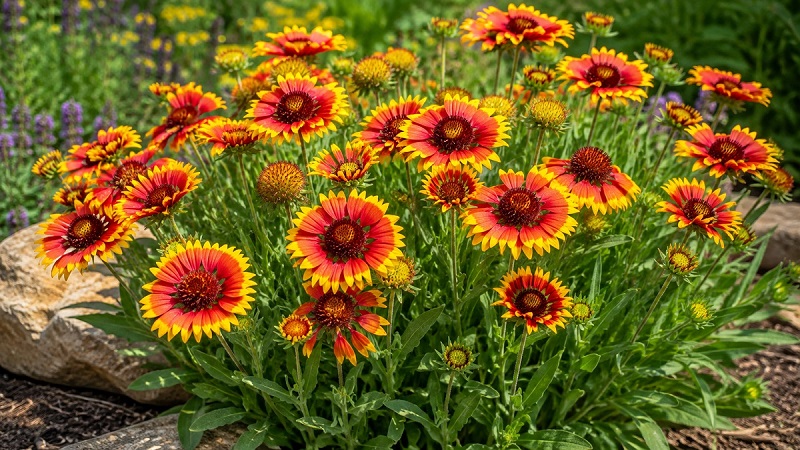
Growing & Caring for Blanket Flower (Gaillardia)
Learn how to grow and care for Blanket Flower (Gaillardia), including planting, sunlight, soil, watering, fertilizing, pruning, propagation, common problems, and landscape uses.
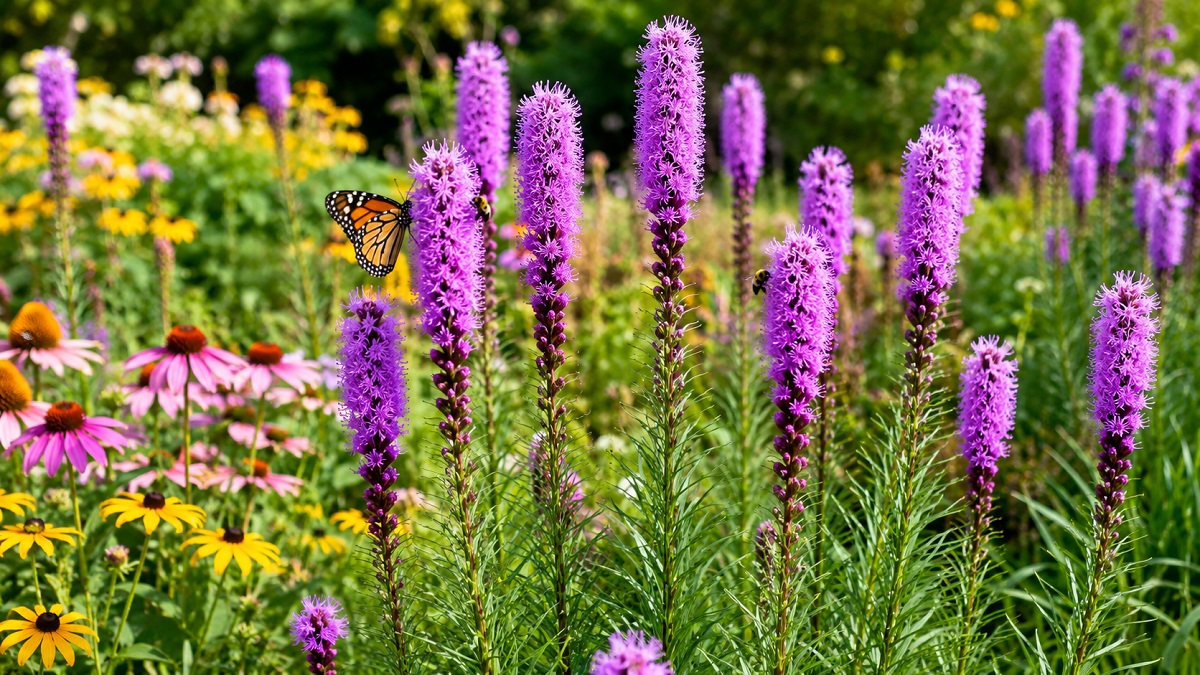
Blazing Star (Liatris spp.), also known as Gayfeather, is one of the most striking native North American wildflowers grown in gardens today. Its tall, upright flower spikes covered in fluffy purple, pink, or white blooms add dramatic vertical interest to borders, cottage gardens, prairie plantings, and pollinator habitats. Unlike many flowering plants that bloom from the bottom upward, Blazing Star flowers open from the top of the spike downward, creating a unique display that attracts attention from both gardeners and wildlife.
Highly valued for its ability to attract butterflies, bees, and other beneficial insects, Blazing Star is also remarkably drought tolerant once established. Its low-maintenance nature makes it a favorite among gardeners seeking colorful perennials that thrive with minimal care. Whether planted in masses for a meadow effect or used as a focal point in mixed borders, Blazing Star delivers reliable summer color year after year.
A hardy perennial wildflower prized for its colorful flower spikes, drought tolerance, and exceptional ability to attract pollinators.
Blazing Star belongs to the Asteraceae family, which also includes daisies, asters, and sunflowers. The genus contains more than 40 species native primarily to North America. Among the most commonly grown species are Liatris spicata, Liatris pycnostachya, and Liatris aspera.
These perennials grow from underground corms that store energy and help the plant survive drought and cold winters. During spring, grass-like foliage emerges from the base, followed by strong flower stalks that rise dramatically above surrounding plants. In midsummer, dense clusters of fuzzy flowers create brilliant purple spikes that can last for several weeks.
In addition to their ornamental value, Blazing Stars are important nectar sources for monarch butterflies, swallowtails, native bees, and many other pollinators. Birds such as goldfinches may feed on the seeds later in the season, adding wildlife interest well beyond the blooming period.
| Feature | Details |
|---|---|
| Common Name | Blazing Star, Gayfeather |
| Botanical Name | Liatris spp. |
| Family | Asteraceae |
| Plant Type | Herbaceous Perennial |
| Mature Height | 2–6 feet |
| Mature Spread | 1–2 feet |
| Sun Exposure | Full Sun |
| Soil Type | Well-drained, sandy, loamy, average garden soil |
| Soil pH | 6.0–7.5 |
| Water Needs | Low to Moderate |
| Bloom Color | Purple, Pink, White |
| Bloom Season | Summer to Early Fall |
| Hardiness Zones | Hardiness varies by species, but many commonly grown Liatris species are suitable for USDA Zones 3–9. |
| Drought Tolerance | High Once Established |
| Pollinator Attraction | Excellent |
| Deer Resistance | Generally Resistant |
Planting Blazing Star correctly sets the foundation for years of healthy growth and abundant flowering. Most gardeners grow these plants from corms, nursery-grown transplants, or seeds.
Spring is generally the best time to plant Blazing Star corms. Choose a location receiving at least six hours of direct sunlight daily. Plant corms approximately 2 to 4 inches deep with the pointed end facing upward. Space them 12 to 15 inches apart to allow for mature growth and good air circulation.
Container-grown plants can be installed during spring or fall. Dig a hole slightly wider than the root ball, position the plant at the same depth it was growing in the container, and backfill with native soil. Water thoroughly after planting.
Seeds can be sown outdoors in fall or early spring. Many species benefit from a period of cold stratification before germination. While seed-grown plants require patience, they often establish deep root systems and adapt exceptionally well to local conditions.
Blazing Star performs best in full sun. At least six to eight hours of direct sunlight daily encourages strong stems, abundant flowering, and compact growth.
Plants grown in partial shade may survive but often become taller and weaker, with fewer flower spikes. Insufficient sunlight can also increase susceptibility to disease and cause stems to lean or flop.
In particularly hot climates, a small amount of afternoon shade may be tolerated, but full sun remains the ideal condition for maximum flowering performance.
One reason Blazing Star is so adaptable is its ability to grow in a wide range of soils. However, excellent drainage is absolutely essential. Wet or poorly drained soil can cause corm rot and shorten the lifespan of the plant.
Ideal soil conditions include:
Heavy clay soils can be improved by incorporating compost, coarse sand, or other organic matter before planting. Raised beds are another excellent option where drainage is problematic.
Newly planted Blazing Star requires consistent moisture during its establishment period. Water deeply once or twice weekly depending on rainfall and temperature.
Once established, these plants become highly drought tolerant. Their deep root systems allow them to access moisture far below the soil surface, reducing the need for frequent irrigation.
Overwatering causes more problems than underwatering. Excess moisture can lead to root rot, weak growth, and reduced flowering.
Blazing Star is not a heavy feeder. In many gardens, no supplemental fertilizer is required if the soil contains adequate organic matter.
For poorer soils, apply a balanced slow-release fertilizer in early spring as new growth emerges. Alternatively, work a thin layer of compost into the soil around the plants.
Avoid excessive nitrogen, which encourages lush foliage growth at the expense of flowers. Overfertilized plants may also become floppy and require staking.
In most situations, healthy soil and occasional compost applications provide all the nutrients these resilient wildflowers need.
Blazing Star is among the easiest perennials to maintain. Regular care primarily involves removing spent flowers and cleaning up old growth.
Removing faded flower spikes improves appearance and may encourage additional blooming in some varieties. Use clean pruning shears and cut stems back to a healthy leaf node.
After frost kills the foliage, stems can be cut back to a few inches above ground level. However, many gardeners leave seed heads standing through winter because they provide food for birds and add seasonal interest.
Mature clumps benefit from division every three to five years. Dividing helps maintain vigor, improves flowering, and provides additional plants for the garden.
Blazing Star can be propagated through several methods, making it easy to expand your planting.
Division is the fastest and most reliable method. Dig mature clumps in spring or fall and separate the corms into smaller sections. Replant immediately at the same depth.
Seeds can be collected after flowering and sown directly outdoors. While slower than division, seed propagation is ideal for creating naturalized meadow plantings.
Established plants gradually produce additional corms. These offsets can be separated and replanted to create new plants.
Blazing Star is generally trouble-free and highly resistant to most serious pest problems.
| Problem | Symptoms | Solution |
|---|---|---|
| Root Rot | Wilting, yellowing foliage | Improve drainage and reduce watering |
| Powdery Mildew | White coating on leaves | Increase air circulation |
| Aphids | Distorted new growth | Spray with water or insecticidal soap |
| Leaf Spot | Dark spots on foliage | Remove affected leaves |
Maintaining proper spacing, avoiding overwatering, and providing full sun greatly reduces disease problems.
Few perennials offer the versatility of Blazing Star. Its upright flower spikes create strong vertical accents that contrast beautifully with mounded or spreading plants.
Blazing Star combines particularly well with coneflowers, black-eyed Susans, bee balm, ornamental grasses, asters, and other prairie-inspired perennials.
The tall flower spikes create stunning combinations when planted behind shorter flowering plants. Their vertical form also provides architectural structure throughout the growing season, making them valuable design elements in both formal and naturalistic landscapes.
| Season | Tasks |
|---|---|
| Spring | Plant corms, divide clumps, apply compost |
| Summer | Water during drought, enjoy blooms, deadhead |
| Fall | Collect seeds, divide plants, reduce watering |
| Winter | Leave seed heads for birds or cut back stems |
Blazing Star is one of the best native perennials for supporting wildlife. Butterflies are particularly attracted to the nectar-rich flowers, while bees and other pollinators visit continuously throughout the blooming season.
Monarch butterflies frequently use Blazing Star during migration, and native bee populations benefit greatly from its abundant nectar supply. Later in the season, seed heads provide food for birds, creating a multi-season wildlife habitat plant.
Gardeners seeking environmentally friendly landscapes often consider Blazing Star an essential addition due to its ecological importance and ornamental beauty.
Blazing Star is a spectacular perennial that combines beauty, resilience, and ecological value in one easy-to-grow plant. Its tall spikes of vibrant flowers provide weeks of color while supporting butterflies, bees, and birds throughout the growing season. With full sun, well-drained soil, and minimal maintenance, Blazing Star rewards gardeners with reliable performance year after year. Whether used in pollinator gardens, prairie plantings, or traditional flower borders, this native wildflower remains one of the most rewarding and dependable perennials available for modern landscapes.
← Back to Plant GuidesContinue exploring our gardening guides with more plant profiles, growing tips, and practical advice for creating a healthy, productive garden.