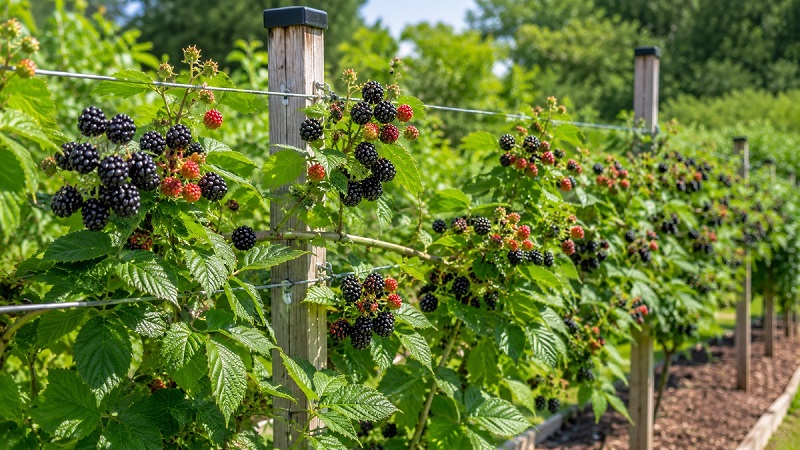
Growing & Caring for Blackberries
Learn how to grow and care for blackberries with practical tips on planting, sunlight, soil, watering, fertilizing, pruning, trellising, harvesting, pests, diseases, and winter care.
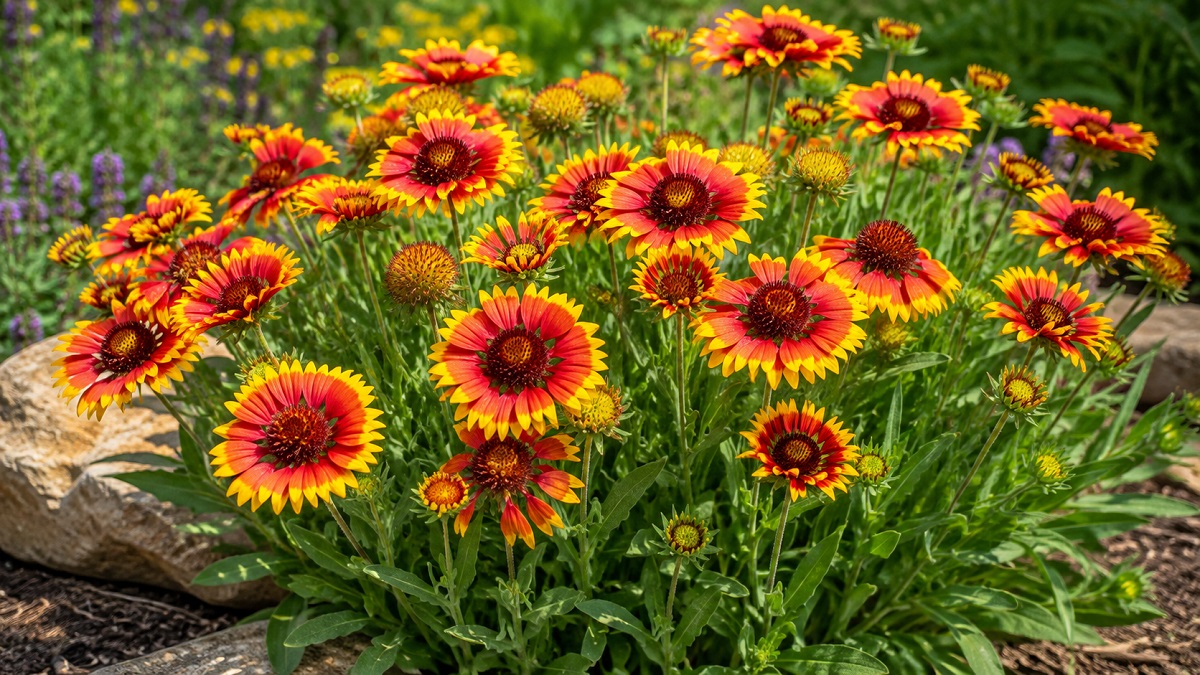
Blanket Flower (Gaillardia) is one of the easiest and most rewarding flowering perennials for sunny gardens. Known for its fiery red, orange, yellow, and gold blooms, this cheerful plant produces masses of daisy-like flowers from early summer until frost. Blanket flowers thrive in hot, dry conditions where many other flowering plants struggle, making them a favorite for cottage gardens, pollinator gardens, borders, and low-maintenance landscapes.
Native primarily to North and South America, Gaillardia is admired for its drought tolerance, long blooming season, and ability to attract bees, butterflies, and other beneficial pollinators. Whether you're planting a colorful flower bed or looking for a resilient perennial that requires minimal attention, Blanket Flower is an excellent choice.
A tough, sun-loving perennial that rewards gardeners with months of colorful blooms and minimal maintenance.
Blanket Flower belongs to the Asteraceae family and is closely related to daisies, sunflowers, and coneflowers. Its bright flowers often feature red centers surrounded by orange or yellow-tipped petals, creating a striking sunset effect in the garden.
The common name "Blanket Flower" is believed to come from the resemblance of its colorful blooms to Native American woven blankets. Modern varieties are available in numerous color combinations and flower forms, including single, semi-double, and double blooms.
One of the most impressive qualities of Blanket Flower is its ability to bloom continuously throughout the growing season. Even during periods of heat and drought, established plants continue producing flowers when many other perennials slow down.
| Characteristic | Details |
|---|---|
| Botanical Name | Gaillardia spp. |
| Common Name | Blanket Flower |
| Plant Type | Perennial or Short-Lived Perennial |
| Mature Height | 12–36 inches |
| Mature Spread | 12–24 inches |
| Sun Exposure | Full Sun |
| Soil Type | Well-drained, sandy, average soils |
| Soil pH | Slightly acidic to neutral |
| Water Needs | Low to Moderate |
| Bloom Colors | Red, Orange, Yellow, Gold |
| Bloom Season | Late Spring through Frost |
| USDA Hardiness Zones | 3–10 |
| Wildlife Value | Attracts Pollinators |
| Deer Resistance | Generally Resistant |
| Maintenance Level | Low |
Plant Blanket Flower in spring after the danger of frost has passed. While nursery-grown plants establish quickly, Blanket Flower is also easy to grow from seed.
Choose a site that receives at least six to eight hours of direct sunlight daily. Full sun is essential for compact growth, strong flowering, and disease prevention.
Avoid low-lying areas where water collects after rainfall. Poor drainage is one of the few conditions that can seriously harm Blanket Flower plants.
Blanket Flower thrives in full sun and performs best with a minimum of six hours of direct sunlight each day. More sunlight generally means more blooms and stronger stems.
Plants grown in partial shade often become leggy, produce fewer flowers, and may flop during the growing season. In regions with extremely intense summer heat, a small amount of afternoon shade can be tolerated, but full sun remains ideal.
If your Blanket Flower is producing fewer blooms than expected, insufficient sunlight is often the primary cause. Relocating plants or trimming nearby vegetation may improve flowering significantly.
Unlike many flowering perennials, Blanket Flower prefers relatively poor soil conditions. Rich, heavily amended soils can encourage excessive foliage growth at the expense of flowers.
The most important soil requirement is excellent drainage. Sandy, gravelly, or average garden soils work exceptionally well.
Heavy clay soils should be improved by incorporating organic matter and, where possible, planting Blanket Flower in raised or well-drained areas. Avoid creating waterlogged planting sites.
One of Blanket Flower's greatest strengths is its drought tolerance. Newly planted specimens require regular watering while establishing roots, but mature plants can tolerate extended dry periods.
Provide consistent moisture during the first growing season. Water deeply once or twice per week, depending on rainfall and temperature.
Once established, Blanket Flowers typically need supplemental watering only during prolonged droughts.
| Growth Stage | Watering Frequency |
|---|---|
| Newly Planted | 1–2 times weekly depending on rainfall and soil conditions. |
| Established Plants | Water deeply during prolonged drought; frequency depends on soil, heat, and rainfall |
| Container Plants | When top inch of soil dries |
| Extreme Heat | Monitor and water as needed |
Overwatering is far more dangerous than underwatering. Soggy conditions can cause root rot and shorten the lifespan of the plant.
Blanket Flowers generally require little to no fertilizer. Excess nutrients often produce lush foliage and reduced flowering.
If your soil is extremely poor, a light application of balanced fertilizer in early spring may help support growth. However, avoid frequent feeding.
Many gardeners find Blanket Flowers bloom best when left largely unfertilized.
Regular deadheading can dramatically extend the flowering season. Removing spent blooms encourages the plant to direct energy toward producing new flowers instead of seeds.
Cut flower stems back to a healthy leaf node just below the faded bloom. Continue this practice throughout summer to maintain continuous flowering.
If plants become leggy or untidy, lightly shear them back by about one-third to encourage fresh growth and additional flowering. This often stimulates fresh growth and a renewed flush of blooms.
In late fall, many gardeners leave seed heads intact to provide winter interest and food for birds.
Blanket Flower can be propagated by seed, division, or occasionally cuttings.
Seeds germinate readily and can be started indoors or sown directly outdoors after frost danger has passed.
Sow the seeds shallowly and follow the seed packet instructions, as some Gaillardia seeds germinate best when exposed to light or only lightly covered with soil. Seedlings usually emerge within two to three weeks under suitable conditions.
Older plants may be divided every two to three years to rejuvenate growth and maintain vigor.
Early spring is generally the best time for division.
Many Blanket Flower varieties self-seed freely in favorable conditions, creating naturalized drifts throughout the garden.
Blanket Flower is relatively trouble-free, but occasional issues can occur.
| Problem | Cause | Solution |
|---|---|---|
| Root Rot | Poor Drainage | Improve drainage and reduce watering |
| Leggy Growth | Insufficient Sunlight | Move to sunnier location |
| Few Flowers | Too Much Fertilizer | Reduce feeding |
| Powdery Mildew | Poor Airflow | Increase spacing and circulation |
| Short Lifespan | Wet Winter Conditions | Improve drainage before winter |
Blanket Flower experiences relatively few pest problems. Aphids, leafhoppers, and occasional spider mites may appear but rarely cause significant damage.
Encouraging beneficial insects often provides adequate natural control.
Few perennials offer as much versatility as Blanket Flower. Its bright colors complement numerous garden styles and design themes.
Blanket Flowers attract bees, butterflies, and beneficial insects throughout the growing season.
Their informal appearance blends beautifully with coneflowers, black-eyed Susans, salvias, and ornamental grasses.
Drought tolerance makes Blanket Flower ideal for rocky landscapes and xeriscape plantings.
Compact varieties create colorful edging plants along pathways and flower beds.
Many dwarf cultivars thrive in containers, provided drainage remains excellent.
| Season | Recommended Care |
|---|---|
| Spring | Plant, divide, and lightly fertilize if needed |
| Summer | Deadhead regularly and monitor watering |
| Autumn | Reduce watering and collect seeds |
| Winter | Ensure good drainage and avoid excess moisture |
Blanket Flower is one of the easiest flowering perennials to grow successfully. Its bright blooms, long flowering season, exceptional drought tolerance, and pollinator-friendly nature make it a valuable addition to nearly any sunny garden. By providing full sun, excellent drainage, and minimal maintenance, gardeners can enjoy months of colorful flowers from this resilient and dependable plant year after year.
← Back to Plant GuidesContinue exploring our gardening guides with more plant profiles, growing tips, and practical advice for creating a healthy, productive garden.