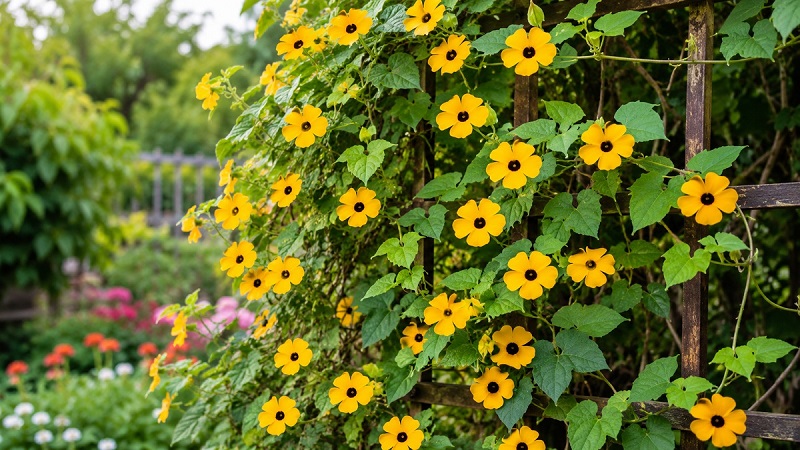
Growing & Caring for Black-Eyed Susan Vine (Thunbergia alata)
Learn how to grow and care for Black-Eyed Susan Vine (Thunbergia alata), including light, soil, watering, feeding, support, pruning, pests, propagation, and winter care.
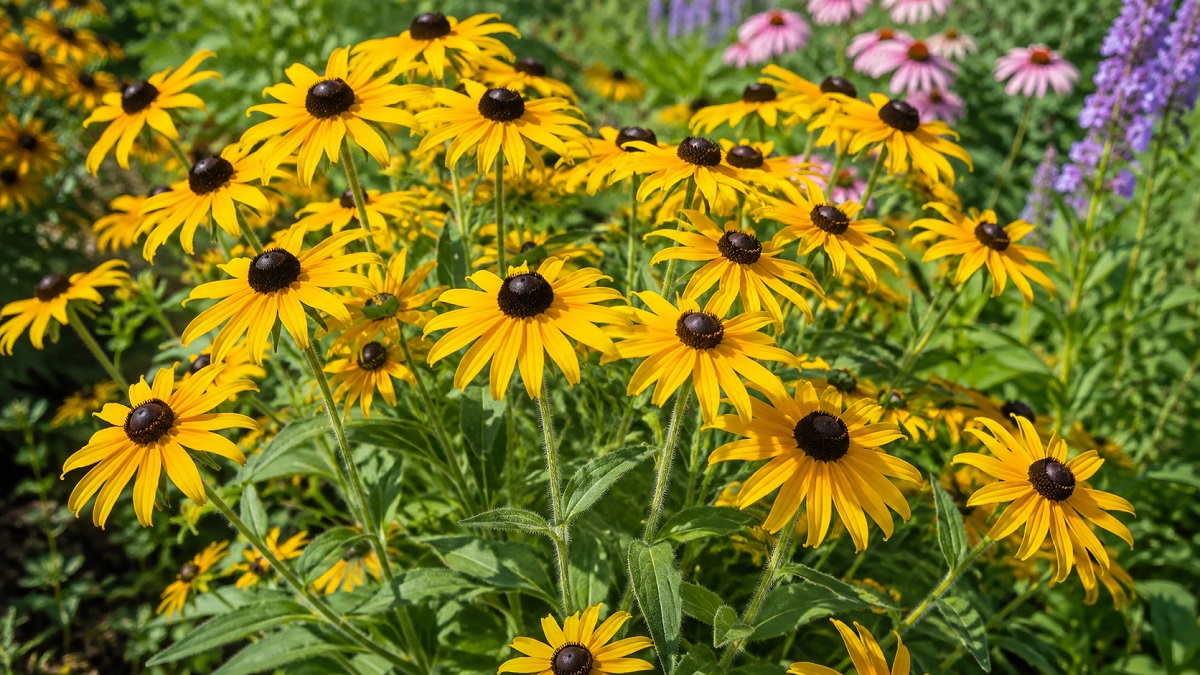
Black-Eyed Susan (Rudbeckia hirta) is one of the most recognizable wildflowers in North America. With its bright golden-yellow petals surrounding a dark brown or black central cone, this cheerful plant adds long-lasting color to gardens, borders, pollinator habitats, cottage landscapes, and naturalized meadows. Gardeners love Black-Eyed Susan because it is easy to grow, drought tolerant once established, attractive to pollinators, and capable of blooming from summer through fall.
Whether you are creating a wildlife-friendly garden, filling a sunny flower bed, or looking for a low-maintenance perennial-style flower, Black-Eyed Susan is an excellent choice. This guide covers everything you need to know about growing and caring for Black-Eyed Susan, including planting, watering, soil requirements, fertilizing, pruning, propagation, pest management, and seasonal care.
A reliable, long-blooming flower that thrives in sunny gardens and attracts bees, butterflies, and other beneficial pollinators.
| Category | Details |
|---|---|
| Common Name | Black-Eyed Susan |
| Botanical Name | Rudbeckia hirta |
| Family | Asteraceae |
| Plant Type | Annual, Biennial, or Short-Lived Perennial |
| Mature Height | 1–3 Feet |
| Mature Spread | 1–2 Feet |
| Sun Exposure | Full Sun |
| Soil Type | Well-Drained, Average Soil |
| Soil pH | 6.0–7.5 |
| Flower Color | Yellow with Dark Center |
| Bloom Season | Summer Through Fall |
| Hardiness Zones | USDA 3–9 |
| Native Range | North America |
| Wildlife Benefits | Pollinator and Bird Friendly |
Black-Eyed Susan is a native North American wildflower known for its bright daisy-like blooms and rugged adaptability. It naturally grows in prairies, open woodlands, roadsides, meadows, and grasslands. Because it evolved in challenging environments, it tolerates drought, heat, poor soil, and neglect better than many ornamental flowers.
The flowers feature golden petals surrounding a raised dark center cone. Individual blooms can reach 2–4 inches across and appear continuously throughout the growing season. The plant's rough, hairy stems and leaves give it additional resilience against environmental stress.
One of the greatest advantages of Black-Eyed Susan is its ability to attract beneficial insects. Bees, butterflies, hoverflies, and other pollinators frequently visit the blooms. In autumn and winter, birds often feed on the mature seed heads.
Planting Black-Eyed Susan is straightforward and rewarding. It can be grown from seeds, nursery transplants, or divisions. Seeds are often the most economical option, especially when creating large pollinator gardens or meadow plantings.
Sow seeds directly outdoors after the danger of frost has passed. Seeds can also be started indoors approximately six to eight weeks before the last expected frost date.
Scatter seeds lightly over prepared soil and gently press them into the surface. Do not bury them deeply because light helps improve germination. Keep the soil lightly moist until seedlings emerge.
When planting established nursery plants, dig a hole twice as wide as the root ball and place the plant at the same depth it was growing in its container. Backfill with soil and water thoroughly.
Space plants approximately 12–24 inches apart to allow adequate airflow and future growth.
Black-Eyed Susan performs best in full sun. Ideally, plants should receive at least six to eight hours of direct sunlight daily.
Full sun encourages:
Although the plant can tolerate partial shade, flowering may be reduced and stems may become leggy as they stretch toward available light.
In regions with extremely hot summers, a small amount of afternoon shade can help reduce stress without significantly affecting flowering.
One reason Black-Eyed Susan is so popular is its adaptability to many soil types. It grows successfully in sandy, loamy, and even moderately clay-based soils, provided drainage is adequate.
Heavy clay soils should be amended with compost before planting. Compost improves drainage while enhancing nutrient availability.
Unlike many flowering plants, Black-Eyed Susan does not require highly fertile soil. Excessively rich soil may encourage leafy growth at the expense of flowers.
Newly planted Black-Eyed Susan requires consistent watering during establishment. Once roots are developed, the plant becomes surprisingly drought tolerant.
Water deeply once or twice weekly during the first growing season. The goal is to keep soil evenly moist but never soggy.
Mature plants usually require supplemental watering only during prolonged dry periods.
| Growing Stage | Watering Frequency |
|---|---|
| Seed Germination | Keep consistently moist |
| Young Seedlings | 2–3 times weekly |
| New Transplants | 1–2 times weekly |
| Established Plants | Only during drought |
Always water near the base of the plant rather than overhead. This helps reduce fungal problems and keeps foliage healthy.
Black-Eyed Susan generally requires little fertilizer. Excess feeding can actually reduce flowering and create weak, floppy growth.
In most garden soils, an annual application of compost in spring provides all the nutrients needed for healthy growth.
If growth appears weak or flowering is poor, apply a balanced fertilizer according to label directions during spring.
Black-Eyed Susan is highly adaptable to a wide range of climates. It thrives in USDA hardiness zones 3 through 9 and tolerates both summer heat and winter cold.
Its natural prairie heritage allows it to withstand:
Good air circulation helps maintain healthy foliage and reduces disease pressure during humid weather.
Black-Eyed Susan requires very little maintenance throughout the growing season. A few simple tasks can keep plants blooming and looking attractive.
Remove faded flowers regularly to encourage continuous blooming. Deadheading redirects energy into producing new flower buds rather than seeds.
Trim damaged, yellowing, or diseased foliage whenever necessary.
Gardeners have two options in fall:
Many wildlife gardeners prefer leaving seed heads until late winter because goldfinches and other birds feed on the seeds.
Black-Eyed Susan can be propagated through seeds and division.
Allow some flower heads to mature and dry naturally. Collect seeds when they become dark and dry. Store them in a cool, dry place until planting season.
Because the plant self-seeds readily, many gardeners discover new seedlings appearing around established plants each spring.
Older perennial clumps can be divided every three to four years. Dig the plant in spring or early fall and separate the root mass into smaller sections before replanting.
Division rejuvenates older plants and creates additional plants for other areas of the garden.
Black-Eyed Susan is generally resistant to major pest issues, but occasional problems may occur.
Most infestations are minor and can be managed with insecticidal soap, water sprays, or encouraging beneficial insects.
Most disease problems are linked to poor airflow or excessive moisture. Proper spacing and good watering practices significantly reduce risk.
| Problem | Likely Cause | Solution |
|---|---|---|
| Few Flowers | Too Much Shade | Move to Full Sun |
| Floppy Growth | Excess Fertilizer | Reduce Feeding |
| Powdery Coating | Powdery Mildew | Improve Airflow |
| Yellow Leaves | Overwatering | Allow Soil to Dry |
| Wilting | Drought Stress | Deep Watering |
Black-Eyed Susan is one of the most versatile flowering plants for landscape design.
The bright flowers pair beautifully with ornamental grasses, coneflowers, bee balm, asters, salvias, and other native perennials.
Mass plantings create dramatic waves of golden color throughout summer and autumn.
| Season | Recommended Tasks |
|---|---|
| Spring | Plant, divide, fertilize lightly |
| Summer | Water during drought, deadhead flowers |
| Fall | Collect seeds, divide plants if needed |
| Winter | Leave seed heads for birds or cut back stems |
Following this simple seasonal routine helps maintain vigorous plants and reliable flowering year after year.
Black-Eyed Susan is one of the best flowers for supporting biodiversity. Its nectar-rich blooms attract numerous pollinating insects throughout the growing season.
Visitors commonly include:
After flowering ends, seed heads provide valuable food for birds. The plant also offers shelter for beneficial insects during winter.
Black-Eyed Susan combines well with many garden favorites.
These combinations create colorful displays while providing continuous food sources for pollinators throughout the growing season.
Black-Eyed Susan is one of the easiest and most rewarding flowers a gardener can grow. Its brilliant golden blooms, exceptional adaptability, long flowering season, and wildlife benefits make it a valuable addition to nearly any sunny landscape. Whether planted in formal flower beds, pollinator gardens, native plantings, or naturalized meadows, this dependable wildflower delivers months of color with very little maintenance.
By providing full sun, well-drained soil, moderate watering during establishment, and occasional deadheading, you can enjoy healthy Black-Eyed Susan plants that brighten the garden year after year while supporting pollinators and birds alike.
← Back to Plant GuidesContinue exploring our gardening guides with more plant profiles, growing tips, and practical advice for creating a healthy, productive garden.