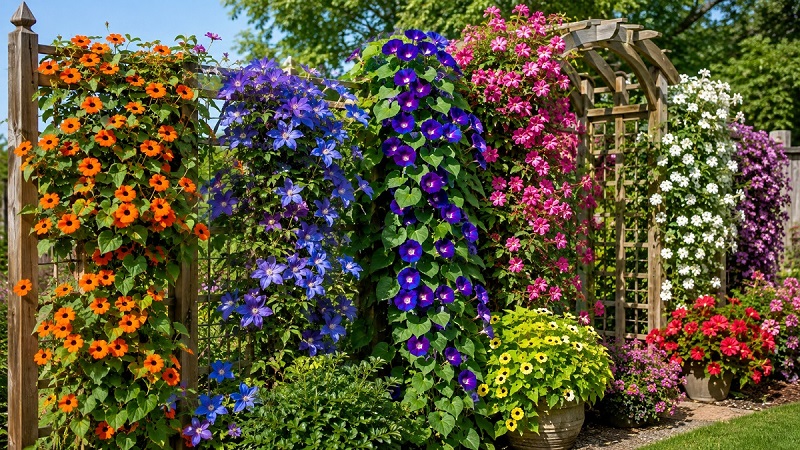
10 Fast-Growing Annual Vines for Quick Summer Color
Discover 10 fast-growing annual vines for quick summer color, including morning glory, moonflower, hyacinth bean, nasturtium, and more.
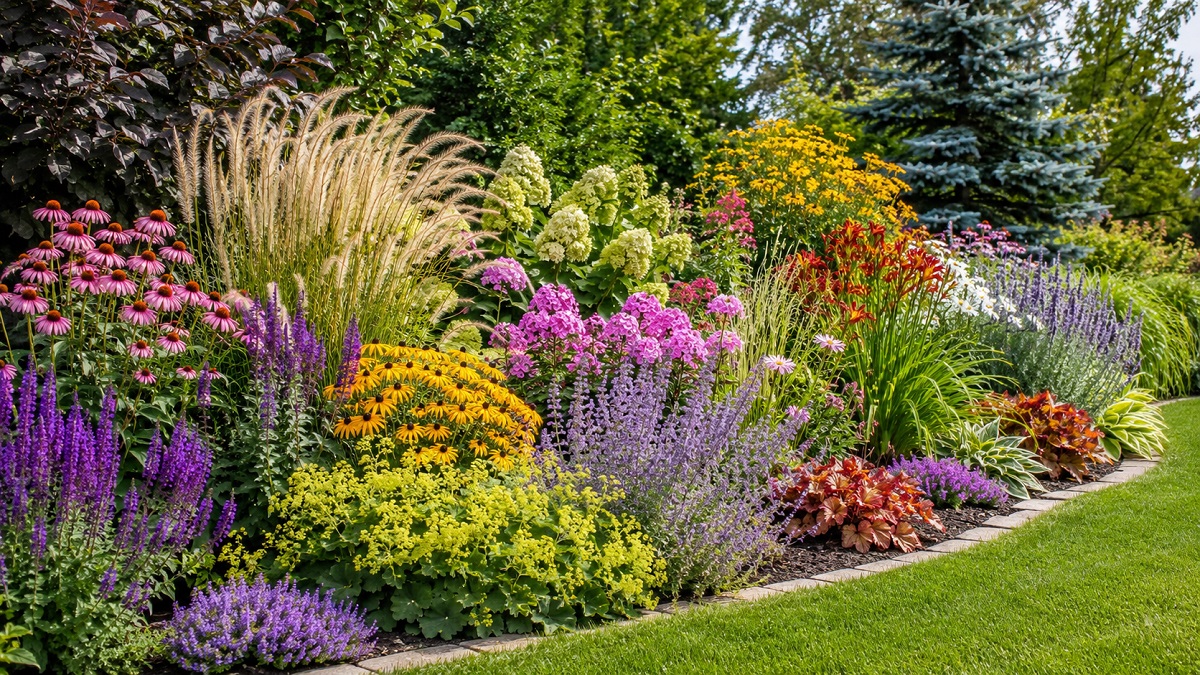
A well-designed perennial border is one of the most rewarding features in any garden. Unlike annual flower beds that require replanting every year, perennial borders provide color, texture, structure, and seasonal interest for many years with relatively little maintenance. Whether you have a cottage garden, a modern landscape, or a traditional backyard, perennial borders can transform ordinary spaces into vibrant, living displays that change beautifully throughout the seasons.
Perennial borders combine flowering plants, ornamental grasses, foliage plants, and structural specimens in a layered arrangement. The goal is to create a border that remains attractive from early spring until late autumn while providing habitat for pollinators and wildlife. With careful planning and plant selection, perennial borders can deliver continuous blooms, attractive foliage, and year-round visual appeal.
Successful perennial borders combine layered planting, seasonal succession, and proper spacing to provide beauty for many years.
A perennial border is a garden bed primarily composed of perennial plants arranged in layers and groups to create a cohesive landscape display. Perennials are plants that live for more than two years and return each growing season from their roots.
Traditionally, perennial borders are positioned along fences, walls, pathways, or property boundaries. However, modern garden designs often use them around patios, driveways, garden rooms, and outdoor living spaces.
The best perennial borders combine plants with different heights, bloom times, colors, foliage textures, and growth habits. This layered approach ensures that the border remains visually appealing throughout the year.
Perennial borders offer numerous advantages over annual flower beds and purely ornamental landscapes.
Because perennials return every year, gardeners can enjoy established displays that become fuller and more attractive over time.
Although the initial investment may be higher, perennial borders often cost less in the long run because plants do not need annual replacement.
Many perennial flowers attract bees, butterflies, hoverflies, and beneficial insects. A well-designed border can become a valuable habitat for local wildlife.
Different plants bloom at different times, allowing gardeners to enjoy changing displays from spring through autumn.
Many establishedperennials develop substantial root systems that can help support soil structure and reduce erosion, while appropriately selected plants may require less supplemental water once established.
Successful perennial borders begin with careful planning. Taking time to design before planting helps avoid costly mistakes and future overcrowding.
Consider the available space and viewing angles. Wider borders often appear more natural and allow greater plant diversity.
For best results:
Large flowers and bold foliage make stronger visual impacts from a distance, while intricate details are best appreciated up close.
Your border should complement the overall landscape style.
| Garden Style | Characteristics | Suitable Plants |
|---|---|---|
| Cottage Garden | Informal and colorful | Delphiniums, daisies, foxgloves |
| Modern Garden | Clean lines and repetition | Grasses, salvias, alliums |
| Wildlife Garden | Pollinator-focused | Coneflowers, asters, bee balm |
| Formal Garden | Symmetrical structure | Peonies, irises, lavender |
Location significantly influences plant health and border performance.
Many sun-loving flowering perennials perform best with about six or more hours of direct sunlight daily, while shade-tolerant species prefer less.
Full-sun borders support plants such as:
Partial-shade borders may include:
Good drainage is essential. Most perennials dislike standing water around their roots, especially during winter.
Strong winds can damage tall flowering plants. Consider fences, hedges, or shrubs that provide protection while maintaining airflow.
Healthy soil forms the foundation of a successful perennial border.
Before planting:
Organic matter improves moisture retention, encourages beneficial microorganisms, and provides nutrients for long-term plant health. Spending extra time preparing the soil before planting often prevents years of problems later.
Traditional borders are arranged according to height.
In island beds viewed from all sides, place taller plants in the center.
Repeating plants throughout the border creates unity and guides the eye naturally through the planting.
Color schemes can dramatically affect the atmosphere of a garden.
| Color Scheme | Effect | Examples |
|---|---|---|
| Warm Colors | Energetic | Red, orange, yellow |
| Cool Colors | Calming | Blue, purple, white |
| Monochromatic | Elegant | Various shades of one color |
| Complementary | Bold contrast | Purple and yellow |
Structural plants maintain visual interest even when flowers are absent. Ornamental grasses, evergreen shrubs, and strong architectural perennials provide valuable framework.
A balanced border typically includes a mixture of flowering perennials, ornamental grasses, foliage plants, and seasonal highlights.
Foliage often contributes more visual impact than flowers because leaves remain present throughout the season.
Excellent foliage plants include:
One of the primary goals of perennial border design is continuous seasonal appeal.
Spring borders come alive with emerging foliage and early flowers.
Summer is usually the peak flowering period.
Late-season flowers help extend color into cooler weather.
Seed heads, grasses, and evergreen elements provide structure and texture when flowering plants are dormant.
Once the design and plant selections are finalized, proper planting ensures long-term success.
Arrange plants in their containers across the border before planting. This allows adjustments and visual evaluation.
Account for mature plant size rather than current size. Crowding is one of the most common border-design mistakes.
Dig holes twice as wide as root balls and position plants at the same depth they were growing in containers.
Water immediately after planting to settle soil around roots.
A 2–3 inch layer of organic mulch helps conserve moisture and suppress weeds.
Although perennial borders are relatively low-maintenance, regular care keeps them healthy and attractive.
Provide consistent moisture during the first growing season. Established borders generally require less supplemental irrigation.
Refresh mulch annually to improve soil health and reduce weed pressure.
Removing spent flowers often encourages repeat blooming and improves appearance.
Many perennials benefit from division every three to five years. Division rejuvenates growth and prevents overcrowding.
Remove damaged foliage, cut back plants when appropriate, and clear excessive debris while preserving wildlife habitat.
| Task | Frequency | Benefit |
|---|---|---|
| Watering | As needed | Healthy root growth |
| Mulching | Annually | Moisture retention |
| Deadheading | Throughout season | More flowers |
| Dividing | Every 3–5 years | Rejuvenation |
| Weeding | Regularly | Reduced competition |
New gardeners often underestimate mature plant sizes, resulting in overcrowded borders within a few years.
A border filled with plants that bloom simultaneously may look spectacular briefly but lack interest afterward.
Excessive diversity can create a cluttered appearance. Repetition usually produces more pleasing results.
Flowers are temporary, but foliage lasts much longer. Attractive leaves contribute significantly to border success.
Even the best plant selections struggle in compacted or nutrient-poor soil.
Modern gardeners increasingly design borders that support biodiversity. Choosing nectar-rich flowers and avoiding unnecessary pesticide use helps create healthy ecosystems.
Pollinator favorites include:
Leaving seed heads through winter also provides food and shelter for birds and beneficial insects.
Perennial borders combine beauty, sustainability, and long-term value in a way few other garden features can match. By carefully selecting plants, preparing the soil, planning for seasonal succession, and maintaining proper spacing, gardeners can create stunning displays that improve year after year. Whether you prefer a colorful cottage border overflowing with blooms or a sophisticated modern planting featuring grasses and structural perennials, a thoughtfully designed perennial border can become the centerpiece of your landscape for decades.
Continue exploring our gardening guides with more plant profiles, growing tips, gardening design ideas and practical advice for creating a healthy, productive garden.