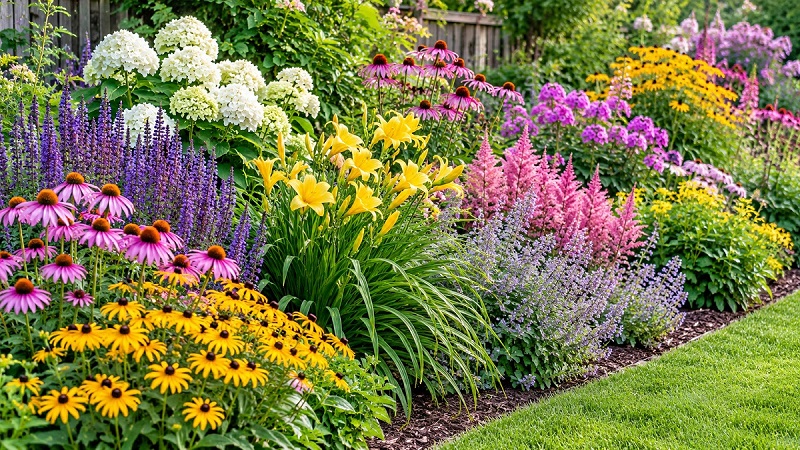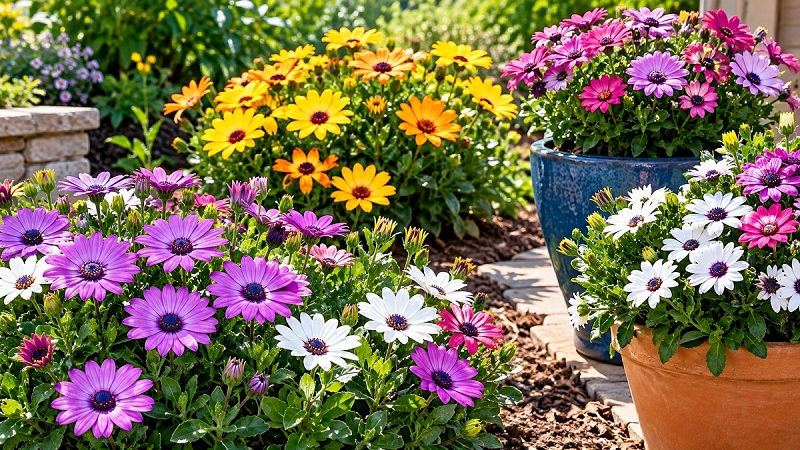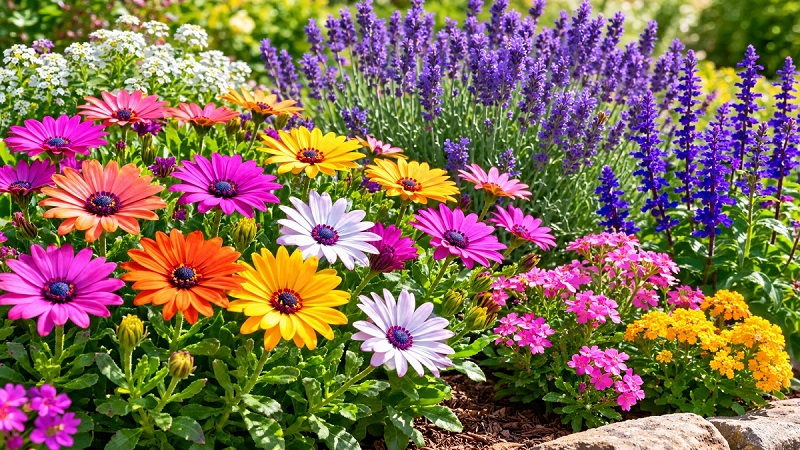
Best Companion Plants for African Daisies
Discover 12 of the best companion plants for African daisies, including lavender, salvia, verbena, alyssum, and gazania, plus planting and design tips.
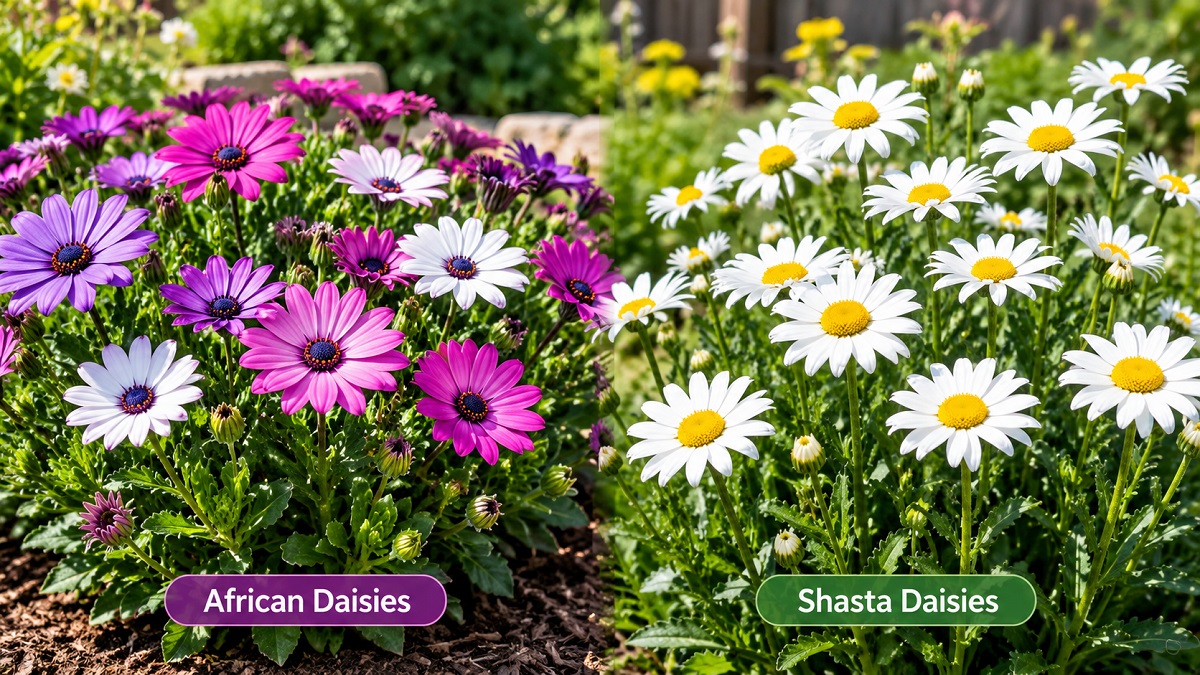
African daisies and Shasta daisies bring the cheerful look of daisy flowers to garden beds, borders, and containers, but they suit different growing conditions. African daisies are known for their colorful petals, compact growth, and excellent container performance, while Shasta daisies are classic white-flowered perennials that bring height and structure to flower borders.
Although both belong to the daisy family (Asteraceae), they differ in flower colors, foliage, temperature preferences, and long-term growth habits. Choosing between them becomes easier when you consider your local climate, available garden space, and the kind of display you want to create.
This guide compares African daisy (Osteospermum and related garden hybrids) with Shasta daisy (Leucanthemum × superbum), including their appearance, sunlight requirements, watering needs, flowering seasons, and practical care tips.
Quick answer: Choose African daisies for colorful flowers and containers; choose Shasta daisies for classic white blooms and perennial borders.
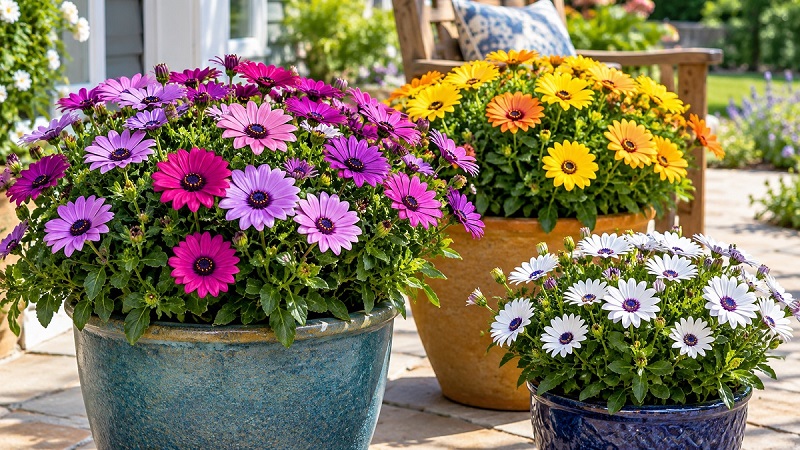
The easiest way to distinguish these plants is to look at their flowers and overall shape. African daisies are available in a broad range of colors, including purple, pink, white, lavender, and yellow, depending on the variety. Shasta daisies generally have white petals surrounding a golden-yellow center, creating a traditional daisy appearance.
Their growth habits also differ. Many African daisy cultivars remain relatively low and form spreading mounds, making them useful in pots, window boxes, and the front of sunny borders. Shasta daisies usually grow as upright, leafy clumps, with flower stems that rise above the foliage.
| Feature | African Daisy | Shasta Daisy |
|---|---|---|
| Botanical group | Osteospermum and related garden hybrids | Leucanthemum × superbum |
| Flower colors | White, pink, purple, lavender, yellow, and bicolors | Usually white with a yellow center; some cultivars differ |
| Typical shape | Compact mound or spreading plant | Upright, clump-forming perennial |
| Foliage | Often fleshy or slightly succulent, depending on species | Green, narrow to lance-shaped leaves with toothed edges |
| Best-known use | Containers, patios, sunny beds, and edging | Perennial borders, cottage gardens, and cut-flower displays |
| Soil preference | Well-drained soil | Moist but well-drained soil |
| Cold tolerance | Generally more frost-sensitive | Winter-hardy perennial in suitable climates |
| Long-term care | May need seasonal replacement in cold climates | Benefits from division every few years |
Neither plant is universally better. African daisies are particularly useful when flower color and container performance are priorities. Shasta daisies are a stronger choice for gardeners who want a familiar white daisy display that returns each year in a suitable climate.
African daisy is a common name used for several daisy-like plants, particularly those in the genus Osteospermum. Garden varieties are prized for their striking colors, neat foliage, and ability to produce numerous flowers in bright conditions.
Many popular cultivars form low, rounded plants with branching stems and flowers held above the foliage. Petals may be broad and smooth or slightly spoon-shaped, depending on the cultivar. Some flowers feature contrasting centers or two-tone petals that make them stand out in mixed plantings.
African daisies commonly have green leaves that may be fleshy, glossy, or slightly toothed. Depending on the variety, plants may remain compact or spread outward. Many cultivars reach approximately 12 to 18 inches in height, although size varies considerably across the wider group.
Their relatively compact form makes them easy to combine with other sun-loving annuals and perennials. They work particularly well in containers where their flowers can spill gently over the edges or fill gaps between taller plants.
Color is one of the strongest reasons to grow African daisies. Depending on the cultivar, flowers may be pink, purple, lavender, white, yellow, or multicolored. This range makes it easier to coordinate them with warm-colored flowers, cool-toned borders, or simple white-and-green planting schemes.
Many varieties flower heavily in spring and again during cooler periods later in the growing season. Some reduce flowering during intense summer heat, so performance depends on the cultivar, local weather, and growing conditions.
African daisies generally struggle in persistently wet soil. In hot climates, some afternoon shade can help reduce stress, particularly when temperatures become extreme. However, too little light may result in fewer flowers and looser growth.
Shasta daisy (Leucanthemum × superbum) is a garden perennial developed through hybridization and widely grown for its bright white flowers and golden centers. Its familiar appearance makes it a natural choice for cottage gardens, mixed perennial beds, and traditional flower borders.
Unlike many compact African daisies, Shasta daisies typically form upright clumps of green foliage. Flower stems rise above the leaves, producing an open display that is easy to see from a distance. Depending on the cultivar, flowers may be single, semi-double, or double.
Common Shasta daisy varieties often grow about 1 to 3 feet tall, although some cultivars can be shorter or taller. Their leaves are generally elongated and have toothed margins. As the plant matures, it forms a clump that can gradually expand.
This upright growth gives Shasta daisies a different role in garden design. They can provide a bright middle layer in a border, soften the edges of paths, or create a repeated rhythm when planted in groups.
The typical Shasta daisy has white ray petals surrounding a yellow central disc. Some cultivars have fuller, frilled, or double flowers, and a few selections offer pale yellow blooms. Nevertheless, white remains the defining color of the group.
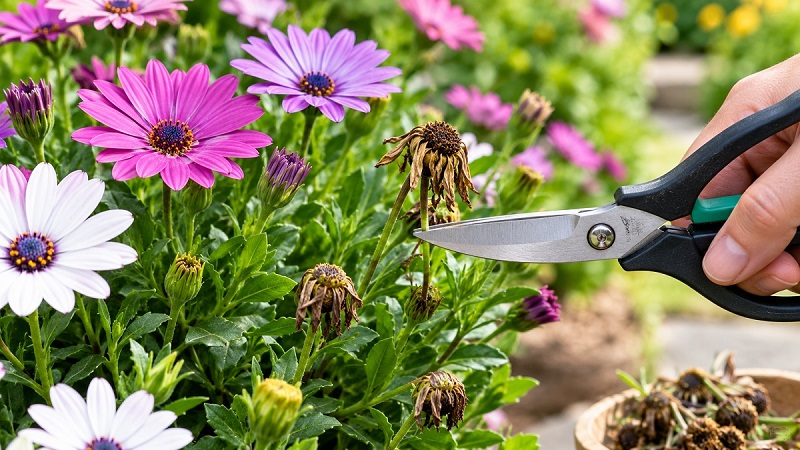
Blooming commonly begins in early summer and can continue into late summer, with timing influenced by the cultivar and climate. Removing faded flowers encourages a tidier appearance and may promote additional blooms.
Good drainage is especially important for Shasta daisies during wet weather and winter dormancy. Although established plants can tolerate some dry periods, prolonged drought may reduce flowering and weaken growth.
Flowers are often the deciding factor when choosing between these two plants. Both have the familiar daisy form, with a central disc surrounded by petal-like rays, but their colors and visual effects are noticeably different.
African daisy cultivars offer a wider color palette. Purple and lavender flowers can create a cool, calming effect, while pink and yellow varieties bring warmth to a sunny border. White cultivars are also available for gardeners who prefer a simpler look.
Some varieties have distinctive central markings or contrasting undersides to their petals. These details can make individual flowers particularly attractive in containers placed near seating areas, entrances, or balconies.
Shasta daisies provide a more consistent, traditional appearance. Their white petals and yellow centers work well with almost any flower color, including blue, purple, pink, red, and ornamental grasses.
The long, upright stems of many varieties also make them suitable for cutting. Fresh flowers can be arranged in simple bouquets or mixed with other summer garden flowers.
Which has the more colorful flowers? African daisies win for variety. Shasta daisies are the better option when you want a reliable display of classic white flowers.
Plant shape affects where a daisy fits into a garden. A low, spreading plant can cover the front of a bed, while a taller clump is often more effective in the middle of a border.
Many African daisies grow as compact mounds, often around 12 to 18 inches tall. Trailing types and certain hybrids can spread farther, so check the mature dimensions of the variety before planting it in a small pot or narrow bed.
Their relatively low profile makes them useful along sunny pathways, around container edges, and between taller flowering plants. They can also provide a colorful ground-level display without obscuring plants behind them.
Shasta daisies are generally more upright, with many common varieties reaching approximately 1 to 3 feet in height. Their clumping habit makes them easier to arrange in groups, particularly when you want repeated patches of white flowers.
Taller cultivars may need support in windy gardens or when their stems become heavy with flowers. Compact cultivars are available for smaller beds and containers, so Shasta daisies are not limited to large gardens.
| Growth feature | African Daisy | Shasta Daisy |
|---|---|---|
| Typical form | Rounded, compact, or spreading | Upright, clump-forming |
| Common height | Often 12–18 inches for popular hybrids | Often 1–3 feet for common varieties |
| Foliage texture | Often fleshy or glossy | Usually narrow, green, and toothed |
| Best placement | Front of beds, pots, and edging | Middle of borders and grouped perennial plantings |
Both daisies can provide an extended floral display, but the timing depends on the type of plant and the climate in which it is grown.
African daisies often flower during spring and cooler periods of the growing season. In mild weather, plants may continue producing buds for months. However, high temperatures can cause some cultivars to reduce flowering or pause temporarily.
If summer temperatures are very high, keep plants healthy by watering appropriately, ensuring good drainage, and considering light afternoon shade where needed. Flowering may resume as temperatures moderate.
Shasta daisies are primarily summer-flowering perennials. Depending on the variety, flowers may begin in early summer and continue through the season when plants receive enough light and moisture.
Removing faded flower heads prevents the plant from looking untidy and may encourage additional flowering. Once the main bloom has finished, follow the cultivar's recommended cutting-back and seasonal care routine.
For a longer combined display: Select African daisy cultivars that perform well in your cooler growing periods and pair them with Shasta daisies that flower in summer. This approach can extend the period of interest, although the exact overlap depends on local conditions.
Both plants flower best with plenty of light and soil that drains properly. Their main difference is how they respond to moisture, seasonal temperature changes, and the conditions around their roots.
African daisies generally prefer a sunny position. Bright light supports compact growth and encourages more flowers. In extremely hot climates, a little protection from harsh afternoon sun can help some varieties, especially in containers that heat up quickly.
Shasta daisies also perform best in full sun, although light partial shade can be beneficial in hot locations. Too much shade may lead to fewer flowers and weaker stems.
African daisies need free-draining soil. Heavy soil that stays saturated for long periods can damage roots, so improve the growing conditions before planting or use a container filled with a suitable potting mix.
Shasta daisies prefer moderately fertile soil that retains some moisture while allowing excess water to escape. Organic matter can improve soil structure, but drainage should remain a priority.
In areas with heavy monsoon rainfall, raised beds or well-drained containers can be useful for African daisies. Shasta daisies also need good drainage, especially in places where the soil stays wet for extended periods.
Neither daisy benefits from constant saturation. The best watering routine depends on the soil, pot size, weather, and stage of growth rather than a fixed schedule.
Water African daisies thoroughly, then allow excess water to drain. Check the upper layer of soil before watering again. Containers may dry faster than garden beds, particularly in warm, windy weather.
Avoid letting pots stand in saucers filled with water. If plants wilt during intense heat, check the soil first: dry soil may need watering, while wet soil may indicate a drainage problem.
Newly planted Shasta daisies need consistent moisture while their roots establish. Once established, they can tolerate some dry periods, but prolonged drought can affect their vigor and flowering.
Water near the soil rather than repeatedly wetting the foliage. This also helps keep the leaves dry and improves conditions for healthy growth.
African daisies generally do not need heavy feeding. A light application of a balanced fertilizer, following the product label, can support growth in nutrient-poor soil or containers. Excessive nitrogen may encourage leafy growth at the expense of flowers.
Shasta daisies usually grow well in reasonably fertile garden soil. Add compost when preparing the bed and use additional fertilizer only when soil conditions or plant performance justify it.
| Care task | African Daisy | Shasta Daisy |
|---|---|---|
| Watering approach | Water when the upper soil begins to dry | Keep evenly moist during establishment; reduce reliance on frequent watering once established |
| Drainage | Essential | Essential, particularly in wet weather |
| Fertilizing | Light feeding when needed | Moderate feeding based on soil fertility |
| Main concern | Waterlogged roots and excessive heat | Prolonged drought or poorly drained soil |
Climate is one of the most important considerations when choosing between these daisies. A plant that performs beautifully in a mild spring may struggle during a hot summer or a cold winter.
Many African daisy cultivars grow well during mild, sunny weather. Their performance can decline during prolonged extreme heat, especially when the roots dry out quickly or the plants experience afternoon stress.
In warm regions, try growing them during the cooler part of the year. In areas with intense summer sun, use containers that do not overheat and provide some afternoon protection if the cultivar shows signs of heat stress.
African daisies are generally more sensitive to severe frost than Shasta daisies. In colder climates, they are often treated as seasonal plants unless a particular cultivar is suitable for overwintering locally.
Shasta daisies are hardy perennials in suitable temperate climates. Many common varieties are listed for USDA hardiness zones 5–9, though the exact limits vary by cultivar and growing conditions.
They can be less dependable in places with prolonged extreme heat, especially if soil moisture is inconsistent. In hot climates, some afternoon shade and careful watering may improve performance, but suitability depends on the particular variety.
For gardeners in warm parts of India, neither plant should be assumed to thrive year-round outdoors simply because it is sold locally. African daisies may be most successful during milder months, while Shasta daisies may need a cooler growing season or a location with a more favorable microclimate.
Both daisies benefit from occasional tidying, but Shasta daisies need additional attention as perennial clumps mature.
Avoid aggressive pruning during extreme heat or when a plant is already severely stressed. Wait for more favorable conditions if the plant is struggling to recover.
Dividing Shasta daisies helps maintain vigorous growth and prevents clumps from becoming overcrowded. The best timing depends on the local climate, but avoid dividing plants during severe heat or drought.
These daisies can both add beauty to small and large gardens, but their different growth habits make them useful in different situations.
Healthy daisies grown in suitable conditions are generally easier to maintain. Many common problems arise from poor drainage, insufficient light, excessive heat, or inconsistent watering.
Give plants enough room for air to circulate, avoid overwatering, and remove dead or diseased material. Water at soil level when practical and inspect plants regularly so that problems can be addressed early.
Do not assume every yellow leaf or wilted stem is caused by a pest. Check soil moisture, drainage, and light exposure before applying any treatment.
The right choice depends on your priorities. Consider how much space you have, the local growing season, the flower colors you prefer, and whether you want a seasonal display or a returning perennial.
Both can be manageable for beginner gardeners. African daisies are convenient for containers and seasonal color, provided they receive enough light and the soil drains freely. Shasta daisies are a practical choice for gardeners in suitable climates who want a perennial border plant and are willing to divide mature clumps when needed.
Neither plant is automatically the best choice for every hot climate. African daisy flowering may slow during prolonged extreme heat, while Shasta daisies can also struggle with high temperatures and inconsistent moisture. For warm regions, look for locally proven cultivars and grow them during the season that best matches their needs.
African daisies are often the more straightforward choice for small sunny spaces because many cultivars remain compact and perform well in pots. However, dwarf Shasta daisy cultivars can also work in small beds and containers when their mature size is appropriate.
Yes. You can combine them in the same garden bed or use them in separate containers within a coordinated planting scheme. Their contrasting flowers can create an attractive display, especially when you combine colorful African daisies with the white blooms of Shasta daisies.
The key is to match their growing conditions as closely as possible. Both need good light and well-drained soil, but African daisies may prefer drier conditions between waterings, while Shasta daisies generally appreciate more consistent moisture during active growth.
In very hot weather, observe both plants closely. If one begins to struggle, adjust its watering or move its container to a more suitable position rather than assuming that both require identical care.
No. African daisies commonly refer to plants in the genus Osteospermum and related garden hybrids, while Shasta daisies are the hybrid perennial Leucanthemum × superbum. They belong to the same plant family but differ in appearance and growing requirements.
African daisies generally offer more color choices, including pink, purple, lavender, white, yellow, and bicolored varieties. Shasta daisies are best known for white petals and yellow centers, although some cultivars have different flower forms or pale yellow blooms.
Yes. Shasta daisies are herbaceous perennials in suitable climates. Their tops may die back seasonally, with new growth returning when conditions become favorable. Poor drainage, unsuitable temperatures, and overcrowding can shorten their lifespan.
It depends on the species or cultivar and the local climate. Some African daisies can persist as perennials in mild, frost-free conditions, while others are grown as seasonal plants. Check the requirements of the specific variety you purchase.
African daisies are often an excellent choice for pots because many varieties have compact or spreading growth and colorful flowers. Compact Shasta daisy cultivars can also grow in containers if the pot provides enough root space and good drainage.
Both generally flower best with plenty of sunlight. African daisies prefer bright conditions, while Shasta daisies perform well in full sun and may tolerate light partial shade. In very hot locations, some afternoon shade can reduce heat stress.
Water when soil moisture indicates that it is needed. African daisies generally prefer the soil to begin drying between waterings, whereas Shasta daisies benefit from more consistent moisture during establishment. Both require good drainage, and container plants may need more frequent checks.
Both can attract visiting pollinators. Shasta daisies are known to attract bees, butterflies, and other insects. African daisy flowers may also receive insect visitors, although their value depends on the cultivar and the availability of accessible pollen and nectar.
Some African daisy cultivars may struggle during prolonged, intense heat, particularly in exposed containers or poorly drained soil. In hot parts of India, try growing suitable varieties during milder months, provide appropriate sunlight, and protect plants from excessive heat stress. Local growing experience is the best guide to cultivar selection.
Shasta daisies are best suited to climates that meet their seasonal temperature requirements. Persistent tropical heat and humidity may make them difficult to maintain. A cooler local microclimate and a well-drained growing medium may help, but success is not guaranteed.
Yes. Removing faded flowers helps maintain a tidy appearance and can encourage further blooming. Use clean pruning shears when needed, and remove damaged or diseased foliage as part of routine maintenance.
Yes, provided the site offers adequate sunlight and good drainage. Place compact African daisies near the front and taller Shasta daisies farther back. Monitor soil moisture because the two plants may not need exactly the same watering frequency.
African daisies and Shasta daisies both bring the familiar charm of daisy-shaped flowers to the garden, but they serve different purposes. African daisies are ideal when you want colorful blooms, compact growth, and attractive container displays. Shasta daisies are better suited to classic white-flowered borders, cut-flower gardens, and perennial plantings in climates where they grow reliably.
Before buying either plant, consider your local temperatures, the length of the growing season, and how much maintenance you want to provide. Choosing a cultivar suited to your climate will usually make a greater difference than choosing one based on flower color alone.
Our recommendation: Grow African daisies for vibrant seasonal color and Shasta daisies for a traditional perennial display. If your garden has enough space and the climate suits both, growing them together offers a pleasing contrast between colorful flowers and classic white blooms.
Continue exploring our gardening guides with more plant profiles, growing tips, and practical advice for creating a healthy, productive garden.