Best African Daisy Varieties for Your Garden
Discover the best African Daisy varieties for gardens, containers, and borders, with colorful flowers, growth habits, and tips for choosing the right type.
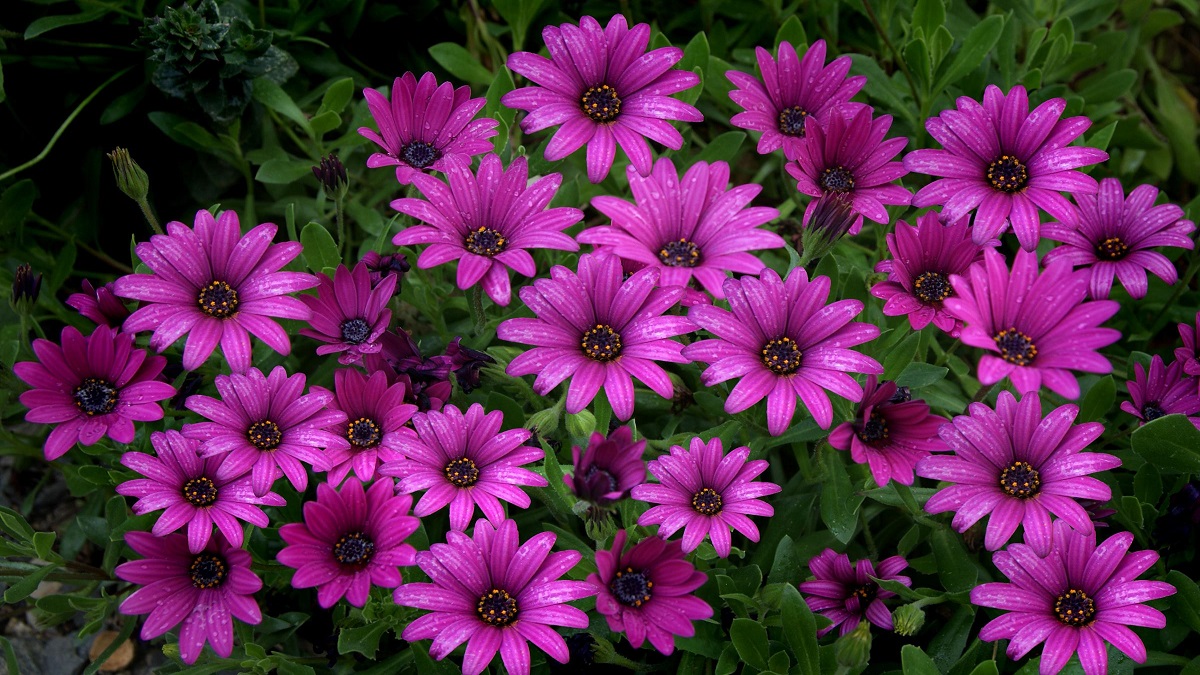
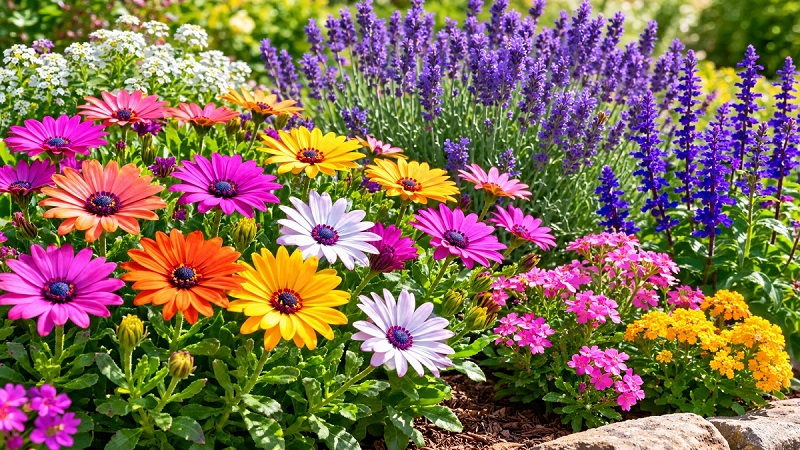
African Daisy is one of those plants that can quickly brighten a garden with very little fuss. Its flowers come in shades ranging from white and cream to pink, purple, lavender, and orange, often with a contrasting dark center. The blooms have a crisp, daisy-like appearance and stand above attractive green foliage, making the plant useful for borders, containers, rock gardens, sunny beds, and mixed flower displays.
The name African Daisy is commonly used for Osteospermum, a group of flowering plants native mainly to southern Africa. Many garden varieties are hybrids selected for flower color, compact growth, and repeat blooming. They prefer plenty of sunlight, moderate watering, and soil that drains freely. Once established, they are considerably more forgiving of short dry periods than plants that require consistently moist ground.
Although African Daisy is relatively easy to grow, it performs best when a few basic conditions are right. Poor drainage, excessive shade, overwatering, and prolonged heat combined with drought can all reduce flowering. Understanding how the plant responds to its environment makes it easier to keep it compact, healthy, and covered with blooms.
Best results: give African Daisy plenty of sun, excellent drainage, moderate water, and regular removal of faded flowers.
African Daisy usually refers to Osteospermum, a group of flowering plants belonging to the daisy family, Asteraceae. The plants are valued for their long flowering period, colorful blooms, branching habit, and ability to perform well in sunny locations.
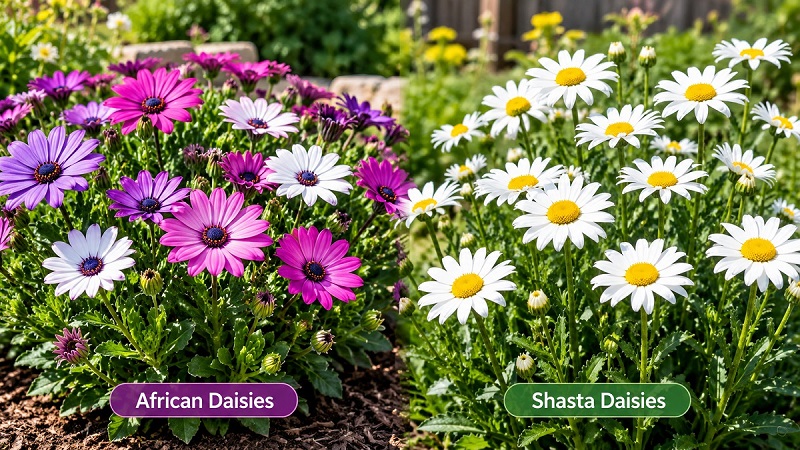
The flowers look like traditional daisies, but African Daisy varieties can have much more variation in color and form. Some have broad petals surrounding a dark central disc, while others have spoon-shaped or unusually curved petals. Modern garden cultivars are available in many combinations, so the plant can fit both informal cottage-style borders and neat container displays.
In warm climates, African Daisy can behave as a perennial and continue growing for several seasons. In colder areas, it is often treated as an annual or protected from frost. Its response also depends on the particular cultivar, so plants sold under the same common name may differ considerably in size, hardiness, and flowering behavior.
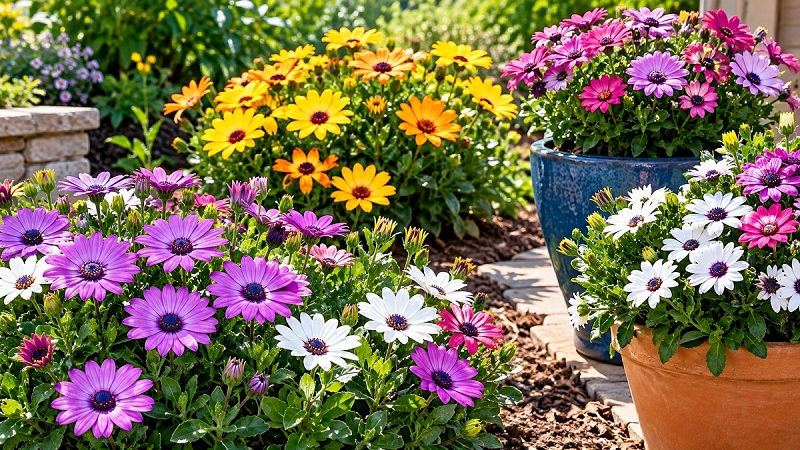
African Daisy is especially useful where a gardener wants bright flowers without creating a high-maintenance planting. It works well along pathways, around patios, in raised beds, and in containers where good drainage can be controlled easily.
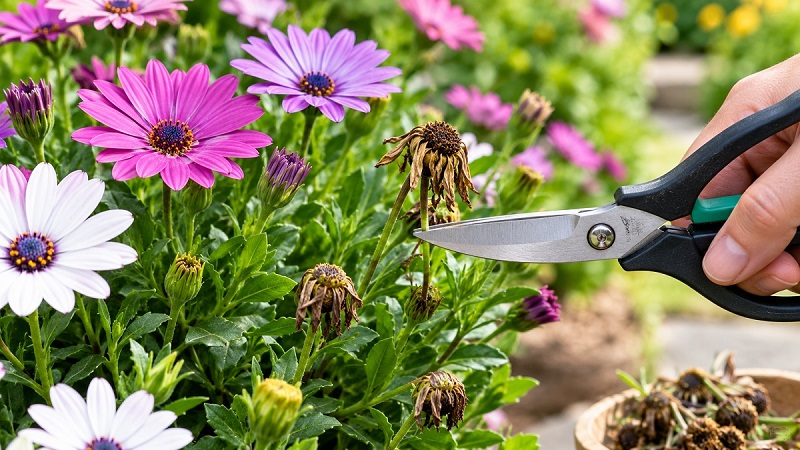
The foliage provides a green base even when the plant is between flushes of flowers, while regular deadheading can encourage a tidy appearance and continued blooming.
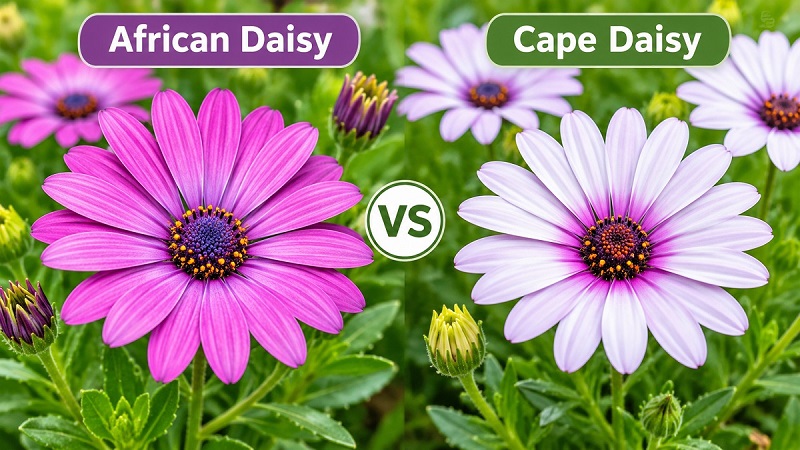
“African Daisy” is a common name rather than a single botanical species. Most ornamental plants sold under this name belong to Osteospermum. Check the plant label for the botanical name because care and mature size can vary among species and hybrids.
The following table provides a practical overview of the plant's typical requirements. Exact mature size, flower color, flowering season, and cold tolerance vary among species and cultivars.
| Characteristic | African Daisy |
|---|---|
| Common name | African Daisy, Cape Daisy |
| Common botanical group | Osteospermum |
| Family | Asteraceae |
| Native region | Southern Africa |
| Plant type | Perennial in mild climates; commonly grown as an annual in colder regions |
| Typical habit | Clumping, branching, and sometimes spreading |
| Sunlight | Full sun to bright partial sun |
| Soil | Well-drained soil with moderate fertility |
| Soil pH | Slightly acidic to neutral is generally suitable |
| Water requirement | Moderate; avoid prolonged waterlogging |
| Flower colors | White, cream, pink, purple, lavender, orange, and related shades |
| Flower shape | Daisy-like flower heads with ray florets surrounding a central disc |
| Flowering period | Often spring to autumn, depending on climate and cultivar |
| Propagation | Stem cuttings and seed |
| Best garden uses | Containers, borders, rock gardens, raised beds, and sunny flower beds |
African Daisy flowers best in a sunny position. Aim for several hours of direct sunlight each day, particularly during the morning and early afternoon. Bright light helps maintain compact growth and encourages the plant to produce more flower buds.
A little afternoon protection can be useful in regions where summer temperatures become extremely high. During intense heat, African Daisy may temporarily slow its flowering even when the plant is healthy. This does not necessarily mean it needs more fertilizer or water; excessive heat can simply shift the plant's growth priorities.
Plants grown in deep shade or locations receiving only filtered light often become less compact and produce fewer flowers. If your plant looks healthy but flowering is disappointing, moving it to a brighter position can make a noticeable difference.
Good drainage is more important than having exceptionally rich soil. African Daisy does not appreciate sitting in constantly wet ground, and compacted soil can make the problem worse by preventing excess water from moving away from the roots.
In garden beds, improve heavy soil with suitable organic matter and, where necessary, create raised planting areas to improve drainage. Do not simply add a small amount of coarse material to the bottom of a planting hole and expect it to solve poor drainage. Improving the structure of the surrounding soil is usually more effective.
For containers, choose a quality potting mix that drains freely. A container must also have drainage holes. Decorative pots without drainage can hold water around the roots and increase the risk of root problems.
A loose, moderately fertile soil is ideal. The growing medium should retain enough moisture to support active growth while allowing excess water to drain quickly. African Daisy generally performs well in soil that is not excessively rich in nitrogen.
Water newly planted African Daisy regularly while it establishes its root system. Once established, allow the upper layer of soil to dry somewhat between waterings rather than keeping it continuously saturated.
The exact watering frequency depends on temperature, rainfall, soil type, container size, and sunlight. Plants in small containers may need water considerably more often than established plants growing in the ground.
During hot, dry weather, check the soil rather than following a rigid calendar. If the surface has dried and the plant is beginning to show mild signs of water stress, water thoroughly at the base. Then allow excess water to drain away.
African Daisy usually does not need heavy feeding. A moderately fertile planting site can provide enough nutrients for good growth, particularly when the soil has been improved with compost or another suitable organic amendment.
If growth is weak or flowering is poor despite adequate sunlight and watering, a balanced fertilizer used according to the product label can help. Avoid excessive nitrogen because lush leafy growth is not always accompanied by better flowering.
Container-grown plants may require more regular feeding because nutrients are gradually removed through watering. Use a fertilizer appropriate for flowering plants and follow the manufacturer's recommended dilution and frequency.
Choose a location with good sunlight and free-draining soil. Before planting, loosen compacted ground and remove large stones, weeds, and debris from the planting area.
Dig a hole approximately as deep as the plant's root ball and somewhat wider. Set the plant at the same depth at which it was growing in its original container. Backfill around the roots without burying the crown or stem base too deeply.
Water thoroughly after planting. During the first few weeks, pay closer attention to soil moisture while the roots expand into the surrounding ground.
Spacing depends on the cultivar's mature size. Give each plant enough room for air circulation and branching rather than placing young plants according to their initial container size. Crowding can make maintenance harder and can increase humidity around the foliage.
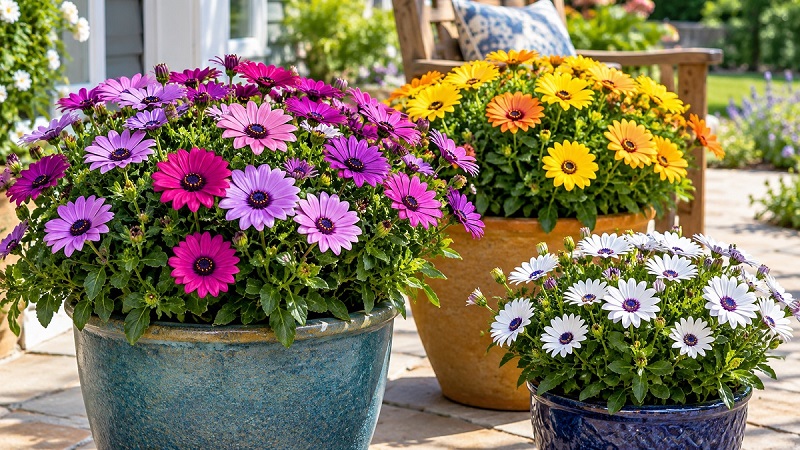
African Daisy is particularly well suited to containers because its flowering display can be positioned where it receives excellent sunlight. Use a pot with drainage holes and a free-draining potting mix.
Choose a container large enough to support the mature plant without making the planting difficult to manage. Very small pots dry out quickly, while oversized containers can hold more moisture than the root system can use.
Containers should be checked regularly during hot weather. A plant that receives full sun on a patio may lose moisture much faster than the same cultivar growing in a garden bed.
Good flowering begins with the right growing position. Strong light is usually the first requirement to check. If the plant has enough sunlight, maintain sensible watering and avoid excessive fertilizer.
Regular deadheading can also improve the appearance of the plant and encourage continued production of flower heads in many cultivars. Instead of allowing spent flowers to remain for a long period, remove them once they have faded and begun to decline.
African Daisy may also experience a temporary reduction in flowering during periods of extreme heat. Keep the plant adequately hydrated without turning the soil into a permanently wet environment. Flowering often improves again when temperatures become more moderate.
African Daisy generally needs only light pruning. Remove dead, damaged, or weak stems as needed. If the plant becomes leggy or loses its compact shape, trimming back some of the longer growth can encourage branching.
Deadheading is simple: remove faded flower heads along with a small portion of the stem above a healthy set of leaves. This keeps the plant looking cleaner and prevents energy from being directed toward seed production when the goal is continued ornamental flowering.
Avoid cutting the entire plant back aggressively unless the particular cultivar or growing conditions call for it. Moderate trimming is usually enough to maintain shape.
African Daisy can be propagated from seed or stem cuttings, although named hybrid cultivars are often propagated vegetatively to retain their particular flower color and growth characteristics.
Choose a healthy, non-flowering shoot and take a clean cutting several inches long. Remove the lower leaves and place the cutting into a suitable free-draining propagation medium. Keep the medium lightly moist but not saturated.
Place the cutting in bright, indirect light while it develops roots. High humidity can help reduce moisture loss, but excessive moisture around the cutting can encourage rot. Once a healthy root system has developed, gradually acclimate the young plant to stronger light before moving it into its final growing position.
Seed propagation is useful when growing suitable species or when experimenting with plants rather than trying to reproduce an exact named hybrid. Sow seeds in a clean, well-draining seed-starting medium and provide warmth, moisture, and bright light appropriate for germination.
Seedlings should be handled carefully once they are large enough to transplant. Gradually introduce them to outdoor conditions if they were started indoors.
| Problem | Possible Cause | What to Do |
|---|---|---|
| Few flowers | Insufficient sunlight, excessive nitrogen, heat stress, or cultivar characteristics | Increase light where possible, avoid excessive feeding, and maintain consistent care. |
| Yellow leaves | Overwatering, poor drainage, nutrient imbalance, or aging foliage | Check the roots and soil moisture before adding fertilizer. |
| Wilting | Dry soil, excessive heat, damaged roots, or waterlogged soil | Check soil moisture and drainage rather than assuming the plant simply needs more water. |
| Leggy growth | Too little light or insufficient pruning | Move to a brighter position and trim lightly to encourage branching. |
| Root problems | Persistent wet soil or poor drainage | Improve drainage and reduce unnecessary watering. |
| Flowers fading quickly | Natural aging, heat, or environmental stress | Deadhead faded blooms and maintain appropriate moisture. |
Healthy African Daisy is usually straightforward to maintain, but soft-bodied insects can occasionally become a problem. Aphids may cluster around tender shoots and flower stems, while whiteflies or other sap-feeding insects may appear when plants are stressed or growing in crowded conditions.
Begin by inspecting the undersides of leaves and the newest growth. A strong spray of water can dislodge some small pests. Encourage beneficial insects by avoiding unnecessary broad-spectrum insecticides, particularly when pest numbers are low.
If additional control is needed, insecticidal soap or horticultural oil can be considered when used according to the product label. Test treatments on a small portion of the plant first, especially during hot weather.
Many disease problems associated with African Daisy are encouraged by excessive moisture, poor air circulation, or prolonged wet foliage. Root and crown problems are particularly concerning when the plant is grown in poorly drained soil.
Water the soil rather than repeatedly wetting the foliage, provide adequate spacing, and remove badly damaged plant material. Avoid overwatering plants that are already showing signs of root stress.
Spring is an excellent time to plant African Daisy after the risk of damaging frost has passed in colder climates. Refresh container plants with new potting mix when necessary, begin regular watering as active growth increases, and remove damaged winter growth.
During summer, pay particular attention to watering. Containers can dry rapidly in full sun, while plants in heavy soil may suffer from excessive moisture after frequent rainfall. Deadhead regularly and provide some protection from extreme afternoon heat if the local climate is exceptionally hot.
In mild climates, African Daisy can continue flowering well into autumn. Reduce watering as temperatures fall and plant growth slows, while still preventing severe drought. Remove diseased or dead foliage before winter.
In frost-prone regions, many African Daisy cultivars are treated as annuals unless they can be overwintered in a protected location. Plants growing in containers can sometimes be moved into a bright, sheltered area when temperatures become unsuitable outdoors.
For most gardeners, caring for African Daisy can be reduced to a straightforward routine. Start with a sunny planting position and soil that drains well. Water deeply enough to moisten the root zone, then allow the surface to dry somewhat before watering again.
Check the plant every few days during active growth, especially if it is growing in a container. Remove faded flowers, watch for insects around tender growth, and inspect the leaves whenever the plant's appearance changes unexpectedly.
If flowering declines, check the basics before reaching for additional fertilizer. Light, drainage, watering, temperature, and pruning usually have a greater influence on the plant's performance than simply adding more nutrients.
Persistent wet soil, deep shade, overcrowding, and inconsistent watering are among the first conditions to investigate when an African Daisy looks unhealthy. Correcting the growing environment is often more effective than treating symptoms alone.
Yes. African Daisy is generally easy to grow when it receives plenty of light, moderate watering, and well-drained soil. Problems are more likely when the plant is kept too wet or grown in too much shade.
African Daisy flowers best with several hours of direct sunlight. Bright partial sun can work in some climates, but insufficient light commonly results in fewer flowers and looser growth.
Water when the upper portion of the soil has begun to dry rather than following a fixed schedule. Plants in containers and those exposed to hot, dry weather may require more frequent watering than established plants in the ground.
Insufficient sunlight is one of the first things to check. Excessive nitrogen, severe heat, inconsistent watering, and the natural flowering pattern of a particular cultivar can also contribute to reduced blooms.
Yes. Removing faded flower heads keeps the plant tidy and can encourage continued flowering in many cultivars. Cut spent blooms back to a healthy portion of the stem.
Yes. African Daisy is well suited to containers. Use a pot with drainage holes, a free-draining potting mix, and a sunny position. Container plants should be monitored more closely for rapid drying during hot weather.
It depends on the cultivar and local climate. African Daisy can behave as a perennial in mild regions but is often grown as an annual where frost or prolonged cold is severe. Check the hardiness information for the specific cultivar you grow.
African Daisy can be propagated from stem cuttings or seed. Cuttings are particularly useful when you want to retain the characteristics of a named garden cultivar.
Growing African Daisy successfully is mostly about getting the basics right. Give it a bright location, plant it in soil that drains well, water according to actual conditions, and avoid excessive feeding. Regular deadheading and occasional light pruning can keep the plant looking fresh and encourage a longer display of flowers.
Whether planted along a sunny border or displayed in a container, African Daisy offers an easy way to add color to the garden. Once you understand how the plant responds to sunlight, moisture, and temperature, it becomes a dependable choice for creating a bright seasonal flower display.
← Back to Plant GuidesContinue exploring our gardening guides with more plant profiles, growing tips, and practical advice for creating a healthy, productive garden.