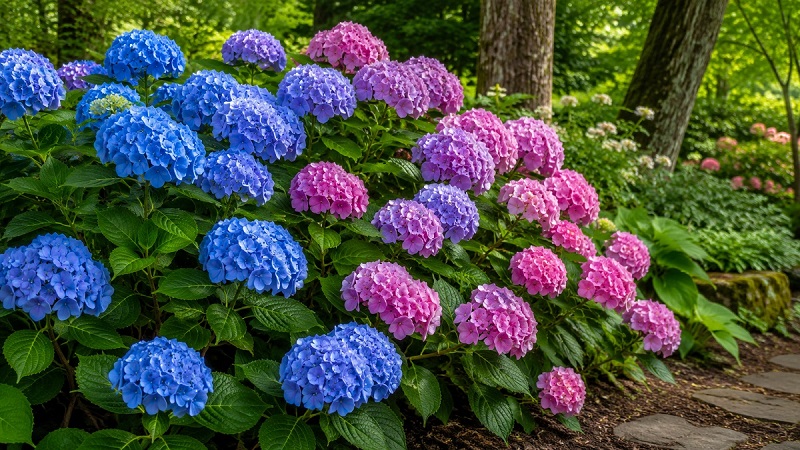
Growing & Caring for Bigleaf Hydrangeas (Hydrangea macrophylla)
Learn how to grow and care for Bigleaf Hydrangeas (Hydrangea macrophylla). Discover planting, watering, pruning, soil pH, flower color changes, winter care, and tips for healthy blooms.
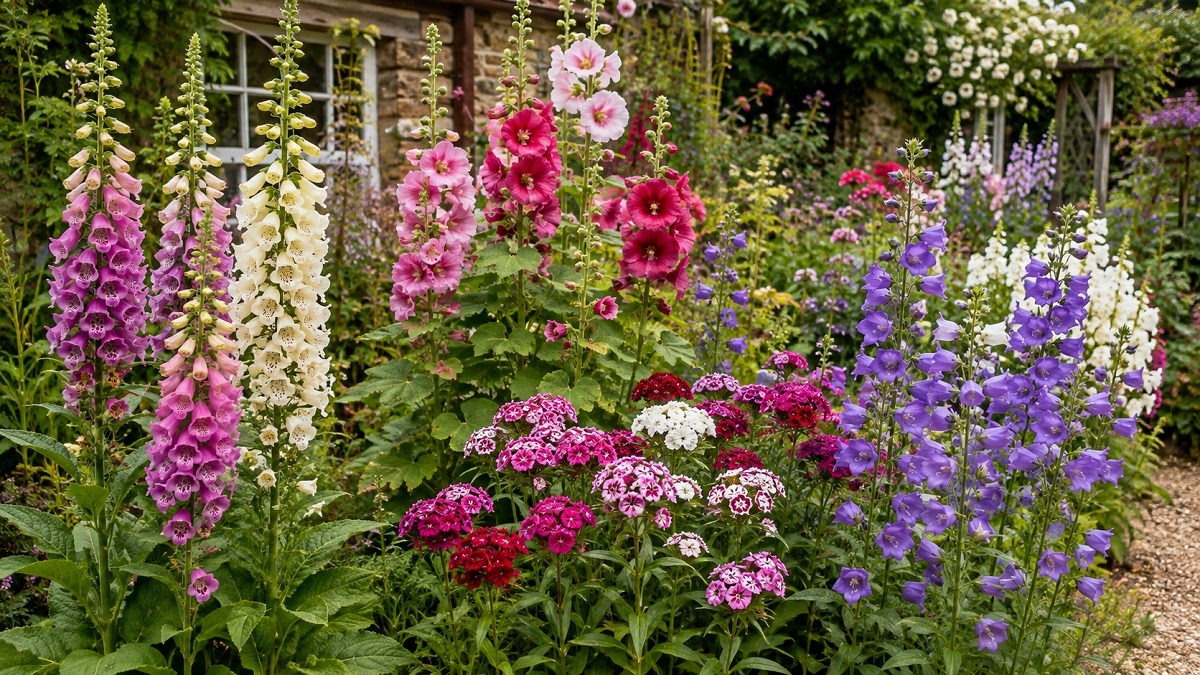
In the fast-paced rhythm of modern gardening, where instant gratification often dictates plant selection, biennials represent a patient, highly rewarding art form. These unique botanical treasures operate on a rhythmic, two-year biological timeline that confuses beginners yet deeply captivates seasoned horticulturists. While annuals race from seed to bloom in a single brief season and perennials slowly establish long-term persistence, biennials bridge the gap with dramatic grandeur. They spend their first year building robust underground root systems and lush vegetative rosettes, storing massive energy reserves specifically designed for an explosive, second-year floral display.
If you have ever marvelled at the majestic, eight-foot spires of Digitalis purpurea (Foxglove), the rich velvets of Dianthus barbatus (Sweet William), or the silver translucent coin-pods of Lunaria annua (Honesty), you have experienced the unmatched magic of biennial plants. In this comprehensive master guide, we will unearth every nuance of growing biennials: from physiological mechanisms like vernalization to summer seed sowing nursery beds, soil biochemistry, cold-hardiness management, design integration, and perpetual self-seeding colony maintenance.
Master the two-season rhythm with these fundamental culture parameters for optimal establishment and second-year bloom.
To cultivate biennials successfully, one must first align with their inherent biological clock. Plants are broadly categorized by their lifespan and reproductive strategy into three main groups: annuals, biennials, and perennials. Misunderstanding these distinctions often leads gardeners to discard perfectly healthy biennial rosettes at the end of their first autumn, mistaking their lack of flowers for failure.
Annuals (Monocarpic in One Season): Annual plants complete their entire biological existence—germination, vegetative stem growth, leaf production, flowering, seed setting, and mortality—within a single growing season. Examples include Zinnias, Marigolds, and Sunflowers. Their metabolic energy is directed toward rapid reproduction before winter frost terminates their life.
Biennials (True Monocarpic Two-Year Plants): True biennials require two distinct growing seasons, separated by a crucial period of winter chilling, to complete their lifecycle. During Year One, the plant focuses exclusively on vegetative development. It forms a dense clump of leaves known as a rosette, while sending down a sturdy taproot or expansive root network. It manufactures carbohydrates through photosynthesis and stores them in its crown and roots. Over winter, cold temperatures trigger hormonal transformations. In Year Two, driven by stored starches, the plant bolts rapidly, produces flowers and seeds, and then naturally dies.
Perennials (Polycarpic Multi-Year Plants): Perennials live for three or more years, flowering repeatedly (polycarpic) throughout their adult life. While some short-lived perennials (like Erysimum or certain Aquilegias) are grown like biennials because their floral vigor declines after two or three years, true biennials naturally perish after their singular, magnificent seeding event.
The life of a biennial is a masterclass in bio-energetics. Understanding what happens below and above the soil during each phase ensures you provide the exact environmental conditions needed at every critical junction.
The cycle begins when seeds germinate in late spring or early summer. Unlike spring-sown annuals that rush into bloom as daylight hours peak, biennials stay low to the ground.
With the arrival of warmer spring temperatures and longer days following winter cold, the stored reserves inside the crown break down into simple sugars.
Why don't biennials flower in their first summer? The barrier is a genetic safety mechanism called vernalization. Derived from the Latin word vernus (meaning "of the spring"), vernalization is the acquisition of a plant's ability to flower in the spring by exposure to the prolonged cold of winter.
Plants contain floral repressor genes (such as FLOWERING LOCUS C or FLC in model plant species) that suppress the genes necessary for flower development. During prolonged exposure to cold temperatures—typically between 32°F and 45°F (0°C to 7°C) over a period of 6 to 12 weeks—the expression of these repressor genes is epigenetically turned off.
Without this cold exposure, a biennial will remain in a vegetative rosette state indefinitely, continuing to produce foliage season after season without ever setting flower buds. This mechanism prevents the plant from flowering prematurely in autumn, when an impending frost would destroy its delicate blossoms and prevent successful seed reproduction.
Incorporating biennials into border designs brings vertical structure, vibrant texture, and historic charm. Here are eight outstanding species every gardener should know.
The undisputed monarch of the woodland border, Foxglove produces stately, tubular blossom spikes reaching 4 to 8 feet tall. Available in shades of creamy white, soft pink, deep rose, apricot, and purple, many cultivars feature exquisite speckled throats designed to guide bumblebees inside.
An iconic staple of cottage gardens, Hollyhocks soar up to 9 feet tall with large, saucer-shaped blossoms ranging from pristine white and soft pastel yellow to jet black ('Nigra'). They bring architectural height against fences, barn walls, and rear borders.
Prized for its spicy, clove-like fragrance and long-lasting cut flower stems, Sweet William forms dense, flat-topped clusters (corymbs) of fringed blooms in shades of crimson, pink, violet, and bicolors.
Grown both for its charming four-petaled spring blooms (in magenta or white) and its spectacular papery, silver seed pods (silicles) in autumn. The iridescent pods are prized worldwide for dried floral arrangements.
A classic Victorian favorite producing cascading bell-shaped blooms in deep blues, violet, pale pink, and pure white. The classic 'Cup and Saucer' variety (var. calycanthema) features an enlarged outer calyx that mirrors the inner flower cup.
Forming cloud-like mats of sky-blue, five-petaled blossoms with yellow centers, Forget-Me-Nots are the ultimate spring ground cover. They weave around tulips, daffodils, and alliums, creating breathtaking understory tapestries.
A native wildflower power plant, Evening Primrose produces fragrant, golden-yellow flowers that open quickly at dusk to attract sphinx moths and nocturnal pollinators. It thrives in lean, dry, gravelly soils where other plants struggle.
Exploding into bloom in very early spring, Wallflowers offer rich orange, golden, and mahogany blooms with an intoxicating honey-vanilla scent. They pair wonderfully with purple tulips and forget-me-nots.
Sowing biennials requires a mental shift from standard spring planting calendars. The optimal window for sowing biennials is late spring through mid-summer (May to July). Sowing during this window gives seedlings 12 to 16 weeks of warm weather to develop a mature rosette before winter dormant conditions set in.
Rather than taking up valuable space in your main ornamental borders during early summer, set aside a small, sheltered patch of soil in the vegetable garden or behind a shed as a "nursery bed."
For delicate or tiny seeds (like Digitalis, which require light for germination), sowing in seed flats or modular plug trays provides greater control.
Biennials spend many months in the ground, bridging hot summers and freezing winters. Soil conditions directly dictate whether a plant survives winter or succumbs to crown rot.
The single greatest killer of overwintering biennial rosettes is soggy, waterlogged soil. Water sitting around the crown during freeze-thaw cycles causes tissue necrosis and fungal rot.
Over-fertilizing biennials with high-nitrogen fertilizers during Year One is a common mistake. High nitrogen produces soft, sappy foliage that is vulnerable to frost damage and pest infestation.
While biennials inherently require cold temperatures to trigger vernalization, severe arctic blasts, drying winter winds, and soil frost-heaving can threaten young rosettes.
In harsh northern regions, snow cover acts as an excellent natural insulator. However, in snow-free winters with extreme sub-zero winds, take these protective measures:
In moderate winter regions, alternating freezes and thaws can lift shallow-rooted biennials out of the soil (frost-heaving), exposing roots to cold air. Inspect rosettes after winter thaws and gently press heaved plants back into the soil, topping with grit or compost.
Integrating biennials into landscape designs requires tactical planning because their presence shifts between years. When used creatively, they bring dynamic energy and naturalism that permanent perennials cannot duplicate.
Because biennials stay in the garden across multiple seasons, they can host overwintering pests and fungal spores. Proactive management ensures clean foliage and robust flowering.
This devastating fungal disease manifests as bright orange-yellow spots on upper leaf surfaces and rusty brown pustules underneath. Left unchecked, lower foliage turns brown, shrivels, and drops.
Common on late-season Campanula and Dianthus during warm, dry days with high humidity. Treat with organic potassium bicarbonate sprays or neem oil, and maintain consistent root zone moisture.
Slugs adore tender young biennial rosettes during autumn and early spring, particularly Digitalis and Campanula. Protect rosettes using organic iron phosphate bait pellets, copper tape around nursery beds, or evening hand-picking.
Use this handy reference table to match the ideal biennial species to your garden's specific light, soil, and spatial requirements.
| Botanical Name | Common Name | Height Range | Sun Light Needs | Soil Moisture | Hardiness Zones | Primary Feature |
|---|---|---|---|---|---|---|
| Digitalis purpurea | Foxglove | 4 – 8 ft | Partial Shade / Sun | Moist, Well-Drained | Zones 4 – 9 | Towering Bell Spires |
| Alcea rosea | Hollyhock | 5 – 9 ft | Full Sun | Moderate / Dry-Tolerant | Zones 3 – 9 | Architectural Blooms |
| Dianthus barbatus | Sweet William | 1 – 2.5 ft | Full Sun / Light Shade | Well-Drained / Neutral | Zones 3 – 9 | Fragrant Cut Flowers |
| Lunaria annua | Honesty / Silver Dollar | 2 – 3 ft | Part Shade / Full Sun | Average / Moist | Zones 4 – 8 | Translucent Seed Pods |
| Campanula media | Canterbury Bells | 2 – 3 ft | Full Sun / Light Shade | Moist, Fertile | Zones 4 – 9 | Vibrant Bell Clusters |
| Myosotis sylvatica | Forget-Me-Not | 6 – 12 in | Part Shade / Sun | Moist, Rich | Zones 3 – 8 | Spring Groundcover |
| Oenothera biennis | Evening Primrose | 3 – 5 ft | Full Sun | Dry / Lean Gravelly | Zones 3 – 9 | Night-Blooming Nectar |
| Erysimum x marshallii | Siberian Wallflower | 1 – 1.5 ft | Full Sun | Sharp Drainage / Alkaline | Zones 4 – 8 | Early Honey Scent |
Embracing biennials brings a rich sense of seasonal harmony to your garden. By understanding their two-year cycle, honoring their vernalization needs, and giving young rosettes proper winter care, you can build a self-sustaining tapestries of blooms that return year after year. Start your nursery bed this summer, and unlock one of gardening's greatest classical rewards!
Continue exploring our gardening guides with more plant profiles, growing tips, and practical advice for creating a healthy, productive garden.