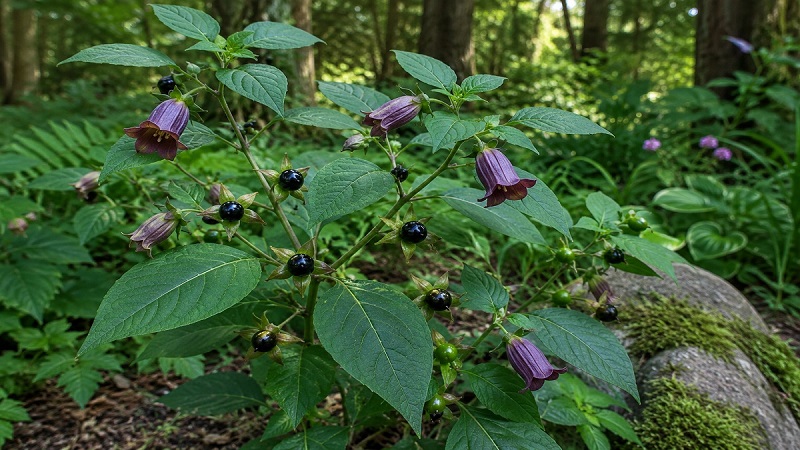
Growing & Caring for Belladonna
Learn how to grow and care for Belladonna (Atropa belladonna), also known as Deadly Nightshade. Discover planting, soil, watering, propagation, pruning, safety precautions, pests, and expert growing tips.
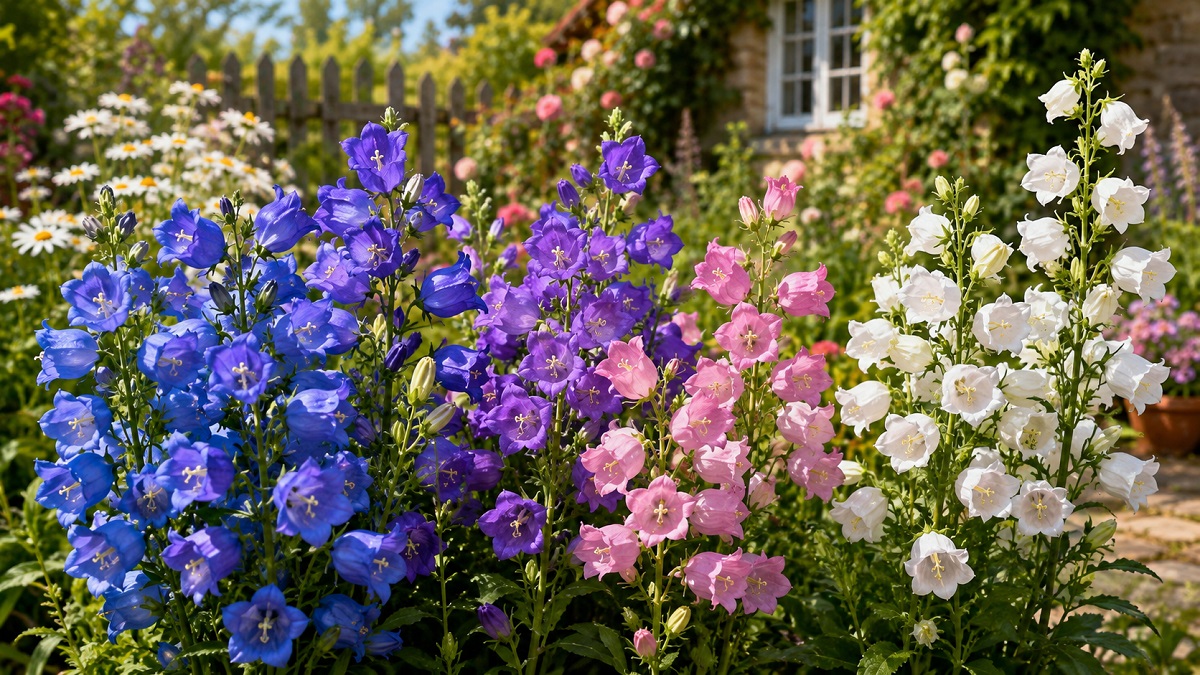
Few plants bring the dreamy charm, delicate geometry, and vibrant jewel tones to a landscape quite like Bellflowers (Campanula). Whether you are aiming to carpet a rocky slope with cascading violet blooms, add whimsical height to a classic English cottage garden border, or tuck bright blue accents into patio containers, the vast Campanula genus has a variety tailored for your space. These enduring garden favorites are renowned for their cheerful, bell-shaped flowers that bloom in shade-spanning hues of deep purple, violet-blue, lavender, pink, and pristine white.
Despite their delicate, fairytale appearance, bellflowers are remarkably hardy, resilient, and beginner-friendly perennials. However, mastering their long-term health requires understanding their specific light demands, soil preferences, watering rhythms, and growth habits. In this comprehensive masterclass, we will walk through every aspect of growing and caring for bellflowers—from species selection and seed starting to seasonal maintenance, propagation, and pest management.
The genus Campanula encompasses more than 500 individual species and hundreds of cultivars, ranging from tiny alpine mat-forming groundcovers barely rising 2 inches off the earth to towering border perennials reaching heights over 4 feet. The name Campanula is derived from the Latin word for "little bell," perfectly capturing the pendulous, flared flower shape that defines the family.
Native predominantly to the temperate regions of the Northern Hemisphere—particularly the Mediterranean region and Caucasus mountains—bellflowers have naturally adapted to rocky cliffs, woodland edges, meadowlands, and alpine slopes. This diverse origin means that while most bellflowers enjoy consistent moisture and full sun, certain alpine varieties thrive in sharp drainage and drier, sun-drenched rock pockets, while woodland species prefer dappled shade and organic humus.
Most cultivated bellflowers are long-lived herbaceous perennials, though the genus also includes biennials (such as the famous Canterbury Bells) and annuals. Their flowers are immensely attractive to beneficial pollinators, drawing bumblebees, native bees, butterflies, and hummingbirds into the garden throughout the warm summer months.
Because the genus is so massive, choosing the right bellflower starts with knowing which growth habit fits your garden design. Below is a breakdown of the most widely grown and reliable bellflower varieties available to home gardeners:
| Botanic Name | Common Name | Height / Spread | Growth Habit | Best Garden Use |
|---|---|---|---|---|
| Campanula persicifolia | Peach-Leaved Bellflower | 24" - 36" / 12" - 18" | Upright, clumping tall stems | Cottage garden borders, cut flower beds |
| Campanula carpatica | Carpathian Bellflower | 6" - 12" / 12" - 18" | Low, mounding cushion | Edging borders, rock gardens, containers |
| Campanula portenschlagiana | Dalmatian Bellflower | 4" - 8" / 18" - 24" | Vigorous creeping groundcover | Retaining walls, rockeries, path margins |
| Campanula medium | Canterbury Bells | 24" - 36" / 12" - 18" | Tall biennial rosette | Showy traditional garden backdrops |
| Campanula glomerata | Clustered Bellflower | 12" - 24" / 18" - 24" | Spreading dense clusters | Pollinator gardens, naturalizing beds |
| Campanula poscharskyana | Serbian Bellflower | 6" - 10" / 24" - 36" | Trailing, star-shaped creeping | Ground cover under shrubs, stone wall draping |
Detailed Look at Standout Varieties:
The ideal times to plant bellflowers are during the mild weather windows of spring or early autumn. Planting in early spring (after the threat of hard freezes has passed) allows root systems to establish before summer heat sets in. Autumn planting is equally successful in zones 4 through 8, giving plants a head start on root development during the cool moist months before spring growth begins.
To get the best bloom performance out of your Campanula, select a location that matches these environmental parameters:
1. Soil Texture & Drainage: Soil structure is paramount. Bellflowers adapt to clay, loam, or sandy soils provided drainage is good. If your garden has dense clay soil that retains water, amend the planting area heavily with organic compost, leaf mold, and fine grit or coarse sand to elevate the bed and improve aeration.
2. Soil pH: Bellflowers are relatively flexible regarding soil acidity but thrive most in neutral to slightly alkaline conditions (pH 6.0 to 7.5). If your soil is acidic (below pH 5.8), a light top-dressing of garden lime during planting can help optimize nutrient absorption.
Once established, bellflowers possess moderate drought tolerance, but they look their best with consistent hydration. During the active growing spring and summer season, aim for approximately 1 inch of water per week from rain or manual irrigation.
When watering, direct the hose at the soil line near the base of the plant rather than overhead spraying. Wet foliage—especially on dense mat-forming creeping bellflowers—can encourage fungal infections such as powdery mildew or rust. Apply a 2-inch layer of organic mulch (shredded bark or compost) around the root zone to conserve soil moisture, suppress weed competition, and keep root systems cool during summer heat waves.
Bellflowers are light to moderate feeders. Over-fertilizing, particularly with high-nitrogen fertilizers, leads to floppy stems, excessive lush leafy growth, and sparse flower output.
Apply a balanced, slow-release granular fertilizer (such as a 10-10-10 formula) or a generous layer of rich organic compost around the base of the plants in early spring as new growth emerges. If growing bellflowers in pots or lean sandy soils, you can apply a diluted liquid organic kelp/fish emulsion every 4–6 weeks throughout the summer bloom season to sustain flower production.
Deadheading—removing spent, faded flowers—is the single most effective trick to prolonging the bellflower bloom season. As individual flowers begin to shrivel, snip them off right below the bloom base. For tall upright varieties like C. persicifolia, once the entire central stalk has finished blooming, cut the flower stem down to the leafy basal rosette. This encourages the plant to put energy into developing side shoots, often yielding a second flush of blooms in late summer or early autumn.
In late autumn after several hard frosts have turned the top foliage brown, cut perennial bellflowers back to within 1 to 2 inches of the soil line. For semi-evergreen creeping groundcover varieties (like C. portenschlagiana), leave the healthy green basal leaves intact over the winter; simply trim away dead growth in early spring.
Bellflowers are remarkably cold-hardy, with many species surviving down to USDA Zone 3 (-40°F/-40°C). In areas with harsh winters but little snow cover, alternate freezing and thawing cycles can cause shallow root crowns to heave out of the soil. Apply a 3-inch blanket of clean straw or evergreen boughs over the crown after the ground freezes solid in late autumn to insulate the plant until spring thaw.
Over time, perennial bellflower clumps expand and can become overcrowded at the center, leading to smaller blooms and reduced vigor. Propagating your plants every 3 to 4 years keeps them healthy and supplies you with free plants to expand your borders.
Division is best done in early spring or early autumn when temperatures are mild:
• Gently dig around the root ball using a spade or garden fork, lifting the entire clump out of the ground.
• Carefully tease or slice the crown into smaller sections using a sharp, sanitized knife. Ensure each new division has at least 3–5 healthy green shoots and a sturdy cluster of roots attached.
• Replant the divisions immediately into prepared soil at the original depth, soaking them thoroughly with water.
Starting bellflowers from seed is straightforward, but it requires light to germinate.
Sow seeds indoors 6 to 8 weeks before your region's last expected spring frost. Press the fine seeds lightly onto the surface of damp, sterile seed-starting mix. Do not cover the seeds with soil, as light is required for germination. Maintain a temperature around 65°F to 70°F (18°C–21°C) and keep the soil medium consistently moist using a spray bottle mister or bottom-watering tray. Seeds typically germinate within 14 to 21 days.
Bellflowers are relatively trouble-free, but like any garden perennial, they can run into minor issues. Early identification makes resolving problems quick and simple:
| Issue / Symptom | Likely Cause | Prevention & Solution |
|---|---|---|
| Chewed foliage, ragged holes in leaves | Slugs & Snails | Apply organic iron-phosphate slug bait, use copper tape, or set out beer traps near groundcover plants. |
| White powdery coating on foliage | Powdery Mildew | Improve air circulation, avoid overhead watering, apply neem oil or potassium bicarbonate spray. |
| Orange/red spots on leaf undersides | Rust (Fungal disease) | Remove and dispose of infected leaves immediately; avoid wetting foliage; apply copper fungicide. |
| Yellowing, soft, mushy leaf bases | Root Rot / Overwatering | Ensure well-draining soil, reduce watering frequency, elevate planting beds with organic sand/grit. |
| Stunted growth, tiny webbing under leaves | Spider Mites | Increase humidity, spray foliage undersides with strong water jets or insecticidal soap. |
Browse through our collection of comprehensive plant profiles to find the perfect additions to your sunny landscape borders and native meadows.