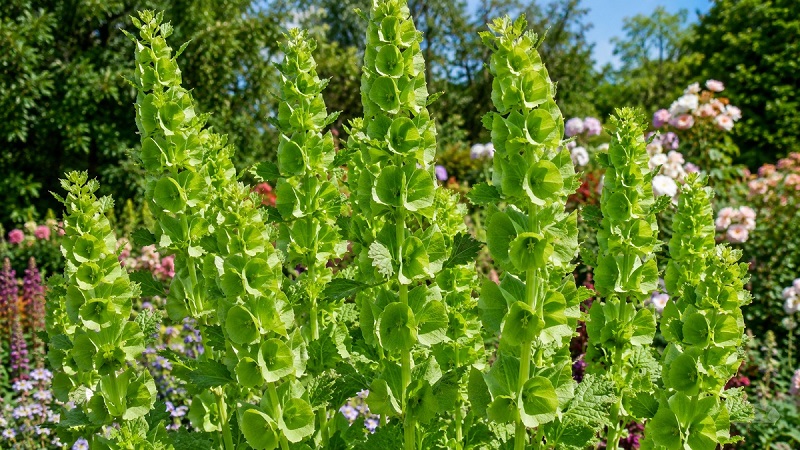
Growing & Caring for Bells of Ireland (Moluccella laevis)
Learn how to grow and care for Bells of Ireland (Moluccella laevis). Discover planting, germination, soil, watering, harvesting, and expert growing tips.
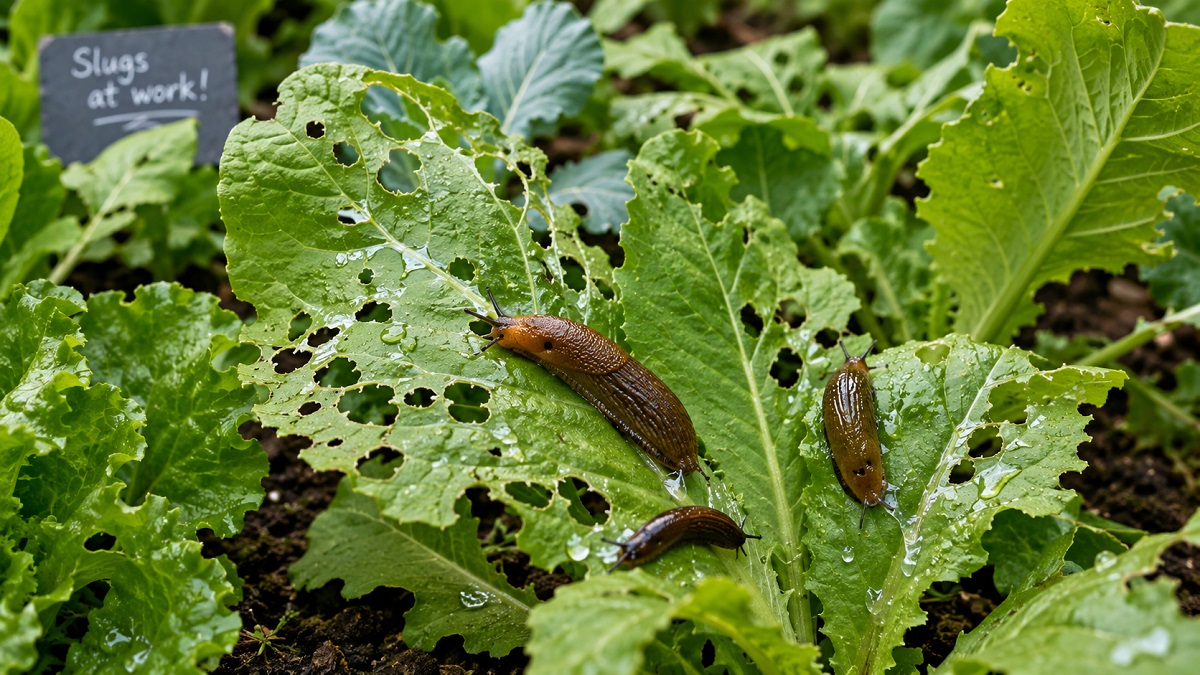
If you have ever walked out to your vegetable patch early in the morning only to find your prized hostas shredded into lace or your delicate pepper seedlings decapitated at soil level, you already know the quiet frustration of dealing with slugs. These nocturnal mollusks are among the most persistent, ravenous, and adaptable pests faced by growers worldwide. Yet, fighting slugs does not require nuking your soil with toxic chemicals or spending every waking evening hunting with a flashlight.
Managing slugs successfully comes down to understanding their biological needs—moisture, shelter, and soft plant tissues—and using a layered strategy that systematically disrupts those needs. In this comprehensive guide, we will explore the biology of garden slugs, learn how to identify their specific damage patterns, compare every major organic and mechanical control method, and build a multi-tiered defense plan that protects your garden year-round.
To control slugs effectively, you must think like one. Slugs are terrestrial gastropod mollusks without outer shells, making them exceptionally vulnerable to desiccation (drying out). This single physiological constraint explains almost everything about how they behave, feed, and hide in your landscape.
Slugs are primarily composed of water. To survive, they require environments with relative humidity levels near 100%. During bright, dry, or windy daylight hours, they retreat into dark, moist microclimates—under mulch layers, inside compost heaps, beneath stone pavers, around raised bed boards, or inside cool soil crevices. As the dusk settles and relative humidity climbs, they emerge to feed on plant tissue.
Recognizing that slugs are entirely dependent on moisture gives you a huge tactical advantage. When you modify your watering habits or reduce dense cover near vulnerable plants, you immediately make the immediate ecosystem hostile to them.
Not all damaged leaves are caused by slugs. Caterpillars, earwigs, Japanese beetles, and hail can leave behind ragged foliage. However, slug damage has a few unmistakable signatures that set it apart.
| Damage Feature | Slug Damage | Caterpillar Damage | Earwig Damage |
|---|---|---|---|
| Hole Pattern | Irregular, smooth-edged holes inside leaves and ragged leaf margins. | Neat, rounded, or large chewed sections, often leaving leaf veins intact (skeletonization). | Small, jagged, lace-like holes; often targets tender petals and soft shoots. |
| Visible Traces | Silvery, dried mucus trails across foliage, soil, or containers. | Dark pellets of frass (droppings) on lower leaves or stem nodes. | No trail, but pests hide in tight plant clusters during daylight. |
| Preferred Plants | Hostas, strawberries, lettuce, marigolds, seedling stems, soft brassicas. | Cabbage, tomatoes, parsley, kale, fruit trees. | Dahlias, zinnia petals, soft fruit blossoms, soft vegetable shoots. |
| Time of Feeding | Strictly nocturnal or during overcast, rainy daytime hours. | Day and night, depending on species. | Exclusively nocturnal. |
If you notice tender seedlings cleanly severed at the soil surface, or smooth-edged holes coupled with shiny, iridescent trails gleaming in the morning light, you are almost certainly dealing with a slug infestation.
Cultural controls are your first line of defense. By making small adjustments to your daily routine and garden structure, you can dramatically suppress the local slug population without applying a single product.
Watering late in the afternoon or evening is like putting out a welcome mat for slugs. Evening overhead watering keeps leaf canopies and topsoil soaked all night long, allowing slugs to travel freely and comfortably across your beds.
Instead, switch entirely to drip irrigation or hand-watering at the soil line during the early morning hours. Morning moisture soaks deep into the root zone while allowing the surface soil and foliage to dry completely under the sun. By nightfall, the top layer of dirt or mulch becomes dry and scratchy, creating a physical barrier that slows down slug movement.
Deep layers of coarse organic mulch (such as thick straw or wood chips) provide an ideal humid sanctuary right at the base of your plants. While mulch is wonderful for conserving soil moisture, it can turn into a haven for pests if placed incorrectly.
Lightly tilling or hoeing the top inch of soil in early spring and late autumn exposes subterranean slug egg clusters to predators like birds and ground beetles. It also exposes eggs to drying air currents, killing them before they hatch into spring's first wave of hungry garden pests.
When cultural modifications aren't enough—especially in damp climates—physical barriers and active traps offer reliable, chemical-free protection.
Copper is widely considered the gold standard for physical slug barriers. When the slime secreted by a slug comes into contact with pure copper, a micro-galvanic reaction occurs. This creates a mild, harmless electrical impulse that acts as an immediate deterrent, forcing the slug to turn around.
Food-grade Diatomaceous Earth consists of fossilized, microscopic silicates that slice into the soft membranes of crawling insects and mollusks, drying them out. Crushed eggshells, coarse builders' sand, and wood ash are also common homemade alternatives.
Note on DE and abrasive dusts: While effective in dry conditions, these powders lose their sharp texture and efficacy as soon as it rains or when high humidity dampens the powder. Reapply after every rainstorm to maintain protection.
The classic beer trap remains one of the most popular backyard remedies. Slugs are strongly attracted to the yeast and fermented sugars produced during brewing.
Nature offers robust checks and balances for keeping slug populations down. Creating a garden ecosystem that welcomes natural predators is the most sustainable approach to long-term control.
A diverse garden attracts creatures that consider slugs a delicacy:
For severe, widespread infestations, microscopic beneficial nematodes offer a targeted biological solution. These microscopic roundworms are mixed into water and applied to damp soil using a watering can.
Once applied, the nematodes seek out slugs underground, enter through natural body openings, and release a bacterium that halts the slug's feeding within days. The nematodes then reproduce inside the host, releasing new generations into the soil to continue hunting. This biological control is completely safe for birds, pets, earthworms, and humans.
When non-chemical controls aren't enough, commercial baits can help knock down large populations quickly. However, choosing the right active ingredient is critical for protecting pets, local wildlife, and overall soil health.
| Active Ingredient | Safety Profile | Mode of Action | Environmental Impact |
|---|---|---|---|
| Iron Phosphate (e.g., Sluggo, Escar-Go!) |
High Safety Safe for pets, wildlife, birds, and beneficial insects when used as directed. Approved for organic gardening. |
Disrupts the slug's calcium metabolism in its digestive tract. Slugs stop feeding immediately and crawl underground to die peacefully. | Breaks down naturally into iron and phosphate—two essential plant nutrients already found in soil. |
| Metaldehyde (Traditional Baits) |
HIGH RISK / TOXIC Highly toxic to dogs, cats, native birds, hedgehogs, and mammals if ingested. |
Causes swift, severe dehydration and excessive slime production on surface soil. | Leaves persistent chemical residues. Restricted or banned in many regions due to wildlife toxicity risks. |
A common mistake gardeners make with iron phosphate pellets is piling them up in heavy clumps near plant bases. This is inefficient and makes the bait less enticing.
Instead, scatter the pellets lightly and evenly across the entire soil bed, aiming for roughly 1 to 2 inches of space between individual grains. This creates a wide bait zone that catches wandering slugs early in the night before they ever reach your crops.
If specific areas of your yard are permanently damp or shady, consider planting species that slugs naturally avoid. Slugs generally stay away from plants with thick, leathery leaves, hairy foliage, strong aromatic oils, or tough, fibrous stems.
Effective slug control isn't a one-time chore; it changes with the seasons. Follow this simple calendar to keep populations low all year long.
Browse through our collection of comprehensive plant profiles to find the perfect additions to your sunny landscape borders and native meadows.