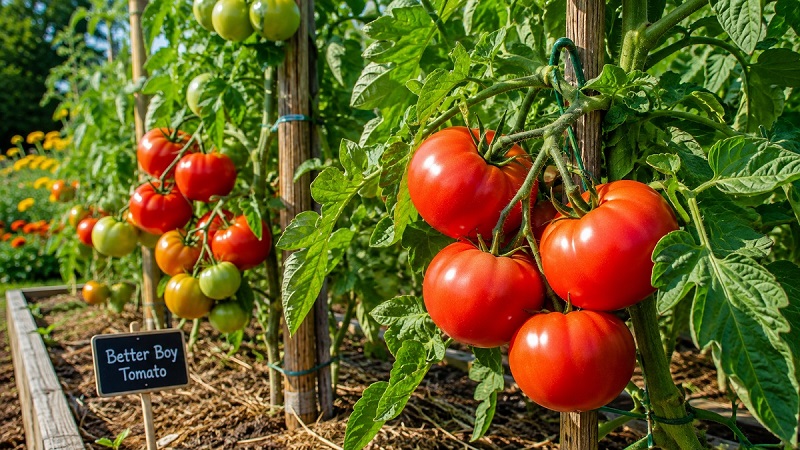
Growing & Caring for Better Boy Tomatoes
Learn how to grow Better Boy tomatoes with expert tips on planting, soil, watering, fertilizing, pruning, pest control, staking, harvesting, and maximizing delicious, high-yield crops.
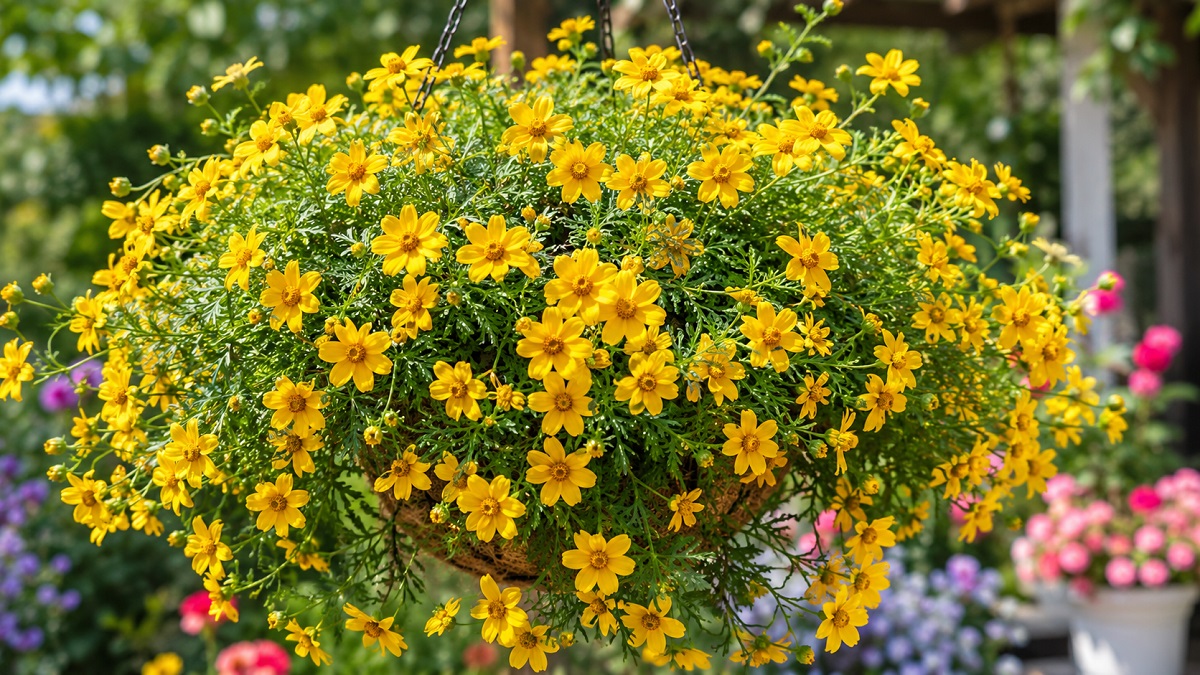
If you have ever caught a glimpse of a cascading hanging basket overflowing with brilliant, star-shaped yellow blossoms that seem completely unfazed by summer heatwaves, chances are you were admiring Bidens. Known colloquially as Beggarticks, Tickseed Sunflower, or Fern-leaved Beggarticks, this resilient member of the Asteraceae (daisy) family has transformed over recent decades from a wild, unruly meadow plant into one of the most coveted annual bedding and container showstoppers in modern horticulture.
Historically, wild varieties of Bidens carried a mixed reputation due to their barbed seeds that hitch rides on socks, trousers, and pet fur—hence the common name "beggarticks." However, modern plant breeding has yielded extraordinary ornamental cultivars. These contemporary hybrids boast compact growth habits, larger blooms, sterile seed production (meaning no pesky burrs!), and an astonishing array of colors ranging from sunshine yellow and burnished copper to rich magenta, bi-colors, and cream.
Whether you are planning to fill window boxes, brighten up patio pots, establish an erosion-controlling groundcover, or create a pollinator-friendly oasis in your backyard, Bidens is an exceptional candidate. In this comprehensive guide, we will unpack every single aspect of growing, nurturing, propagating, and troubleshooting these glowing floral powerhouses.
To care for a plant effectively, it helps to understand where it comes from and how it evolved. The genus Bidens contains over 200 species distributed globally across temperate and tropical regions, though the cultivated ornamental varieties widely grown in home gardens originate predominantly from Mexico, Central America, and the southwestern United States.
The botanical name Bidens stems from Latin, where "bis" means two and "dens" means tooth, referring to the two-barbed awns found on the seed heads of wild species. In natural ecosystems, these barbs cling to passing animals, enabling effective seed dispersal over vast distances. However, if you purchase commercial nursery varieties like 'Goldie', 'Campfire', or 'Blazing Glory', you don't need to worry about sticky seed pods. These cultivars have been selectively bred to focus their energy on prolific flowering rather than fertile seed production.
Visually, Bidens features delicate, deep-green foliage that resembles lace or fern fronds. This airy foliage sits beneath massed clusters of five-petaled, daisy-like blossoms. The plant possesses a sprawling, mounding, or trailing habit, reaching anywhere from 8 to 18 inches in height and spreading up to 36 inches wide. Its structural flexibility makes it equally suitable as a groundcover, an edging plant along garden borders, or a spill-over element in hanging baskets and mixed container arrangements.
For decades, gardeners were restricted to classic bright yellow Bidens. While golden yellow remains a classic favorite, modern hybridization has unlocked an astounding color palette. When shopping at your local nursery or browsing plant catalogs, keep an eye out for these outstanding series and cultivars:
| Cultivar / Series | Bloom Color Description | Growth Habit | Best Garden Use |
|---|---|---|---|
| Goldilocks Rocks® | Rich, deep golden-yellow double blooms | Mounding, semi-trailing (12-14" high) | Hanging baskets, window boxes |
| Campfire® Fireburst | Striking orange, red, and yellow bi-color | Vigorous spreading (8-12" high, 24" spread) | Mixed containers, groundcover |
| BeeDance® Painted Red | Deep red petals with golden yellow centers | Compact, rounded mound (10-12" high) | Patio pots, border fronts |
| Sunbeam™ | Pure canary yellow single daisies | Mounding and cascading (10-14" high) | Mass plantings, combination planters |
| Blazing Glory | Bi-color orange petals edged in brilliant yellow | Upright yet trailing (12-16" high) | Centerpiece thrillers, large urns |
| White Delight | Soft creamy white blooms with yellow centers | Compact and neat (8-10" high) | Moon gardens, subtle border edgings |
Selecting the right cultivar depends largely on your space. If you want a dramatic curtain of flowers pouring over a elevated basket, look for trailing lines like Campfire® or Goldilocks Rocks®. For neat border edges along walkways, compact mounding varieties like BeeDance® will hold their shape clean throughout the growing season without invading neighboring perennials.
Getting the environmental parameters right from the start guarantees a season filled with lush foliage and dense flowering. Bidens is not an overly fussy plant, but it does hold firm preferences regarding light levels and root aeration.
Sunlight is the primary engine driving Bidens flower production. To look its absolute best, this plant requires full sun—defined as at least 6 to 8 hours of direct, unfiltered sunlight per day. If grown in partial shade (3 to 5 hours of sun), the plant will stretch out, become leggy, and produce significantly fewer blooms. If you notice your Bidens developing long gaps between leaf nodes and sparse flowering, it is almost always a signal that it is craving a brighter location.
The single biggest threat to a healthy Bidens plant is soggy, waterlogged soil. In its native habitats, Bidens thrives in sandy, rocky, or loamy terrain where excess water drains away rapidly. When planting directly in ground beds, ensure the soil is loose, friable, and rich in organic matter. Clay soils should be amended with compost, coarse sand, or fine gravel to enhance structural aeration.
For container plantings, always use a high-quality, commercial potting mix designed for flowering plants. An ideal mix typically contains a blend of peat moss or coconut coir, perlite, and aged pine bark. Ensure that any pot or basket used features functional drainage holes at the base. Never let a container sit in standing water trays for prolonged periods.
Although Bidens possesses impressive drought tolerance once mature, striking the right moisture and nutrient balance is essential for continuous blooming from late spring straight through the first fall freeze.
When establishing young Bidens transplants, keep the soil consistently moist (but never saturated) for the first two to three weeks. Once the root system settles in, transition to a "soak-and-dry" watering routine.
Allow the top inch of soil to dry out completely between waterings. When you do water, soak the base thoroughly until water runs out of the container’s drainage holes, or until the surrounding garden soil is moistened to a depth of 6 inches. During midsummer heat spikes, container-grown Bidens may require daily watering, especially if housed in porous terracotta or small hanging baskets that dry out quickly under dry winds.
Bidens plants are moderate to heavy feeders because they produce hundreds of flowers continuously throughout the summer. A lack of nutrients will cause foliage to turn pale green or yellow and reduce blossom count.
Whether you are working with store-bought nursery plugs, container starts, or home-propagated cuttings, proper planting technique sets the trajectory for seasonal success.
Wait until all danger of spring frost has passed and soil temperatures consistently reach 60°F (15°C) or higher before planting out in the garden. Dig a hole twice as wide as the root ball and equal in depth. Gently tease apart any tightly bound or spiraling roots before placing the plant in the hole. Backfill with native soil mixed with compost, gently press down to eliminate air pockets, and water thoroughly. Space individual plants 12 to 18 inches apart to allow ample room for their spreading habit.
Because Bidens cascades effortlessly, it is a staple for hanging baskets, window boxes, and large urns. When planting a 12-inch hanging basket, 2 to 3 individual Bidens plants will quickly fill out the container into a full, spherical ball of yellow blooms within weeks.
Ensure the potting media remains roughly 1 inch below the rim of the pot to facilitate clean watering without overflow. If pairing Bidens with other plants in a mixed planter, give each plant sufficient breathing room so faster-growing Bidens does not choke out weaker container companions.
One of the most attractive attributes of modern Bidens cultivars is that they are largely self-cleaning. This means old flowers naturally drop their petals and dry up without leaving behind unsightly seed heads, eliminating the tedious, time-consuming need to deadhead individual spent flowers by hand.
Even though deadheading isn't mandatory, strategic pruning keeps the plant remarkably lush, bushy, and full:
Multiplying your favorite Bidens varieties is simple and rewarding. While species varieties can be grown from seed, named hybrid cultivars must be propagated vegetatively through stem cuttings to guarantee that young plants retain the exact flower color and growth traits of the parent plant.
Follow this simple step-by-step process during late spring or midsummer:
Bidens is naturally tough and resistant to most serious botanical pests and diseases. However, improper growing conditions or environmental stressors can occasionally attract problems. Here is how to diagnose and address them quickly.
| Issue / Pest | Symptoms to Look For | Primary Cause | Recommended Solution |
|---|---|---|---|
| Powdery Mildew | White, chalky film coating leaves and stems | High humidity, poor air circulation, shade | Apply neem oil or copper fungicide; improve spacing. |
| Root Rot | Wilting despite wet soil, blackened mushy stems | Overwatering, poorly draining soil/pots | Improve drainage; let soil dry between waterings. |
| Aphids | Clusters of tiny green/black insects on soft new growth | Pest infestation in warm spring weather | Blast off with strong water spray or apply insecticidal soap. |
| Leggy / Sparse Growth | Long, thin stems with few flowers and pale foliage | Insufficient sunlight (<6 hours daily) | Move container/plant to a full sun location; pinch tips. |
| Yellowing Lower Leaves | Older foliage turning yellow while top remains green | Nitrogen deficiency or extreme soil drought | Apply balanced fertilizer; maintain consistent watering. |
Thanks to its sunny disposition and cascading texture, Bidens plays well with almost any sun-loving companion plant. Incorporating Bidens into your garden beds and planters adds vibrant contrast and soft structural fillers.
When designing high-impact container recipes using the classic design formula:
For landscape beds, group Bidens in drifts of 3 to 5 plants alongside blue- and purple-blooming perennials such as Russian Sage (Salvia yangii), Lavender, or Catmint (Nepeta). The striking color contrast between vibrant yellow/orange Bidens petals and deep cool-purple blooms creates a breathtaking, high-contrast display that lasts for months.
Bidens is botanically classified as a tender perennial in USDA Hardiness Zones 8 through 11. However, in Zones 7 and colder, it is almost exclusively treated as a frost-tender annual that finishes its life cycle with the arrival of cold winter weather.
If you have a favored hybrid that you wish to preserve across harsh winter months:
Continue exploring our gardening guides with more plant profiles, growing tips, and practical advice for creating a healthy, productive garden.