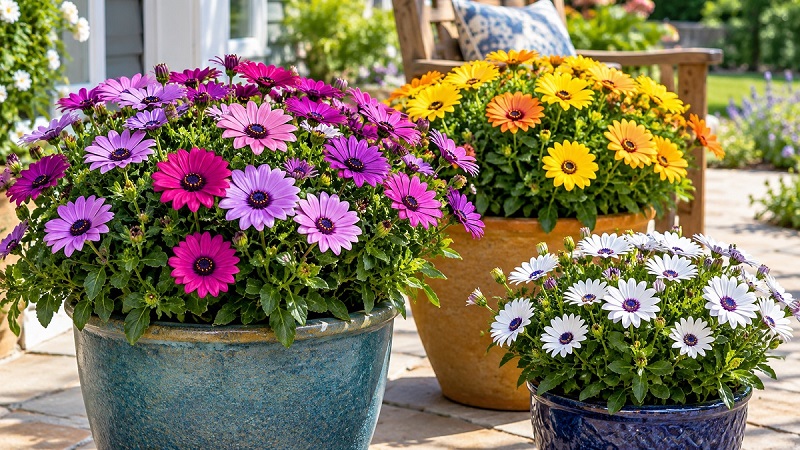
Growing African Daisies in Containers
Learn how to grow African daisies in containers with tips on pot selection, potting mix, sunlight, watering, fertilizing, pruning, and flowering.
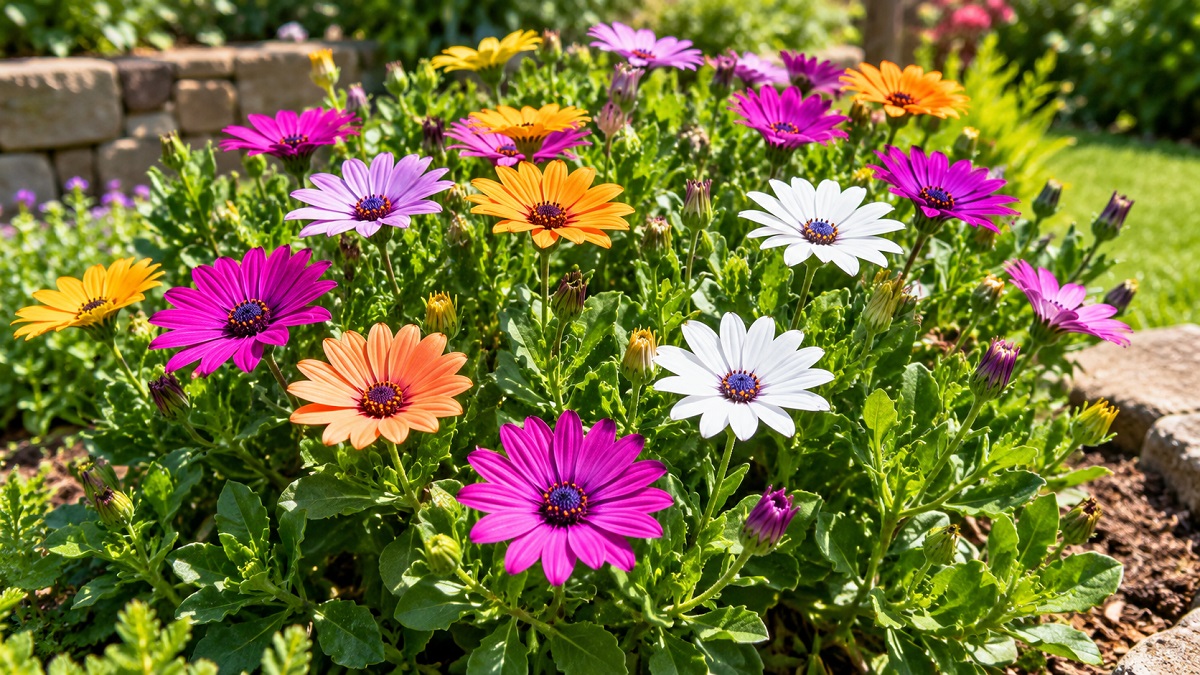
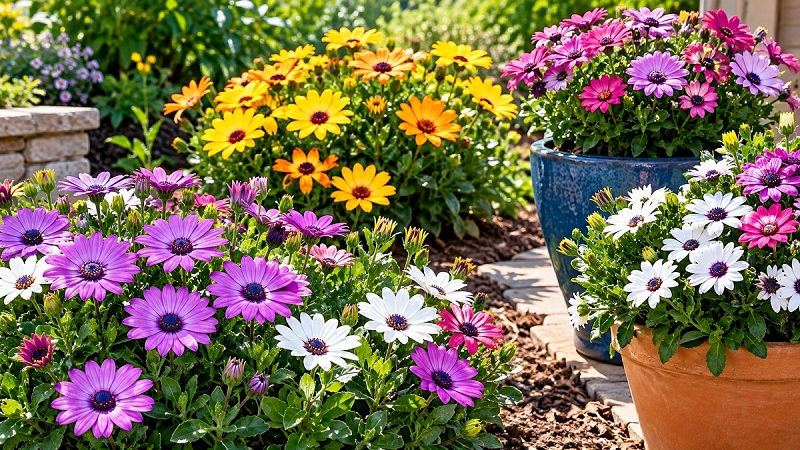
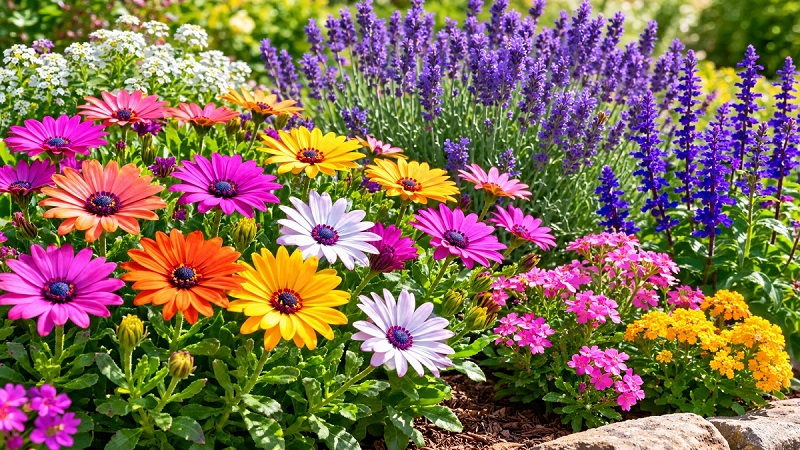
African daisies are popular for their colorful, daisy-like flowers in shades of white, pink, purple, yellow, and orange. When growing well, these cheerful plants can brighten garden borders, patio containers, and sunny window boxes for an extended period. However, it can be frustrating when a plant produces plenty of green leaves but very few flowers.
If your African daisy is not blooming, the problem is usually related to insufficient sunlight, unsuitable watering, excessive fertilizer, temperature stress, or a lack of regular deadheading. Sometimes, the plant is healthy but temporarily resting between flowering periods because the weather is too hot.
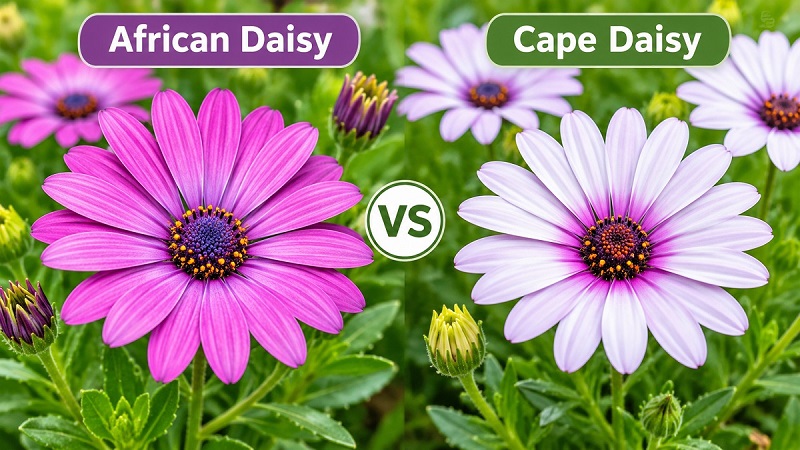
Most commonly grown African daisies belong to Osteospermum, although the common name is also used for other daisy-like plants. Their flowering habits vary by cultivar and climate. Understanding which conditions your plant prefers will help you identify the problem instead of relying on unnecessary fertilizer or frequent watering.
Start here: Correct the growing conditions before adding more fertilizer.
African daisies generally flower best when they receive plenty of sunlight, grow in freely draining soil, and experience temperatures suited to their variety. When one or more of these conditions is missing, the plant may continue producing foliage without developing many flower buds.
Before changing your care routine, examine the plant carefully. Healthy, bushy foliage with no flowers often points toward inadequate light, excess nitrogen, or a temporary pause in flowering. Yellowing leaves and persistently wet soil suggest a watering or drainage problem, while dry, crispy leaves may indicate drought or heat stress.
These signs often indicate that the plant needs better light, adjusted feeding, or more time to produce another flush of flowers.
Insufficient sunlight is one of the first things to investigate when an African daisy refuses to flower. These plants generally perform best in a sunny location, where their leaves can produce enough energy to support buds and blooms.
A spot that looks bright from indoors may not provide enough direct sunlight outdoors. Buildings, fences, tree canopies, and neighboring plants can shade a container or garden bed for much of the day.
Move container-grown African daisies to a position receiving approximately six to eight hours of direct sunlight daily, adjusting for your cultivar and local climate. For plants growing in the ground, trim back nearby vegetation where appropriate or consider relocating the plant during a suitable growing period.
In very hot regions, strong afternoon sun can increase heat and moisture stress. If the plant wilts severely during the hottest part of the day, try a location with morning sun and some protection from intense afternoon heat. The aim is to provide ample usable light without allowing the roots and foliage to become chronically stressed.
Increase exposure gradually when moving a plant from shade into full sun. A sudden change can scorch leaves, particularly during hot weather.
Fertilizer can support healthy growth, but more is not always better. Nitrogen encourages leafy, green growth. When African daisies receive excessive nitrogen, they may produce vigorous stems and foliage at the expense of the balanced growth needed for good flowering.
This problem is common when gardeners regularly apply lawn fertilizer near flower beds, use concentrated liquid feeds too frequently, or fertilize according to a fixed schedule without considering the plant's condition.
Stop unnecessary feeding and allow the plant to use the nutrients already available in the soil. If you recently applied a heavy dose of soluble fertilizer and the soil drains freely, watering thoroughly may help move some excess salts beyond the root zone. Do not repeatedly flush a waterlogged plant.
Once active growth and flowering resume, use a balanced fertilizer at the label's recommended rate if the plant actually needs supplemental nutrition. A product suitable for flowering container plants may be appropriate, but it does not need to be especially high in phosphorus.
For garden beds with reasonably fertile soil, additional fertilizer may be unnecessary. A soil test is useful if the plant repeatedly develops excessive foliage or fails to respond to corrected care.
African daisies need consistent access to moisture while actively growing, but their roots also need oxygen. Soil that remains saturated can deprive roots of air and encourage root rot. At the other extreme, prolonged dryness can cause wilting, bud loss, and reduced flowering.
Allow excess moisture to drain and let the upper layer of soil begin to dry before watering again. If the plant is severely affected, inspect the roots. Healthy roots are generally firm, whereas decaying roots may appear brown, soft, or unpleasant-smelling. Remove damaged roots and repot into fresh, well-draining medium if necessary.
Water thoroughly when the upper portion of the soil begins to dry, allowing moisture to reach the root zone. In warm weather, containers may need more frequent watering than plants growing in the ground. Always check the soil rather than following an inflexible daily schedule.
Water near the base of the plant when possible, and avoid leaving the foliage wet for long periods in poorly ventilated conditions.
African daisies often flower particularly well during mild weather. Many Osteospermum cultivars produce their strongest flushes in spring and again in autumn where conditions allow. In regions with intense summer heat, flowering may slow substantially or stop temporarily even when the plant is otherwise healthy.
Hot days, warm nights, dry winds, and rapidly drying containers can combine to stress a plant. During these periods, it may conserve energy rather than continue producing buds.
Do not assume that a summer pause means the plant is dying. If the foliage remains reasonably healthy, wait for more favorable conditions while maintaining appropriate moisture and drainage. Flowering may return as temperatures moderate, although the timing depends on the variety and climate.
In warm parts of India, intense summer conditions can be especially challenging for many commonly sold African daisy cultivars. A cooler growing position and protection from extreme afternoon heat may be more useful than increasing fertilizer.
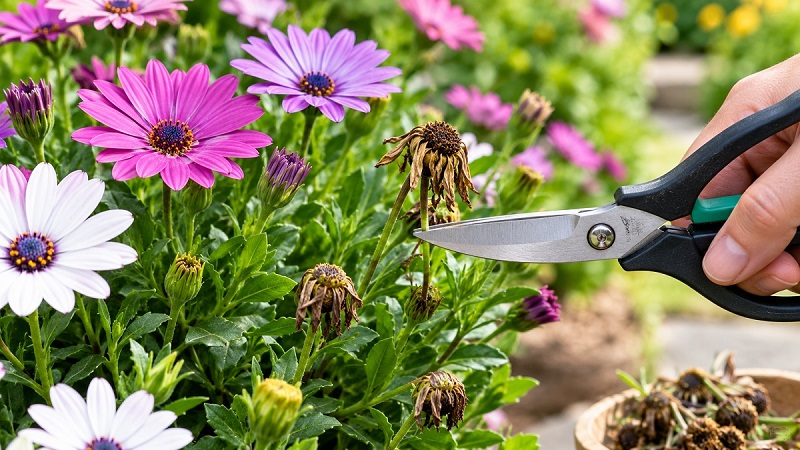
Deadheading means removing spent flowers before they develop mature seed heads. Although some African daisies continue to flower without frequent deadheading, removing faded blooms can keep the plant tidy and may encourage additional flowering, depending on the cultivar and growing conditions.
When flowers are allowed to mature into seed heads, the plant may devote some resources to seed development. This is not always the main reason for a lack of blooms, but regular removal of old flowers is a simple maintenance step worth trying.
Avoid cutting off developing buds or removing large sections of healthy growth unnecessarily. If your plant has no flowers at all, deadheading alone will not solve the problem. Check sunlight, temperature, nutrition, and moisture as well.
African daisies generally prefer well-drained soil with moderate fertility. Heavy clay, compacted ground, and dense potting mixes can hold too much water around the roots. Very poor soil, on the other hand, may not supply enough nutrients to support vigorous growth and repeated flowering.
The important distinction is that good drainage does not mean the soil must be extremely dry. Roots need both moisture and air, and the best growing medium balances the two.
If water collects around your plants after rain, improve the drainage before adding more fertilizer. Incorporating suitable organic matter into an entire garden bed can improve soil structure, although adding a small amount of sand to heavy clay is not a reliable fix. Raised beds may be useful where drainage problems cannot be corrected easily.
For container-grown plants, use a quality potting mix that drains freely and retains some moisture. Choose a pot with unobstructed drainage holes, and empty any saucer after watering rather than allowing the roots to sit in standing water.
Avoid repotting a healthy plant simply because it is not blooming. Repot when the existing mix has deteriorated, drainage is poor, or roots have outgrown the container.
Pruning can help an African daisy develop a compact, branching shape, but cutting at the wrong time or removing too much growth may delay flowering. Some cultivars bloom on new growth, while others respond differently to trimming. Heavy pruning during active bud development can remove the very stems that would have produced flowers.
Lightly trim excessively long or weak stems to encourage branching, ideally when the plant is not carrying a large number of developing buds. Remove dead, damaged, and diseased material whenever needed. For major shaping, follow the recommendations for your particular cultivar and local growing season.
If the plant has already been cut back heavily, give it time to produce fresh growth. Maintain adequate sunlight and moisture, and avoid forcing rapid regrowth with strong fertilizer. New buds may take several weeks to appear, depending on temperature and plant vigor.
Leggy stems usually indicate insufficient light, overcrowding, or a combination of growing conditions. Move pots to a brighter location where appropriate, space plants so air can circulate, and pinch young stems lightly if your cultivar responds well to this practice.
African daisies grow successfully in containers when they have enough room for their roots and access to a well-aerated growing medium. A pot that is too small may dry out quickly, restrict root growth, and make the plant more vulnerable to temperature fluctuations.
However, being root-bound does not automatically explain every flowering problem. A crowded plant can still bloom, so check for other causes before moving it to a larger container.
Select a container only modestly larger than the existing root ball, with adequate drainage. Use fresh potting mix and water thoroughly after repotting. If possible, repot during mild weather rather than during a period of extreme heat.
Allow the plant to recover before applying fertilizer. A stressed plant may temporarily produce fewer flowers after repotting as it redirects energy toward root establishment.
Insect pests rarely explain every case of missing flowers, but a significant infestation can damage new growth and developing buds. Aphids, thrips, and spider mites are among the pests worth checking for, particularly when leaves are distorted, stippled, or discolored.
Examine the undersides of leaves and the growing tips before treating the entire plant. A strong but gentle stream of water can dislodge some aphids and mites. If a pest problem persists, use a product labeled for the identified pest and ornamental plants, following all label directions.
Avoid spraying flowers when pollinators are visiting, and do not apply insecticides unnecessarily. Correcting plant stress, providing good air circulation, and inspecting new growth regularly can help prevent small problems from becoming severe.
Sometimes, nothing is seriously wrong with the plant. Flowering naturally varies with the season, cultivar, and local climate. Some African daisies produce repeated flushes of flowers, while others slow down after a period of heavy blooming or during unfavorable weather.
Young plants may also need time to establish their root systems and develop enough branching to support abundant flowers. Newly transplanted plants can temporarily focus on root growth rather than bud production.
A plant that has green, firm foliage and continues producing healthy new growth may simply be between flowering periods. In contrast, persistent yellowing, soft stems, root decay, severe wilting, or extensive leaf damage suggests that the growing conditions need attention.
Keep the plant in suitable light, water according to soil moisture, and avoid unnecessary disturbance. When temperatures become more favorable, a healthy plant may begin producing buds again.
Remember that the common name African daisy covers more than one plant group. Flowering schedules and tolerance of heat, frost, and drought can differ. Check the botanical name or cultivar label when available instead of assuming that every plant follows the same calendar.
Use the following table to narrow down the likely cause based on what you can observe. Several problems can occur together, so look for patterns rather than relying on a single symptom.
| What You Notice | Likely Cause | What to Do |
|---|---|---|
| Lots of leaves, few flowers | Insufficient sunlight or excess nitrogen | Improve light exposure and reduce unnecessary feeding. |
| Long, weak stems | Shade, crowding, or excessive nitrogen | Provide more light, improve spacing, and prune lightly if needed. |
| Yellow leaves and wet soil | Overwatering or poor drainage | Correct drainage and adjust watering frequency. |
| Dry leaves and unopened buds | Underwatering or heat stress | Water the root zone thoroughly and reduce severe heat stress. |
| Flowering slows during hot weather | Temperature stress or seasonal pause | Maintain suitable moisture and provide afternoon protection if necessary. |
| Many old, faded flower heads | Insufficient deadheading or normal flower aging | Remove spent flowers and allow time for new buds. |
| Roots emerge from drainage holes | Possible root crowding | Inspect the root ball and repot if the plant is genuinely restricted. |
| Distorted shoots or damaged buds | Aphids, thrips, or other pests | Inspect the plant and use an appropriate targeted treatment if needed. |
| Healthy plant with no flowers after pruning | Recovery from cutting or removal of developing buds | Allow new growth to develop before pruning again. |
| Healthy foliage after a heavy bloom | Normal pause between flowering flushes | Maintain good care and wait for conditions to favor another flush. |
Once you have identified the most likely cause, make a few targeted changes rather than changing everything at once. This makes it easier to understand which adjustment is helping and reduces the risk of creating a new problem.
Check how many hours of direct sun the plant actually receives. Aim for approximately six to eight hours when the climate and cultivar permit. If the plant is suffering in extreme heat, prioritize morning sun and protection from harsh afternoon conditions.
Feel the soil before watering. If it is still saturated, investigate drainage. If it is dry below the surface, water thoroughly. Do not water repeatedly just because the leaves look wilted; check whether the root zone is wet or dry first.
Review the fertilizer label and your recent application history. If the plant is already producing dense, dark-green foliage, suspend unnecessary feeding. Resume only when there is a clear need and the plant is actively growing under suitable conditions.
Deadhead faded blooms and remove damaged stems. Avoid cutting back healthy branches heavily while the plant is forming buds. Keep the area around the plant free of fallen, diseased material.
Watch for fresh growth and developing buds over the following weeks. The exact recovery time depends on the cultivar, season, severity of the problem, and whether roots or stems have been damaged. Flowering may remain limited until the weather becomes more suitable.
A short observation period can help you determine whether your care adjustments are working. This is a monitoring plan, not a guarantee that flowers will appear within fourteen days.
| Period | What to Check | What Success Looks Like |
|---|---|---|
| Days 1–3 | Sunlight, soil moisture, drainage, and pest damage | The main cause is identified and corrective care begins. |
| Days 4–7 | Leaf firmness, soil drying, and signs of continued stress | Watering becomes more consistent and further damage is reduced. |
| Days 8–14 | New shoots, overall vigor, and early bud development | The plant may show healthier growth or early signs of renewed flowering. |
If the plant continues to decline, examine the roots and stems more closely. If it remains healthy but has not developed buds, reconsider the seasonal conditions and the cultivar's normal flowering pattern before applying additional treatments.
A plant with few flowers can tempt gardeners to do more than necessary. In many cases, a simpler routine produces better results.
The most common possibilities are insufficient sunlight, excessive nitrogen fertilizer, or a temporary pause in flowering. Check the plant's light exposure and feeding history first. If it receives enough sun and has not been overfertilized, consider whether heat or the natural flowering cycle is responsible.
Many commonly grown African daisies perform best with about six to eight hours of direct sunlight daily. In very hot climates, morning sun and some afternoon shade can help reduce heat stress. Adjust exposure to the cultivar and local conditions.
Many Osteospermum cultivars can flower again when temperatures become more favorable, often in autumn after a hot summer. The timing and reliability of a second flush depend on the cultivar, climate, sunlight, and plant health.
Not automatically. Phosphorus supports normal plant development, but extra phosphorus will not force flowering when sunlight, temperature, or root health is the limiting factor. Use a suitable fertilizer only when needed and follow the label's recommended application rate.
Deadheading is useful for removing faded flowers, maintaining a tidy appearance, and encouraging further blooms in responsive cultivars. Remove spent flower stems without damaging developing buds. Some cultivars may continue flowering even with less frequent deadheading.
There is no single watering schedule that works for every plant. Water thoroughly when the upper portion of the soil begins to dry, and make sure excess water drains away. Container-grown plants may need more frequent watering during hot, dry weather than plants growing in garden beds.
They may grow in partial shade, but flowering is often reduced when direct sunlight is limited. If your plant produces healthy leaves but very few flowers, try a brighter location while avoiding sudden exposure to intense afternoon sun.
Buds may dry out because of underwatering, excessive heat, root damage, or pest activity. Check soil moisture first, inspect the undersides of leaves and the buds themselves, and assess whether the plant is exposed to harsh afternoon conditions.
Yes. Use a container with drainage holes, a free-draining potting mix, and a position with suitable sunlight. Monitor soil moisture closely because pots can dry out quickly in warm weather. Repot only when root crowding or deteriorating potting mix makes it necessary.
The time varies with the cultivar, weather, and reason flowering stopped. A mildly stressed plant may begin forming buds within a few weeks after its growing conditions improve, while a plant recovering from root damage, severe heat, or heavy pruning may take considerably longer.
When an African daisy stops blooming, the solution usually begins with understanding what the plant is experiencing. Too little sunlight, excessive nitrogen, inconsistent watering, poor drainage, and intense heat are all worth investigating before reaching for another fertilizer.
Start by checking the soil and the plant's location. Correct any watering or drainage problems, provide suitable light, remove spent flowers, and avoid unnecessary pruning or feeding. If the foliage remains healthy during a hot spell, the plant may simply be waiting for more favorable flowering conditions.
With patient observation and appropriate care, many African daisies can return to producing colorful blooms when their growing conditions improve.
Continue exploring our gardening guides with more plant profiles, growing tips, and practical advice for creating a healthy, productive garden.