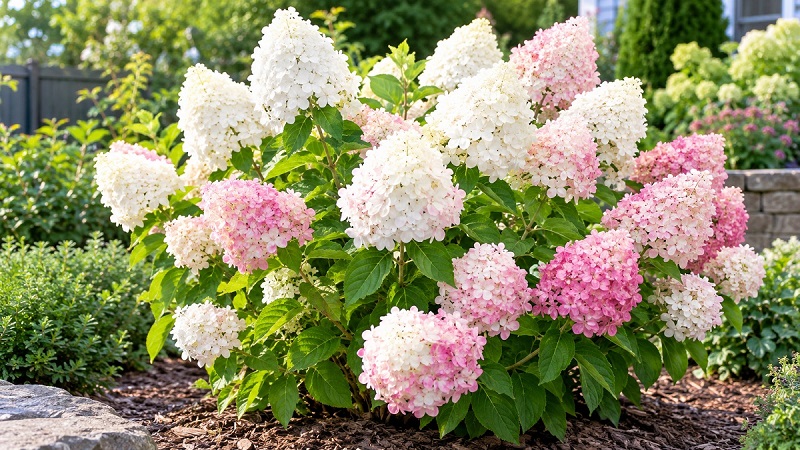
Growing & Caring for Bobo Hydrangea
Learn how to grow and care for Bobo Hydrangea, including sunlight, soil, watering, fertilizing, pruning, flowering, propagation, and common problems.
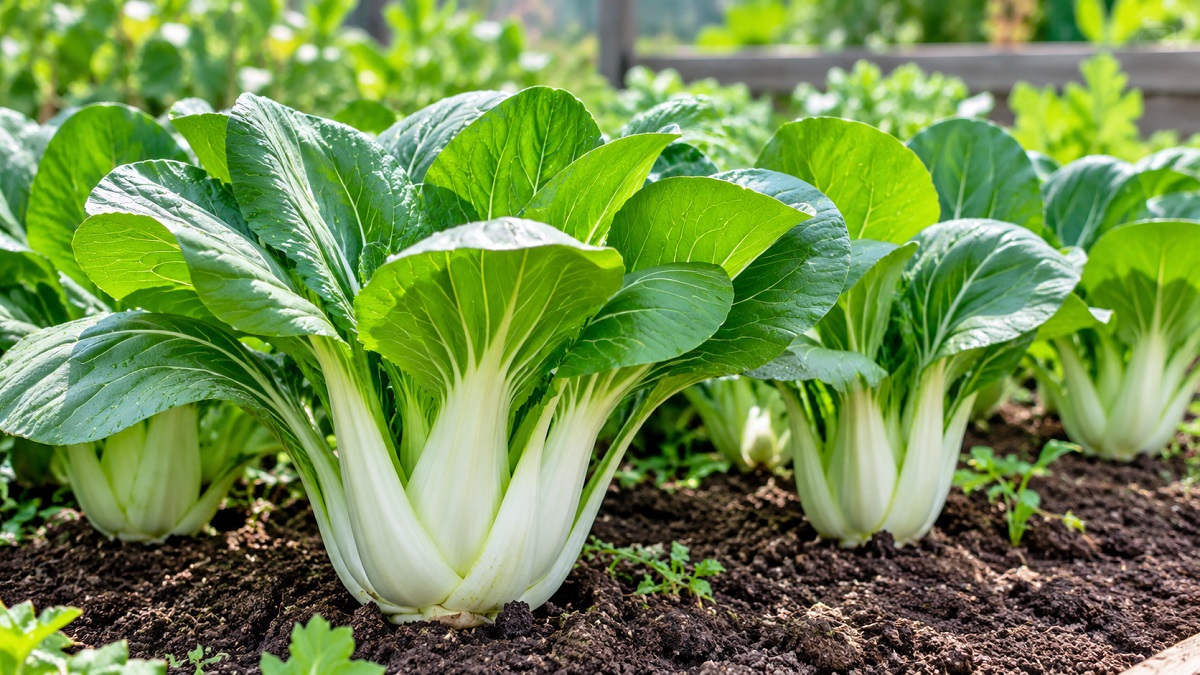
Bok choy is one of those vegetables that can make a small garden feel surprisingly productive. It grows quickly, does not need a large amount of space, and can be harvested while the plants are still young and tender. The crisp stems and mild leaves work well in stir-fries, soups, noodle dishes, salads, and many other meals.
Although bok choy is relatively easy to grow, timing matters more than many beginners expect. It is a cool-season vegetable, and plants exposed to prolonged heat may bolt before producing the compact, leafy heads gardeners are looking for. Providing fertile soil, consistent moisture, good air circulation, and protection from common brassica pests will go a long way toward keeping the crop healthy.
This guide explains how to grow bok choy from seed or transplants, where to plant it, how much water and fertilizer it needs, when to harvest, and how to deal with problems such as flea beetles, caterpillars, aphids, bolting, and leaf damage.
Best results: grow bok choy during cool weather with fertile soil, regular watering, and protection from brassica pests.
Bok choy, also spelled pak choi or pak choy, is a member of the cabbage family. Its botanical name is Brassica rapa subsp. chinensis. Unlike heading cabbage, bok choy forms upright clusters of smooth green leaves and thick, succulent leaf stalks rather than a tightly wrapped central head.
The vegetable is closely related to other Asian greens and shares many of their growing preferences. It performs best when temperatures are relatively mild, soil moisture remains steady, and plants receive plenty of light without being subjected to prolonged extreme heat.
Depending on the variety, bok choy can range from compact baby plants to larger mature specimens. Some types have white stems and dark green leaves, while others have pale green stalks or smaller, more delicate foliage. Baby bok choy is particularly useful for small gardens because it can be harvested at a younger stage.
Bok choy is a practical vegetable for gardeners who want a relatively fast crop. It can be grown in garden beds, raised beds, containers, and even smaller edible gardens where space is limited.
Another advantage is that the whole plant is useful. The tender leaves and crunchy stalks can both be cooked, while young leaves can also be eaten raw when they are sufficiently tender.
Temperature is one of the most important factors in bok choy production. Cool conditions encourage leafy growth, while excessive heat can cause the plant to shift toward flowering.
For this reason, bok choy is often best grown in spring or fall. In areas with mild winters, it can also be grown through much of the cooler season.
The following table summarizes the main growing requirements for bok choy. Exact maturity times, mature size, and spacing can vary between cultivars, so use the seed packet or plant label as the final guide for a particular variety.
| Characteristic | Bok Choy Requirement | Growing Notes |
|---|---|---|
| Botanical name | Brassica rapa subsp. chinensis | A leafy brassica commonly grown as a cool-season vegetable. |
| Plant family | Brassicaceae | Related to cabbage, broccoli, kale, mustard greens, and other brassicas. |
| Plant type | Cool-season vegetable | Best growth generally occurs during mild weather. |
| Sunlight | Full sun to partial shade | Cooler climates can support more sun; afternoon shade can help during warmer weather. |
| Soil | Fertile, well-drained soil | Soil should hold moisture without remaining saturated. |
| Soil pH | About 6.0–7.5 | A slightly acidic to neutral soil is generally suitable. |
| Water | Regular and consistent | Do not allow young plants to repeatedly dry out. |
| Spacing | About 6–12 inches | Use closer spacing for baby bok choy and wider spacing for larger varieties. |
| Seed depth | About 1/4 inch | Seeds should be covered lightly rather than buried deeply. |
| Germination | Often within about 4–10 days | Good moisture and suitable temperatures encourage even emergence. |
| Days to harvest | Often about 30–60 days | Baby types may be ready earlier; larger varieties usually take longer. |
| Common pests | Flea beetles, aphids, caterpillars, slugs | Frequent inspection and physical protection can prevent serious damage. |
| Common concern | Bolting | Heat, plant stress, and maturity can encourage premature flowering. |
| Harvest method | Whole plant or outer leaves | Harvest young leaves for tenderness or cut mature plants near the soil line. |
Choose a location that receives several hours of direct sunlight each day and has soil that drains well. Bok choy can tolerate some partial shade, particularly when temperatures begin to rise, but plants grown in very low light may become less vigorous.
Morning sun with some afternoon protection can be especially useful in warmer climates. The goal is to provide enough light for strong growth without exposing the crop to unnecessary heat during the hottest part of the day.
Avoid planting bok choy in a low area where rainwater regularly collects. Constantly saturated soil reduces oxygen around the roots and can encourage root problems. Raised beds are useful when drainage is naturally poor.
Good air circulation is easy to overlook when planting small vegetables. Crowded bok choy creates a humid environment around the foliage and makes it harder to inspect the undersides of leaves.
Leave enough space between plants for leaves to develop naturally. This also makes watering, weeding, harvesting, and pest control considerably easier.
Bok choy grows best in fertile soil containing plenty of organic matter. Before planting, loosen the soil and remove large stones, roots, and weeds. Incorporating mature compost can improve soil structure while adding a useful source of organic matter.
The soil should remain evenly moist but should never feel permanently muddy. If water drains extremely quickly, adding organic matter can improve moisture retention. If the soil stays wet for long periods, improve drainage before planting.
A soil pH around 6.0 to 7.5 is generally suitable for bok choy. A soil test is useful if your vegetable garden repeatedly produces weak growth or shows nutrient deficiencies.
Bok choy is straightforward to grow from seed, and direct sowing is often the simplest approach. Because the crop develops relatively quickly, there is usually little need to start it far in advance.
Sow seeds approximately 1/4 inch deep in prepared soil. Keep the surface evenly moist until seedlings emerge. Once the young plants are established, gradually thin them to the spacing appropriate for the variety.
Make shallow furrows or individual planting holes and distribute the seeds thinly. Cover them with a light layer of soil and water gently. Strong streams of water can move the tiny seeds or expose them at the surface.
Germination commonly occurs within roughly 4 to 10 days when conditions are favorable. Keep the seedbed free from competing weeds while the seedlings are small.
Starting bok choy indoors can be useful when you want to get a crop established before outdoor conditions become suitable. Use a clean seed-starting mix and provide strong light after germination.
Young brassica seedlings can become stressed if kept indoors too long. Transplant them while they are still young and handle the roots gently.
If you purchase seedlings or raise your own transplants, move them into the garden carefully. Water the seedlings before transplanting so the root ball holds together more easily.
Dig a hole slightly larger than the root system, place the plant at approximately the same depth at which it was growing, and firm the surrounding soil gently. Water immediately after planting.
A short period of shade can help recently transplanted seedlings recover in warm weather. Once they establish new roots, normal light levels can be restored according to the growing conditions.
Consistent moisture is one of the keys to producing tender bok choy. The plants have relatively shallow roots, so they can suffer when the soil repeatedly dries out.
Rather than watering according to a fixed calendar, check the soil regularly. Water when the upper layer begins to dry, adjusting the frequency according to temperature, rainfall, soil type, and container size.
Watering near the base of the plant keeps the root zone supplied without unnecessarily wetting the foliage. Drip irrigation or a gentle watering can work well.
If you use overhead irrigation, water early enough in the day for the leaves to dry reasonably quickly. Avoid creating constantly wet foliage, particularly when plants are densely planted.
Bok choy grows quickly and appreciates fertile soil. If compost or another nutrient-rich amendment has already been incorporated into the planting bed, additional fertilizer may be modest.
Where soil fertility is poor, a balanced vegetable fertilizer can be applied according to the product label. Avoid excessive nitrogen. Too much nitrogen can encourage lush foliage without necessarily producing the balanced, sturdy growth you want.
Container-grown bok choy may need more frequent feeding because repeated watering can move nutrients beyond the root zone. Use a fertilizer suitable for edible crops and follow its application instructions rather than increasing the dose.
Crowded seedlings compete for light, water, and nutrients. Thin them once they are large enough to handle, leaving the strongest plants at the desired spacing.
Baby bok choy can be planted more closely than large mature varieties. For full-sized plants, spacing around 6 to 12 inches is a useful general range, although the exact requirement depends on the cultivar.
Do not throw away every plant removed during thinning. Very young seedlings can sometimes be added to salads or used as microgreens when grown under suitable edible-crop conditions.
A thin layer of organic mulch can help maintain more even soil moisture and reduce competition from weeds. Straw, shredded leaves, or other suitable garden mulch can be used.
Keep mulch slightly away from the crown of each plant. Direct contact with constantly damp organic material can encourage rot or provide hiding places for slugs.
Mulch is particularly helpful when growing bok choy during periods of fluctuating weather because it slows moisture loss from the soil surface.
Bolting occurs when bok choy produces a flower stalk instead of continuing leafy growth. Once the plant begins flowering, the leaves and stems can become more fibrous or develop a stronger flavor.
Warm temperatures are a major reason bok choy bolts, although plant age and environmental stress can also contribute. Choosing the correct planting season is therefore one of the best ways to prevent the problem.
If a plant has already started flowering, you can still harvest the edible portions. Young flower stalks may also be tender enough to cook, but the plant is no longer following the ideal leafy-growth pattern.
Bok choy belongs to the brassica family, so it attracts many of the same pests that feed on cabbage, broccoli, kale, and related vegetables. Regular inspection is much easier than trying to rescue badly damaged plants later.
Flea beetles are small jumping insects that create numerous tiny holes in leaves. Young seedlings are particularly vulnerable because extensive damage can slow their development.
Lightweight insect netting or row cover can provide a physical barrier. Remove weeds around the planting area and monitor seedlings frequently.
Caterpillars can chew irregular holes in leaves and may hide on the undersides during the day. Check both sides of the foliage and remove caterpillars by hand when practical.
Row covers can prevent adult moths and butterflies from reaching plants to lay eggs. If caterpillar pressure is persistent, use a biological control product appropriate for edible crops and follow its label carefully.
Aphids often gather around tender growth and the undersides of leaves. A small population may be controlled by natural predators such as lady beetles and lacewings.
For heavier infestations, a strong stream of water can dislodge aphids. Insecticidal soap can also be useful when applied according to the product label, paying particular attention to leaf undersides.
Slugs and snails can chew ragged holes through young leaves, especially where the garden stays damp and shaded. Remove hiding places such as boards, dense weeds, and excessive mulch around the plants.
Most bok choy disease problems become more likely when foliage remains wet for long periods, plants are crowded, or soil drainage is poor. Good growing practices are therefore an important part of disease prevention.
Various fungal and bacterial problems can cause spots on brassica leaves. Remove severely affected foliage and avoid working among wet plants because handling can spread some diseases.
Poor drainage can contribute to root decline. If plants remain stunted despite adequate moisture and nutrients, examine the root zone and consider whether the soil stays excessively wet.
An occasional older yellow leaf is not necessarily a serious problem. Widespread yellowing can have several causes, including nutrient shortages, excessive moisture, root damage, pest activity, or environmental stress.
Look at the whole plant before adding fertilizer. Checking the soil moisture, roots, sunlight, and leaves for insects often reveals more than immediately applying nutrients.
One of the best things about bok choy is that you do not have to wait for an enormous plant before harvesting. Baby bok choy can be harvested young, while larger plants can be allowed to develop more substantial stalks.
For a full harvest, use a clean, sharp knife to cut the plant near the soil line. Avoid tearing the plant out of the ground because this can disturb nearby plants.
Harvest during the cooler part of the day when possible. Brush or rinse away soil and remove damaged outer leaves before storing or cooking.
You can also harvest the outer leaves while leaving the center of the plant intact. This approach allows the plant to continue producing new foliage for a period of time.
Take only what you need rather than removing a large percentage of the leaves at once. A healthy remaining canopy helps the plant continue growing.
Maturity varies considerably between varieties. Some baby types can be ready in roughly 30 days, while larger cultivars may need 45 to 60 days or more under certain conditions.
The seed packet is the best reference for expected maturity. Weather, planting method, soil fertility, and day length can all influence how quickly the crop develops.
Instead of sowing all your bok choy seeds on one day, plant small batches at intervals suited to your local growing season. This spreads the harvest and reduces the chance of having a large number of plants mature simultaneously.
Succession planting is particularly useful because bok choy has a relatively short growing period. If one planting bolts or suffers heavy pest damage, a later planting can replace it.
Keep the planting schedule flexible. If a heat wave is approaching, starting another batch may not make sense until temperatures become more favorable.
Bok choy is well suited to container gardening. A container with good drainage and enough depth for the root system can produce a useful crop on a patio, balcony, terrace, or small garden.
Choose a container large enough for the number and size of plants you want to grow. Baby bok choy is particularly convenient for containers because it can be harvested before it becomes large.
Container-grown bok choy can dry out quickly during hot weather. Check the pot regularly rather than assuming yesterday's watering is still sufficient today.
Bok choy generally appreciates cool conditions and can be an excellent crop for the cooler portion of the gardening calendar. In climates with mild winters, plants may continue growing when many warm-season vegetables have stopped producing.
Extremely cold conditions can still damage tender plants, particularly if temperatures fall sharply. A lightweight row cover can provide some protection when frost or unusually cold weather is expected.
Winter growth may be slower than growth during ideal cool-season temperatures. Do not judge the crop solely by the number of days printed on the seed packet; local conditions can substantially change the rate of development.
| Problem | Possible Cause | What to Do |
|---|---|---|
| Plants bolt early | Heat, stress, age, or unsuitable planting time | Grow during cooler weather, maintain moisture, and harvest promptly. |
| Leaves have tiny holes | Flea beetles | Use row cover, remove nearby weeds, and inspect young plants frequently. |
| Large irregular holes | Caterpillars or slugs | Inspect leaves, hand-pick pests, and use physical barriers where appropriate. |
| Leaves curl around new growth | Aphids or environmental stress | Inspect leaf undersides and treat pest infestations early. |
| Plants wilt repeatedly | Dry soil, root problems, or excessive heat | Check soil moisture and drainage before increasing watering. |
| Leaves turn yellow | Nutrient, moisture, root, or pest issues | Inspect the entire plant and growing conditions before fertilizing. |
| Slow growth | Cold, poor soil, crowding, low light, or root stress | Check spacing, soil fertility, moisture, sunlight, and drainage. |
| Stems become tough | Plant is mature, stressed, or exposed to heat | Harvest younger and grow the crop during its preferred cool season. |
If you want to keep bok choy care straightforward, focus on a few regular habits rather than constantly adjusting the plants.
A bok choy base left after cooking can sometimes produce new leaves when placed in water or planted in moist growing medium. However, regrowing a cut base is different from growing a complete new plant from seed.
The regrown leaves can be interesting to watch and may provide a small amount of fresh growth, but seed-grown plants are the better choice when your goal is a substantial harvest.
Gardeners who want to save seed must allow a healthy plant to flower and develop seed pods rather than harvesting it as a leafy vegetable. This requires leaving the plant in the garden beyond the normal eating stage.
Because bok choy is a flowering brassica, seed-saving becomes more complicated if other compatible brassicas are flowering nearby. Cross-pollination can affect the characteristics of the next generation.
For predictable results, purchase fresh seed from a reliable supplier. If you save your own seed, label the variety and harvest date carefully.
Successful bok choy growing does not require complicated equipment. Most problems can be reduced by getting the basics right from the beginning.
Bok choy is a rewarding vegetable for both new and experienced gardeners because it combines quick growth with relatively simple care. The most important part of growing it successfully is choosing the right season. Once temperatures are favorable, concentrate on fertile soil, steady moisture, reasonable spacing, and regular pest checks.
If you are growing bok choy for the first time, start with a small planting rather than filling an entire bed. Sow a few seeds, observe how quickly they develop in your local conditions, and then make additional plantings. This approach makes it easier to learn the crop's preferred timing while keeping the harvest manageable.
With the right conditions, bok choy can provide crisp stems and tender leaves in a surprisingly short time. Keep the plants growing steadily, harvest before they become overly mature, and make use of succession planting when you want a continuous supply.
← Back to Plant GuidesContinue exploring our gardening guides with more plant profiles, growing tips, and practical advice for creating a healthy, productive garden.