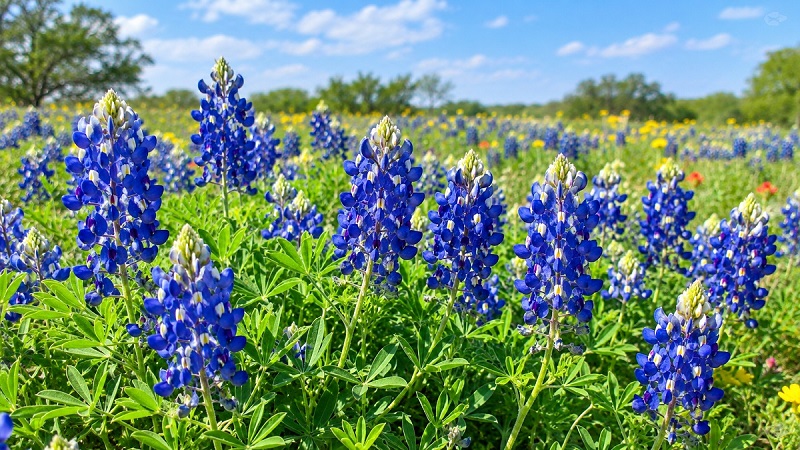
Growing & Caring for Bluebonnets
Learn how to grow and care for bluebonnets, including sunlight, soil, watering, seed planting, seasonal care, propagation, and common problems.
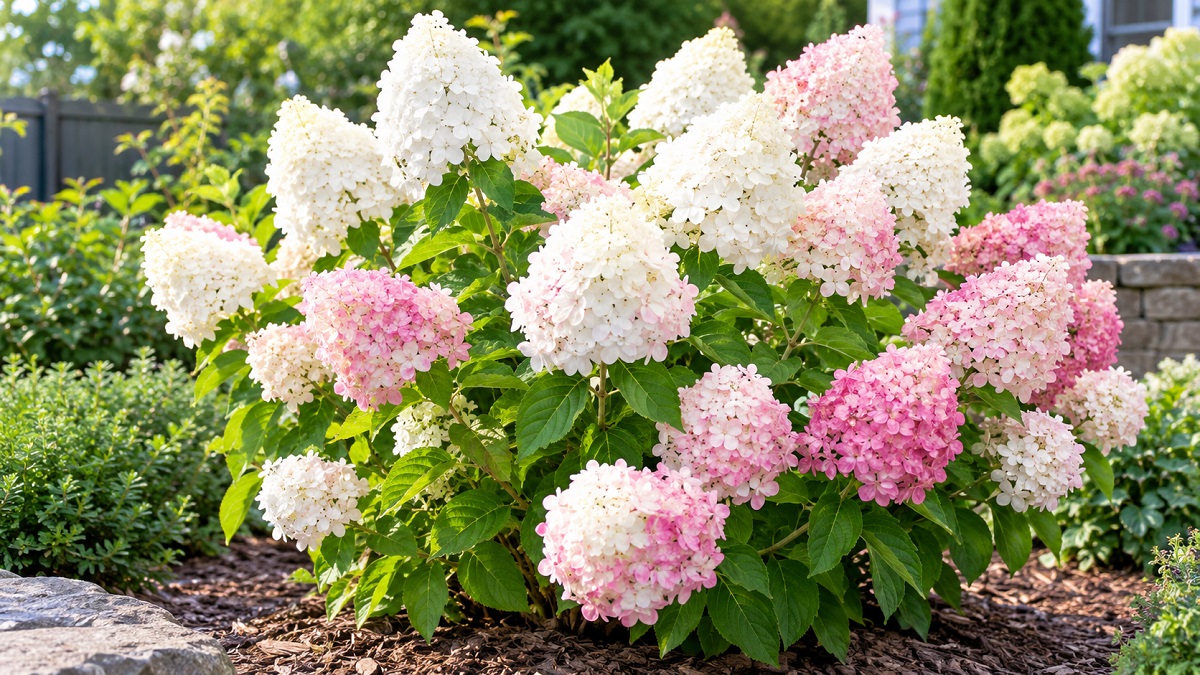
Bobo Hydrangea is a compact flowering shrub that brings months of seasonal interest to gardens without demanding the space of a full-sized hydrangea. Its rounded growth habit, sturdy branches, and generous clusters of cone-shaped flowers make it an excellent choice for foundation plantings, small garden borders, patios, and decorative containers.
Botanically known as Hydrangea paniculata 'Ilvobo', Bobo® is a dwarf panicle hydrangea selected for its manageable size and prolific summer flowering. Its blooms typically open creamy white or pure white, then develop pink and sometimes deeper rosy tones as autumn approaches. The exact timing and intensity of this color change depend on growing conditions and the season.
Although its flowers look delicate, Bobo Hydrangea is a relatively hardy and adaptable shrub. It flowers on new growth, tolerates a range of soil types when drainage is adequate, and generally needs only modest pruning. Consistent moisture, sufficient light, and protection from extreme afternoon heat in warmer climates help it produce its best display.
This guide explains how to choose a planting location, prepare the soil, water correctly, encourage healthy flowering, prune at the right time, and troubleshoot common growing problems.
The essentials for growing a healthy, compact Bobo Hydrangea.
Bobo Hydrangea belongs to the panicle hydrangea group, a collection of deciduous shrubs valued for their large, branched flower clusters. The cultivar 'Ilvobo' is marketed under the Bobo® name and is particularly useful where a traditional hydrangea would become too large.
Unlike climbing hydrangeas or broad-leaved mophead varieties, Bobo develops a compact, bushy form with numerous upright stems. Its flower heads are generally conical rather than round, and they can cover much of the shrub during the main flowering season.
The flowers usually begin opening in white or creamy-white shades. As the florets mature, they may turn blush pink, rose, or muted pinkish-brown late in the season. This gradual transformation gives the shrub an extended period of ornamental interest, even after the freshest flowers have passed.
Bobo is deciduous, so its leaves drop in autumn or winter. During the growing season, the foliage is medium green, providing a fresh backdrop for the flowers. After leaf fall, the branching structure and dried flower heads can continue to add texture to the garden.
Bobo is not a tropical plant. It performs best where it receives enough light for flowering, its roots remain cool and reasonably moist, and the soil drains well. In hot climates, afternoon shade can be particularly valuable.
Knowing the botanical identity of Bobo Hydrangea helps distinguish it from other hydrangeas with different growth habits, flower forms, and pruning requirements.
| Classification | Details |
|---|---|
| Common Name | Bobo Hydrangea, Bobo Panicle Hydrangea |
| Botanical Name | Hydrangea paniculata 'Ilvobo' |
| Trade Name | Bobo® |
| Plant Family | Hydrangeaceae |
| Genus | Hydrangea |
| Species | Hydrangea paniculata |
| Cultivar | 'Ilvobo' |
| Plant Type | Woody, deciduous ornamental shrub |
| Growth Habit | Compact, rounded to mounded, bushy |
| Flower Type | Branched, cone-shaped panicles |
| Flowering Wood | New growth produced during the current year |
| Native Species Range | The species is native to parts of East Asia; Bobo is a cultivated selection. |
| Typical Uses | Mixed borders, foundation planting, specimen shrub, containers |
The following table summarizes the main growing requirements and identifying features of Bobo Hydrangea. Mature size varies with climate, soil, plant age, and maintenance, so allow enough room for the shrub to develop naturally.
| Characteristic | Bobo Hydrangea Details |
|---|---|
| Plant Category | Flowering ornamental shrub |
| USDA Hardiness Zones | Generally zones 3–8 |
| Mature Height | Approximately 2–3 feet (60–90 cm) |
| Mature Spread | Approximately 3–4 feet (90–120 cm), depending on conditions |
| Sun Exposure | Full sun to partial shade |
| Ideal Light in Hot Climates | Morning sun with afternoon shade or filtered light |
| Soil Texture | Loam, sandy loam, or well-drained clay soil |
| Soil Moisture | Evenly moist but not waterlogged |
| Soil pH | Adaptable to acidic, neutral, and somewhat alkaline soils |
| Water Requirement | Moderate; increase watering during prolonged hot, dry weather |
| Flowering Period | Summer into early autumn in many climates |
| Flower Color | White, gradually aging to pink shades |
| Foliage | Green, oval to broadly ovate, deciduous leaves |
| Fertilizer | Optional, moderate feeding based on soil condition |
| Pruning | Late winter or early spring before active growth |
| Propagation | Stem cuttings where permitted |
| Wildlife Value | Flowers can attract visiting pollinators |
| Common Challenges | Wilting, flower browning, weak stems, leaf spot, powdery mildew |
Although Bobo is commonly described as a dwarf hydrangea, it still needs room for its natural width. Avoid planting it too close to walls, paving, or neighboring shrubs. Crowding can restrict airflow and make routine maintenance more difficult.
Light strongly influences the number of flowers, the strength of the stems, and the overall shape of Bobo Hydrangea. Unlike many bigleaf hydrangeas, panicle hydrangeas generally tolerate substantial direct sunlight, provided that moisture is adequate.
In relatively cool or temperate climates, a position receiving around six or more hours of direct sunlight daily usually supports abundant flowering and compact growth. Adequate light also helps the stems develop enough strength to support the flower panicles.
In warmer climates, strong afternoon sun can increase water loss and cause temporary wilting. Morning sunlight followed by afternoon shade often provides a useful balance between flowering and heat protection.
Avoid dense shade. A shrub that receives too little light may develop fewer flowers, weaker or more elongated growth, and a less attractive overall shape.
Consider more afternoon protection if leaves repeatedly scorch, the shrub wilts despite moist soil, or flowers brown prematurely during extreme heat. If flowering is consistently poor in a shady position, gradually improve its access to sunlight.
Bobo Hydrangea grows in a range of soil types, but good drainage is essential. Its roots need access to moisture and oxygen; soil that remains saturated for long periods can lead to root damage and poor growth.
A fertile loam or sandy loam that retains some moisture while draining excess water is ideal. Sandy soil can dry quickly, so adding suitable organic matter to the surrounding planting area may improve moisture retention. Heavy clay can also work if drainage is adequate and water does not collect around the roots.
Bobo tolerates a fairly broad soil pH range. However, unlike certain bigleaf hydrangeas, its flower color does not change from blue to pink in response to soil acidity or aluminum availability. The transition from white to pink is primarily a natural characteristic of the cultivar as the flower heads mature.
Do not add aluminum sulfate or attempt to acidify the soil simply to change Bobo's flower color. Instead, focus on maintaining healthy roots and suitable soil moisture.
Before making major changes to soil pH or adding fertilizer, consider a soil test. Unnecessary amendments can create nutrient imbalances without improving flowering.
Planting correctly gives Bobo Hydrangea a better chance of establishing a healthy root system before its first major flowering season. In climates with cold winters, spring is a reliable planting time. Early autumn can also work where roots have time to establish before severe cold arrives.
Select a sunny or partly shaded location with good drainage. Allow approximately 3–4 feet of space for a typical mature plant, adjusting the spacing to suit the expected width and your landscape design.
Dig a hole roughly two to three times as wide as the root ball, but no deeper than the root ball itself. The wider opening encourages roots to spread into the surrounding soil.
Remove the plant from its nursery container carefully. Loosen tightly circling roots if necessary, then place the shrub so the top of the root ball sits level with, or very slightly above, the surrounding soil.
Avoid burying the base of the stems. Planting too deeply can encourage moisture-related problems around the crown.
Backfill with the excavated soil, gently firming it around the roots to remove large air pockets. Water thoroughly to settle the soil and moisten the root zone.
Spread a layer of organic mulch around the root area, keeping it a few inches away from the stems. Mulch helps conserve moisture, moderate soil temperature, and reduce weed competition.
During the first growing season, check soil moisture frequently. Newly planted shrubs dry out faster than established plants, especially in warm weather or exposed locations.
Avoid heavy pruning or excessive fertilizer while the plant is establishing. Healthy roots and steady growth are more important than forcing rapid development.
Consistent moisture is important for Bobo Hydrangea, particularly while it is producing new shoots and large flower panicles. Although an established shrub can tolerate brief periods of less-than-ideal moisture, prolonged drought may cause wilting, premature flower browning, and reduced flowering quality.
There is no single schedule that works for every garden. Watering frequency depends on temperature, rainfall, soil texture, wind exposure, drainage, and whether the plant is growing in the ground or a container.
Check the soil a short distance below the surface. If it is beginning to dry, water deeply around the root zone. If it is still wet, wait and check again rather than adding more water automatically.
During hot, dry spells, inspect the plant more often. Water early in the morning where possible, allowing moisture to soak into the soil before the strongest afternoon heat.
A thick layer of mulch helps reduce evaporation. Container-grown shrubs may need watering more frequently because pots warm up and lose moisture faster than garden soil.
Constantly wet soil can suffocate roots and encourage root rot. Yellowing leaves, persistent wilting in wet soil, and declining growth may indicate drainage or root problems rather than a need for more water.
When watering, direct the flow toward the soil rather than repeatedly wetting the foliage. This can help reduce conditions that favor certain leaf diseases.
Bobo Hydrangea does not need aggressive fertilization to flower well. In reasonably fertile soil, a healthy shrub may grow and bloom satisfactorily with little or no additional feeding.
If growth is weak or the soil is deficient in nutrients, apply an appropriate slow-release fertilizer for woody ornamental shrubs in late winter or early spring, following the product label. Water after application if directed by the label and if the soil is not already saturated.
A soil test can help determine whether nitrogen, phosphorus, potassium, or another nutrient is needed. Avoid repeatedly applying fertilizer simply because flowering seems disappointing; insufficient sunlight, pruning mistakes, drought, and poor root health can all reduce bloom quality.
Excess nitrogen can encourage leafy, rapid growth at the expense of sturdy stems. Long, soft shoots may struggle to support heavy flower heads, particularly after rain or wind.
Do not pile lawn fertilizer against the shrub or allow concentrated fertilizer to contact its stems. Follow label rates rather than increasing the dose to encourage bigger flowers.
Bobo Hydrangea is grown primarily for its large, cone-shaped panicles, which can create an impressive display on a relatively small shrub. Individual flower heads contain many florets and are often produced in such abundance that they partly obscure the foliage.
Flowering commonly begins in summer and continues into early autumn, depending on climate, plant maturity, and growing conditions. In some locations, the first blooms appear earlier, while cooler climates may experience a later display.
Fresh flowers are generally white or creamy white. As they age, they may develop pale pink, rosy, or muted deeper pink tones. Cool nights and the natural progression of flower maturity can influence the appearance of the late-season display.
Color development is not controlled by soil pH in the way it is for certain bigleaf hydrangeas. If flowers turn brown before developing attractive pink shades, investigate heat stress, inconsistent watering, and the local weather.
Removing spent flower heads is optional. You can deadhead them to tidy the shrub, but it is not necessary for the plant to produce the following season's flowers. Many gardeners leave the dried panicles in place through winter for their structure and seasonal interest.
Pruning is straightforward because Bobo Hydrangea flowers on new wood, meaning its flower buds develop on growth produced during the current season. This makes late-winter or early-spring pruning a practical choice in most climates.
Prune before active spring growth begins, once the harshest winter conditions have passed. The exact timing varies by climate. In cold regions, leaving the dried flower heads in place over winter can provide extra visual interest.
For routine maintenance, remove approximately one-third of the previous season's growth if shaping is needed. The aim is to maintain a compact structure, remove weak growth, and encourage sturdy new shoots without cutting the plant back unnecessarily hard.
A mature shrub does not need to be reduced to a tiny stump each year. Excessively severe pruning can promote vigorous shoots that may be less able to support large flower heads.
Autumn pruning is possible, but many gardeners prefer to leave the dried flower heads through winter and prune in early spring. Spring pruning makes it easier to assess winter damage and identify the living framework before new growth begins.
Drooping flower heads can result from oversized blooms, weak or elongated stems, heavy rain, insufficient light, or moisture stress. Check the growing conditions before assuming pruning alone will solve the problem.
Adequate sunlight, sensible feeding, consistent moisture, and moderate annual pruning can help maintain a stronger framework over time.
Mulching is a simple way to make Bobo Hydrangea easier to maintain. A layer of organic material helps conserve soil moisture, reduce temperature fluctuations, and limit weed growth around the shrub.
Apply mulch approximately 2–3 inches deep, adjusting the amount for the material and local conditions. Leave a clear gap around the stems instead of piling mulch against the crown.
Refresh the layer as it decomposes, but avoid building up excessive mulch year after year. The goal is to protect the root zone, not bury it.
Bobo's compact size makes it suitable for patios, balconies, entryways, and other spaces where a smaller flowering shrub is desirable. Container growing requires closer attention to watering and winter root protection than planting directly in the ground.
Choose a sturdy container with several unobstructed drainage holes. A pot that comfortably accommodates the root ball and allows room for root growth is preferable to a very small decorative planter.
Use a quality container potting mix that holds moisture without becoming waterlogged. Do not use garden soil alone in a container because it can compact and drain poorly.
Check the potting mix regularly, especially in warm, windy weather. Water thoroughly when the upper portion of the mix begins to dry, allowing excess water to drain freely.
Never leave the pot standing in a permanently filled saucer. Roots need oxygen as well as water.
Place the container where the plant receives enough light to flower well. In hot climates, provide morning sun and protection from intense afternoon heat. Rotate the pot occasionally if one side consistently receives more light.
Roots in containers experience greater temperature fluctuations than roots in the ground. In cold regions, move the pot to a sheltered location or insulate the container while keeping its drainage openings clear. Follow local recommendations for protecting container-grown hardy shrubs.
Repot when the roots become crowded or water passes through the container unusually quickly because the mix has become root-bound. Move the plant into a slightly larger pot with fresh, well-drained potting mix rather than jumping to an excessively large container.
Panicle hydrangeas can be propagated from stem cuttings under suitable conditions. However, Bobo is a named commercial cultivar, and propagation may be subject to plant-patent or other intellectual-property restrictions depending on the country and the status of the rights.
Before propagating Bobo for sale or distribution, check the applicable local rules and the plant's current legal status. Purchasing a nursery-grown plant is the simplest option when you want to be certain of obtaining the correct cultivar.
Where propagation is permitted, softwood cuttings are commonly taken during the active growing season from healthy, non-flowering shoots. Clean tools, a suitable rooting medium, adequate humidity, and indirect light help reduce stress while roots develop.
Rooting success varies with temperature, shoot maturity, humidity, and technique. Not every cutting will develop roots, so avoid taking excessive material from a small or stressed plant.
Bobo Hydrangea's needs change through the year. Use this calendar as a general guide, adjusting tasks to local temperatures, rainfall, and the timing of spring growth.
| Season | Recommended Tasks |
|---|---|
| Late Winter | Inspect stems, remove dead wood, and prepare for annual pruning. |
| Early Spring | Prune if needed, refresh mulch, assess soil moisture, and fertilize only if appropriate. |
| Late Spring | Monitor new growth, water during dry periods, and check for aphids or leaf problems. |
| Summer | Maintain consistent moisture, provide heat protection where needed, and enjoy the main flowering display. |
| Late Summer | Watch for pink color development, inspect flowers for drought stress, and remove weeds. |
| Autumn | Allow flower heads to age naturally, water during dry weather, and prepare container plants for winter. |
| Winter | Leave decorative dried panicles if desired, protect container roots where necessary, and avoid unnecessary pruning. |
Bobo Hydrangea is generally a reliable flowering shrub, but unsuitable watering, poor drainage, insufficient light, and unfavorable weather can affect its appearance. Identify the underlying cause before treating symptoms.
Possible causes: Dry soil, heat stress, recently disturbed roots, or waterlogged soil that prevents healthy root function.
Solution: Check the soil before watering. If it is dry, water deeply. If it is saturated, improve drainage and allow the root zone to recover. Temporary afternoon wilting during extreme heat may improve when temperatures fall, but persistent wilting deserves closer investigation.
Possible causes: Drought, extreme heat, inconsistent moisture, or flowers reaching the end of their natural display.
Solution: Maintain more consistent soil moisture, apply mulch, and protect the shrub from excessive afternoon heat where necessary. Naturally aging flower heads may become pink before eventually fading to brown; this is not automatically a sign of disease.
Possible causes: Dense shade, immature plants, unsuitable growing conditions, excessive nitrogen, or damage to developing shoots.
Solution: Review the amount of sunlight, check soil moisture, and avoid excessive feeding. Because Bobo blooms on new growth, correctly timed late-winter or early-spring pruning is generally compatible with flowering. Repeatedly cutting back the plant during active growth, however, may remove developing shoots.
Possible causes: Overwatering, poor drainage, nutrient deficiencies, natural aging, or shading within a mature shrub.
Solution: Check whether the soil remains wet for long periods. If yellowing is widespread or persistent, inspect root health and consider a soil test before applying fertilizer.
Symptoms: A pale, powdery coating on leaf surfaces, sometimes accompanied by distorted or weakened foliage.
Solution: Improve airflow, avoid unnecessary overhead watering, and remove severely affected fallen leaves. If the problem persists, use a suitable product labeled for the disease and ornamental plants, following all instructions.
Symptoms: Brown or dark spots on leaves, sometimes with yellow margins or premature leaf drop.
Solution: Remove heavily affected fallen foliage, water near the soil rather than repeatedly wetting the leaves, and reduce overcrowding. Several different problems can cause leaf spots, so examine the pattern before selecting a treatment.
Symptoms: Clusters of small insects on tender shoots, sticky honeydew, curled leaves, or visible scale-like insects on stems.
Solution: Inspect young growth regularly. A gentle stream of water can dislodge some aphids. Encourage beneficial insects, remove badly affected material when practical, and use a labeled horticultural treatment only when necessary.
Possible causes: Large flower heads, elongated growth, insufficient light, excessive nitrogen, water stress, or heavy rainfall.
Solution: Improve light exposure where practical, maintain even soil moisture, avoid excessive fertilizer, and prune moderately before new growth begins. Temporary drooping after rain does not necessarily mean the plant is unhealthy.
Bobo Hydrangea fits naturally into smaller landscapes because it offers a substantial flower display without becoming an oversized shrub. Its white-to-pink flowers work with many garden color schemes, from soft cottage-garden combinations to simple, contemporary borders.
Use Bobo along the front of a foundation bed, allowing enough space for its mature width and future maintenance. It can soften the appearance of walls and paths without overwhelming smaller architectural features.
Combine Bobo with perennials and ornamental grasses that prefer similar light and soil conditions. Choose plants with contrasting leaf shapes or flowering periods to keep the border attractive after the hydrangea's peak display.
A container-grown Bobo makes an attractive focal point near a doorway, patio, or outdoor seating area. Position it where its flowers can be appreciated without blocking paths or access points.
| Companion Plant | Design Benefit | Growing Consideration |
|---|---|---|
| Salvia nemorosa | Upright purple or blue flower spikes contrast with white hydrangea panicles. | Choose a cultivar suited to the site's sunlight and drainage. |
| Nepeta (catmint) | Soft foliage and lavender-blue flowers create a relaxed border. | Generally prefers good drainage and ample light. |
| Heuchera cultivars | Colored foliage provides contrast near the base of the shrub. | Choose a variety suited to the local light and moisture conditions. |
| Compact ornamental grasses | Add fine texture and movement alongside the broad flower panicles. | Match the grass to the available light and soil moisture. |
| Hardy geraniums | Provide lower-growing foliage and seasonal flowers at the front of a border. | Check the cultivar's mature spread to prevent overcrowding. |
Companion plants should share compatible growing requirements rather than being selected for color alone. Avoid placing aggressive plants directly against the hydrangea's base, where competition can make watering and maintenance more difficult.
Yes. Bobo is generally considered a relatively low-maintenance flowering shrub. Give it adequate sunlight, moist but well-drained soil, and occasional pruning if needed. Newly planted shrubs require more attention to watering than established plants.
Bobo commonly reaches approximately 2–3 feet tall and around 3–4 feet wide, although mature dimensions vary with growing conditions, plant age, and the source's cultivar measurements. Allow enough space for the shrub to develop naturally.
It grows in full sun to partial shade. Around six hours of sunlight is a useful target in many climates, while afternoon shade can help protect the shrub in hotter regions. Very shady locations may result in fewer flowers and weaker stems.
Prune in late winter or early spring, before active growth begins. Remove dead or damaged branches and shorten selected stems moderately if needed. Since Bobo flowers on new wood, correctly timed pruning does not remove the previous year's flower buds in the way it can with some other hydrangeas.
Insufficient light, drought, unsuitable soil conditions, excessive nitrogen, or an immature plant can reduce flowering. Review the shrub's growing conditions and avoid repeatedly pruning developing shoots during the growing season.
No. Its white-to-pink color change is part of the normal aging process of the flowers, not a response to soil pH. Altering the soil's acidity will not reliably change Bobo's flowers from pink to blue.
Yes. Its compact growth habit makes it suitable for a sufficiently large container with drainage holes and a moisture-retentive, well-drained potting mix. Monitor watering carefully, especially in hot weather, and protect the container's roots from severe winter conditions where necessary.
Flower heads naturally age, but premature browning can also result from heat, drought, or inconsistent moisture. Check the soil, review recent weather, and provide more consistent watering. Browning alone does not establish that a plant has a disease.
It generally performs best within its suitable hardiness and climate range. In hot regions, the main challenges are intense afternoon heat and moisture stress. Choose a cooler microclimate with morning sun, afternoon protection, and good drainage, and check whether local summer temperatures suit this cultivar.
Its flower clusters can attract visiting pollinators. The number and type of visitors vary with the flowers' development, the surrounding plants, and the local insect community.
Bobo Hydrangea is a practical choice for gardeners who want the generous flowers of a panicle hydrangea in a compact form. Its white blooms gradually take on pink tones, its rounded shape suits small planting spaces, and its new-wood flowering habit makes routine pruning relatively straightforward.
For the best results, start with the right location. Provide sufficient sunlight, protect the plant from excessive heat where necessary, and use soil that holds moisture without becoming waterlogged. Water consistently during dry spells, feed sparingly, and prune in late winter or early spring only as much as the plant needs.
With these basic practices, Bobo Hydrangea can become a dependable feature in a mixed border, foundation planting, or patio container, returning with a fresh display of flowers each growing season.
Continue exploring our gardening guides with more plant profiles, growing tips, and practical advice for creating a healthy, productive garden.