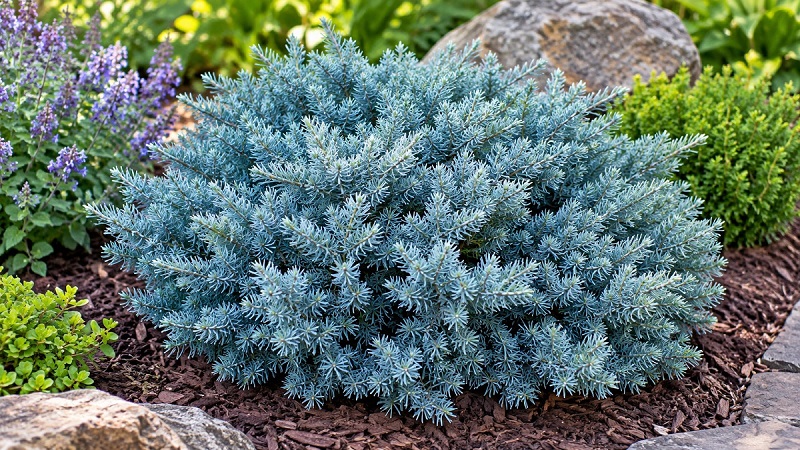
Growing & Caring for Blue Star Juniper
Learn how to grow and care for Blue Star Juniper (Juniperus squamata 'Blue Star'), including sunlight, soil, watering, pruning, propagation, and common problems.
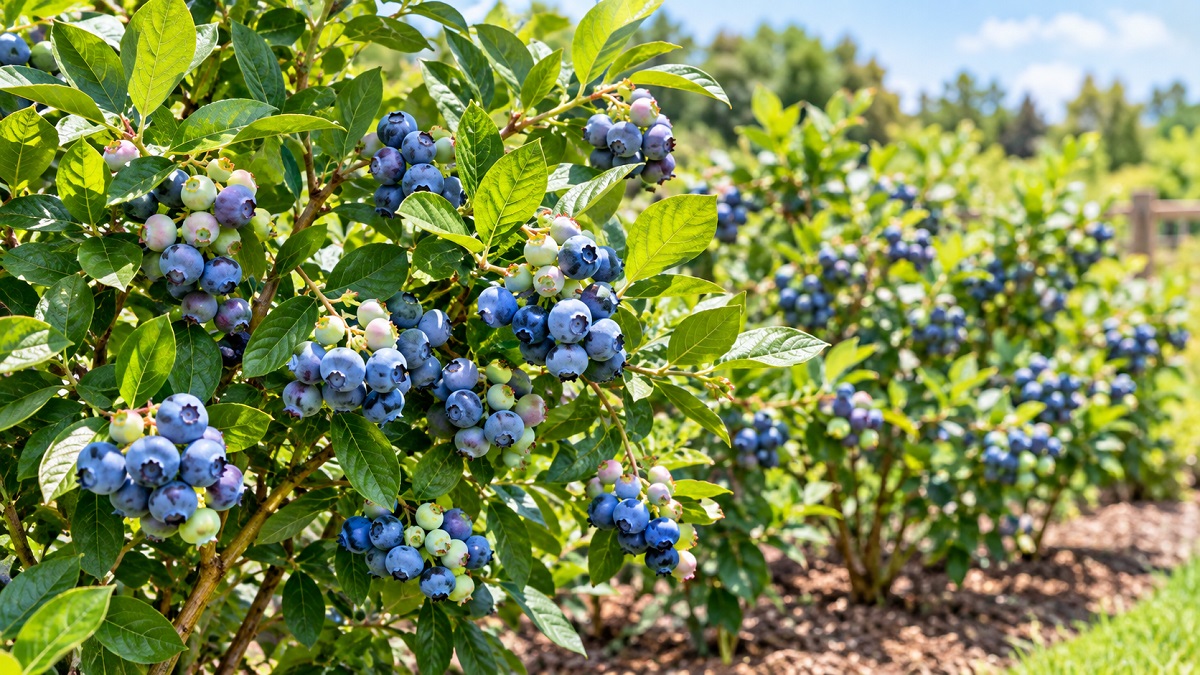
Blueberries are rewarding fruit plants for gardeners who can provide the conditions they need. Their clusters of small, bell-shaped spring flowers develop into berries that change from green to reddish-purple and finally blue as they mature. Many varieties also offer attractive autumn foliage, making these shrubs useful in edible gardens as well as ornamental borders.
Although blueberry bushes are sometimes described as easy-care fruit plants, they have one important requirement that sets them apart from many other garden crops: acidic soil. They grow best when the root zone remains within a narrow pH range, stays evenly moist, and drains well. Choosing a variety suited to the local climate is equally important because winter chilling requirements differ considerably among blueberry types.
Whether you plan to grow a few bushes in containers or establish a productive garden bed, understanding these basic needs will help you avoid common problems such as yellow leaves, weak growth, and disappointing harvests.
Blueberries at a glance: Acid-loving fruit shrubs that need suitable varieties, steady moisture, and good drainage.
Blueberries belong to the genus Vaccinium, which includes several species and numerous cultivated varieties. Their mature size, cold tolerance, fruiting season, and winter chilling requirements depend on the type and cultivar. The following table summarizes general characteristics of cultivated blueberries.
| Characteristic | Details |
|---|---|
| Common name | Blueberry |
| Botanical genus | Vaccinium |
| Plant family | Ericaceae |
| Plant type | Perennial woody shrub |
| Typical mature height | Approximately 1–6 feet for many garden cultivars; some rabbiteye varieties grow taller |
| Spread | About 2–6 feet for many highbush cultivars; varies by type |
| Growth habit | Upright, spreading, or compact, depending on the cultivar |
| Foliage | Green leaves, often turning red, orange, or burgundy in autumn |
| Flowers | Small, white or pinkish, bell-shaped flowers in spring |
| Fruit | Round berries, usually blue to blue-black when ripe |
| Sun exposure | Full sun is best for good fruit production; some afternoon shade may help in hot climates |
| Ideal soil pH | Approximately 4.5–5.5 |
| Soil preference | Acidic, organic-rich, moist, and well-drained |
| Water requirement | Regular moisture, especially during flowering and fruit development |
| Pollination | Many cultivars are self-fertile; a compatible second cultivar can improve fruit size and yield |
| Propagation | Softwood cuttings, hardwood cuttings, and specialized nursery propagation |
| Harvest season | Variety- and climate-dependent, often late spring through summer in suitable climates |
| Primary challenges | Incorrect soil pH, poor drainage, unsuitable winter chilling, birds, and root stress |
These measurements are general guidelines rather than fixed limits. Check the mature dimensions and climate requirements of a named cultivar before planting.
Blueberries are flowering plants in the heath family, Ericaceae. The genus Vaccinium contains many species, including blueberries, cranberries, and lingonberries. Garden blueberries are grown from several species and hybrids rather than from a single universal species.
| Classification | Scientific group |
|---|---|
| Kingdom | Plantae |
| Clade | Angiosperms |
| Clade | Eudicots |
| Order | Ericales |
| Family | Ericaceae |
| Genus | Vaccinium |
| Common cultivated species | Vaccinium corymbosum, Vaccinium angustifolium, and Vaccinium virgatum |
The species traditionally known as rabbiteye blueberry is also widely listed under the scientific name Vaccinium ashei. Some modern botanical treatments use Vaccinium virgatum. Plant labels may therefore differ.
Choosing the right type is one of the most important decisions when growing blueberries. A variety that thrives in a cold-winter region may perform poorly in a warm location because it does not receive enough winter chill. Other varieties are bred for milder winters and warmer summers.
Northern highbush blueberries, particularly Vaccinium corymbosum, are widely grown in regions with cold winters and moderate summers. Many cultivars grow approximately 4–6 feet tall, although compact and larger selections are available.
They can produce generous crops when the winter chilling requirement is met. Varieties such as 'Bluecrop', 'Duke', and 'Blueray' are familiar choices for suitable temperate climates.
Southern highbush blueberries are hybrids selected for milder winters and, in many cases, warmer growing conditions. Their chilling requirements vary by cultivar, so the label should be checked carefully.
Varieties such as 'Misty', 'O'Neal', and 'Emerald' are examples of southern highbush selections. Some are suitable for container growing or regions where northern highbush varieties do not receive sufficient winter chill.
Rabbiteye blueberries, associated with Vaccinium virgatum, are suited to many warm, humid regions. Plants can become large and vigorous, often growing taller than compact highbush cultivars.
'Brightwell', 'Powderblue', and 'Premier' are examples of rabbiteye cultivars. Cross-pollination between compatible varieties can improve production.
Lowbush blueberries, including Vaccinium angustifolium, are naturally low-growing plants associated with colder regions. They can spread through underground stems and are useful for groundcover-like plantings where climate and soil are suitable.
Their small stature does not mean they are suitable for every small garden. Winter conditions and cultivar availability still matter.
Different blueberry cultivars vary in flavor, fruit size, ripening time, plant size, and winter chilling needs. The examples below can help you begin comparing options, but they are not interchangeable across climates.
| Variety | Type | Notable characteristics |
|---|---|---|
| 'Bluecrop' | Northern highbush | Widely grown, productive, firm berries; suited to appropriate temperate climates |
| 'Duke' | Northern highbush | Early-season harvest and firm fruit |
| 'Blueray' | Northern highbush | Large berries with good flavor |
| 'Legacy' | Southern highbush | Can retain some foliage through mild winters |
| 'Misty' | Southern highbush | Early-season fruit; associated with lower-chill growing regions |
| 'Emerald' | Southern highbush | Productive cultivar developed for warmer growing regions |
| 'Brightwell' | Rabbiteye | Vigorous plant suited to many warm-climate growing areas |
| 'Powderblue' | Rabbiteye | Late-season characteristics in many growing regions |
| 'Top Hat' | Compact hybrid | Small stature that can suit patios and containers |
Before purchasing a plant, ask a reputable nursery which cultivars fruit reliably in your region. Confirm their chilling requirements, expected mature size, and pollination compatibility. In many areas, planting two compatible cultivars with overlapping flowering periods improves the harvest.
Blueberries grow best when their climate requirements match the local conditions. Northern highbush cultivars generally need colder winters than many southern highbush selections. Rabbiteye varieties are useful in several warm regions, but their performance still depends on cultivar and location.
Winter chilling refers to the cool temperatures a plant needs during dormancy to resume normal growth and flowering. Requirements vary considerably, from relatively low-chill selections to cultivars needing many hundreds of hours of winter cold. A plant that does not receive enough suitable chill may leaf out unevenly, flower poorly, or produce little fruit.
In areas with hot summers, protect the shallow root zone with mulch and avoid letting containers dry out. Some varieties benefit from light afternoon shade during extreme heat, although too much shade can reduce fruit production.
Blueberries are not generally suited to continuously hot tropical conditions. Gardeners in warm parts of India and similar climates should seek regionally tested low-chill cultivars and consider controlled growing conditions where necessary. Local agricultural universities and horticultural nurseries can help determine whether reliable fruit production is realistic in a particular location.
Blueberry bushes generally produce their best crops in full sun. Aim for around 6–8 hours of direct sunlight daily, with more sun often beneficial when temperatures are moderate.
In particularly hot climates, some protection from harsh afternoon sun may reduce heat stress. However, placing bushes in deep shade is not a good solution: plants may develop long, weak shoots and produce fewer flowers.
Soil acidity is one of the defining requirements of blueberry cultivation. Most garden blueberries perform best at a pH of approximately 4.5–5.5. In soil that is too alkaline, important nutrients—particularly iron—become less available, even when those nutrients are present.
Affected plants may develop yellow leaves with greener veins, reduced growth, and poor fruit production. Adding more general-purpose fertilizer will not necessarily solve the problem if the pH remains unsuitable.
Avoid applying aluminum sulfate as a routine acidifying treatment because excess aluminum can harm blueberry plants. Do not add large amounts of sulfur without guidance from a soil test or a qualified local adviser.
Raised beds or large containers filled with an appropriate acidic growing medium may be more practical than attempting to change an entire garden bed. A container also makes it easier to monitor drainage, moisture, and root-zone pH.
Planting time depends on the local climate and whether the nursery plant is dormant or actively growing. Early spring is suitable in many cold-winter regions, while mild-climate areas may have a wider planting window. Avoid planting during extreme heat.
Spacing depends on the cultivar and growing system. Many highbush plants are spaced approximately 4–5 feet apart, with wider spacing between rows. Compact varieties can be planted more closely when their mature size and airflow requirements permit.
Newly planted bushes benefit from establishing strong roots before carrying a heavy crop. Removing flowers during the first year, and sometimes the second, can help young plants direct more energy into vegetative growth.
Blueberries have shallow, fibrous root systems that are easily affected by drying soil. Consistent moisture is especially important during flowering, fruit development, and hot weather. At the same time, roots need oxygen, so constantly saturated soil should be avoided.
Avoid following a rigid watering schedule without checking conditions. A bush growing in a small pot during hot weather may need water much more often than one planted in a mulched garden bed during cool weather.
Water quality can also matter. Repeated irrigation with highly alkaline water may gradually raise the growing medium's pH. If pH problems persist despite suitable soil, consider testing the irrigation water.
Blueberries are not heavy feeders in the same way as some vegetable crops. They benefit from modest, well-timed applications of fertilizer formulated for acid-loving plants, provided the product is suitable for blueberries and the growing medium.
Ammonium-based nitrogen sources are commonly used in blueberry production, but the right product and application rate depend on the growing medium, irrigation water, and local recommendations. Do not assume that a fertilizer labeled for all-purpose garden use is appropriate.
Organic mulch helps retain moisture, suppress weeds, moderate root-zone temperatures, and gradually contribute organic matter. Pine bark, pine needles, and suitable aged wood products are common choices.
Maintain a loose mulch layer several centimetres deep, replenishing it as it breaks down. Keep the crown uncovered and avoid allowing wet mulch to remain packed tightly against stems.
Annual pruning keeps blueberry bushes productive by improving light penetration, removing damaged growth, and encouraging the development of vigorous new canes. Mature plants bear fruit on buds formed on the previous season's growth, so indiscriminate trimming can remove the coming crop.
In cold-winter climates, late winter or early spring during dormancy is a common pruning period. In warmer climates, follow local recommendations for the particular cultivar and growing cycle.
Young bushes usually need less pruning than established plants. During the first few years, concentrate on removing weak or damaged growth and building a sound structure. More substantial renewal pruning becomes important as the bush ages.
After pruning, clean up fallen plant material and disinfect tools between plants when disease is suspected. This helps reduce the spread of certain pathogens.
Container growing is a useful option for patios, balconies, small gardens, and locations where native soil is too alkaline. It also allows the root-zone medium to be managed more carefully.
Choose a sturdy pot with several unobstructed drainage holes. A mature blueberry generally needs a substantially larger container than a small nursery pot; a container around 15–25 gallons may be appropriate for many cultivars, depending on mature size and climate.
Use an acidic, airy, moisture-retentive medium intended for acid-loving plants. Suitable formulations may include aged pine bark and other components selected for acidity, drainage, and water retention. The exact mixture depends on local materials and growing conditions.
Container-grown blueberries can produce fruit, but they are not maintenance-free. In warm regions, a pot may overheat or dry rapidly, so careful placement and irrigation are essential.
Blueberries can be propagated from cuttings, although the time required for rooting and establishment varies by cultivar. For most home gardeners, purchasing a named nursery plant is the quickest way to obtain predictable fruit characteristics.
Softwood cuttings are taken from healthy, actively growing shoots when the stems are sufficiently developed but not fully hardened. They are placed in a clean, suitable propagation medium and kept humid with bright, indirect light. Bottom heat or controlled mist may improve success in some systems.
Hardwood cuttings are collected from mature dormant wood during the appropriate season. Rooting can be slow and inconsistent, and conditions vary by cultivar. Commercial growers may use specialized propagation methods to achieve reliable results.
Seed propagation is possible, but seedlings may not retain the characteristics of the parent cultivar. For consistent fruit quality, vegetative propagation or a correctly labeled nursery plant is preferable.
Blueberry flowers depend on pollinators, particularly bees, to transfer pollen and support fruit development. Although many cultivated varieties are self-fertile, cross-pollination between compatible cultivars often improves berry size, fruit set, and overall yield.
If space permits, plant two or more varieties whose flowering periods overlap and whose types are compatible. Some blueberry types, especially rabbiteye cultivars, have stronger cross-pollination requirements than others. Follow cultivar-specific recommendations rather than assuming any two blueberry plants will pollinate one another effectively.
Poor pollination is not the only reason for a small crop. Inadequate winter chill, excessive shade, unsuitable soil pH, drought, and overly aggressive pruning can all reduce fruit production.
Blueberry harvest dates depend on the cultivar, climate, and local growing season. In suitable temperate regions, berries may ripen from late spring through summer, with early-, mid-, and late-season varieties extending the harvest period.
Ripe blueberries are generally fully blue, with a characteristic dusty or waxy bloom on the skin. Color alone is not always enough: berries often need several additional days after turning blue to develop their best sweetness.
Taste a few berries before harvesting the entire cluster. Fully ripe fruit should detach relatively easily with a gentle touch. Firm berries that resist picking may need more time.
Keep blueberries dry until they are ready to be eaten or prepared for storage. Wash them shortly before use, and discard damaged or moldy fruit. Freezing is a practical way to preserve a surplus harvest.
Many blueberry problems begin below ground. Before treating leaves or applying additional fertilizer, examine soil acidity, moisture, drainage, and the plant's growing conditions.
| Problem | Possible cause | What to do |
|---|---|---|
| Yellow leaves with green veins | High soil pH or iron becoming unavailable | Test pH, review irrigation-water quality, and correct the root-zone conditions based on test results. |
| Brown, dry leaf edges | Drought, heat, fertilizer injury, or salt accumulation | Check root-zone moisture, review fertilizer use, and assess heat and water quality. |
| Weak or stunted growth | Unsuitable pH, damaged roots, inadequate light, or poor drainage | Check soil conditions and root health before applying more fertilizer. |
| Few flowers or berries | Insufficient winter chill, young plant, poor pollination, or excessive shade | Verify cultivar suitability and flowering conditions; encourage pollinators and allow young plants to mature. |
| Wilting despite wet soil | Waterlogged roots or root disease | Improve drainage, reduce excess irrigation, and investigate root damage. |
| Missing or damaged berries | Birds, insects, or fruit disease | Inspect fruit regularly and use appropriate physical protection or targeted controls. |
| Spotted leaves or dying twigs | Possible fungal or bacterial disease, weather injury, or other stress | Remove clearly diseased material, improve airflow, and identify the cause before selecting a treatment. |
| Very leafy growth with limited fruit | Excessive nitrogen, too much shade, or unsuitable pruning | Review feeding practices, sunlight, and the amount of productive wood removed. |
Depending on the region, blueberry plants may be affected by aphids, scale insects, fruit-feeding insects, mites, and birds. Inspect the undersides of leaves, tender shoots, flowers, and ripening fruit so that problems can be identified early.
Start with appropriate cultural controls, such as removing badly affected plant material, improving airflow, and using physical barriers. If a pesticide is necessary, choose one specifically labeled for the crop and target pest in your region, and follow all label instructions. Protect bees by avoiding hazardous treatments on open flowers.
Blueberries have relatively shallow roots and are vulnerable to extended periods of waterlogging. Raised beds, suitable growing media, careful irrigation, and organic mulch are useful preventive measures. If a plant repeatedly declines in wet soil, correcting drainage is more important than applying additional feed.
The following calendar is a general guide for climates with a distinct winter dormancy and a spring-to-summer growing season. Adjust tasks for your local climate, cultivar, and actual plant growth.
| Season | Recommended tasks |
|---|---|
| Late winter | Prune established dormant bushes, remove damaged canes, and check mulch and drainage. |
| Spring | Monitor new growth, apply suitable fertilizer according to instructions, maintain moisture, and protect flowers from frost where necessary. |
| Late spring to summer | Water consistently, monitor fruit development, protect berries from birds, and harvest when fully ripe. |
| Late summer | Maintain moisture during hot weather, inspect for pests and disease, and avoid excessive nitrogen late in the growing season. |
| Autumn | Remove fallen or diseased plant material, replenish mulch if needed, and review plant performance before the next season. |
| Warm or tropical climates | Follow the cultivar's actual growth cycle. Irrigation, pruning, and feeding may not correspond to a traditional temperate calendar. |
Blueberries can grow well at home if their main requirements are met. The most important factors are acidic soil, consistent moisture, good drainage, sufficient light, and a cultivar suited to the local climate. Containers can help when garden soil is unsuitable.
Most cultivated blueberries prefer soil with a pH of approximately 4.5–5.5. Testing before planting is recommended because unsuitable pH can limit nutrient availability and weaken growth.
Full sun generally produces the best fruit crops. Aim for around 6–8 hours of direct sunlight daily. In very hot climates, some afternoon shade may help reduce heat stress, but deep shade usually reduces flowering and fruit production.
Yes. Choose a compact cultivar, a suitably large pot with drainage holes, and an acidic growing medium. Container plants need closer monitoring of moisture, fertilizer, and pH than many in-ground plants.
Many varieties are self-fertile and can fruit alone. However, planting compatible cultivars with overlapping bloom times often improves berry size and yield. Some types benefit particularly strongly from cross-pollination.
A healthy nursery-grown bush may produce some fruit in its first few years, but a substantial crop takes longer. Growth rate, cultivar, climate, plant age, and care all affect the timeline. Removing flowers from very young bushes can help them establish.
Yellow leaves, particularly when the veins remain green, can indicate that soil pH is too high and iron is not readily available. Overwatering, root damage, and nutrient deficiencies can also cause yellowing. Check soil pH, moisture, drainage, and root health before treating the plant.
Water often enough to keep the root zone evenly moist without leaving it saturated. Frequency depends on rainfall, temperature, soil type, plant size, and whether the bush is growing in a pot or in the ground.
Some low-chill southern highbush and rabbiteye cultivars perform well in suitable warm regions. Success depends on the specific cultivar, local winter temperatures, soil acidity, summer heat, and irrigation. Blueberries are not generally adapted to continuously hot tropical conditions.
In many temperate climates, established bushes are pruned during late winter or early spring while dormant. Remove dead, damaged, weak, and crowded growth while preserving healthy one-year-old wood that will bear fruit.
Use a fertilizer formulated for acid-loving plants and suitable for blueberries. Apply it according to the label and local recommendations. Excess fertilizer can damage roots, and feeding alone will not correct an unsuitable soil pH.
Fully ripe berries are generally completely blue with a natural waxy coating and a sweet flavor. Some berries need several days after turning blue to reach full sweetness. Taste a few before picking the whole cluster.
Growing blueberries successfully starts with choosing the right cultivar and providing the acidic, well-drained soil these shrubs require. Consistent watering, sensible fertilization, organic mulch, and annual pruning help maintain healthy bushes, while suitable pollination and patient harvesting improve the quality of the crop.
If your native soil is alkaline or your climate does not suit conventional blueberry varieties, consider a container system and investigate locally tested low-chill selections. With the right combination of cultivar and growing conditions, blueberry bushes can become long-lived, productive additions to a home garden.
Continue exploring our gardening guides with more plant profiles, growing tips, and practical advice for creating a healthy, productive garden.