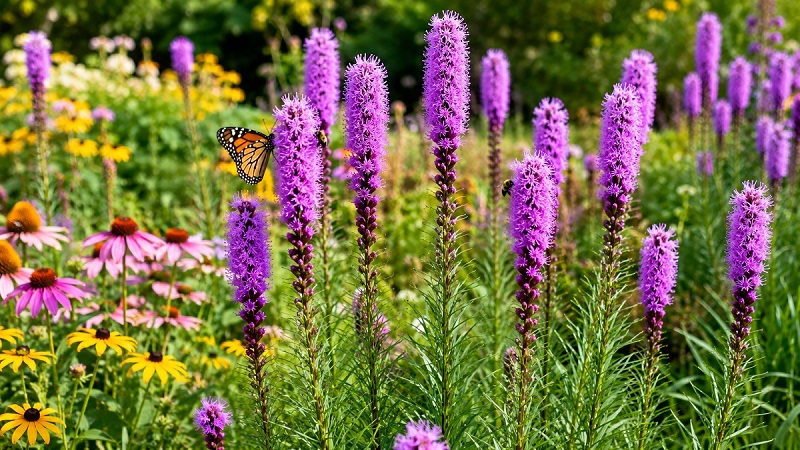
Growing & Caring for Blazing Star (Liatris)
Learn how to grow and care for Blazing Star (Liatris), including planting, sunlight, soil, watering, fertilizing, pruning, propagation, common problems, and pollinator-friendly landscape uses.
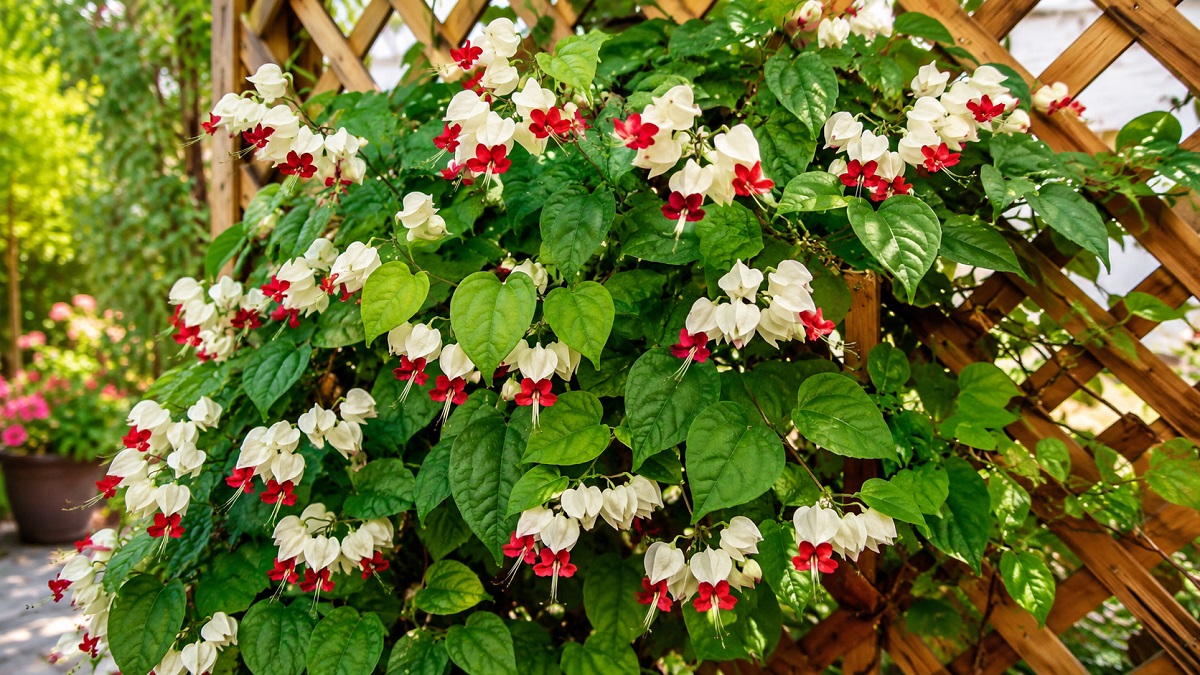
Bleeding heart vine (Clerodendrum thomsoniae) is a tropical climbing plant best known for its unusual flowers, which look like tiny hearts suspended among glossy green leaves. The flowers are actually made up of a white or cream-colored calyx surrounding a bright red corolla, creating the striking two-tone display that gives the plant its common name. With warmth, moisture, good light and a suitable support, this vigorous vine can become an impressive feature on a trellis, pergola, fence or patio.
Although it is often grown outdoors in warm climates, bleeding heart vine can also be grown in containers and brought indoors when temperatures become too cold. It naturally prefers tropical and subtropical conditions, so gardeners in cooler regions need to pay particular attention to winter protection. The plant can also be trained to remain relatively compact with regular pruning.
Give bleeding heart vine warmth, bright light, evenly moist soil and a sturdy support.
Bleeding heart vine, Clerodendrum thomsoniae, is a tropical climbing plant in the mint family, Lamiaceae. It is native to tropical parts of western Africa and has become a popular ornamental vine in warm-climate gardens and protected landscapes. Its combination of dark green foliage and contrasting flowers makes it especially attractive when grown against a light-colored wall, fence or trellis.
The plant's flowers are its main attraction. The white, balloon-like calyxes open to reveal vivid red flowers, creating the appearance of small red hearts emerging from pale greenish-white structures. The flowers are produced in clusters, and with suitable growing conditions the vine can remain attractive for a long period.
Bleeding heart vine is a twining climber rather than a self-clinging vine. It benefits from something it can wrap around or be tied to as it grows. Without support, long stems may trail or sprawl. With a trellis, arch or other framework, however, the plant can develop into a graceful vertical display.
One important point is that bleeding heart vine should not be confused with the familiar woodland perennial known as bleeding heart, Lamprocapnos spectabilis. The two plants have different growth habits, growing requirements and botanical identities. Bleeding heart vine is a warm-climate tropical climber, while the traditional bleeding heart is a completely different perennial.
The strongest feature of bleeding heart vine is its unusual flower combination. White calyces surround red flowers, producing a dramatic color contrast that is difficult to miss. The glossy foliage provides an attractive green background even when the plant is not in peak bloom.
In warm conditions, bleeding heart vine can grow vigorously and develop long flexible stems. Give it a trellis or other support early rather than waiting until the stems become tangled. Regular pruning helps maintain a manageable shape and encourages fresh growth.
The following table provides a quick reference for the main characteristics and care requirements of bleeding heart vine. Exact performance can vary with climate, cultivar, container size, light exposure and growing conditions.
| Characteristic | Bleeding Heart Vine |
|---|---|
| Botanical name | Clerodendrum thomsoniae |
| Common name | Bleeding heart vine |
| Plant family | Lamiaceae |
| Plant type | Tropical perennial climbing vine |
| Growth habit | Twining, vigorous climber |
| Flower color | White or cream calyx with red flowers |
| Foliage | Glossy green leaves |
| Light | Bright light to partial sun; protection from harsh afternoon sun can help in hot climates |
| Soil | Rich, fertile, moisture-retentive but well-draining soil |
| Soil pH | Slightly acidic to neutral soil is generally suitable |
| Watering | Regular watering; avoid prolonged waterlogging |
| Humidity | Moderate to high humidity preferred |
| Temperature | Warm conditions; protect from cold and frost |
| Hardiness | Warm USDA climates, commonly Zones 9–12 depending on conditions |
| Support | Trellis, arch, fence or other climbing structure |
| Pruning | Prune to control size, shape and encourage fresh growth |
| Propagation | Stem cuttings are a practical method; layering may also be used |
| Container growing | Yes, particularly useful in cooler climates |
Light has a major influence on the growth and flowering of bleeding heart vine. The plant generally performs best in bright light with some direct sunlight, although the ideal exposure depends on the climate. In a mild tropical or subtropical garden, it can handle more sun when its roots remain adequately moist. In very hot climates, intense afternoon sunlight can scorch foliage or cause the plant to wilt quickly.
A location receiving morning sun followed by afternoon shade is a useful starting point. This provides enough light for healthy growth while reducing exposure to the hottest part of the day. Bright filtered light can also work well, particularly when the plant is grown on a covered patio or beneath light tree canopy.
Too little light is one of the common reasons a mature vine produces lots of foliage but few flowers. Stems may become long and weak as the plant stretches toward a light source. If flowering is poor, consider whether the plant is receiving enough bright light before immediately adding more fertilizer.
Bleached patches, scorched leaf margins, excessive midday wilting and dry, crispy foliage can indicate that the plant is receiving more intense sunlight than it can comfortably handle. Moving it to filtered light or providing afternoon protection can help.
Sparse foliage, long gaps between leaves and weak flowering often indicate inadequate light. Gradually move the plant toward a brighter position rather than suddenly exposing a shaded plant to strong direct sun.
Bleeding heart vine prefers fertile soil that retains some moisture while allowing excess water to drain away. The ideal growing medium should not remain saturated after watering. Poor drainage can deprive roots of oxygen and increase the risk of root problems.
Garden soil can be improved with organic matter before planting. Well-aged compost can increase fertility and improve the structure of many soils. If the native soil is heavy clay, improve drainage rather than simply adding more water-retaining material.
For containers, use a high-quality potting mix rather than ordinary garden soil. A mix containing materials that promote drainage and aeration is especially useful because container roots have less room to escape excess moisture.
Select a location where the vine has room to climb and where its support will remain stable as the plant becomes larger. A wall, fence or trellis can provide a suitable background, but make sure air can circulate around the foliage.
Avoid planting directly in a low area where water collects after heavy rain. Bleeding heart vine enjoys moisture but does not benefit from roots sitting in stagnant water.
Plant bleeding heart vine outdoors when temperatures are reliably warm and the danger of cold weather has passed. Tropical vines establish more readily when planted during warm, active growth rather than during a cool period.
Clear weeds and grass from the planting area and loosen the soil. Incorporate suitable organic matter if the soil is poor. Check that water drains freely rather than remaining around the planting hole.
Remove the plant from its nursery container carefully and inspect the roots. If roots are tightly circling the outside of the root ball, gently loosen a few of them before planting.
Set the plant at approximately the same depth at which it was growing in its container. Avoid burying the stem deeply, as excessive moisture around the base can create unnecessary problems.
Fill around the root ball with prepared soil and firm it gently. Water thoroughly so the soil settles around the roots. Keep the root zone evenly moist during the establishment period.
Install a trellis, arch or other support at planting time. It is much easier to guide young stems while they are flexible than to untangle a mature vine later.
A layer of organic mulch can help reduce evaporation and moderate soil temperature. Keep mulch slightly away from the main stem rather than piling it directly against the plant.
Bleeding heart vine appreciates consistent moisture during active growth. The goal is to prevent the root zone from becoming bone dry while also avoiding constantly saturated soil.
Check the soil rather than watering according to a rigid calendar. Weather, soil type, container size and sunlight can all change how quickly moisture disappears. During hot weather, plants in containers may need water considerably more often than plants growing in the ground.
Water deeply enough to moisten the root zone. Allow excess water to drain away. For container plants, empty standing water from saucers after watering so the roots are not left sitting in water.
Hot, dry weather increases water demand. If leaves repeatedly wilt during the afternoon and the soil is dry, increase the frequency of watering or move a container to a slightly less exposed location.
When growth slows during cooler weather, the plant generally uses less water. Reduce watering accordingly, especially for indoor or container-grown plants. The soil should not remain wet for long periods.
Warm temperatures and moderate to high humidity suit bleeding heart vine. This is a tropical plant, so cold exposure can cause stress, leaf damage and dieback. Frost can be particularly damaging.
In dry indoor environments, a plant may benefit from a more humid location, but good air circulation remains important. Avoid keeping foliage constantly wet or placing the plant in a stagnant corner.
If your climate experiences cool winters, container growing provides a practical solution. The vine can remain outdoors during warm months and be moved into a bright, protected location before temperatures become damaging.
Do not wait until the plant has already suffered severe cold damage. If a cold spell is expected, move container-grown vines into shelter. Outdoor plants in marginal climates may need protection, although prolonged cold conditions can still cause substantial damage.
Bleeding heart vine grows best when nutrients are available during active growth. A balanced fertilizer can be used according to the product's label directions. Avoid assuming that more fertilizer will automatically produce more flowers.
Excessive nitrogen can encourage lush foliage at the expense of flowering. If the plant is already producing vigorous leaves but few flowers, review light, pruning and watering conditions before increasing fertilizer.
Container-grown plants may require more regular feeding because nutrients can be depleted from the potting mix through repeated watering. Use a fertilizer appropriate for flowering ornamental plants and follow the recommended dilution and frequency.
Feeding is generally most useful during active growth. When the plant enters a cooler or slower-growing period, reduce feeding rather than continuing a heavy fertilizing schedule.
Bleeding heart vine naturally wants to climb, so support is an important part of its care. A sturdy trellis, fence, pergola or garden arch can turn the plant into an attractive vertical feature.
Young stems can be gently directed toward the support. Use soft ties if necessary and avoid tying stems so tightly that they become constricted as they grow.
Regularly check the vine during the growing season. Redirect stems that are growing away from the desired area and remove excessively tangled growth. Training is much easier when performed gradually.
Pruning helps control the size of bleeding heart vine, maintain an attractive shape and encourage fresh growth. Without pruning, a vigorous vine can become tangled or extend beyond its intended growing area.
Remove dead, damaged or weak stems first. Then shorten excessively long shoots to maintain the desired shape. Clean, sharp pruning tools make clean cuts and reduce unnecessary damage.
Heavy pruning is best timed around the plant's active growth cycle rather than performed repeatedly during periods of cold or severe stress. In warm climates, light shaping can be done as needed.
Light pruning after a flowering period can help tidy the vine and stimulate branching. Do not remove healthy growth simply because the plant looks vigorous; retain enough stems and foliage for continued photosynthesis and recovery.
Container-grown bleeding heart vines can be pruned more regularly to keep them within the available space. Pinching or shortening long shoots encourages branching and can create a fuller plant rather than one dominated by a few long stems.
A healthy bleeding heart vine does not need complicated treatment to flower well, but several basic conditions need to work together. Adequate bright light is particularly important. Plants kept in deep shade may grow leaves without producing many flowers.
Consistent watering, warm temperatures and appropriate nutrition also contribute to flowering. Avoid allowing the plant to experience repeated severe drought followed by heavy watering.
Pruning can help create new flowering growth, but excessive pruning can delay flowering if developing shoots are continually removed. Give the vine time to produce mature growth after shaping.
If your plant is healthy but flowering poorly, work through the basics in order: light, temperature, watering, fertilizer balance and pruning. Changing several factors at once can make it difficult to determine what actually helped.
Stem cuttings are a practical way to produce new bleeding heart vine plants. Propagation is generally easiest when the parent plant is actively growing and healthy.
Choose a healthy stem and take a suitable cutting using clean, sharp pruning shears. Remove lower leaves so that the lower portion of the cutting can be placed into a suitable propagation medium.
Keep the medium lightly moist and place the cutting in bright, indirect light. Warm conditions can encourage rooting. Avoid excessive watering because a cutting that remains constantly wet can rot before roots develop.
Once the cutting has developed a healthy root system and begins producing new growth, it can gradually be moved into a larger container or planted in its permanent location.
Layering can also be useful with flexible stems. A section of stem can be encouraged to root while it remains attached to the parent plant. After roots form, the rooted section can be separated and grown independently.
Regardless of the propagation method, begin with a healthy parent plant. Avoid taking cuttings from vines that are severely stressed, diseased or heavily infested with pests.
Container growing is an excellent option for gardeners outside the plant's preferred warm climate. It also makes it easier to control the soil, move the vine into shelter and keep its size manageable.
Choose a container with drainage holes and enough room for the root system to develop. The container should also be stable enough to support the plant and its climbing structure. A top-heavy vine can easily tip over when grown in a lightweight pot.
Use a well-draining potting mix and monitor moisture more closely than you would in the ground. Containers can dry rapidly during hot weather, but they can also remain wet for a long time in cool conditions.
Repot when the plant has outgrown its container or when roots have become densely packed. Move the plant into a moderately larger container rather than making a dramatic jump to a very large pot.
After repotting, water thoroughly and place the plant in a protected, bright location while it adjusts. Avoid heavy fertilizer immediately after repotting unless the potting mix specifically requires it.
Overwintering is one of the most important considerations for gardeners in cooler regions. Bleeding heart vine is adapted to warm conditions and does not tolerate freezing temperatures well.
Container-grown plants can be moved indoors or into a heated greenhouse before cold weather arrives. Choose a bright location away from cold drafts, heating vents and sudden temperature changes.
Indoor plants usually require less water during a slower winter period. Check the soil before watering and avoid keeping the container continuously saturated.
If the plant loses some leaves after being moved indoors, do not immediately assume it is dying. Changes in light, humidity and temperature can cause temporary stress. Focus on providing stable conditions and watch for new growth.
When warm weather returns, transition the plant gradually. A vine that has spent months indoors can be sensitive to intense outdoor sunlight. Start with bright filtered light and gradually increase exposure over several days or longer.
Bleeding heart vine can experience many of the same pest problems as other tender ornamental plants. Aphids, mealybugs, whiteflies and spider mites may become troublesome, especially when plants are stressed or grown in warm, dry indoor conditions.
Aphids are small sap-feeding insects that often gather on tender shoots and the undersides of leaves. They may cause distorted new growth and can produce sticky honeydew.
Inspect new growth regularly. A strong spray of water can dislodge some aphids, while persistent infestations may require an appropriate garden treatment used according to its label.
Mealybugs appear as small cottony or waxy clusters, often around leaf joints and stems. They can weaken a plant by feeding on sap.
Remove visible insects when practical and isolate heavily infested container plants from other houseplants. Continue inspecting the plant because hidden insects can survive and reproduce.
Spider mites are more likely to become troublesome in hot, dry conditions. Fine webbing, stippled leaves and declining foliage can indicate an infestation.
Improving humidity and reducing plant stress can make conditions less favorable for spider mites. Regularly inspect the undersides of leaves.
Persistent overwatering and poor drainage can create root problems. Symptoms can include yellowing foliage, wilting despite wet soil and general decline.
If the soil stays wet for an unusually long time, address the drainage problem rather than simply adjusting the watering schedule.
Yellow leaves can have several causes, so the surrounding symptoms matter. Older leaves naturally age and may yellow before dropping, but widespread yellowing deserves closer inspection.
Overwatering is one possibility, particularly when the soil remains wet for extended periods. Insufficient light can also contribute to weak growth and poor foliage color. Nutrient deficiencies, sudden environmental changes and pest infestations should also be considered.
Start by checking the soil moisture, drainage, light level and undersides of leaves. Look at the whole plant rather than treating yellow leaves as a problem with only one possible cause.
Lack of flowers is a common frustration with ornamental vines, but the cause is often related to growing conditions rather than a serious disease.
First, check the amount and quality of light. A plant growing in deep shade may remain leafy without producing an impressive flower display. Next, consider whether the plant is receiving enough warmth and whether it has been pruned too heavily.
Excessive nitrogen can also promote vigorous foliage at the expense of flowers. If the vine looks extremely lush but rarely blooms, review your fertilizer program rather than simply increasing the dose.
Finally, remember that young or recently transplanted plants may need time to establish. Give the plant stable conditions before making repeated major changes.
Bleeding heart vine is especially effective when grown vertically. Its climbing habit allows gardeners to use walls, fences and garden structures without requiring a large amount of ground space.
A trellis placed near a patio or entrance can showcase the flowers at eye level. The vine can also be trained across an arch or pergola where the hanging flower clusters become part of the overall garden structure.
In containers, the plant works well on balconies, terraces and sheltered patios where there is sufficient warmth and light. A decorative support placed inside the pot can turn the vine into a living screen.
The dark green foliage also pairs nicely with plants having contrasting leaf textures. When selecting companion plants, choose species that enjoy similar light and moisture conditions rather than simply choosing plants based on flower color.
The unusual red-and-white flowers make bleeding heart vine particularly useful as an accent plant. Instead of allowing it to disappear into a mixed border, give it a clearly defined support and enough space to display its flowering stems.
| Season | Recommended Care |
|---|---|
| Spring | Resume active watering as growth increases, check supports, prune damaged growth and begin feeding when vigorous growth starts. |
| Summer | Maintain consistent moisture, provide suitable light, guide new stems and monitor regularly for pests. |
| Autumn | Reduce feeding as growth slows and prepare container plants for movement indoors where winters are cold. |
| Winter | Protect from cold, provide bright light, reduce watering when growth slows and avoid keeping the soil constantly wet. |
Yes. In warm climates where winter temperatures remain suitable, bleeding heart vine can grow as a perennial tropical vine. In colder regions it is often grown in a container and protected indoors during winter.
Bleeding heart vine generally prefers bright light with some direct sun. Morning sun and afternoon shade can work particularly well in hot climates. Too little light may result in weak growth and reduced flowering.
Yes. It can be grown indoors when placed in a bright location and provided with suitable warmth, humidity and a climbing support. Indoor plants should not be kept in constantly wet soil.
A trellis or other support is strongly recommended because bleeding heart vine is a climbing plant. Its flexible stems can be trained onto a trellis, fence, arch or similar structure.
Water when the soil begins to dry rather than following a fixed schedule. The plant prefers consistent moisture during active growth but should not remain in saturated soil. Container plants may need more frequent watering during hot weather.
Insufficient light is a common possibility, but excessive nitrogen, unsuitable temperatures, severe stress and excessive pruning can also affect flowering. Review the plant's overall growing conditions before increasing fertilizer.
It can remain outdoors year-round in suitably warm climates, but it is vulnerable to cold and frost. Gardeners in colder regions should grow it in a container or otherwise provide substantial winter protection.
Yes. Container growing is particularly useful when the local climate is too cold for year-round outdoor cultivation. Use a well-draining potting mix, a container with drainage holes and a sturdy climbing support.
Stem cuttings are a practical propagation method. Take healthy cuttings during active growth, place them in a suitable propagation medium and maintain warm, lightly moist conditions until roots develop.
No. Bleeding heart vine is Clerodendrum thomsoniae, a tropical climbing plant. The familiar bleeding heart perennial belongs to a different genus and has different care requirements.
Growing and caring for bleeding heart vine becomes much easier when its tropical nature is taken into account. The plant wants warmth, bright light, consistent moisture, fertile but well-draining soil and a structure that allows its flexible stems to climb.
Its spectacular red-and-white flowers make the extra attention worthwhile. A well-positioned vine can transform a trellis, fence, patio or pergola into a colorful vertical feature. Regular pruning keeps the plant under control, while proper training gives it an attractive shape.
Gardeners in cooler regions should consider container growing so the plant can be protected from damaging winter temperatures. With appropriate overwintering, it can return to vigorous growth when warm weather arrives.
The most important care principle is balance. Keep the soil moist without making it waterlogged, provide plenty of bright light without exposing the plant to damaging heat, feed during active growth without overfertilizing, and prune enough to maintain shape without constantly removing developing shoots. Once these basic needs are met, bleeding heart vine can become a long-lived and rewarding tropical climber.
← Back to Plant GuidesContinue exploring our gardening guides with more plant profiles, growing tips, and practical advice for creating a healthy, productive garden.