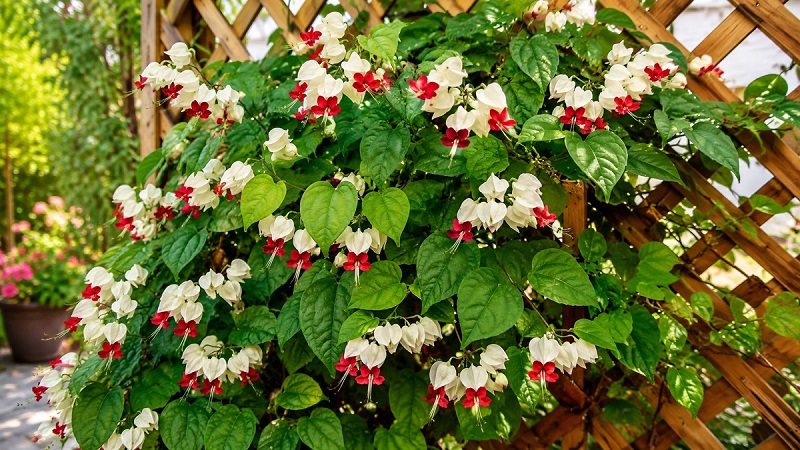
Growing & Caring for Bleeding Heart Vine (Clerodendrum thomsoniae)
Learn how to grow and care for bleeding heart vine (Clerodendrum thomsoniae), including sunlight, soil, watering, pruning, propagation, flowering, pests, and winter care.
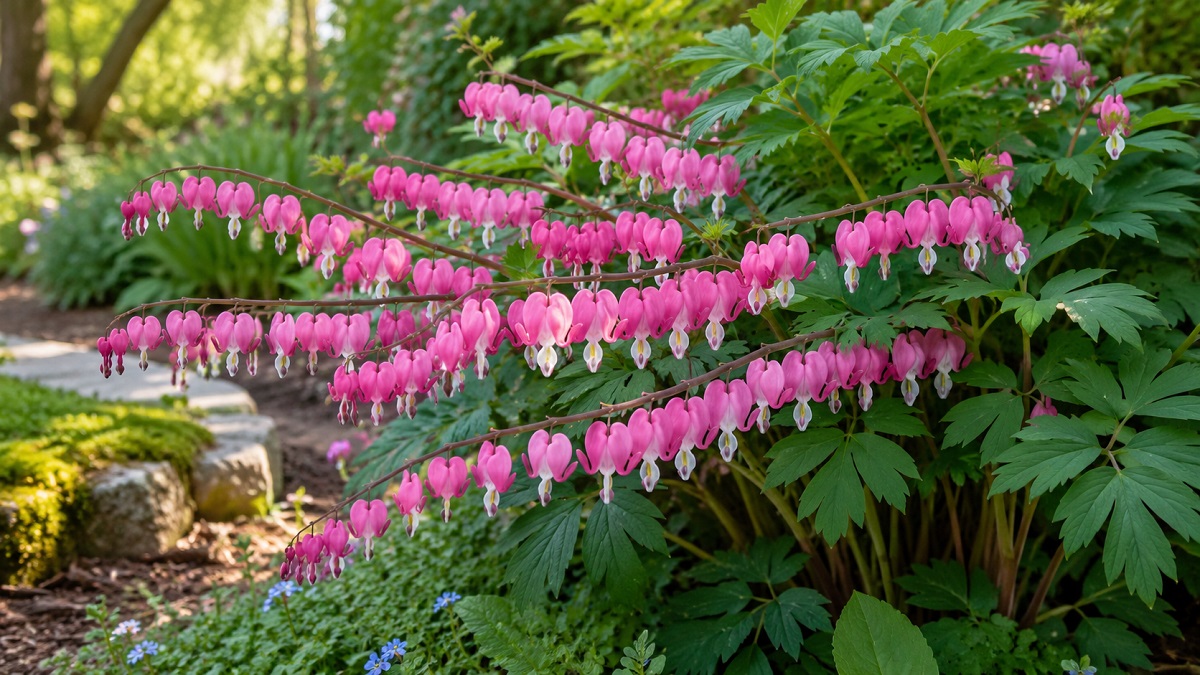
Bleeding heart is one of those garden plants that can make spring feel especially memorable. Its arching stems carry delicate, heart-shaped flowers that hang in a row like tiny ornaments, usually appearing in shades of pink and white. The plant has an elegant, woodland character and looks particularly natural when grown beneath trees, along shaded borders, or beside paths where its unusual flowers can be appreciated up close.
Despite its delicate appearance, bleeding heart is generally easy to grow when its basic needs are understood. It prefers bright shade or partial shade rather than intense afternoon sun, and it performs best in soil that stays evenly moist without becoming waterlogged. Good organic matter, adequate drainage, and protection from harsh heat can make a significant difference to its performance.
The common bleeding heart discussed in this guide is Lamprocapnos spectabilis, formerly widely known as Dicentra spectabilis. It is a herbaceous perennial that emerges in spring, flowers during the cooler part of the growing season, and may naturally die back after flowering as temperatures rise. That seasonal disappearance is normal and should not be mistaken for plant failure.
The simplest rule for bleeding heart is cool conditions, partial shade, and consistently moist but well-drained soil.
Bleeding heart belongs to the poppy family, Papaveraceae, and is best known for its distinctive flowers. Each flower has a heart-like shape with a small protruding inner portion, giving the plant its memorable common name. The flowers are carried on graceful, arching stems and can create a particularly attractive display when several plants are grown together.
The foliage is also ornamental. Leaves are finely divided and usually have a soft green appearance, creating a light texture rather than the heavy mass produced by many large-leaved shade plants. This makes bleeding heart useful in woodland-style gardens where contrast between leaf shapes is important.
One characteristic that sometimes surprises new gardeners is its tendency to go dormant. After the spring flowering period, foliage may gradually yellow and disappear, especially when summer becomes hot or dry. This is a natural part of its growth cycle. Rather than replacing the plant, mark its location and continue to care for the surrounding soil.
Bleeding heart is particularly valuable in gardens where spring interest is important. It can flower before many summer perennials reach their peak, helping bridge the gap between early spring bulbs and later shade-loving plants.
Use the following table as a quick reference when planning a location for bleeding heart. Local climate, soil type, rainfall, and the specific cultivar can influence the exact results.
| Characteristic | Bleeding Heart Care |
|---|---|
| Botanical Name | Lamprocapnos spectabilis |
| Former Botanical Name | Dicentra spectabilis |
| Plant Type | Herbaceous perennial |
| Family | Papaveraceae |
| Flowering Season | Primarily spring |
| Flower Colors | Commonly pink and white, with cultivar variation |
| Light Requirement | Partial shade to bright shade |
| Soil Type | Fertile, moisture-retentive but well-drained soil |
| Soil Moisture | Consistently moist, especially during active growth |
| Drainage | Good drainage is essential |
| Typical Height | Approximately 2–3 ft (60–90 cm) |
| Growth Habit | Clump-forming with arching flower stems |
| Pruning | Remove spent or yellowing growth as appropriate |
| Propagation | Division, root cuttings, or seed |
| Best Garden Use | Shade borders, woodland gardens, cottage gardens, and mixed perennial beds |
The location you choose is one of the most important factors in growing healthy bleeding heart. In its preferred environment, the plant enjoys the cooler conditions associated with woodland edges and partially shaded gardens. A site with morning light and afternoon protection is often a good choice.
In cooler climates, bleeding heart can tolerate more light, particularly if the soil remains reliably moist. In warmer regions, however, strong afternoon sun can cause the foliage to wilt, scorch, or disappear earlier than expected. If your summers are hot, look for a location protected from the strongest afternoon rays.
Choose an area with filtered sunlight, fertile soil, good drainage, and enough moisture to prevent the root zone from drying repeatedly. The edge of a deciduous tree canopy can be particularly attractive because spring light may reach the plant before the tree produces a dense canopy.
Avoid locations that remain saturated after rain or receive intense reflected heat from walls and paving. Bleeding heart appreciates moisture, but constantly soggy soil can create serious root problems.
Give a mature plant enough room to develop a broad clump without being crowded by aggressive neighboring plants. Good air circulation is useful, even in shady areas. Overcrowding can make watering and maintenance more difficult and may encourage foliage problems when conditions remain damp for long periods.
Bleeding heart grows best in soil that combines moisture retention with drainage. Garden soil that is rich in organic matter is particularly useful because organic matter can help hold moisture while improving the structure of heavier soil.
If your soil is sandy and dries quickly, incorporate well-decomposed organic matter before planting. If the soil is heavy clay, improve drainage and structure rather than simply adding more water. The goal is a root environment that remains pleasantly moist but does not stay saturated.
Before planting, loosen the soil to a reasonable depth and remove large stones, roots, and persistent weeds. Adding compost can improve the soil's physical condition and provide a gentle supply of nutrients.
Do not create a planting hole filled with a completely different soil from the surrounding garden. A sharp difference between the planting hole and native soil can interfere with water movement. Instead, improve the broader planting area where possible.
Although bleeding heart likes moisture, it is not a bog plant. Water should be able to move through the root zone after heavy rainfall. If water routinely stands around the plant, consider raising the planting area or selecting a better-drained location.
Bleeding heart can be planted from nursery-grown plants, divisions, or dormant roots depending on what is available locally. Spring is often a convenient planting season because the plant can establish while temperatures are moderate. Early fall can also work in suitable climates, giving roots time to settle before severe winter weather.
Clear weeds and loosen the soil. Mix in compost or another well-decomposed organic amendment if the soil is poor. Avoid fresh manure because it can be too strong for tender roots.
Set the plant at approximately the same depth at which it was growing in its container. Avoid burying the crown deeply. Spread the roots naturally rather than forcing them into a tight hole.
Return the prepared soil around the root ball and firm it gently. Do not compact the soil excessively. A loose but stable soil structure allows roots to access oxygen and moisture.
Water immediately after planting so that the soil settles around the roots. Continue monitoring moisture while the plant establishes, particularly during periods of dry weather.
A thin layer of organic mulch can help reduce evaporation and moderate soil temperature. Keep mulch slightly away from the crown and stems to reduce the risk of persistent dampness around the plant's base.
Consistent moisture is one of the most important parts of bleeding heart care. The plant should not repeatedly swing between extremely dry soil and saturated soil. During active spring growth, check the soil regularly and water when the upper portion begins to dry.
Newly planted bleeding hearts usually need closer attention than established plants. Their root systems are still developing, so they can dry out faster than plants that have occupied the same soil for several seasons.
Water deeply enough to moisten the root zone rather than giving frequent, shallow sprinkles. Morning watering is generally preferable because it gives foliage and the soil surface time to dry during the day.
As summer temperatures increase, the plant may naturally begin to decline and enter dormancy. Do not respond by keeping the soil constantly soaked. Once the plant has clearly finished its active growth, watering needs can decrease, although newly planted specimens should not be allowed to become severely dry.
Wilting during active growth can indicate insufficient moisture, excessive heat, root damage, or another stress. Yellowing foliage can also result from natural seasonal dormancy, so consider the time of year before assuming that watering is the problem.
Partial shade is usually the sweet spot for bleeding heart. A few hours of gentle sunlight combined with protection from intense afternoon heat can provide enough light for good growth without placing excessive stress on the plant.
In cooler climates, morning sun can be beneficial. In warmer climates, filtered light beneath deciduous trees or a shaded border may be more suitable. Watch the plant rather than relying only on a fixed number of hours of sunlight because the intensity of sunlight changes considerably from one climate to another.
Bleeding heart is a cool-season perennial and generally handles winter cold well when grown in an appropriate climate and established properly. The underground portion of the plant remains dormant while the above-ground growth disappears.
Heat is often more challenging than cold. Prolonged hot weather can cause the foliage to yellow and die back earlier. This is not necessarily a sign that the plant has been killed. In many cases, the plant is simply completing its natural seasonal cycle.
Bleeding heart usually does not require an aggressive fertilizer program. If planted in fertile soil containing adequate organic matter, it can grow well with relatively modest feeding.
A layer of finished compost around the plant in spring can provide nutrients while improving soil structure. If you choose to use a commercial fertilizer, follow the product label and avoid excessive applications. Too much nitrogen can encourage soft, leafy growth at the expense of balanced plant development.
New plants should not be heavily fertilized immediately after planting. Give the root system time to establish. Good soil preparation, moisture management, and appropriate light are more important than trying to force rapid growth with fertilizer.
Mulch can be especially useful for bleeding heart because it helps maintain more consistent soil moisture and moderates temperature around the roots. Organic materials such as shredded leaves, compost, or well-aged bark can work well.
Apply mulch in a moderate layer rather than creating a deep pile around the crown. Keep the immediate area around the stems open so air can circulate and the crown does not remain wet.
Mulch also suppresses weeds. This matters because bleeding heart has relatively soft, delicate growth that can be damaged during aggressive weeding. Pull weeds carefully by hand around established plants.
Bleeding heart does not require complicated pruning. Most maintenance consists of removing damaged growth, clearing spent flower stems when desired, and allowing the plant to complete its natural seasonal cycle.
Once flowering has finished, you can remove individual spent flower stems to keep the planting area tidy. However, there is no need to remove healthy green foliage simply because flowering is over. The leaves continue contributing to the plant's seasonal growth cycle.
When foliage naturally yellows and begins to die back, you can cut it to ground level once it is clearly finished. Avoid cutting healthy green growth prematurely. The timing of dormancy varies with climate, soil moisture, temperature, and exposure.
In climates where the plant dies completely back, the dormant bed can be cleaned up once the foliage has disappeared. A light mulch layer can help protect the root zone from temperature fluctuations without smothering the crown.
Bleeding heart can be propagated in several ways, although division is one of the most practical methods for gardeners who already have an established plant. Seed propagation is possible but generally requires more patience.
Division involves separating an established clump into smaller sections, each containing viable roots and growing points. This is best undertaken when the plant is dormant or during a suitable cool period, rather than when it is actively flowering in hot weather.
Lift the clump carefully, taking care not to damage the roots. Separate the plant into suitable sections using clean tools when necessary, then replant the divisions promptly. Water thoroughly after replanting and keep the soil reasonably moist while they establish.
Root cuttings can also be used, although this method is less familiar to many home gardeners. It requires careful handling and appropriate propagation conditions. If your goal is simply to create another garden clump, division is often more straightforward.
Growing bleeding heart from seed can be rewarding but slower. Seeds may have specific germination requirements and can take considerably longer to produce flowering-sized plants than nursery-grown specimens. Seed-grown plants may also vary from named cultivars.
Bleeding heart can be grown in containers if the pot provides adequate root space, drainage, and moisture management. Container growing is particularly useful when you want to place the plant in a shaded patio area or create a temporary spring display.
Choose a container with drainage holes. Use a quality potting mix rather than heavy garden soil. The mix should retain some moisture while allowing excess water to drain away.
Containers dry more quickly than garden beds, so check moisture frequently during active growth. At the same time, do not leave the pot standing in a saucer filled with water.
Once the plant enters dormancy, its water requirements will change. Continue to consider the condition of the root system, but avoid treating a dormant plant as though it were actively producing foliage and flowers.
Bleeding heart is not generally regarded as an especially troublesome garden plant, but several common garden problems can occur. Most are easier to prevent through proper site selection and care than to correct later.
Aphids may occasionally gather on tender stems or new growth. Small populations can often be managed by washing them away with a gentle stream of water. Encourage natural predators such as lady beetles and other beneficial insects whenever possible.
Shady, moist gardens can also attract slugs and snails. They may feed on young foliage, particularly during wet weather. Remove hiding places, avoid excessive surface moisture, and monitor plants regularly.
Persistently waterlogged soil can damage roots and weaken the plant. Symptoms may include poor growth, yellowing, wilting despite wet soil, or gradual decline. Improving drainage is more useful than simply applying additional fertilizer.
If the foliage disappears earlier than expected, consider heat and drought before assuming disease. Bleeding heart naturally retreats after its spring display, and hot summer conditions can accelerate that process.
Fungal problems can become more likely when foliage stays wet for extended periods and air movement is poor. Water the soil rather than repeatedly wetting the leaves, provide reasonable spacing, and remove badly affected plant material where appropriate.
Good flowering begins with the right growing conditions rather than a heavy feeding schedule. Bleeding heart needs enough light for healthy growth, adequate moisture, and a soil environment that supports a strong root system.
Plants that receive too much intense sun may become stressed, while plants grown in extremely dark locations may produce weaker growth and fewer flowers. Try to find the balance between shade and usable light.
Consistent moisture during active spring growth is also important. Drought stress during the period when flower buds are developing can reduce the quality of the display.
Do not be discouraged if an established plant seems to vanish after flowering. Its disappearance is part of its normal seasonal behavior. Marking the location can prevent accidental digging or planting over the dormant crown.
| Season | What to Do | What to Watch For |
|---|---|---|
| Early Spring | Watch for new shoots, maintain moisture, and clear heavy debris carefully. | Late frosts, slugs, and drying soil. |
| Spring | Water consistently, enjoy flowering, and apply compost if needed. | Aphids, drought stress, and overcrowding. |
| Late Spring | Remove spent flowers if desired and continue normal moisture care. | Increasing heat and natural foliage decline. |
| Summer | Allow natural dormancy and avoid excessive watering once growth has died back. | Heat, drought, and accidental disturbance of dormant roots. |
| Autumn | Clean up dead foliage and maintain a light organic mulch layer. | Waterlogged soil and excessive mulch around the crown. |
| Winter | Leave the dormant plant undisturbed and monitor container plants for extreme dryness or saturation. | Severe temperature fluctuations and poor drainage. |
Bleeding heart works especially well with other plants that appreciate similar woodland or shade-garden conditions. The goal is to create a planting that continues to look attractive even after bleeding heart enters summer dormancy.
Hostas can provide broad leaves that contrast beautifully with the finely divided foliage of bleeding heart. Ferns are another natural companion because their textures complement the plant's soft, arching habit.
Heucheras can add persistent foliage color, while astilbes can provide later-season flowers in areas with suitable moisture. Spring bulbs can also be useful because they often bloom before or alongside bleeding heart and occupy a different visual layer.
When selecting companions, remember that the plant will eventually disappear for the season. Choose plants that can fill the space without aggressively competing with the dormant crown.
Bleeding heart can tolerate more light in some cool climates, but intense afternoon sun can be stressful. In warm regions, filtered or afternoon shade is usually a safer choice.
Moist soil is desirable; stagnant, waterlogged soil is not. Poor drainage can cause root problems and weaken otherwise healthy plants.
It is tempting to cut the plant back immediately after flowering. Allow healthy foliage to remain until it naturally begins to yellow and decline. The timing of this process is part of the plant's normal seasonal cycle.
More fertilizer does not automatically mean more flowers. Bleeding heart generally benefits more from fertile, well-prepared soil and consistent moisture than from repeated heavy feeding.
Once the foliage disappears, the plant can look as though it has completely gone. Mark the area so that you do not accidentally dig into the dormant crown or replace it with another plant.
A care routine that works in a cool, humid garden may not work in a hot, dry climate. Adjust watering, shade, mulch, and planting location according to local conditions rather than following a rigid calendar.
Bleeding heart is a beautiful choice for gardeners who want a distinctive spring perennial with a graceful woodland appearance. Its heart-shaped flowers attract attention without requiring a complicated maintenance routine, and its finely divided foliage adds a soft texture to shaded borders.
The most important parts of care are choosing an appropriate location, keeping the soil evenly moist during active growth, providing good drainage, and understanding the plant's natural dormancy. Once you recognize that the foliage may disappear as summer arrives, bleeding heart becomes much easier to manage.
For the best results, work with the plant rather than trying to force it into a hot, dry, full-sun environment. Give it a cool root zone, filtered light, organic-rich soil, and enough space to develop naturally. With those conditions in place, a mature bleeding heart can return year after year with its distinctive spring display.
Continue exploring our gardening guides with more plant profiles, growing tips, and practical advice for creating a healthy, productive garden.