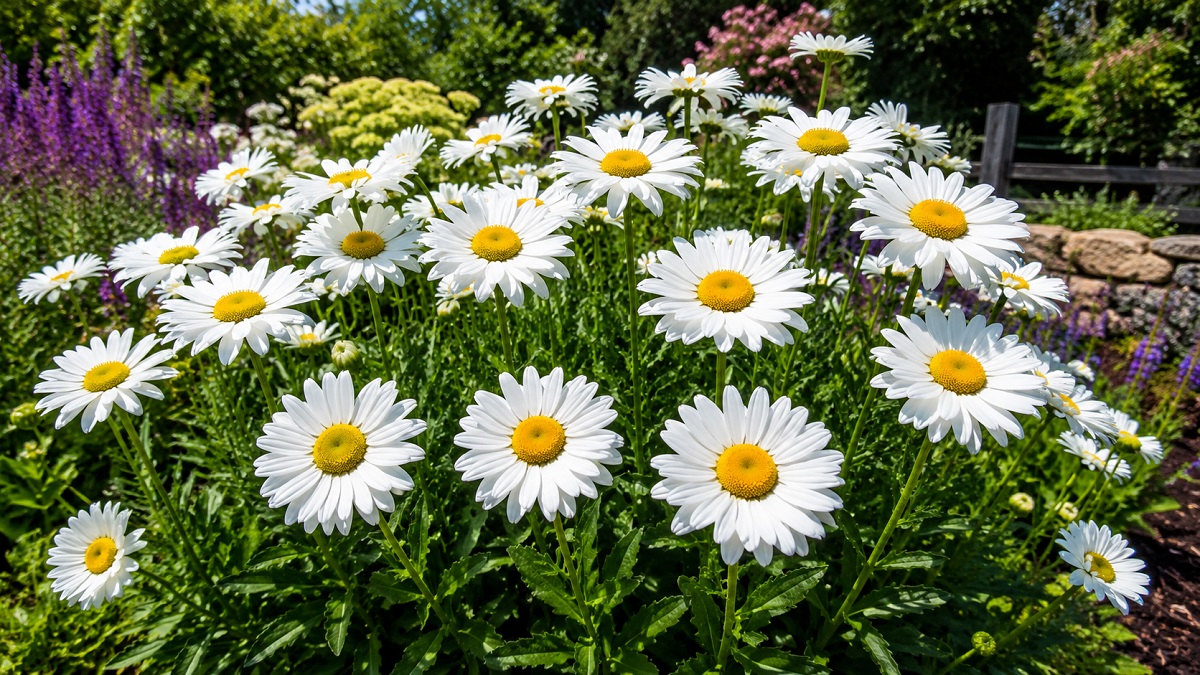
'Becky' Shasta Daisy produces sturdy stems topped with large white blooms, making it an award-winning perennial for cottage gardens, pollinator landscapes, and long-lasting cut flowers.
Few herbaceous perennials boast the timeless appeal, steadfast durability, and sheer cheerfulness of the Shasta Daisy. Among the diverse selection of cultivars available to modern gardeners, Leucanthemum × superbum 'Becky' stands head and shoulders above the rest. Recognized universally for its exceptional performance, robust stems, and outstanding disease resistance, 'Becky' has earned its place as a staple in traditional cottage gardens, contemporary landscapes, and professional cut-flower operations alike. This comprehensive guide uncovers everything you need to know to successfully grow, maintain, and showcase this award-winning perennial powerhouse.
The Origin and History of 'Becky'
The Shasta Daisy itself is an intentional hybrid developed in the late 19th century by legendary American horticulturist Luther Burbank. Burbank spent over fifteen years cross-breeding several daisy species, including Leucanthemum vulgare, Leucanthemum maximum, and Leucanthemum lacustre, alongside Nipponanthemum nipponicum to isolate the perfect combination of pure white petals, rigorous growth habits, and structural persistence.
While Burbank’s foundational work revolutionized the ornamental plant market, older varieties of Shasta daisies frequently suffered from weak stems that easily lodged (fell over) during summer thunderstorms, alongside a high vulnerability to fungal diseases in hot, humid climates. Enter the 'Becky' cultivar. Discovered in an Atlanta, Georgia garden by plantswoman Mary Ann McGourty and championed by nurseryman Bill Funkhouser, 'Becky' solved these historic vulnerabilities. It proved so remarkably vigorous and floriferous that the Perennial Plant Association named it the prestigious Perennial Plant of the Year, cementing its legendary status across global growing zones.
Botanical Profile & Floral Attributes
The 'Becky' Shasta Daisy features classic composite flower heads that typically measure 3 to 4 inches in diameter. Each flower comprises a dense central disc packed with bright yellow tubular florets, ringed harmoniously by sterile ray florets of a snowy white hue. Unlike its predecessors, 'Becky' is widely praised for developing rigid, thick, and strictly upright stems that consistently hold the heavy flowers aloft without any artificial staking or supports, even when subjected to wind or pelting rain.
The foliage is equally impressive, presenting dark, leathery, lance-shaped leaves with distinct, coarsely-toothed margins. This deep green vegetative backdrop forms a lush basal rosette early in the spring, offering an attractive textural presence long before the actual flower buds emerge in early summer.
Seasonal Growth Patterns
Growth initiates immediately as soils warm in early spring. Stems rapidly elongate throughout May, giving rise to terminal buds that burst into a spectacular display by June. While individual blossoms are long-lasting, the plant routinely produces lateral buds along the upper leaf axils. This secondary branching ensures a continuous succession of pristine blooms extending through July, August, and often well into September if proper deadheading protocols are closely maintained by the gardener.
Quick Plant Facts
Scientific Name: Leucanthemum × superbum 'Becky'
Common Name: Shasta Daisy 'Becky'
Hardiness Zones: USDA Zones 5 to 9
Mature Height: 36 to 42 inches
Mature Spread: 18 to 24 inches
Sun Requirement: Full Sun (6+ hours)
Soil Preferences: Fertile, well-draining
Attracts: Butterflies, Bees, Pollinators
Resistant to: Deer, Rabbits, Heat
Comprehensive Cultivation and Site Selection
To realize the maximum potential of 'Becky', careful selection of the planting site is paramount. While this perennial is resilient enough to tolerate sub-optimal conditions, providing its preferred ecological niche ensures an abundance of larger flowers, dense foliage, and prolonged clump longevity.
Sunlight Parameters
'Becky' is unequivocally a full-sun perennial. For optimal stem strength and maximum bloom density, ensure the site receives a minimum of six to eight hours of direct, unfiltered sunlight daily. In northern regions, full all-day exposure is highly beneficial. Conversely, in the southernmost ranges of its adaptability (such as USDA Zones 8b and 9), providing filtered afternoon shade can protect the late-season foliage from sun-scorch and keep the flowers looking immaculate throughout intense heat waves.
Soil Physics and Chemical Balance
If there is one absolute vulnerability for Shasta Daisies, it is poor drainage. 'Becky' will thrive in a wide array of soil textures—ranging from sandy loams to heavily modified silts—provided that excess water drains away rapidly from the crown. Heavy, compacted clay soils that retain water through the winter will inevitably induce crown rot (Phytophthora or Pythium species), leading to swift plant mortality.
Aim for an organic-rich soil configuration with a neutral to slightly acidic pH range of 6.0 to 7.0. Prior to installation, incorporating a generous 2- to 3-inch layer of well-rotted compost, aged leaf mold, or manure into the top 8 inches of soil significantly improves internal drainage dynamics while providing a sustained release of essential macro and micronutrients.
Comprehensive Care Matrix
Season
Primary Watering Goal
Fertilization Needs
Pruning & Deadheading Routine
Spring
Keep soil evenly moist to establish robust early vegetative growth.
Apply a balanced, slow-release granular fertilizer or top-dress with organic compost.
Clear away dead winter foliage; thin out weak stems if the clump is overly crowded.
Summer
Provide 1 inch of water weekly; adjust during periods of extreme drought.
Avoid heavy nitrogen applications; optional liquid kelp or fish emulsion spray.
Deadhead spent flowers down to the nearest lateral leaf bud to trigger continuous reblooming.
Autumn
Taper off watering schedules as the plant enters dormancy phases.
None. Avoid stimulating tender new growth that cannot survive freezing temperatures.
Cut the main structural stems back to the basal evergreen rosette after the final hard freeze.
Winter
Rely exclusively on natural precipitation; protect from standing water accumulation.
None. Allow the root system to rest.
Apply a light, breathable layer of clean straw or evergreen boughs in colder microclimates.
Step-by-Step Planting Methodology
Whether you are transplanting a container-grown nursery specimen or installing a bare-root division, adhering to professional planting guidelines minimizes transplant shock and accelerates root system integration into the native soil profile.
The ideal windows for planting are early spring, just as the winter dormancy breaks, or early autumn, roughly six weeks before your region's anticipated first hard frost date. Planting during these temperate intervals allows the root architecture to expand without battling intense summer evapotranspiration rates.
1. Dig a hole exactly twice as wide as the nursery container's root ball, but identical in depth. This ensures the surrounding soil is loosened for easy root extension while preventing the plant from settling too deeply over time.
2. Gently extract the daisy from its container. If the root system has become root-bound or displays tight, circular wrapping patterns, use a sterile knife or your fingers to score the outer edges lightly, encouraging outward structural development.
3. Position the plant in the center of the excavation hole. Verify that the crown—the critical juncture where the stems meet the root network—sits precisely level with or slightly above the surrounding soil grade. Burying the crown is a primary cause of premature plant decline.
4. Backfill the hole with the excavated native soil mixed with organic amendments, firming gently with your hands to eliminate structural air pockets. Avoid stamping down aggressively with your boots, as this can crush fragile feeder roots and collapse delicate soil macro-pores.
5. Water the entire area thoroughly and deeply, ensuring the root ball is completely saturated. Apply a 2-inch layer of organic mulch (such as shredded hardwood or pine bark) around the perimeter to conserve critical moisture and suppress competing weed seeds, taking care to keep the mulch material a few inches away from the direct green stems.
Advanced Management: Pruning, Deadheading, and Division
To preserve the pristine aesthetics and long-term health of Leucanthemum 'Becky', specific seasonal intervention is required. Understanding how and when to prune or divide will elevate your garden's performance immensely.
The Art and Utility of Deadheading
Deadheading is more than just a cosmetic chore; it is an important biological management technique. When a daisy blossom begins to fade, its petals turn brown, and the plant immediately shifts its metabolic energy away from vegetative maintenance and toward seed production. By systematically cutting off these spent flowers, you halt the reproductive cycle, prompting the perennial to re-route its chemical resources back into creating new floral displays.
To properly deadhead 'Becky', trace the stem of the fading flower downward to the point where it meets a fresh lateral flower bud or a clean leaf node. Make a sharp, angled cut roughly one-quarter inch above that node using bypass pruning shears. Once the main blooming flush concludes in late summer, you can cut the elongated flower stalks all the way back down to the lush basal leaf cluster to tidy up the landscape view.
Clump Longevity and Propagation by Division
Over a span of three to four years, a healthy 'Becky' specimen will continuously expand outward, forming a dense colony. Eventually, the center of this clump will exhaust local soil nutrients, become tightly compacted, and show signs of dieback, while flower production will begin to decline noticeably. To rejuvenate the plant and maintain peak vigor, division is required.
Division is best performed in early spring when the new green shoots are only a few inches high. Insert a sharp spade entirely around the perimeter of the clump, carefully prying the root mass out of the ground. Using your spade or a heavy-duty garden knife, cut the clump into manageable sections. Each new division must possess a healthy cluster of green shoots and a substantial portion of functional roots. Discard the woody, exhausted center of the original plant, and immediately replant the vigorous outer divisions into newly amended soil zones.
Landscape Architecture and Companion Plantings
The clean white and gold color palette of 'Becky' Shasta Daisy acts as a superb visual anchor, making it extraordinarily simple to integrate into diverse landscape designs. Because it reaches a stately height of nearly three and a half feet, it is best utilized in the middle to back rows of perennial borders, where it can rise gracefully above lower-growing structural specimens.
In classic English cottage designs, pair 'Becky' alongside vertical accents like Blue Delphiniums, Purple Foxgloves, or tall spikes of Salvia. The contrast between the daisy’s wide, horizontal flat heads and the vertical lines of spike-blooming plants creates immediate visual energy. For a stunning, modern color contrast, consider planting 'Becky' with deep purple Coneflowers (Echinacea purpurea), vibrant Black-Eyed Susans (Rudbeckia), or true-blue Cranesbill Geraniums. Its clean white coloration is also highly effective in monochromatic 'White Gardens' or nighttime 'Moon Gardens,' where its reflective petals gleam brightly under evening moonlight.
Integrated Pest and Disease Management (IPM)
While 'Becky' is widely praised for its superior resilience compared to older Shasta daisy selections, no plant is completely immune to environmental stressors, insects, or pathogens. Implementing proactive cultural controls keeps problems at bay without relying heavily on intensive chemical remedies.
Managing Fungal and Bacterial Issues
In regions suffering from prolonged summer humidity, leaf spot fungi (such as Septoria or Alternaria) can occasionally manifest as small, dark lesions on lower leaves. To minimize fungal spore transmission, always apply water directly to the soil base via drip irrigation or soaker hoses rather than relying on overhead sprinklers. Ensure ample spacing between companion plants to promote optimal wind circulation, allowing wet foliage to dry rapidly. If powdery mildew or leaf spot becomes severe, systematically remove infected leaves and apply an organic copper- or sulfur-based fungicide early in the morning.
Common Pests and Solutions
Sucking insects such as aphids, leafhoppers, and four-lined plant bugs will occasionally feed on tender spring tips, leading to curled leaves or distorted flower buds. In most instances, a strong blast of water from a garden hose is sufficient to dislodge these pests. For persistent infestations, treating the foliage with an organic insecticidal soap or a 2% solution of horticultural neem oil provides targeted control without harming vital long-term predator insect populations like ladybugs and lacewings.
Does the 'Becky' Shasta Daisy require staking or support wire?
No. One of the main reasons 'Becky' remains an industry favorite is its extraordinarily thick, sturdy stems. Unlike older varieties that flop over under the weight of summer blooms, 'Becky' maintains a strictly upright posture without structural supports, even in windy conditions.
How can I tell the difference between 'Becky' and 'Alaska' daisies?
'Becky' grows noticeably taller (typically reaching 36 to 42 inches) than 'Alaska' (which usually tops out around 24 to 30 inches). Additionally, 'Becky' exhibits significantly better tolerance to hot, humid climates and boasts much more rigid, wind-resistant stem architecture.
Is 'Becky' Shasta Daisy toxic to household dogs or cats?
Yes, Shasta Daisies contain pyrethrins and sesquiterpene lactones, which can cause mild gastrointestinal irritation, vomiting, or hypersalivation if consumed in quantity by domestic animals. Keep pets from chewing on the foliage.
Why are the leaves on my daisy turning yellow at the bottom of the plant?
Yellowing lower leaves are most frequently a symptom of overwatering or poorly draining soil conditions. Check the moisture level deep within the root zone. If the soil feels muddy, reduce irrigation frequency immediately to prevent root rot.
Can I grow 'Becky' in large outdoor containers or patio pots?
Yes, provided the container is large (at least 14 to 18 inches in diameter) and features excellent drainage holes. Keep in mind that containerized plants dry out much faster than in-ground specimens and require more attentive watering routines during summer heat.
More Profiles from Our Plant Database
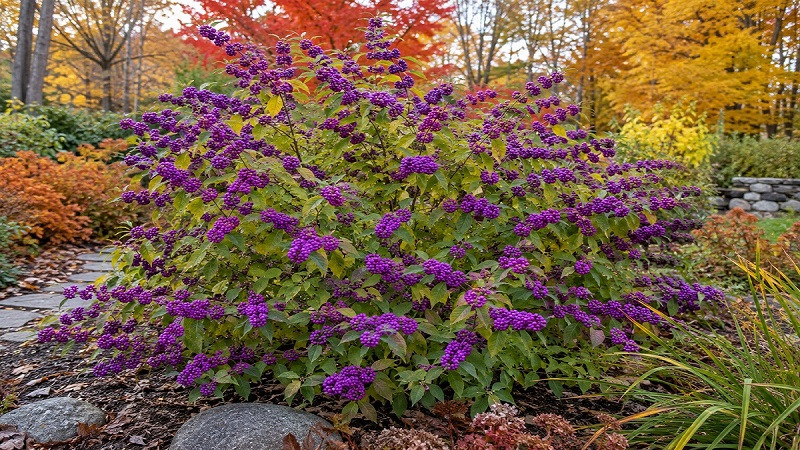
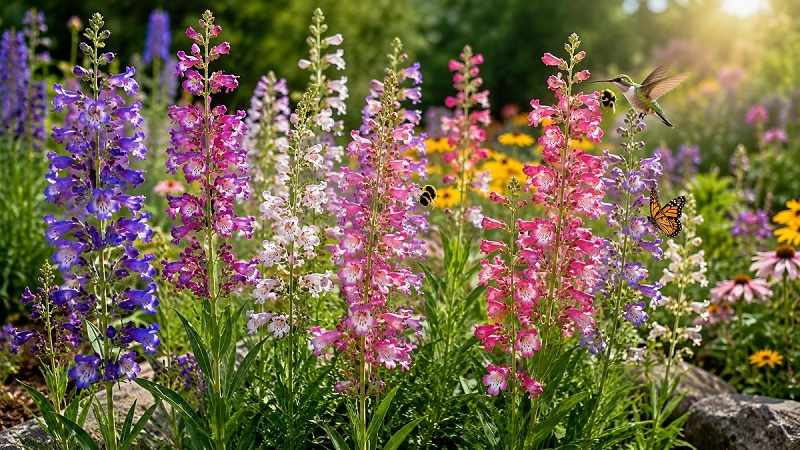
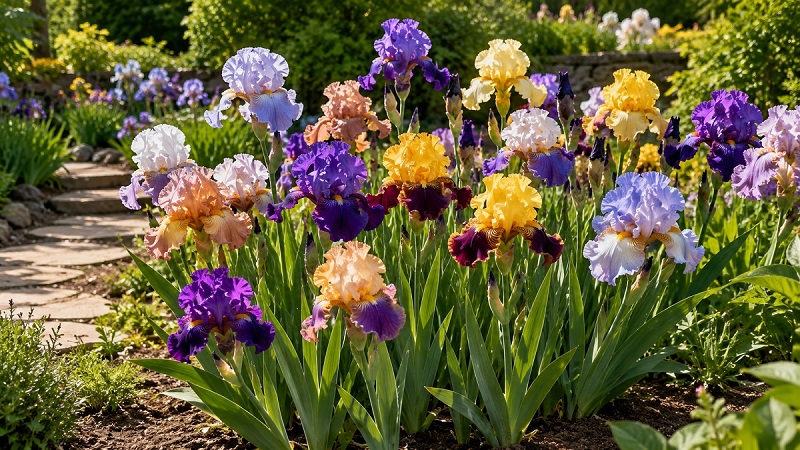
Browse through our collection of comprehensive plant profiles to find the perfect additions to your sunny landscape borders and native meadows.