Butterfly-Friendly Garden Plants: Create a Beautiful Pollinator Paradise
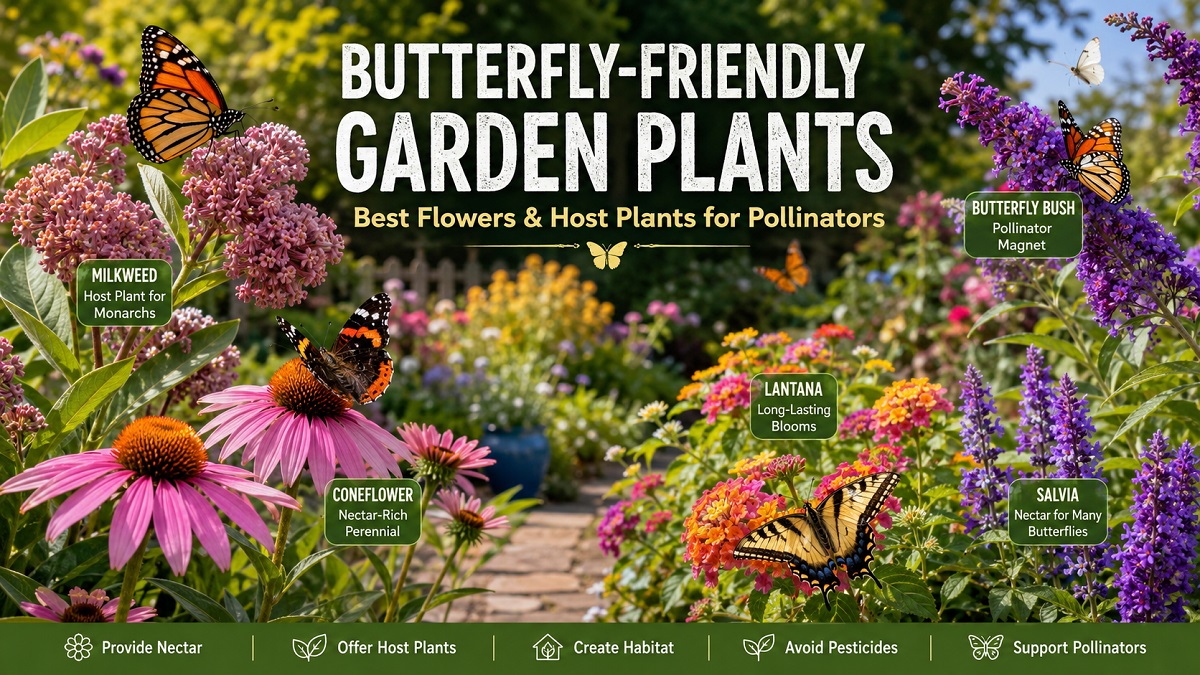
Introduction to Butterfly Gardening
Butterflies are among the most delightful and awe-inspiring visitors you can welcome into your home landscape. With their delicate, painted wings and fluttering, erratic flight paths, they transform an ordinary backyard into a dynamic ecosystem. However, creating a garden space that reliably hosts these beautiful insects involves much more than simply picking out pretty flowers from your local nursery.
True butterfly gardening is an intentional form of conservation ecology. As natural wild spaces are increasingly fragmented by urban development, residential and community gardens have grown into critical sanctuaries. By selecting the right combination of native host and nectar plants, you provide these vital pollinators with the specific resources they require to feed, rest, mate, and successfully rear the next generation.
To succeed, a modern gardener must view their landscape through the evolutionary lenses of the local butterfly populations. This deep-dive guide explores the nuanced details of designing, planting, and maintaining a thriving backyard butterfly sanctuary that remains productive from early spring through the late autumn frosts.
Understanding the Lifecycle: Nectar vs. Host Plants
The single most common mistake made by enthusiastic beginners is focusing entirely on bright, nectar-rich flowers. While nectar provides adult butterflies with the fuel they need to fly and reproduce, it represents only one phase of a complex, four-stage lifecycle: egg, larva (caterpillar), pupa (chrysalis), and adult winged insect.
To build a truly functional butterfly garden, you must provide two fundamentally distinct types of vegetation:
1. Host Plants (The Nurseries)
Female butterflies are incredibly selective when laying their eggs. They will only deposit them on specific plant species, known as host plants, which their newly hatched caterpillars can safely digest. For instance, the famous Monarch butterfly will lay its eggs exclusively on members of the milkweed genus. If there is no milkweed available, there will be no new Monarch caterpillars, regardless of how many nectar flowers are nearby. Incorporating host plants means accepting—and celebrating—some chewed leaves in your garden beds.
2. Nectar Plants (The Fuel Stations)
Once a caterpillar undergoes metamorphosis and emerges as a fully formed adult butterfly, its dietary needs shift entirely from chewing solid leaves to sipping liquid sugars. Adult butterflies require access to abundant, high-energy nectar sources. To maximize your garden's appeal, you should provide massed plantings of high-yield nectar flora that offer successive blooms throughout the entire growing season.
Top 10 Essential Plants for a Butterfly Sanctuary
While hundreds of regional plants attract pollinators, these ten staple options provide remarkable versatility, high ecological value, and stunning aesthetic appeal for almost any backyard project.
1. Milkweed (Asclepias spp.)
The absolute foundation of any North American butterfly garden. Vital as the obligate host plant for the Monarch butterfly, milkweed species also produce large, highly fragrant domed flower clusters packed with nectar that attracts dozens of other pollinator species, including swallowtails and hairstreaks. Excellent options include Common Milkweed, Swamp Milkweed, and Butterfly Weed.
2. Purple Coneflower (Echinacea purpurea)
A rugged, drought-tolerant native perennial featuring broad, landing-pad petals and a prominent central cone packed with nectar rewards. Coneflowers are exceptionally hardy, thriving in full sun and poor soils while providing an extended blooming window across the height of summer.
3. Butterfly Bush (Buddleja davidii)
Living up to its name, this deciduous shrub produces long, cone-shaped panicles of densely packed blossoms that act like an absolute magnet for adult butterflies. Note: Gardeners should opt for newly developed sterile, non-invasive cultivars to prevent aggressive spreading into adjacent wild woodlands.
4. Black-Eyed Susan (Rudbeckia hirta)
With their cheerful golden-yellow rays surrounding a dark, chocolate-colored center, these native wildflowers offer reliable, late-season color and a structural platform that enables butterflies to perch easily while basking in the afternoon sun.
5. Joe-Pye Weed (Eutrochium purpureum)
A towering architectural masterpiece for the back of garden borders, this moisture-loving perennial crowns itself with massive, vanilla-scented pinkish-purple flower clouds in late summer. It is a premier feeding station for large-bodied butterflies like Tigers and Spicebush Swallowtails.
6. Lantana (Lantana camara)
Grown as an annual in cooler climates or a perennial in tropical zones, Lantana produces bright, multicolored flower clusters that constantly regenerate. The blossoms are exceptionally rich in glucose and fructose, making them a premium high-octane fuel for active insects.
7. Salvia (Salvia spp.)
The elongated spires of salvias offer brilliant visual highlights in deep blues, purples, and scarlets. Their tubed flower structures are perfectly adapted to accommodate the long, uncoiling proboscis of medium-to-large butterfly species.
8. Aster (Symphyotrichum spp.)
As summer fades, migratory and overwintering species face severe energy shortages. Native perennial asters burst into a profusion of delicate star-like purple, blue, or white blossoms right when other plants are dying back, providing a critical late-autumn life support network.
9. Blazing Star (Liatris spicata)
Featuring unusual, vertical feather-like spikes that open uniquely from the top downward, Liatris is highly attractive to monarchs, swallowtails, and sulphurs alike. It integrates gracefully into sunny cottage or meadow-style garden layouts.
10. Parsley and Fennel (Petroselinum & Foeniculum)
Do not forget the culinary herbs! While adults will visit the occasional flower, these leafy, aromatic umbellifers serve as the primary dietary host plants for Black Swallowtail caterpillars. Plant extra rows so you can share the harvest with these voracious young larvae.
Quick Reference: Plant Specifications and Needs
Use the data table below to help plan your garden layout, ensuring you select the correct species for your specific soil conditions, sunlight exposure, and available yard space.
| Plant Name | Type | Sunlight | Soil Type | Primary Value |
|---|---|---|---|---|
| Milkweed | Perennial | Full Sun | Dry to Moist | Monarch Host & Nectar |
| Purple Coneflower | Perennial | Full Sun / Part Shade | Well-drained | Nectar Source |
| Joe-Pye Weed | Perennial | Full Sun / Part Shade | Moist to Wet | Late-Season Nectar |
| Aster | Perennial | Full Sun | Average to Lean | Migratory Nectar |
| Fennel / Parsley | Herb / Biennial | Full Sun | Rich, Moist | Swallowtail Host |
| Lantana | Annual / Shrub | Full Sun | Drought-tolerant | Continuous Nectar |
Designing a Functional Layout for Wildlife
Strategic placement of your selected plants can vastly increase the numbers and variety of butterflies that visit your yard. Butterflies are cold-blooded creatures that rely entirely on the external temperature of the ambient air to warm their wing muscles for flight. Therefore, structural design elements are just as critical as biological variety.
- The Power of Sun and Wind Protection: Always site your main butterfly beds in areas that receive at least six to eight hours of direct, unfiltered sunlight daily. Furthermore, construct your beds near a protective windbreak, such as a sturdy wooden fence, a thick evergreen hedgerow, or the south-facing wall of your home. Strong, gusty winds quickly exhaust small insects and make landing on delicate petals nearly impossible.
- Massed Color Groupings: Avoid planting a single specimen of a plant in isolation. Butterflies track resources primarily via vision. Planting large, dense blocks of a single color—such as a grouping of five to seven coneflowers together—creates a bold visual beacon that traveling insects can easily detect from far above in the sky.
- Basking Stones and Puddling Stations: Place several broad, dark-colored flat river stones in the open sunniest spots of your garden beds. Butterflies will park themselves flat on these stones to absorb thermal radiant energy early in the morning. Additionally, create a permanent "puddling station" by burying a shallow dish filled with a mixture of coarse sand, compost, and water. Male butterflies gather around damp mud to extract essential minerals and salts that are vital for reproductive health.
Crucial Management: Saying No to Chemical Pesticides
It cannot be overstated: a successful butterfly sanctuary must be a completely organic environment. You cannot selectively eliminate pest insects like aphids or beetles using broad-spectrum chemical sprays without also poisoning the caterpillars and adult butterflies you are trying to save.
When you spot undesirable pests, rely instead on physical removal techniques, such as a sharp blast of plain water from the garden hose or hand-picking beetles into a bucket of soapy water. Encourage natural biological controls by leaving safe spaces for predatory beneficial insects like ladybugs, lacewings, and praying mantises to establish balance. Remember that a dynamic, healthy garden ecosystem is rarely pristine—seeing a few aphids or partially chewed leaves is a reliable sign that your landscape is supporting life.
Frequently Asked Questions
Why are caterpillars eating all the leaves on my dill and parsley?
Congratulations! Those are almost certainly the hungry larvae of the gorgeous Black Swallowtail butterfly. They rely on host plants within the carrot family for survival. If you want to protect your kitchen harvest, simply plant a dedicated decorative patch of herbs exclusively for the caterpillars to enjoy safely away from your primary culinary beds.
How can I attract butterflies if I only have a small apartment balcony?
You can easily build a miniature sanctuary using large container pots! Dwarf varieties of buddleja, bright annual lantana, and potted salvias grow beautifully in small spaces. Just ensure your balcony receives plenty of direct sunlight and is relatively sheltered from high-altitude winds.
Is the Butterfly Bush (Buddleja) invasive?
The traditional wild species of Buddleja davidii can escape cultivated garden borders and disrupt native wild spaces in certain geographic regions. However, modern plant breeders have developed wonderful new sterile cultivars that produce zero viable seeds, allowing you to safely enjoy their unmatched pollinator appeal without any environmental risk.