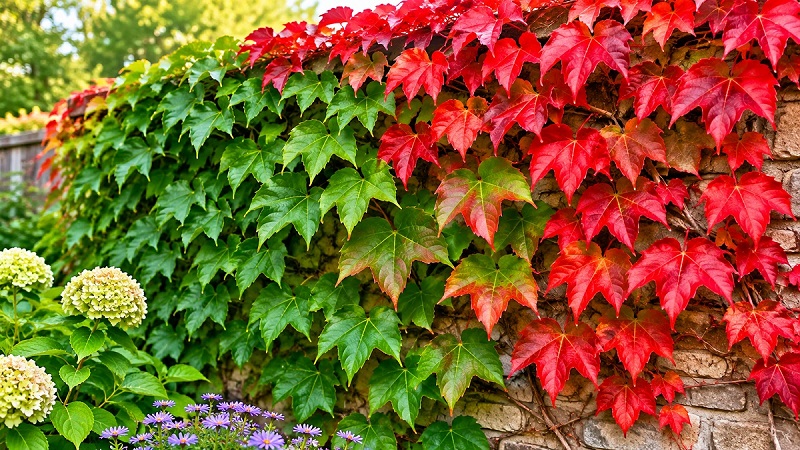
Growing & Caring for Boston Ivy
Learn how to grow and care for Boston Ivy (Parthenocissus tricuspidata), including sunlight, soil, watering, planting, pruning, propagation, and common problems.
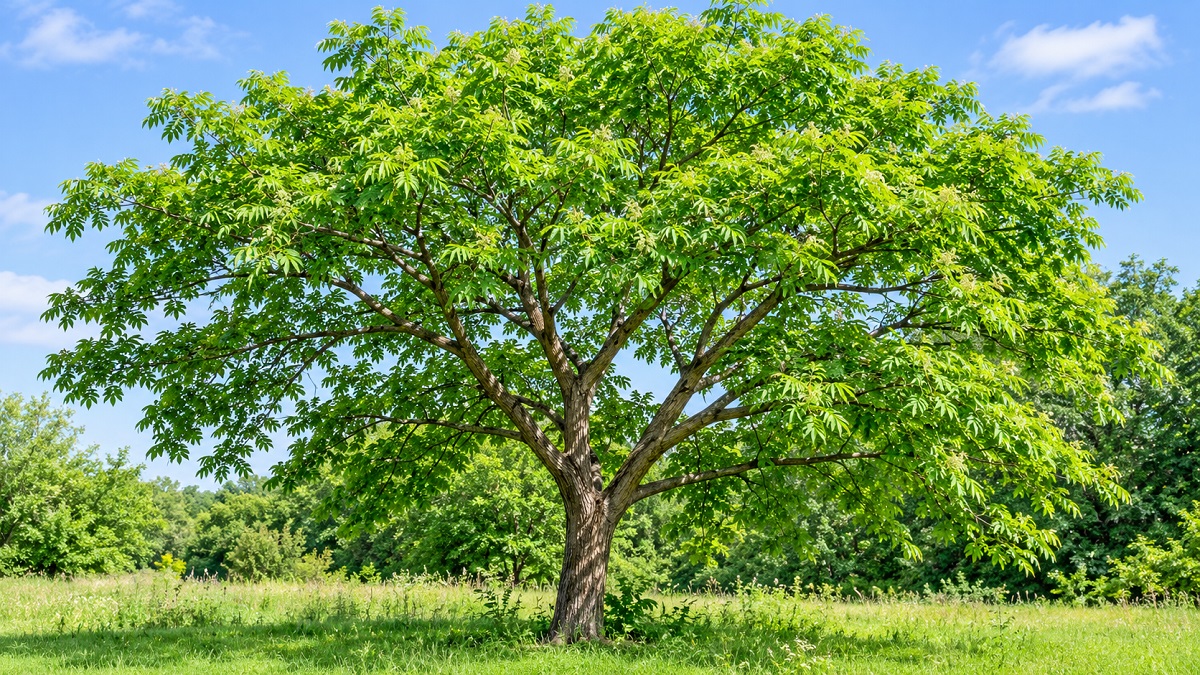
Boxelder (Acer negundo), also known as ash-leaved maple, box elder, or Manitoba maple, is a fast-growing deciduous tree native to North America. Unlike most familiar maple trees, which have simple, lobed leaves, Boxelder produces compound leaves divided into several individual leaflets. This unusual feature makes it relatively easy to recognize.
Although Boxelder is not considered one of the most ornamental maple trees, it has qualities that make it useful in certain landscapes. It grows quickly, adapts to different soil conditions, tolerates occasional flooding, and can establish itself in places where more demanding trees struggle. It is naturally associated with streambanks, floodplains, lakeshores, and other moist environments.
However, this adaptable tree also has drawbacks. Its branches and wood can be brittle, seedlings may appear throughout the garden, and female trees produce large quantities of winged seeds. Boxelder bugs may also become a nuisance around buildings, particularly in areas where the tree is common.
Growing Boxelder successfully means understanding both its advantages and limitations. With a suitable planting location, adequate sunlight, appropriate watering, and occasional structural pruning, it can develop into a useful shade or habitat tree.
Essential growing information for Acer negundo.
Boxelder belongs to the genus Acer, which includes familiar trees such as Sugar Maple, Japanese Maple, Red Maple, and Silver Maple. It is a distinctive member of this group because its leaves are pinnately compound rather than simple.
The species naturally occurs across a broad region of North America, extending from Canada through much of the United States and into parts of Central America. It commonly grows along rivers, streams, wetlands, floodplains, and disturbed areas where moisture is available.
In favorable conditions, Boxelder grows rapidly and develops a broad, irregular crown. Mature trees commonly reach approximately 30–50 feet tall, although their eventual size varies according to climate, soil, available moisture, and growing conditions.
The common name Boxelder is traditionally associated with the appearance and characteristics of its wood. Another widely used name, ash-leaved maple, describes its compound leaves, which resemble those of Ash trees more than the typical leaves of a maple.
Yes. Boxelder is a genuine maple belonging to the genus Acer. Its unusual foliage sometimes causes people to mistake it for an Ash tree, but its opposite branching pattern, flowers, and paired winged fruits help identify it as a maple.
Boxelder is a dioecious species. This means male and female flowers develop on separate trees rather than on the same individual.
Male trees produce pollen-bearing flowers, while female trees develop the familiar paired winged fruits known as samaras after successful pollination. These seeds can be carried away by wind and may germinate in suitable locations.
If you prefer to avoid large quantities of falling seeds, a male tree may be a more convenient landscape choice. However, both sexes can produce litter through leaves, twigs, and occasional branch breakage.
The following table summarizes the botanical characteristics and growing requirements of Boxelder. Mature dimensions are approximate and can vary considerably between growing environments.
| Characteristic | Details |
|---|---|
| Botanical Name | Acer negundo |
| Common Name | Boxelder, Box Elder, Ash-leaved Maple, Manitoba Maple |
| Family | Sapindaceae (Maple Family) |
| Genus | Acer |
| Plant Type | Deciduous broadleaf tree |
| Native Range | North America and parts of Central America |
| Growth Habit | Upright when young; broad, irregular crown at maturity |
| Growth Rate | Fast-growing |
| Mature Height | Approximately 30–50 feet (9–15 m) |
| Mature Spread | Approximately 30–40 feet (9–12 m) |
| Hardiness Zones | Generally USDA Zones 3–8 |
| Sunlight Requirements | Full sun to partial shade |
| Soil Type | Clay, loam, sandy, and other adaptable soil types |
| Soil pH | Adaptable to acidic, neutral, and alkaline soils |
| Soil Moisture | Prefers moist soil; tolerates occasional flooding |
| Water Requirements | Moderate; regular watering during establishment |
| Leaf Arrangement | Opposite |
| Leaf Type | Pinnately compound |
| Number of Leaflets | Usually 3–5; sometimes more |
| Leaf Color | Light to medium green |
| Autumn Foliage | Usually yellow |
| Flowering Season | Early spring, generally before leaves emerge |
| Flower Color | Greenish, yellowish, reddish, or purplish depending on the tree and flower stage |
| Flower Structure | Small flowers; male and female flowers occur on separate trees |
| Fruit Type | Paired winged samaras |
| Bark | Gray to light brown, becoming ridged and furrowed with age |
| Young Stems | Often green with a waxy coating |
| Pruning | Structural pruning during dormancy or appropriate dry weather |
| Propagation | Seeds; selected cultivars may be propagated by grafting |
| Common Pests | Boxelder bugs, aphids, scale insects, and caterpillars |
| Common Diseases | Verticillium wilt, leaf scorch, and fungal decay |
| Landscape Uses | Shade, shelterbelts, reclamation, and naturalized landscapes |
Boxelder has several distinctive features that make identification easier throughout the growing season. Its compound leaves, opposite branching, green young twigs, and paired winged seeds are particularly useful characteristics.
The leaves are pinnately compound, usually consisting of three to five leaflets arranged along a central leaf stalk. Some leaves may contain more leaflets. Individual leaflets are generally oval to lance-shaped, with pointed tips and irregularly toothed or occasionally lobed edges.
The foliage is generally light to medium green during summer. In autumn, it usually turns yellow before falling from the tree.
Young Boxelder branches are often green and may have a noticeable waxy coating. As the tree ages, the bark changes from relatively smooth and pale gray to a darker, ridged, and furrowed surface.
Its branching pattern is opposite, meaning that branches and buds generally develop in pairs across from one another on the stem.
Small flowers appear in early spring, often before the leaves emerge. They are not particularly showy, but their appearance is useful when identifying the tree.
Male and female flowers develop on separate trees. Female flowers are followed by the characteristic paired seeds.
The fruits are called samaras. Each fruit consists of two winged seeds joined together, creating a distinctive V-shaped or angled appearance. They mature from green to brown and may remain on female trees into winter.
Boxelder grows best in full sun, although it can tolerate partial shade. An open location with several hours of direct sunlight encourages vigorous growth and a well-developed crown.
Full sun is generally the best choice when growing Boxelder as a shade or shelterbelt tree. Adequate light supports healthy foliage, strong shoot development, and a more substantial canopy.
The tree can also grow in partially shaded locations, particularly when it receives several hours of direct or filtered sunlight. However, prolonged deep shade can reduce growth and result in a less developed crown.
Before planting, consider the mature height and spread rather than the size of a young nursery tree. Avoid placing Boxelder too close to buildings, narrow paths, overhead utilities, or areas where falling branches could create problems.
Allow enough room for the canopy and roots to develop. A location away from frequently used structures is particularly important because Boxelder can develop large surface roots and weak branches.
One of Boxelder's strongest characteristics is its adaptability to different soil conditions. It can grow in clay, loam, sandy, and other soil types, although its performance is generally better when the soil contains adequate moisture and allows sufficient root aeration.
Yes. Boxelder can tolerate heavy clay soils better than many ornamental trees. However, compacted clay that remains waterlogged for extended periods may restrict root development.
Improve the planting area by addressing compaction and drainage problems where practical. Avoid creating an isolated pocket of loose soil surrounded by dense clay, as this can interfere with natural water movement.
Boxelder naturally occurs in floodplains and along waterways, so it has a relatively good tolerance for moist conditions and occasional flooding. Nevertheless, prolonged stagnant water and poorly aerated soil can still affect tree health.
Although established Boxelder trees can tolerate some dry conditions, young trees need regular moisture while their root systems develop. Watering requirements depend on rainfall, soil texture, temperature, and the tree's age.
Water thoroughly after planting to settle the soil around the roots. During the first growing season, monitor the soil frequently and water whenever the upper soil begins to dry.
Rather than applying small amounts every day, provide a deep watering that moistens the developing root zone. Adjust the frequency during hot weather or extended dry periods.
Once established, Boxelder generally requires less supplemental watering. Its roots can explore a larger soil area and access moisture from deeper layers.
During prolonged drought, deep watering may help reduce stress, especially when the tree grows in sandy soil or an exposed location.
Apply a layer of organic mulch around the tree to help conserve moisture. Keep mulch several inches away from the trunk to prevent persistent moisture against the bark.
Boxelder is adapted to temperate climates and is commonly grown in regions with cold winters and warm summers. It is generally listed as suitable for USDA Hardiness Zones 3–8, although local growing conditions and individual plant material can affect performance.
The tree is relatively cold-hardy and can survive winter conditions across much of its native range. Seasonal dormancy allows it to withstand freezing temperatures that would damage many tropical and subtropical trees.
Established trees tolerate moderate drought, but prolonged heat combined with dry soil can cause leaf scorch and premature leaf drop. Consistent moisture is especially important for young trees during hot weather.
In regions with hot tropical climates and little or no winter dormancy, Boxelder may not be a suitable landscape tree. Check local climate compatibility before purchasing or planting it.
Planting Boxelder correctly gives the tree a better opportunity to develop a strong root system. Because it can eventually become a large tree, selecting the right location is more important than providing intensive maintenance later.
Select an open location with full sun or partial shade and sufficient space for the mature canopy. Avoid planting close to foundations, underground utilities, drainage systems, and narrow property boundaries.
Dig a hole approximately two to three times wider than the root ball, but no deeper than the root system requires. Loosen the surrounding soil to make it easier for new roots to expand.
Remove the container carefully and inspect the roots. If roots are tightly circling the root ball, gently loosen or correct them where appropriate.
Position the tree so that the root flare remains visible at or slightly above the finished soil level. Avoid burying the trunk.
Return the excavated soil around the root ball and gently firm it to remove large air pockets. Do not compact the soil excessively.
Water slowly and deeply after planting. This helps settle the soil and reduces air pockets around the roots.
Spread a 2–3-inch layer of organic mulch over the root zone. Keep the mulch away from direct contact with the trunk and avoid creating a volcano-shaped mound.
Check soil moisture regularly during the first year. Protect the young tree from mechanical injury, lawn equipment, and unnecessary disturbance around its root zone.
Boxelder is naturally adaptable and often grows well without regular fertilizer applications, especially in reasonably fertile soil. Excessive fertilization is unnecessary and may encourage rapid shoot growth that is not desirable in a tree already known for its relatively weak wood.
Begin by assessing the tree's growth, foliage color, and general condition. If it is growing normally, additional fertilizer may not be needed.
When a nutrient deficiency is suspected, a soil test can help identify the problem before applying fertilizer.
If a soil test indicates a nutrient deficiency, use a suitable slow-release tree fertilizer according to the product label and local recommendations.
A thin layer of finished compost beneath the mulch can gradually improve soil structure and organic matter. Avoid piling large quantities of compost against the trunk.
Pruning is particularly important for Boxelder because its wood is relatively weak and branches can break during storms. Young trees benefit from structural training that encourages a stable trunk and well-spaced branches.
For routine structural pruning, late winter or the dormant season is often convenient because the tree has no leaves and its branch structure is easier to inspect. Remove hazardous or damaged branches promptly when necessary, regardless of the season.
Inspect the crown regularly for dead, broken, diseased, or rubbing branches. Removing damaged growth helps reduce hazards and improves the overall structure.
Young Boxelder trees may develop multiple stems or competing leaders. Select a suitable main leader when appropriate and gradually remove poorly positioned competing branches.
Avoid removing too much live foliage in a single pruning session. Large, unnecessary cuts can stress the tree and create wounds that are slow to recover.
Branches that rub against one another can damage bark and create entry points for decay organisms. Remove or shorten poorly positioned branches where doing so improves the overall structure.
Because Boxelder can develop weak branch unions and brittle limbs, regular inspections are more useful than severe corrective pruning after structural problems become advanced.
Boxelder can be propagated through seeds. Selected ornamental cultivars are sometimes propagated through grafting to preserve their particular foliage characteristics.
Seed propagation is a practical method for producing ordinary Boxelder trees. However, seedlings may vary in their growth characteristics, and their sex cannot reliably be determined while they are very young.
Collect mature samaras from a healthy female tree when the fruits have developed fully and begin changing color.
Remove damaged or empty seeds. Select healthy, well-developed samaras for propagation.
Use a clean, moisture-retentive but well-draining seed-starting medium in suitable containers or a prepared nursery bed.
Sow the seeds at an appropriate shallow depth and cover lightly with the growing medium. Follow the seed's seasonal dormancy requirements rather than assuming that freshly collected seeds will germinate immediately under warm conditions.
Keep the medium consistently moist without allowing it to become waterlogged. Protect the containers from drying winds and excessive heat.
Once seedlings have developed sufficiently strong roots, transplant them into individual containers or a suitable nursery location. Handle the roots carefully to minimize transplant shock.
Grafting is useful when propagating selected Boxelder cultivars, particularly ornamental forms with distinctive leaf coloration. It requires compatible rootstock, suitable grafting material, and appropriate horticultural skill.
For most home gardeners interested in growing the ordinary species, seed propagation is the simpler option.
Boxelder can attract several insects. Most infestations are manageable, but recurring pest problems should be identified correctly before treatment.
Boxelder bugs are among the best-known insects associated with this tree. Adults are dark insects with reddish or orange markings, and they commonly feed on developing seeds and other plant material.
During autumn, large numbers may gather on sunny walls, around windows, and near buildings while seeking protected places to overwinter. They are generally considered a nuisance rather than a serious threat to people.
Management:
Aphids are small sap-feeding insects that gather on young leaves and shoots. Heavy infestations may cause distorted growth, sticky honeydew, and the development of sooty mold.
Management:
Scale insects attach themselves to branches and leaves, where they feed on plant sap. Depending on the species, they may appear as small bumps or waxy coverings.
Management:
Some caterpillars feed on Boxelder foliage. Minor feeding damage is usually tolerated by a healthy mature tree, although severe defoliation may affect growth.
Management:
Monitor foliage, identify the caterpillar before treatment, and avoid unnecessary broad-spectrum insecticides that can harm beneficial insects.
Several environmental and disease-related problems can affect Boxelder. Correct identification is important because leaf symptoms caused by drought, root stress, insects, and fungal diseases can sometimes look similar.
Verticillium wilt is a soilborne fungal disease that affects the water-conducting tissues of susceptible trees. Infected Boxelder trees may develop wilting, yellowing, branch dieback, and uneven canopy decline.
Management:
There is no simple treatment that reliably cures an established tree with Verticillium wilt. Avoid moving contaminated soil or planting susceptible replacements in affected locations without professional advice.
Leaf scorch commonly appears as brown or dry margins around leaves. It can develop during hot, dry weather, particularly when the tree cannot obtain enough water to replace moisture lost through its foliage.
Management:
Old injuries, broken branches, and large pruning wounds can provide opportunities for decay organisms to enter the tree. Because Boxelder wood is relatively weak, structural problems deserve attention.
Management:
Avoid unnecessary trunk wounds, use proper pruning techniques, and arrange a professional inspection if the trunk develops cavities, fungal growth, major cracks, or significant dead sections.
Boxelder is not always the first choice for a formal ornamental garden, but its adaptability and rapid growth can make it useful in certain situations.
A mature Boxelder can develop a broad crown that provides shade over a substantial area. Its fast growth is attractive to gardeners who need relatively quick canopy development.
The tree contributes to natural habitats by providing cover and resources for wildlife. Its seeds are consumed by some birds and small mammals, while its branches offer nesting and shelter opportunities.
Because Boxelder naturally grows along waterways and floodplains, it can be suitable for certain restoration and naturalized planting projects within its native range.
Its tolerance of varied soil conditions and rapid establishment have made Boxelder useful in some reclamation and shelterbelt plantings.
Boxelder is also used in bonsai cultivation. Its compound foliage, distinctive branches, and vigorous growth can provide interesting material for experienced bonsai growers.
Despite its adaptability, Boxelder has several characteristics that should be considered before planting. A tree that grows quickly is not necessarily a good choice for every residential garden.
One of its biggest disadvantages is relatively weak wood. Branches may break during strong winds, storms, or heavy snow, making the tree less suitable for locations where falling limbs could damage property.
Female trees produce numerous winged seeds. These can accumulate on lawns, paths, gutters, and other surfaces. Seedlings may also appear in garden beds and disturbed soil.
Large surface roots can become troublesome in compact landscapes. They may interfere with mowing, paths, and nearby planting areas.
The tree is associated with Boxelder bugs, which may gather around buildings in large numbers during autumn. This is an important consideration when choosing a planting site near homes.
Compared with many long-lived shade trees, Boxelder generally has a relatively short lifespan. Its structural weaknesses and susceptibility to decay can also shorten its useful landscape life.
Boxelder can establish readily from seed and naturalize in disturbed habitats. Outside its native range, it may spread beyond cultivated areas and become problematic in certain environments.
Before planting, check local invasive-plant guidance and regional regulations. A species that is native and useful in one region may behave differently in another.
Boxelder is relatively low-maintenance once established. Its seasonal care should focus on monitoring growth, maintaining appropriate soil moisture, and addressing structural issues before they become serious.
| Season | Recommended Care |
|---|---|
| Spring | Inspect emerging foliage, check for aphids, apply mulch if needed, and assess the tree after winter. |
| Summer | Monitor soil moisture, water during prolonged drought, and check for leaf scorch and insect activity. |
| Autumn | Remove fallen leaves when necessary, inspect branches, and collect unwanted seedlings or seeds. |
| Winter | Inspect the branch structure while the tree is leafless and carry out suitable dormant-season structural pruning. |
Yes. Boxelder (Acer negundo) belongs to the maple genus Acer and the family Sapindaceae. It is unusual because it has pinnately compound leaves instead of the typical simple leaves found on most maples.
Boxelder commonly reaches approximately 30–50 feet tall, with a spread of around 30–40 feet. Its mature dimensions depend on growing conditions, available moisture, and competition from nearby trees.
Yes. Boxelder is a fast-growing tree, particularly when young and planted in suitable soil with adequate moisture and sunlight.
Full sun is preferred for vigorous growth, but the tree can tolerate partial shade. Avoid planting it in deep shade if you want a well-developed canopy.
Newly planted trees need regular watering during establishment. Established trees are more drought-tolerant but benefit from deep watering during prolonged dry weather.
Yes. Boxelder tolerates clay and several other soil types. However, extremely compacted or persistently waterlogged soil can still create root problems.
Yes. It produces small flowers in early spring, usually before the leaves appear. Male and female flowers develop on separate trees.
No. Only female trees produce seeds. After pollination, their flowers develop into paired winged fruits called samaras.
Boxelder bugs feed on seeds and plant material associated with Boxelder and certain other maples. They may gather in large numbers on sunny building surfaces during autumn as they seek protected overwintering locations.
It can provide relatively quick shade because of its fast growth and broad crown. However, its brittle wood, branch breakage, and seed production should be considered before planting it near buildings or frequently used outdoor areas.
Generally, it is not an ideal choice for a small garden. Its mature size, spreading roots, and potential branch problems require considerable space.
Yes. Boxelder can be used for bonsai cultivation. Its vigorous growth and compound leaves offer interesting possibilities, although regular pruning and careful management are necessary.
Boxelder is native to North America, where it is a natural component of many habitats. It can spread aggressively through seeds in some environments, especially outside its native range. Always check local invasive-species recommendations before planting.
Routine structural pruning is commonly performed during the dormant season. Dead, broken, and hazardous branches should be addressed promptly, with professional help for large or dangerous limbs.
Boxelder (Acer negundo) is a distinctive, adaptable, and fast-growing deciduous maple. Its compound leaves, green young branches, paired winged seeds, and broad crown make it easy to recognize.
It can be useful for shade, naturalized landscapes, riparian restoration, and reclamation planting, particularly where rapid establishment and tolerance of varied soil conditions are important. It is also an interesting tree for gardeners who enjoy growing unusual native species or experimenting with bonsai.
However, its brittle wood, spreading roots, seed production, and association with Boxelder bugs mean that it is not suitable for every garden. Choose the planting site carefully, allow sufficient room for mature growth, and maintain a sensible pruning schedule.
With appropriate site selection and basic maintenance, Boxelder can be a useful landscape tree where its growth habits and regional suitability are well understood.
Continue exploring our gardening guides with more plant profiles, growing tips, and practical advice for creating a healthy, productive garden.