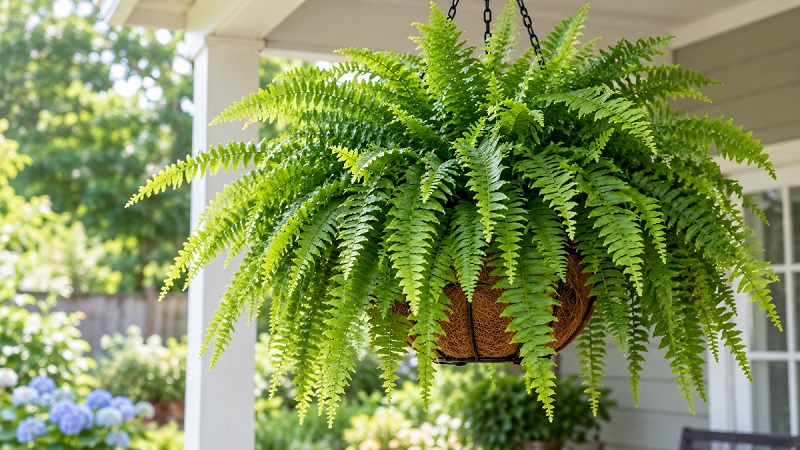
Growing & Caring for Boston Fern
Learn how to grow and care for Boston fern with practical tips for light, watering, humidity, soil, fertilizing, repotting, propagation, pests, and winter care.
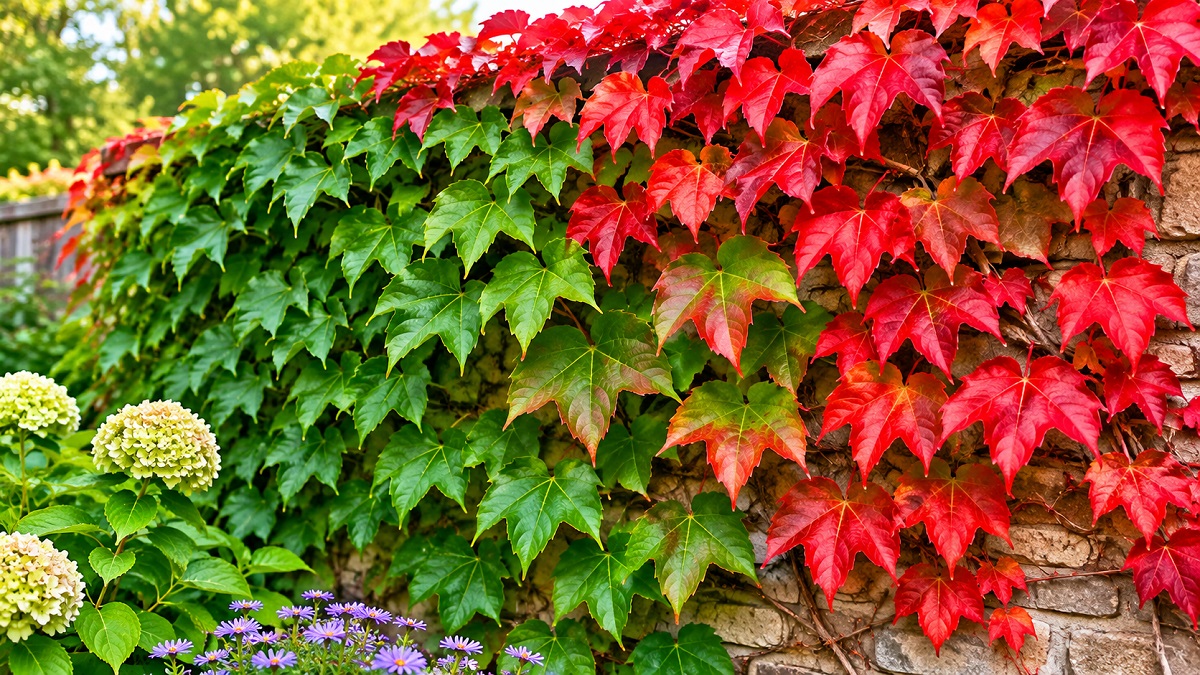
Boston Ivy (Parthenocissus tricuspidata) is a vigorous deciduous climbing vine known for covering walls, fences, pergolas, and other vertical surfaces with attractive green foliage. During spring and summer, its leaves create a dense green covering, while autumn brings one of its most impressive features: a dramatic transformation into shades of scarlet, crimson, burgundy, and purple.
Despite its name, Boston Ivy is not a true ivy. It belongs to the grape family, Vitaceae, and is closely related to Virginia creeper. Its botanical name, Parthenocissus tricuspidata, refers to the characteristic three-pointed shape often found on its leaves.
One reason gardeners choose Boston Ivy is its ability to climb without needing a traditional trellis. Small adhesive discs at the ends of its tendrils allow the vine to attach itself to suitable surfaces. Once established, it can cover a surprisingly large area with relatively little routine attention.
However, this vigorous growth deserves some consideration before planting. Boston Ivy can spread beyond its intended space, climb into gutters, and attach itself firmly to buildings. Choosing the right location and pruning regularly are important parts of keeping it manageable.
Whether you want to create a leafy garden wall, soften an unattractive fence, or enjoy spectacular fall foliage, understanding its growing requirements will help you maintain a healthy and attractive vine.
A quick overview of the growing conditions that help Boston Ivy thrive.
Boston Ivy is a woody climbing vine native to East Asia, particularly China, Korea, and Japan. It has become a popular ornamental plant in gardens and landscapes across temperate regions because of its adaptability, vigorous growth, and seasonal foliage display.
The plant produces slender climbing stems with branching tendrils. At the tips of these tendrils are small adhesive discs that attach to walls, tree trunks, masonry, and other surfaces. This natural climbing mechanism allows Boston Ivy to grow vertically without needing to wrap its stems around a support.
Its leaves are generally three-lobed, although their shape can vary depending on the age of the plant and growing conditions. Young foliage often emerges with reddish or bronze tones before developing into a rich green color.
In autumn, the foliage becomes especially attractive. Cooler temperatures and suitable light conditions encourage the leaves to develop intense red, purple, and burgundy shades before falling.
No. Despite its common name, Boston Ivy is not a member of the true ivy genus Hedera. It belongs to the grape family, Vitaceae. Its climbing habit and attractive foliage make it resemble traditional ivy, but its growth pattern, leaf structure, and botanical classification are different.
Before planting Boston Ivy, it is helpful to understand its mature size, preferred growing conditions, and seasonal behavior. The following table summarizes its main characteristics and practical care requirements.
| Characteristic | Details |
|---|---|
| Botanical Name | Parthenocissus tricuspidata |
| Common Names | Boston Ivy, Japanese Creeper, Japanese Ivy |
| Plant Family | Vitaceae |
| Plant Type | Deciduous woody perennial climbing vine |
| Native Region | China, Korea, and Japan |
| USDA Hardiness Zones | Generally 4–8 |
| Mature Height | Approximately 30–50 feet or more when suitable support is available |
| Spread | Approximately 5–10 feet at the base; climbing stems can spread much farther vertically and horizontally |
| Growth Rate | Fast-growing once established |
| Sunlight Requirements | Full sun to partial shade |
| Best Light for Fall Color | Sunny exposure generally encourages stronger autumn coloration |
| Soil Type | Loamy, sandy, or clay soil with adequate drainage |
| Soil pH | Adaptable to a range of slightly acidic to slightly alkaline conditions |
| Water Requirements | Moderate during establishment; relatively drought-tolerant after establishment |
| Flowering Season | Late spring to early summer |
| Flowers | Small, inconspicuous greenish flowers |
| Fruit | Small dark blue to blue-black berries |
| Foliage | Three-lobed leaves, usually green during spring and summer |
| Fall Color | Scarlet, crimson, burgundy, and purple |
| Climbing Method | Tendrils with adhesive discs |
| Pruning Time | Late winter or early spring; additional trimming as needed |
| Propagation | Stem cuttings, layering, and seeds |
| Landscape Uses | Walls, fences, pergolas, trellises, and vertical garden spaces |
| Toxicity | Berries are not considered edible and may cause stomach upset if consumed |
Boston Ivy grows successfully in both full sun and partial shade. Its ability to tolerate different light conditions makes it useful for covering a variety of garden structures, including walls that receive different amounts of direct sunlight.
A position receiving at least six hours of direct sunlight daily generally encourages vigorous growth and strong autumn foliage color. Plants grown in sunny locations often develop particularly impressive red and crimson leaves when temperatures begin to fall.
Full sun is especially useful when you want Boston Ivy to produce a dense covering and a noticeable seasonal display. However, newly planted vines may need more frequent watering during hot weather until their roots become established.
Boston Ivy also tolerates partial shade, particularly locations receiving several hours of morning sunlight followed by afternoon shade.
Growth may be somewhat less dense in heavily shaded locations, and autumn foliage color may not be as intense as it would be in a sunnier position.
The vine can survive in relatively shady conditions, but deep shade is not ideal. Reduced sunlight can result in slower growth, thinner foliage, and weaker autumn coloration.
For the best overall performance, select a location with a combination of good natural light and enough space for its mature growth.
One of Boston Ivy's useful qualities is its ability to grow in a variety of soil types. It can tolerate loamy, sandy, and clay-based soils, provided excess water can drain away from the roots.
For the healthiest growth, aim for moderately fertile soil with a loose structure and reasonable moisture retention.
Boston Ivy is adaptable to a range of soil pH levels. Slightly acidic to slightly alkaline soil is generally suitable. It does not require a highly specialized soil mixture.
If your garden has compacted clay soil, loosen the planting area and incorporate organic matter where appropriate. Avoid planting directly into a location where rainwater regularly collects.
Good drainage is particularly important during winter and periods of prolonged rainfall because consistently waterlogged soil can damage roots.
Planting Boston Ivy in the right location is one of the most important decisions you will make. Although young plants may look small and manageable, mature vines can cover large areas and become difficult to remove once their adhesive discs have attached to a surface.
Select a position with full sun or partial shade and enough room for the vine to spread. A garden wall, sturdy fence, or suitable trellis can provide a good growing location.
Before planting near a building, inspect the condition of its exterior. Boston Ivy can attach firmly to masonry and other surfaces. Avoid planting it against damaged mortar, loose paint, deteriorating wood, or structures that may require frequent maintenance.
Remove weeds, stones, and unwanted vegetation from the planting area. Loosen the soil to improve root penetration and incorporate compost if the soil is poor.
The planting hole should be approximately twice as wide as the root ball and about the same depth.
Remove the plant carefully from its nursery container. Gently loosen any tightly circling roots and position the root ball in the prepared hole.
Keep the top of the root ball level with the surrounding soil. Planting too deeply can encourage poor root conditions.
Fill the hole with the original soil, gently firming it around the roots to remove large air pockets. Water thoroughly after planting to settle the soil.
Apply a layer of organic mulch around the root zone to help maintain soil moisture and reduce weed growth. Keep mulch a few inches away from the main stem to prevent excess moisture from collecting around its base.
Young Boston Ivy plants may initially need some guidance toward their intended climbing surface. Position nearby supports or a temporary trellis while the vine establishes itself.
Once its tendrils develop adhesive discs, the plant can begin attaching itself to suitable surfaces.
Spring and early autumn are generally suitable planting seasons in climates where Boston Ivy is adapted to local conditions.
Spring planting gives the roots an entire growing season to establish. Early autumn planting allows root development before winter, provided the ground is not frozen and temperatures are moderate.
Boston Ivy needs regular moisture while it is establishing its root system. Once mature, it becomes more tolerant of short dry periods and generally requires less supplemental watering.
During the first growing season, water whenever the upper layer of soil begins to dry. The aim is to maintain reasonably consistent moisture without leaving the roots in saturated soil.
The frequency will depend on rainfall, temperature, soil type, and the size of the plant. Sandy soil may dry quickly, while heavier soil retains moisture for longer.
Established Boston Ivy usually obtains much of the moisture it needs from rainfall. During extended dry spells, provide a deep watering rather than frequent shallow applications.
Deep watering encourages roots to grow farther into the soil, helping the plant tolerate changing weather conditions.
Always check soil moisture before watering. A fixed watering schedule is less reliable than responding to actual weather and soil conditions.
Boston Ivy is not particularly demanding when it comes to fertilizer. In reasonably fertile garden soil, it can grow vigorously without regular feeding.
Applying excessive fertilizer, especially products high in nitrogen, may encourage too much leafy growth. This can make the vine more difficult to manage and may reduce its overall balance.
If the soil is poor or the plant shows signs of nutrient deficiency, apply a balanced, slow-release fertilizer in spring according to the manufacturer's directions.
A thin layer of compost around the root zone is another option for improving soil fertility gradually.
Healthy foliage and steady growth are better indicators of the need for fertilizer than a routine feeding schedule.
Boston Ivy is especially valued for its natural climbing ability. Unlike climbing plants that need to wrap around a support, this vine uses tendrils equipped with small adhesive discs.
These discs attach to suitable surfaces, allowing the plant to climb vertically over walls, fences, and other structures.
Boston Ivy can attach to many relatively stable surfaces, including:
Its ability to cling directly to surfaces makes it useful for vertical landscaping, but it also means that removing an established vine can be difficult.
The adhesive discs do not penetrate deeply into sound masonry in the same way that invasive roots can. However, Boston Ivy can become attached to cracks, deteriorating mortar, loose paint, and damaged exterior finishes.
Its stems can also enter openings around gutters, rooflines, windows, and other building features if left unmanaged.
For this reason, inspect the climbing area regularly and trim stems away from windows, gutters, vents, and roof edges.
A trellis is useful when you want to control the direction of growth or avoid allowing the vine to attach directly to a building. Choose a strong structure that can support the weight of mature foliage and stems.
Regular pruning is essential for keeping Boston Ivy under control. Without maintenance, the vine can spread across neighboring plants, climb into unwanted areas, and cover openings or structural features.
Late winter or early spring, before active growth begins, is a suitable time for major pruning. During this period, the plant has lost its leaves, making the structure of its stems easier to see.
Light trimming can also be carried out during the growing season whenever stems extend beyond their intended boundaries.
Boston Ivy can grow several feet in a season under favorable conditions. Regular inspection is more effective than waiting until the vine has become difficult to manage.
If you are growing it on a fence or trellis, trim the outer growth to maintain the desired shape. On a building, keep a clear boundary around windows, doors, gutters, and roof edges.
Established Boston Ivy is generally capable of tolerating substantial pruning. If a plant has become overgrown, it can be reduced gradually or cut back more heavily where necessary.
However, avoid removing so much growth that the plant loses all of its healthy foliage and established framework unnecessarily. Large pruning jobs should be approached carefully, particularly when stems have attached firmly to buildings.
Boston Ivy can be propagated through stem cuttings, layering, or seeds. Stem cuttings are particularly useful for home gardeners because they allow new plants to be produced from an established vine without waiting for seeds to germinate.
Semi-hardwood cuttings taken during the growing season are a practical propagation method.
Rooting time varies according to temperature, cutting maturity, and growing conditions. Once roots have developed and new growth appears, gradually acclimate the young plant before transplanting.
Layering is another straightforward method. A flexible stem is encouraged to develop roots while it remains attached to the parent plant.
Boston Ivy also produces small berries containing seeds. Seed propagation is possible, although it is generally slower and less convenient than using cuttings.
Seeds may require a period of cold stratification to improve germination. Clean the seeds from ripe berries, prepare them according to an appropriate seed-propagation method, and sow in a suitable moist growing medium.
Keep the seed tray in a protected location and avoid excessive moisture. Germination can be variable, so patience is important.
Boston Ivy changes noticeably throughout the year. Its seasonal appearance and maintenance requirements are influenced by temperature, sunlight, and local growing conditions.
Spring is when Boston Ivy begins producing fresh shoots and leaves. It is also a good time to inspect the climbing structure, remove dead stems, and complete major pruning.
During summer, Boston Ivy develops dense foliage and extends its climbing stems. Established plants generally tolerate warm conditions, although young vines need attention during extended dry periods.
Autumn is the season when Boston Ivy becomes particularly attractive. As temperatures cool, the green foliage changes into shades of red, scarlet, and purple.
Boston Ivy is deciduous, meaning it naturally loses its leaves in autumn or early winter. During dormancy, the bare woody stems remain attached to their climbing surfaces.
Although Boston Ivy is best known as a landscape climber, it can also be grown in a large container. This approach is useful for patios, balconies, and smaller gardens where planting directly into the ground is not possible.
Container growing also provides an opportunity to control root expansion and direct the vine toward a trellis or other support.
Use a sturdy container with several drainage holes. Because Boston Ivy develops a substantial root system and can produce heavy climbing growth, small decorative pots are generally unsuitable for long-term cultivation.
A large, stable planter helps support the plant as it matures and reduces the likelihood of the container tipping over.
Choose a good-quality potting mix that retains some moisture while allowing excess water to drain. Adding a modest amount of compost can improve the growing medium.
Install a sturdy trellis or support structure in the container. Guide young stems toward it and prune regularly to maintain the desired size.
Container plants dry out faster than those growing in the ground. Check the growing medium regularly, especially during hot weather.
Water thoroughly when the upper portion of the mix begins to dry, allowing excess water to drain away. Do not allow the pot to stand in a saucer filled with water.
Roots in containers are more exposed to cold temperatures than roots in garden soil. In colder climates, move the pot to a sheltered position or provide suitable insulation around the container.
Remember that even in a container, Boston Ivy can become a vigorous plant. Regular pruning is necessary to keep its size manageable.
Boston Ivy is generally a resilient plant, but unsuitable growing conditions, poor drainage, and pest activity can occasionally affect its appearance and growth.
| Problem | Possible Cause | Solution |
|---|---|---|
| Yellowing Leaves | Overwatering, poor drainage, or nutrient problems | Check soil moisture, improve drainage, and investigate possible nutrient deficiencies. |
| Brown Leaf Edges | Dry soil, heat stress, or excessive sun exposure during drought | Water deeply during dry periods and maintain consistent soil moisture while establishing. |
| Wilting Foliage | Insufficient water, root damage, or severe heat | Check the root zone and soil moisture before watering. |
| Slow Growth | Deep shade, poor soil, or unsuitable growing conditions | Improve growing conditions and ensure the plant receives adequate light. |
| Leaf Spots | Fungal or bacterial leaf diseases, often encouraged by prolonged leaf wetness | Remove affected foliage, improve airflow, and avoid overhead watering where practical. |
| Powdery Mildew | Fungal growth favored by suitable humidity and poor air circulation | Thin congested growth and improve airflow. Use an appropriate treatment if necessary. |
| Chewed Leaves | Leaf-feeding insects or caterpillars | Inspect foliage and remove small pest populations manually when practical. |
| Spider Mites | Hot, dry conditions that favor mite activity | Inspect the undersides of leaves and manage infestations with suitable methods. |
| Excessive Spreading | Vigorous natural growth without regular maintenance | Prune unwanted stems and remove seedlings where necessary. |
Yellow leaves can develop for several reasons. One of the most common is excessively wet soil, particularly in poorly drained locations.
Check the soil before increasing or reducing watering. If the ground remains wet for long periods, improve drainage and avoid unnecessary irrigation.
Brown leaf margins may indicate drought stress, especially during hot weather. Newly planted vines are more susceptible because their root systems have not yet expanded sufficiently.
Water the root zone deeply when necessary and consider applying mulch to reduce moisture loss.
Leaf spot symptoms may appear as brown, dark, or irregular patches. Several fungal and bacterial problems can cause similar symptoms.
Remove severely affected leaves, avoid repeatedly wetting the foliage, and maintain adequate air circulation through selective pruning.
Boston Ivy may occasionally attract insects that feed on leaves or stems. Aphids, scale insects, caterpillars, and spider mites are among the pests worth checking for.
Inspect both sides of leaves and look for sticky deposits, webbing, discolored patches, or unusual leaf damage. Treat confirmed infestations with an appropriate control method, starting with the least disruptive option.
Boston Ivy is especially useful in landscape designs that make use of vertical space. Its climbing ability and seasonal foliage provide several opportunities for creating attractive garden features.
One of its most popular uses is covering suitable walls with a thick layer of foliage. The leaves create a natural green surface during summer and an impressive display of autumn colors later in the year.
Boston Ivy can soften the appearance of plain fences and boundary walls. It is particularly useful where a traditional climbing plant that needs extensive tying and training would be less convenient.
When grown on a sturdy trellis, Boston Ivy can add height and texture to a garden. Its changing foliage gives the structure a different appearance in every season.
A well-established vine can create a leafy covering over a suitable structure. During the growing season, its foliage may help shade exterior surfaces from direct sunlight.
Its small flowers provide a potential food source for visiting insects, while its dark berries may be eaten by birds. However, the berries should not be considered edible for people.
Few climbing vines offer such an attractive seasonal transformation. Its brilliant autumn foliage can make an otherwise ordinary wall or fence a focal point in the garden.
Boston Ivy is best adapted to temperate climates with distinct seasonal changes. Its deciduous growth habit and autumn coloration are particularly well suited to regions that experience cool autumn temperatures and winter dormancy.
In regions with prolonged high temperatures, intense sunlight, and mild winters, Boston Ivy may not develop the same seasonal appearance seen in temperate gardens.
It may also struggle in tropical lowland climates where winter chilling is limited. Gardeners in warmer regions should consider local climate suitability before purchasing a plant, and should not assume that its USDA hardiness rating guarantees good performance in a hot climate.
In suitable temperate climates, Boston Ivy generally performs well when planted in a sunny or partially shaded location with well-drained soil.
Its ability to tolerate winter dormancy makes it a useful perennial climbing vine in areas that experience cold winters.
Although Boston Ivy is relatively easy to grow, a few common mistakes can create unnecessary maintenance problems.
Allowing the vine to grow around windows, doors, gutters, vents, and rooflines can lead to maintenance difficulties. Leave sufficient clearance and inspect the plant regularly.
A young Boston Ivy plant may look small in a nursery pot, but it can eventually cover a large vertical area. Consider its mature growth before choosing a planting position.
Although adaptable, Boston Ivy does not perform well when its roots remain waterlogged. Improve drainage before planting in areas that collect standing water.
Too much fertilizer can encourage excessive leafy growth, making the vine harder to manage. Apply nutrients only when needed.
Uncontrolled stems can extend into neighboring plants and building features. Regular trimming helps maintain the desired coverage and prevents the vine from becoming unmanageable.
Avoid encouraging the plant to attach to loose masonry, deteriorating mortar, or surfaces that may need repair. The adhesive discs can make later removal difficult.
Boston Ivy can spread beyond cultivated areas under favorable conditions. Before planting, check local recommendations and invasive plant lists, especially if you live near natural woodland or sensitive habitats.
Yes. Boston Ivy is generally easy to grow in suitable temperate climates. It tolerates different soil types, grows in full sun or partial shade, and becomes relatively low-maintenance once established. Regular pruning is important because of its vigorous growth.
Yes. Boston Ivy grows well in full sun and generally develops stronger autumn coloration in sunny locations. It also tolerates partial shade, although foliage color may be less intense.
Boston Ivy is a fast-growing vine once established. Under favorable conditions, its stems can extend several feet in a growing season. Growth depends on sunlight, soil moisture, temperature, and plant maturity.
Yes. Boston Ivy is deciduous. Its leaves change color during autumn before falling, leaving the woody stems exposed during winter dormancy.
Not necessarily. Boston Ivy has adhesive discs at the ends of its tendrils, allowing it to attach to suitable surfaces. A trellis is useful when you want to direct its growth or prevent direct attachment to a building.
The adhesive discs generally attach to the surface rather than penetrating sound masonry. However, the vine can become attached to damaged mortar, loose paint, and existing cracks. Its stems can also interfere with gutters and rooflines. Avoid growing it on deteriorating structures.
Late winter or early spring is a suitable time for major pruning before new growth begins. Light trimming can be performed during the growing season to control stems that extend beyond their intended area.
Yes. It can be grown in a large container with good drainage and a sturdy support. Container-grown plants need more frequent moisture checks and regular pruning to control their size.
Boston Ivy can be propagated through stem cuttings, layering, or seeds. Semi-hardwood cuttings and layering are convenient options for home gardeners.
Autumn color depends on several factors, including sunlight, temperature, and local seasonal conditions. Plants growing in heavy shade may produce less intense colors. Warm autumn weather can also affect the timing and strength of the color change.
No. Boston Ivy berries should not be eaten. They are not considered edible for humans and may cause stomach upset if consumed. Keep them away from children and pets.
No. Boston Ivy is a deciduous climbing vine. It produces attractive green foliage during spring and summer, develops colorful leaves in autumn, and loses its foliage during winter.
Yes. It tolerates partial shade, although growth and autumn coloration may be reduced. Deep shade is less suitable for producing a dense, colorful covering.
Boston Ivy is vigorous and can spread beyond its original planting location. Its ability to produce seedlings and cover large areas means it needs monitoring. Check local invasive plant guidance before introducing it into your garden.
Boston Ivy is an attractive climbing vine that combines vigorous growth with impressive seasonal foliage. Its ability to attach itself to suitable surfaces makes it especially useful for covering walls, fences, and other vertical garden features without requiring extensive support.
For healthy growth, provide a suitable planting location, well-drained soil, moderate watering, and sufficient sunlight. Once established, the plant generally requires little feeding, although regular pruning is essential to prevent unwanted spreading.
Its brilliant autumn colors are one of its greatest attractions, transforming ordinary garden structures into striking seasonal displays. With thoughtful placement and consistent maintenance, Boston Ivy can become a beautiful and long-lasting feature in a suitable garden.
Continue exploring our gardening guides with more plant profiles, growing tips, and practical advice for creating a healthy, productive garden.