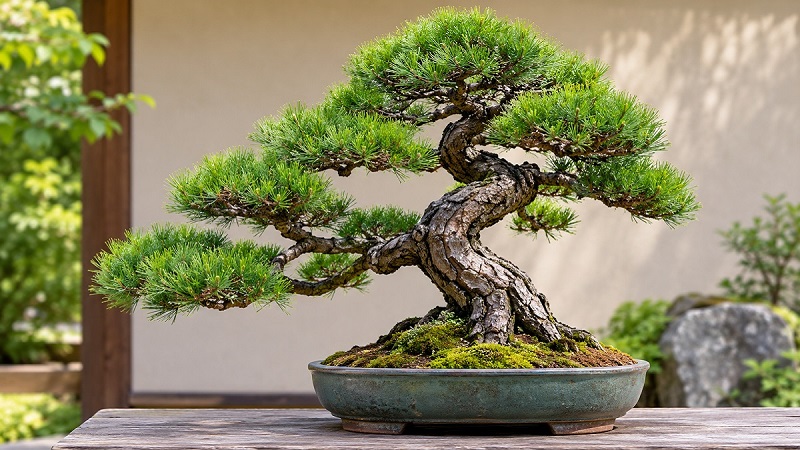
Growing & Caring for Pine Bonsai
Learn how to grow and care for pine bonsai, including sunlight, watering, soil, fertilizing, pruning, wiring, repotting, and common problems.
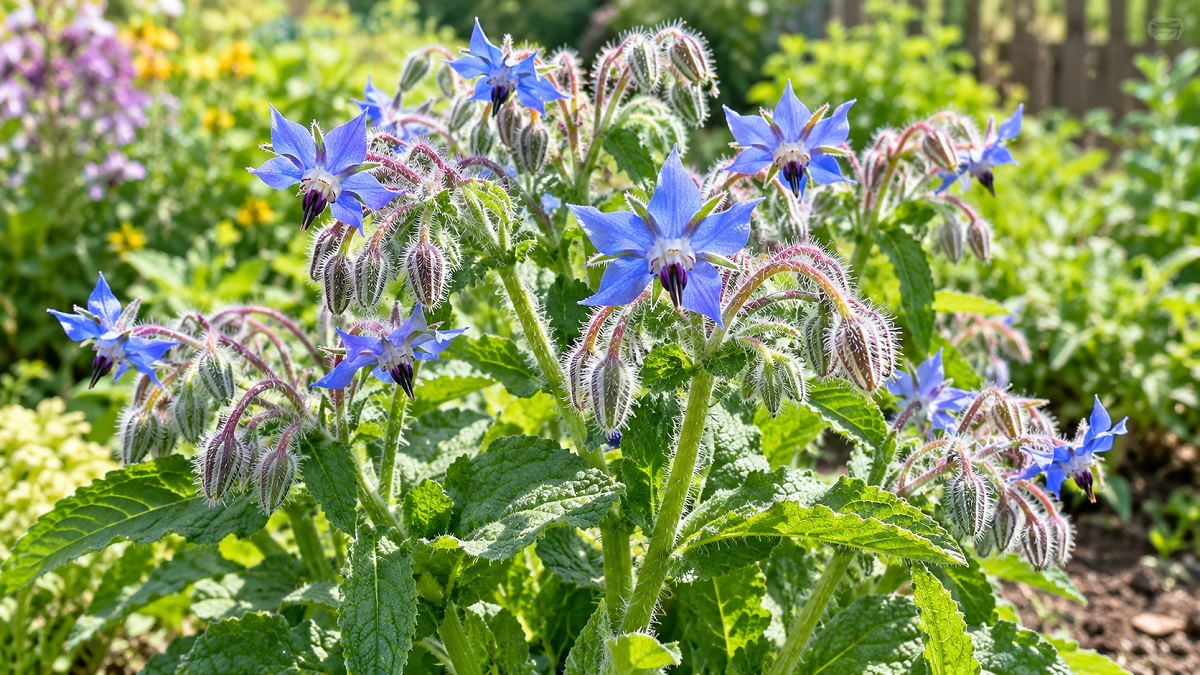
Borage is one of those garden plants that looks striking without demanding much attention. Its loose clusters of brilliant blue flowers rise above large, textured leaves, giving the plant a relaxed, natural appearance that suits herb beds, cottage gardens, vegetable plots, and pollinator-friendly spaces. The flowers are especially attractive to bees, making borage a useful choice for gardeners who want to encourage more insect activity around their plants.
Known botanically as Borago officinalis, borage is a fast-growing annual herb native to the Mediterranean region. It is usually grown from seed, develops a substantial taproot, and can return year after year when mature plants drop seeds in suitable soil. Although it is often described as an edible herb, it is important to distinguish its traditional culinary uses from its safety concerns: borage contains pyrrolizidine alkaloids, compounds that can damage the liver. It should not be consumed in large amounts or used as a home remedy.
Growing borage successfully comes down to a sunny position, soil that drains well, sensible watering, and enough room for the plant to spread. Once established, it needs relatively little maintenance. This guide explains how to sow borage, care for its foliage and flowers, collect seeds, manage common problems, and decide whether it belongs in your garden.
Botanical name: Borago officinalis. A flowering annual herb valued for its blue blooms and pollinator appeal.
Borage is a coarse-textured, branching annual that develops quickly in warm weather. Its broad, oval leaves are green to gray-green and covered with stiff hairs. The stems are also hairy, and mature plants may become quite bushy, particularly when they have enough sunlight and moisture.
The most familiar feature is the flower. Small, five-pointed blooms usually appear in vivid sky blue, often hanging in loose clusters above the foliage. Individual flowers can be pinkish when they first develop before becoming blue. White-flowered forms, including Borago officinalis 'Alba', are also available.
Unlike compact herbs that fit neatly along a narrow path, borage has a spreading, somewhat untidy growth habit. This is part of its appeal in informal planting schemes, but it means that spacing and location matter. Place it where its mature size will not crowd smaller herbs or delicate ornamentals.
Borage is also known for self-seeding. After pollination, seeds mature and fall to the ground, where some may germinate when conditions become favourable. This can save time in future seasons, although unwanted seedlings should be removed before they become established.
Borage is not the best choice for every space. Its size, bristly leaves, and tendency to self-seed can be inconvenient in small, formal gardens. Gardeners with limited room may prefer a single container-grown plant or a more compact white-flowered form.
Use the following table as a practical reference when choosing a planting site and planning routine care. Mature size and flowering dates can vary with climate, soil, and sowing time.
| Characteristic | Details |
|---|---|
| Common Name | Borage, starflower |
| Botanical Name | Borago officinalis |
| Plant Family | Boraginaceae |
| Plant Type | Annual flowering herb |
| Native Range | Mediterranean region |
| Mature Height | Approximately 50–90 cm (20–36 in), sometimes taller in favourable conditions |
| Spread | Approximately 30–60 cm (12–24 in), depending on growing conditions |
| Growth Habit | Upright, branched, spreading |
| Foliage | Coarse, oval, green to gray-green leaves with bristly hairs |
| Flower Shape | Five-pointed, star-shaped flowers in loose clusters |
| Flower Colour | Usually bright blue; white cultivars are available |
| Flowering Season | Typically spring and summer in suitable climates; timing varies by sowing date and region |
| Light Requirements | Full sun; tolerates light partial shade |
| Soil Type | Loam, sandy soil, clay loam, or other reasonably fertile soil with good drainage |
| Soil pH | Adaptable to a range of soil pH levels |
| Water Requirements | Moderate; water during prolonged dry spells and keep container compost from drying completely |
| Fertilizer | Usually unnecessary in reasonably fertile soil |
| Propagation | Seeds; commonly self-seeds |
| Pruning | Generally unnecessary; remove unwanted seedlings and spent plants |
| Pollinator Value | Attracts bees and other flower-visiting insects |
| Common Problems | Powdery mildew, occasional leaf damage, flopping stems, and unwanted seedlings |
| Maintenance Level | Low |
| Important Safety Note | Contains pyrrolizidine alkaloids; avoid medicinal use and frequent or substantial consumption |
Borage grows best in a position that receives several hours of direct sunlight each day. Full sun encourages sturdy growth, a good display of flowers, and a plant that is less likely to lean towards the light.
A site with around six or more hours of direct sunlight is a useful starting point. Borage can tolerate light partial shade, especially in hot climates, but heavy shade may produce weaker stems and fewer flowers.
For gardens in India, particularly during periods of intense summer heat, observe how the site performs through the day. Morning sun with some protection from the harshest afternoon conditions can be a reasonable compromise. Avoid placing borage in a dark corner simply to protect it from heat.
One reason borage is easy to grow is its adaptability to different garden soils. It can grow in sandy, loamy, and some clay-based soils, provided excess water can drain away. Rich soil is not essential, although reasonably fertile ground generally supports fuller growth.
Drainage is more important than creating an elaborate soil mix. Borage develops a taproot, and persistently saturated ground deprives roots of oxygen and encourages root problems.
Borage does not need a highly specialized potting mix. A good-quality general-purpose compost works for container growing, as long as the pot has adequate drainage holes. Do not leave the container standing in a saucer full of water.
Watering needs depend on the plant's age, soil type, weather, and whether it is growing in the ground or in a pot. Seeds need consistent moisture to germinate, while established plants can tolerate some drying between waterings.
After sowing, keep the top layer of soil lightly moist without making it soggy. Water gently so that seeds are not washed away or exposed. Once seedlings emerge and begin developing true leaves, adjust watering according to the rate at which the soil dries.
Borage planted in garden beds may need little extra water when rainfall is adequate. During a prolonged dry spell, water deeply enough to moisten the root zone. Allow excess water to drain away before watering again.
Plants in containers dry out much faster, particularly during warm, windy weather. Check the compost with a finger rather than following a rigid daily schedule. If the upper layer has dried and the pot feels noticeably lighter, water thoroughly and let the excess drain.
Borage is a cool-to-warm-season annual that grows well when the weather is mild and sunny. It can also grow during warmer periods if roots receive enough moisture and the plant is not exposed to prolonged extreme heat.
In hot weather, plants may flower and set seed more quickly, while dry soil can limit their height. High humidity combined with crowded growth and damp foliage can increase the likelihood of fungal problems such as powdery mildew.
There is no need to maintain a precise humidity level in an ordinary outdoor garden. Instead, provide sensible spacing, good drainage, and air movement. In regions with very hot summers, sowing during a locally suitable cooler growing window may give better results than planting just before the hottest part of the year.
Borage is usually best sown directly where it will grow. Its taproot can be damaged during transplanting, so avoiding unnecessary disturbance makes establishment easier.
In climates with cold winters, seeds are generally sown in spring after the risk of severe frost has passed. In mild climates, planting time can be adjusted to avoid extreme heat and waterlogged weather. In India, choose a period when the soil is warm enough for germination but the seedlings will not immediately face severe summer heat or heavy monsoon saturation.
A spacing of approximately 30–50 cm (12–20 inches) is a useful guide for many garden situations. Use the wider end of the range if you want large, bushy specimens or need better airflow in humid conditions.
Seeds are the simplest way to establish borage. They can be purchased from a reputable seed supplier or collected from mature plants for sowing in a later season. Because the species readily self-seeds, gardeners sometimes find seedlings appearing around the original planting site without any additional work.
Direct sowing is usually the most convenient method. Sow into prepared soil, cover lightly according to the seed supplier's instructions, and keep the area evenly moist until germination. Thin seedlings after they emerge rather than allowing a dense cluster to compete for water, light, and nutrients.
If you need an early start or want to control the planting location, sow seeds individually in small, deep pots or root trainers. Use a free-draining seed-starting medium and keep it moist rather than saturated.
Move young plants outdoors only when conditions are suitable, and handle the root ball carefully. Avoid keeping seedlings in small pots for too long, as a developing taproot can become restricted. Direct sowing remains the preferred approach where practical.
Germination commonly takes around one to three weeks under suitable conditions, although temperature, seed freshness, and moisture can affect the timing. Do not assume the seeds have failed if they do not emerge immediately. Check the seedbed for excessive dryness, waterlogging, or disturbance before sowing again.
If you want a longer period of fresh growth and flowers, sow a small batch of seeds at intervals rather than planting everything at once. Successive sowings can spread the flowering period and provide replacement plants as older specimens begin to decline.
Borage is not a heavy feeder. In ordinary garden soil, adding fertilizer routinely is usually unnecessary. Too much nitrogen may produce abundant foliage and soft growth without improving the overall quality of the plant.
If the soil is poor, incorporate a modest quantity of mature compost before sowing. Container-grown plants may benefit from a light application of a balanced fertilizer if they remain in the same potting medium for an extended period. Follow the product label rather than applying concentrated feeds frequently.
A plant that looks pale or grows slowly may be responding to several factors, including inadequate light, waterlogged roots, drought, or nutrient deficiency. Check these conditions before assuming that fertilizer is needed.
Borage generally needs little formal pruning. Its natural branching habit and informal shape are part of its appeal, and routine shaping is not necessary to obtain flowers.
Remove faded flower clusters if you want to reduce unwanted self-seeding. Regular removal before seeds mature can help keep the plant contained. On the other hand, leaving some flower heads to develop seeds is useful if you want seedlings for the next growing season.
Plants growing in fertile soil or exposed positions may become tall and lean, and their brittle stems can break in strong winds. A small discreet stake can support a plant that begins to flop. Good spacing and a sheltered planting location can reduce the need for extra support.
Because borage is an annual, older plants naturally decline after flowering and seed production. Replacing them with new seedlings is usually more practical than attempting to maintain the same plant indefinitely.
Borage is propagated primarily by seed. It does not need to be divided like a perennial clump, and cuttings are not the usual method for establishing new plants.
If you are growing a named cultivar, seedlings may not always reproduce every characteristic of the parent plant exactly. For ordinary garden borage, this is rarely a concern.
For a low-maintenance planting, allow a few flower heads to mature and scatter seeds naturally. The following season, keep the strongest seedlings and remove those growing in unsuitable locations.
Borage can spread more widely than expected when many seeds are allowed to mature. Collect some seeds for controlled sowing if you want to maintain a tidy garden or avoid plants appearing in nearby beds.
Borage can be grown in containers, but its taproot, size, and spreading growth habit mean that a small decorative pot is rarely suitable for a mature plant. Choose a sturdy container that provides enough depth for root development and enough width to support the foliage.
A pot around 30 cm (12 inches) wide or larger is a useful starting point for one plant. Choose a deeper container if possible, and make sure it has several unobstructed drainage holes. A heavier pot can also help prevent a tall plant from tipping over in wind.
Container-grown borage may need more frequent watering than plants growing in the ground. However, watering too often can be just as harmful as allowing the compost to become completely dry. Check the actual moisture level before watering.
Borage flowers are among the plant's most distinctive features. Their blue, star-shaped petals create a bright display above the rough foliage, while their open structure makes the flowers accessible to visiting insects.
Bees commonly visit borage, and the plant can be a valuable addition to a garden designed to support pollinators. It can be grown near vegetable beds or among other flowering herbs, provided there is enough space for mature plants.
Flowering time depends on the sowing date and local climate. Plants established during favourable weather may bloom within the growing season, while very hot or otherwise stressful conditions can shorten the display.
For a garden that supports wildlife, combine borage with other flowering plants that bloom at different times. This provides a more continuous supply of floral resources rather than relying on a single species.
Borage has a history of culinary use, particularly its flowers as decorative garnishes. The blooms have a mild, cucumber-like character and are sometimes used to decorate drinks, desserts, or salads. The leaves are also traditionally used, but their coarse hairs can make them unpleasant to handle and eat, especially as they mature.
If you grow borage for ornamental purposes or pollinators, there is no need to harvest it. Leaving the flowers intact allows visiting insects to continue using them and gives selected plants time to produce seeds.
Although edible flowers are promoted in many gardening guides, borage is not a plant to consume freely or regularly. Read the safety section below before considering any culinary use.
An important part of responsible borage care is understanding its chemical safety. Borage contains pyrrolizidine alkaloids (PAs), a group of naturally occurring compounds that can cause liver damage. Some PAs are also associated with other serious health risks.
For this reason, borage should not be used as a home medicinal treatment, taken as a tea or supplement, or consumed in large or repeated amounts. Do not assume that a plant is safe to eat simply because it has traditionally been used as an herb.
Borage seed oil is a separate product with its own quality and safety considerations; it should not be confused with eating the leaves or flowers. Anyone considering a supplement should consult a qualified healthcare professional, particularly during pregnancy or breastfeeding, or when taking medication or managing a health condition.
For most ornamental gardeners, the simplest approach is to enjoy borage as a flowering plant and pollinator resource without using it for food or medicine. Keep harvested plant material and seeds away from young children and pets that might chew them.
Borage is generally straightforward to grow, but its appearance can deteriorate if the site is too wet, the plants are crowded, or stems are exposed to strong wind. Inspect plants regularly so that problems can be addressed before they become widespread.
| Problem | Possible Cause | What to Do |
|---|---|---|
| Powdery mildew | Fungal growth favoured by susceptible foliage and certain weather conditions | Improve airflow, avoid excessive crowding, remove badly affected material, and follow locally appropriate disease-management advice. |
| Yellowing leaves | Waterlogging, drought, ageing foliage, or nutrient problems | Check soil moisture and drainage before adding fertilizer. |
| Wilting | Dry soil, damaged roots, or waterlogged soil | Check the root zone and correct the underlying watering problem. |
| Flopping or broken stems | Strong wind, heavy growth, or insufficient support | Use a sheltered site, provide discreet support, and allow adequate spacing. |
| Chewed leaves | Slugs, snails, or other leaf-feeding pests | Inspect plants, identify the pest, and use suitable non-chemical or locally approved controls. |
| Small, weak plants | Insufficient light, competition, restricted roots, or unsuitable moisture | Improve growing conditions and thin crowded seedlings. |
| Too many seedlings | Self-seeding from mature flower heads | Remove unwanted seedlings early and cut off seed heads before they mature. |
Powdery mildew can appear as a pale, powder-like coating on leaves and stems. It may become more noticeable later in the growing season. Avoid crowding plants together, remove heavily affected material, and do not overwater simply because the foliage looks unhealthy.
Slugs, snails, and leaf-mining insects may damage the foliage. Inspect the undersides of leaves and look for trails, holes, or mines before deciding which control is appropriate. Minor damage does not necessarily threaten an otherwise healthy plant.
Poor drainage can cause yellowing, wilting, and general decline. If the soil remains saturated, adding more water or fertilizer will not solve the problem. Improve drainage where possible, and consider moving future sowings to a better site.
Borage follows a simple annual life cycle, but the best time to sow it depends on local weather. Use the following seasonal outline as a guide rather than a fixed calendar.
| Season or Stage | Recommended Care |
|---|---|
| Before sowing | Choose a sunny, well-drained site and prepare the soil. Select a sowing window that avoids severe heat or waterlogging. |
| Germination | Keep the seedbed lightly moist and remove weeds before they compete with young seedlings. |
| Active growth | Thin seedlings, water during prolonged dry spells, and check that plants have sufficient room. |
| Flowering | Enjoy the flowers, watch for mildew, and provide support if tall stems begin to lean. |
| Seed formation | Collect selected mature seeds or remove flower heads to limit self-seeding. |
| End of the growing cycle | Remove declining plants and clear diseased debris. Leave a few healthy seed heads only if you want volunteer seedlings. |
In India, local temperature and rainfall patterns are particularly important. Borage generally performs better when it can establish during a period of moderate weather rather than facing prolonged extreme heat immediately after germination.
In areas with hot summers, consider sowing during a cooler local growing window and protect young plants from harsh afternoon conditions if necessary. During the monsoon, choose a raised or well-drained site where roots will not remain saturated after heavy rain. In milder regions, adjust planting dates to suit local conditions and the seed supplier's recommendations.
Avoid applying a single sowing calendar to every part of the country. Coastal, tropical, elevated, and northern regions can have very different growing conditions.
Yes. Borage is generally easy to grow from seed. Give it a sunny location, reasonably fertile soil with good drainage, and enough room to spread. Direct sowing is usually preferable because the plant develops a taproot that can be disturbed during transplanting.
The common borage, Borago officinalis, is an annual and normally completes its life cycle in one growing season. However, it readily self-seeds, so new plants may appear in the same area the following year if mature seeds are allowed to fall.
Full sun is best for strong growth and good flowering. Borage can tolerate light partial shade, but prolonged heavy shade may lead to weaker growth and fewer flowers.
There is no fixed watering schedule. Water when the root zone begins to dry, taking rainfall, soil type, temperature, and container size into account. Established plants in the ground tolerate some dry weather, while container-grown plants usually need closer monitoring.
Yes. Choose a sturdy, reasonably deep pot at least about 30 cm (12 inches) wide, with drainage holes. Sow seeds directly into the container if possible, provide plenty of light, and monitor moisture closely during hot weather.
Seeds commonly germinate within one to three weeks under suitable conditions. Plants then develop rapidly in favourable weather, with flowering time depending on the sowing date, climate, and growing conditions.
Borage can develop tall, somewhat brittle stems that lean or break in strong wind. Choose a sheltered location, give plants adequate space, and provide a small stake if a specimen needs support.
Deadheading is optional. Remove spent flowers before seeds mature if you want to reduce self-seeding. Leave selected seed heads on healthy plants if you would like new seedlings next season.
Powdery mildew, occasional leaf-feeding pests, waterlogged roots, and stems that flop in strong winds are among the problems to watch for. Good drainage, appropriate spacing, and regular observation help keep plants healthy.
Borage flowers have traditionally been used as edible garnishes, but the plant contains pyrrolizidine alkaloids that can cause liver damage. Do not consume borage in large or repeated amounts, use it as a home remedy, or assume that ordinary preparation removes these compounds. For a precautionary approach, enjoy the flowers in the garden rather than eating them.
Yes. Its open, star-shaped flowers are attractive to bees and other flower-visiting insects. Planting borage alongside other flowering species can help create a garden that offers pollinators a wider range of floral resources.
Collect seeds when they have matured and become firm and dark, before they fall from the plant. Dry them fully if needed and store them in a labelled container in a cool, dry place until sowing time.
Borage is a rewarding annual for gardeners who want blue flowers, an informal planting style, and a reliable source of blooms for visiting pollinators. It grows readily from seed, adapts to a range of reasonably drained soils, and requires little pruning or feeding.
The most important steps are to choose a sunny site, avoid waterlogged soil, give the plants enough room, and manage self-seeding according to your garden's needs. With these basics in place, borage can provide an attractive seasonal display without demanding constant attention.
Remember that borage's traditional culinary and medicinal uses do not make it risk-free. Because it contains pyrrolizidine alkaloids, treat it primarily as an ornamental and pollinator-friendly plant rather than a herb for regular consumption.
Continue exploring our gardening guides with more plant profiles, growing tips, and practical advice for creating a healthy, productive garden.