Growing & Caring for Borage
Learn how to grow and care for borage, including sunlight, soil, watering, planting seeds, flowering, propagation, common problems, and safety tips.
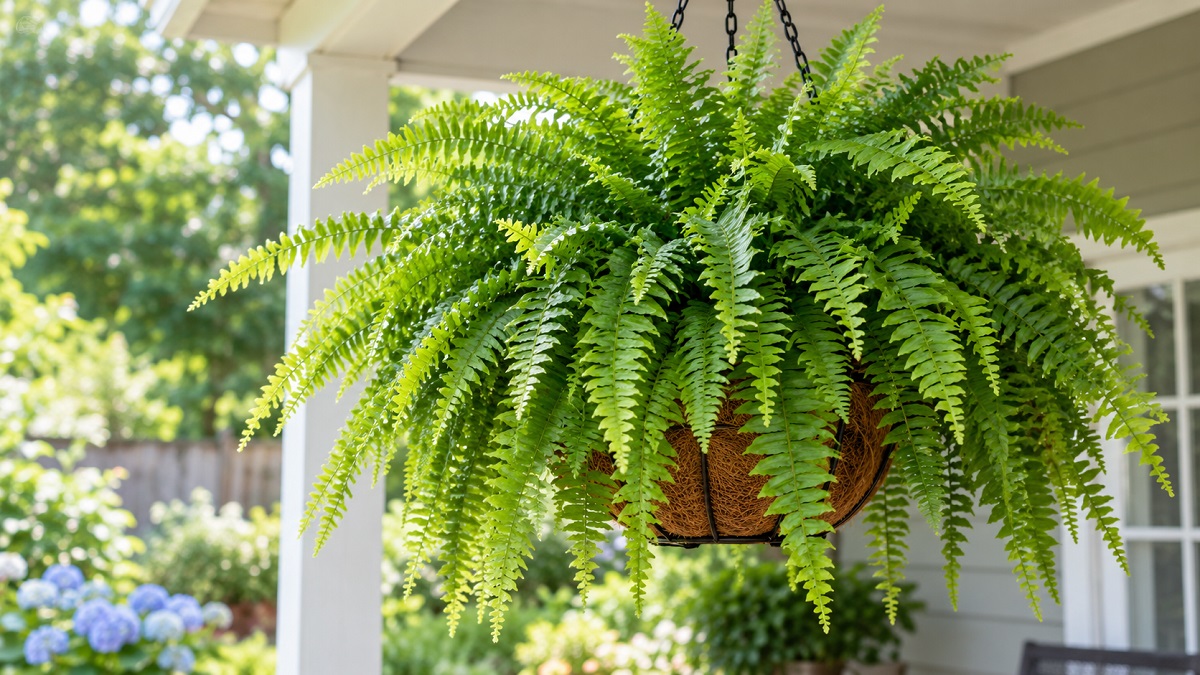
Boston fern is one of those houseplants that can completely change the feel of a room. Its long, softly arching fronds spill over the edge of a pot, hanging basket, or plant stand, creating a lush green display without needing flowers. It is especially attractive in bathrooms, bright bedrooms, shaded porches, and other spaces where many sun-loving plants struggle.
The plant commonly sold as Boston fern is Nephrolepis exaltata 'Bostoniensis', a cultivated form of sword fern. Unlike succulents and many popular tropical houseplants, it does not appreciate drying out between waterings. It performs best when the growing medium remains evenly moist, the air is reasonably humid, and its foliage is protected from harsh direct sunlight.
Caring for a Boston fern is not particularly difficult once its basic needs are understood. The biggest challenge is usually maintaining consistent moisture and humidity. If you provide those conditions and avoid extremes, the plant can remain attractive for years.
The key to a lush Boston fern is consistency: bright filtered light, evenly moist soil, good drainage, and moderate to high humidity.
Boston fern is an evergreen fern prized for its dense clusters of narrow leaflets arranged along long, arching fronds. The fronds emerge from a central crown and gradually spread outward, giving mature plants a naturally full appearance. In a hanging basket, they can cascade downward and create a particularly attractive silhouette.
Ferns reproduce by spores rather than flowers and seeds. You will not see the showy blooms associated with flowering houseplants. Instead, Boston fern puts its energy into producing new fronds from the crown and maintaining its distinctive foliage.
| Characteristic | Boston Fern |
|---|---|
| Botanical name | Nephrolepis exaltata 'Bostoniensis' |
| Plant type | Evergreen fern and perennial herbaceous houseplant |
| Plant family | Nephrolepidaceae |
| Native species range | The species is native to tropical and subtropical regions of the Americas and other warm regions |
| Foliage | Green, divided fronds made up of numerous leaflets |
| Growth habit | Clumping with upright-to-arching and cascading fronds |
| Typical indoor size | About 1–3 feet tall and wide, depending on growing conditions and container size |
| Light requirement | Bright indirect light to filtered light; protect from intense direct sun |
| Soil preference | Rich, organic, moisture-retentive but well-drained potting mix |
| Soil moisture | Consistently moist, but not waterlogged |
| Humidity | Moderate to high humidity is preferred |
| Preferred temperature | Approximately 60–75°F (16–24°C) |
| Flowering | Does not produce flowers; reproduces through spores |
| Propagation | Division of established plants |
| Best indoor use | Hanging baskets, plant stands, bright bathrooms, bedrooms, and filtered-light rooms |
The exact size of an indoor Boston fern varies considerably. A plant kept in a small pot and trimmed regularly may remain compact, while an established specimen in a generous container can become much broader. Light, water, humidity, nutrition, and root space all influence its growth.
Their appeal is largely visual. A healthy fern has a soft, layered appearance that works well with both modern and traditional interiors. The arching foliage also makes the plant useful where vertical space is limited.
Boston fern is particularly effective in a hanging container because its fronds naturally bend over the sides. A plant stand can provide a similar effect while making watering and maintenance easier.
Boston fern prefers bright, filtered or indirect light. A position near a bright window is often ideal when the plant is protected from strong midday or afternoon sun. Gentle morning light can be tolerated in many indoor settings, but intense sunlight through glass can scorch the delicate fronds.
If the plant receives too little light, growth may become slower and the fronds may look less dense. On the other hand, excessive direct sun can cause pale, dry, or brown foliage. Finding the middle ground is more important than placing the plant in the brightest possible location.
Rotate the container occasionally if one side consistently receives more light. This helps the plant maintain a balanced shape rather than growing heavily toward the window.
Watering is one of the most important parts of Boston fern care. The plant dislikes prolonged drought, so do not treat it like a cactus or succulent. Check the potting mix regularly and water when the surface begins to dry rather than waiting for the entire root ball to become dry.
When watering, apply enough water to thoroughly moisten the root zone and allow excess water to drain from the bottom of the container. Empty standing water from a saucer or decorative cachepot so the roots are not left submerged.
The frequency will change with the season, container size, room temperature, humidity, and amount of light. A fern sitting beside a warm, bright window may need water considerably more often than one growing in a cool, shaded room.
Dry, crispy leaflets, browning fronds, drooping foliage, and a noticeably dry potting mix can indicate that the plant is not receiving enough moisture. Repeated severe drying can leave a fern looking sparse even after watering resumes.
Constantly saturated soil is also a problem. Yellowing foliage, an unpleasant smell from the potting mix, weak growth, and declining roots can occur when drainage is poor and the roots remain wet for too long.
Boston fern naturally appreciates humid conditions. Dry indoor air is one of the most common reasons an otherwise well-watered fern develops brown leaflets and crispy frond edges, especially during periods when heating or air conditioning runs frequently.
A humidifier is one of the most reliable ways to raise humidity around houseplants. Grouping several plants together can also create a slightly more humid local environment. Placing the fern in a naturally humid room, such as a bright bathroom, may work well if there is sufficient light and ventilation.
A pebble tray can increase moisture immediately around the plant, although it should be arranged so the bottom of the pot remains above the water rather than sitting directly in it. Misting can temporarily wet the foliage but should not be considered a substitute for maintaining suitable ambient humidity.
Boston fern grows best in a rich, organic potting medium that holds moisture without becoming stagnant. The soil should remain evenly damp while still allowing excess water and air to move through the root zone.
A quality indoor potting mix amended with organic material such as peat moss or coco coir can provide useful moisture retention. Perlite or another drainage-improving material can help prevent the mix from becoming excessively compacted.
Avoid using heavy garden soil by itself in an indoor container. It can compact around the roots, drain poorly, and make it difficult to maintain the balance between moisture retention and aeration that ferns prefer.
Boston fern generally performs well in normal indoor temperatures. Aim for a comfortable range around 60–75°F (16–24°C), while avoiding sudden extremes.
Keep the plant away from hot air blowing directly from heaters, fireplaces, and strong vents. Cold drafts from frequently opened doors or poorly insulated windows can also stress the foliage.
Temperature and humidity often work together. A warm room with very dry air can cause more foliage problems than a slightly cooler room with adequate humidity.
Boston fern does not need heavy feeding. During active growth, a balanced liquid houseplant fertilizer diluted according to the product instructions can provide the nutrients needed to support new fronds.
It is generally better to feed lightly than to repeatedly apply strong fertilizer. Excess fertilizer salts can accumulate in the potting medium and damage roots or cause browning at the foliage margins.
Reduce or stop regular feeding when growth slows significantly during the cooler, darker part of the year. Always water according to the plant's moisture needs rather than using fertilizer as a substitute for proper soil and watering practices.
Boston fern does not necessarily need a large container every year. Repot when the plant has become root-bound, the potting mix has broken down, drainage has become poor, or the roots are filling the container.
Choose a new container only modestly larger than the existing one. An oversized pot holds more wet soil around the roots and can make moisture management harder.
After repotting, keep the fern in a sheltered location with suitable indirect light and pay close attention to moisture. Avoid immediately exposing a recently repotted plant to intense sun or very dry air.
Pruning is mostly a matter of removing damaged or unattractive foliage. You do not need to shape every frond. Boston fern looks most natural when allowed to retain its gently arching form.
Remove completely brown or dead fronds at their base using clean, sharp scissors. If only a small section of a leaflet is brown, trimming the damaged portion can improve the plant's appearance, although it will not turn brown tissue green again.
Yellowing or declining fronds can sometimes be a sign of watering, humidity, light, temperature, or root problems. Do not simply prune repeatedly without addressing the underlying cause.
Division is the most practical propagation method for a Boston fern grown as a houseplant. Because the plant produces multiple growing points from its crown, a large established specimen can sometimes be divided into smaller sections.
Newly divided plants may look somewhat untidy at first. Give them time to settle and produce fresh growth rather than repeatedly disturbing the roots.
Brown, crispy foliage is often associated with dry conditions. Low humidity, underwatering, hot air, excessive sunlight, or a combination of these factors can cause the problem. Check the soil moisture and the plant's location before deciding what needs to change.
Occasional older fronds naturally decline, but widespread yellowing can indicate stress. Constantly wet soil, poor drainage, insufficient light, or watering problems are possibilities. Examine the roots and potting medium if the condition continues.
A drooping Boston fern may simply need water, particularly if the potting mix is dry. If the soil is already saturated, however, adding more water is unlikely to help. Check the roots, drainage, humidity, and temperature instead.
Sparse growth may result from insufficient light, inconsistent care, old foliage, or a plant that has not produced enough new fronds. Move it to a brighter filtered location if necessary and maintain steady moisture and humidity.
If the soil remains moist but the tips continue to brown, consider low humidity, accumulated fertilizer salts, dry air from heating or air conditioning, or poor water management. Improving the overall growing environment is more useful than simply increasing watering.
Healthy Boston ferns are generally easier to maintain when environmental stress is kept low, but indoor plants can still encounter pests. Depending on the conditions, common houseplant pests such as scale insects, mealybugs, spider mites, or aphids may occasionally appear.
Inspect new plants before bringing them indoors and check the undersides of fronds during routine watering. Early detection makes control much easier.
If pests are found, isolate the affected plant from other houseplants. Remove visible insects where practical and use an appropriate insecticidal soap or other labeled treatment according to the product directions. Repeat treatments may be necessary because different pests have different life cycles.
In warm, humid climates, Boston fern can be grown outdoors in a sheltered position. It works particularly well in shaded patios, covered porches, protected courtyards, and other locations with filtered light.
Outdoor plants still need protection from harsh direct sunlight, strong winds, drying conditions, and sudden temperature changes. The same principle applies indoors and outdoors: bright filtered light and consistent moisture are preferable to extremes.
In cooler climates, outdoor Boston ferns are often treated as seasonal container plants and brought indoors before temperatures become unsuitable. Check the plant carefully for insects before moving it inside.
Winter can be difficult for Boston fern because indoor heating often reduces humidity. At the same time, shorter days may mean less natural light. A fern that looked excellent in summer can begin developing brown foliage after being moved into a warm, dry room.
During winter, place the plant in the brightest suitable indirect light available, keep it away from heating vents, and monitor soil moisture more closely. Do not compensate for dry air by keeping the soil permanently saturated.
Growth may naturally slow during darker months. Avoid heavy fertilizing during this period unless the plant is actively growing and has a clear nutritional need.
A short weekly inspection can prevent many problems. Feel the soil, look underneath the fronds for pests, remove dead foliage, and check whether the plant is receiving suitable light.
Every few weeks, also inspect the drainage holes and the condition of the potting mix. If water is running straight through a severely compacted mix or the container remains wet for an unusually long time, the root environment may need attention.
The best-looking Boston ferns are not necessarily the ones receiving the most fertilizer or water. They are usually plants growing under stable conditions. Keep the soil consistently moist without allowing it to remain waterlogged, provide bright filtered light, and maintain reasonable humidity.
Give the plant enough room for its fronds to spread. Crowding it into a dark corner or placing it directly against a hot window can lead to foliage problems even when watering is correct.
Regular grooming also makes a noticeable difference. Removing dead fronds allows the healthy foliage to stand out and makes it easier to spot pests or other problems early.
Boston fern is easy to grow when its preferred conditions are available, but it can be less forgiving of neglect than drought-tolerant houseplants. The main issue is consistency. A plant that repeatedly dries out or sits beside a heater may struggle even if it receives good light.
For gardeners who enjoy checking their plants regularly, Boston fern can be very rewarding. Its fresh green fronds create a full, soft texture, and established plants can become impressive specimens without requiring complicated pruning or training.
With the right balance of moisture, humidity, and filtered light, Boston fern can become a long-lived and remarkably attractive houseplant. Instead of following a strict watering calendar, pay attention to the condition of the soil and foliage. Small adjustments made early are usually much easier than trying to revive a severely dried-out or waterlogged fern.
← Back to Plant GuidesContinue exploring our gardening guides with more plant profiles, growing tips, and practical advice for creating a healthy, productive garden.