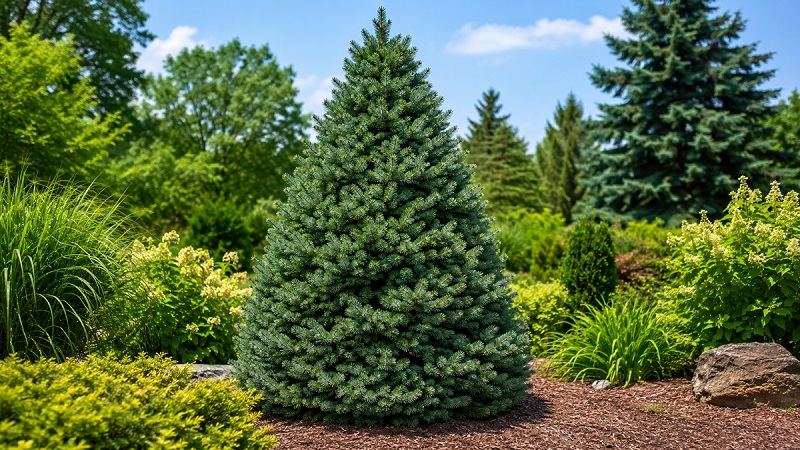
Growing & Caring for Black Hills Spruce (Picea glauca var. densata)
Learn how to grow and care for Black Hills Spruce (Picea glauca var. densata), including planting, sunlight, soil, watering, pruning, pests, winter care, and landscape uses.
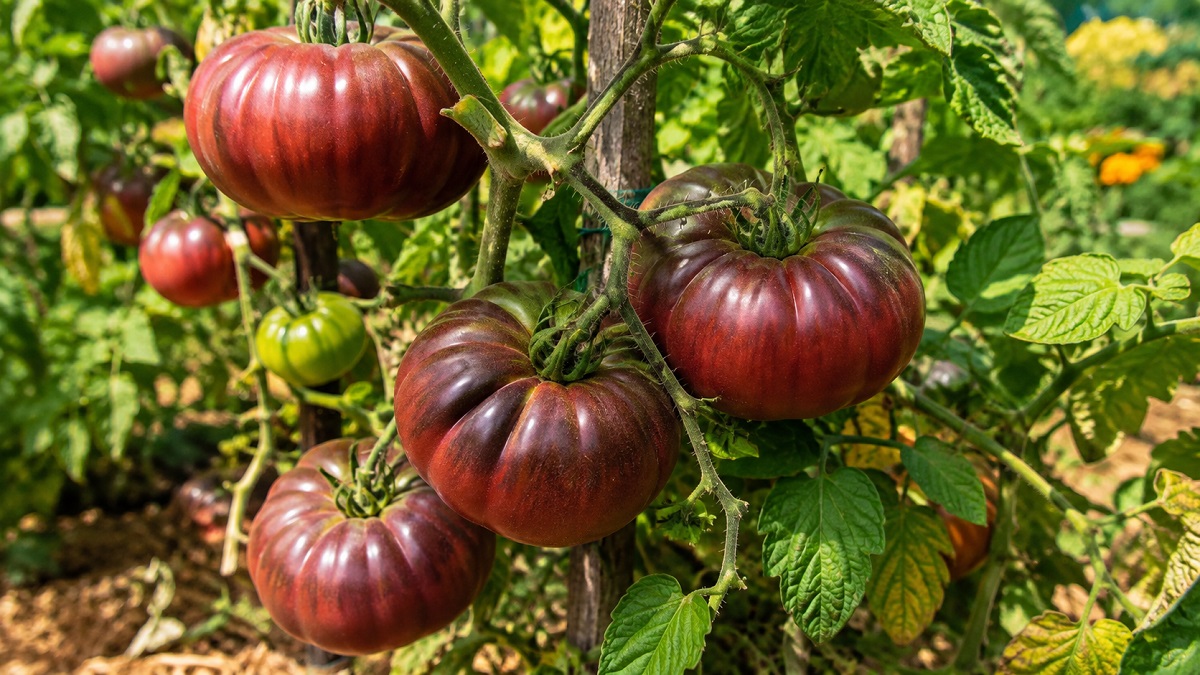
Black Krim tomato is one of those garden varieties that quickly becomes a favorite once you taste a properly ripened fruit. Instead of the bright red color associated with many common tomatoes, Black Krim produces large, slightly flattened fruits that mature to a dusky reddish-purple, brownish-black color, often with darker shoulders. The flavor is complex, juicy, and richly savory, with a balance of sweetness and acidity that makes it especially appealing for slicing and fresh eating.
Although Black Krim has a reputation for being a relatively easy heirloom tomato to grow, it performs best when given the conditions it prefers. Plenty of sunlight, fertile soil, steady moisture, good air circulation, and strong support all make a noticeable difference. Because the plants can become large and the fruits are fairly substantial, an unsupported plant can quickly become crowded and difficult to manage.
Black Krim is an indeterminate tomato, meaning the plant continues producing new stems, leaves, flowers, and fruit throughout the growing season rather than finishing all of its growth at once. With good care, a single plant can provide a long harvest window. The variety is particularly rewarding for gardeners who enjoy heirloom tomatoes and want something more flavorful and visually distinctive than standard supermarket varieties.
Best results come from full sun, fertile soil, consistent moisture, and sturdy support.
Black Krim is a well-known heirloom tomato associated with the Isle of Krim in the Black Sea region. It belongs to the species Solanum lycopersicum and is valued primarily for its large fruits, unusual coloring, and rich flavor. The fruits commonly have a flattened or slightly oblate shape and can develop dark shoulders as they ripen.
The name can sometimes make gardeners expect a truly black tomato, but the ripe fruit is generally more accurately described as dusky red, mahogany, purple-brown, or reddish-black. Color varies with growing conditions, sunlight, temperature, and the individual fruit. In strong sunlight, the shoulders can become particularly dark while the lower portion develops a deep reddish-brown color.
Black Krim is an indeterminate variety, so it keeps growing and producing new flower clusters while conditions remain favorable. This makes it different from compact determinate tomatoes that tend to produce a concentrated crop and then stop. Because of its continued growth, Black Krim needs enough space and reliable support.
The fruits are often large enough to make satisfying sandwich or burger slices, but their flavor also makes them excellent for salads, fresh tomato plates, bruschetta, and simple dishes where the tomato itself is the main ingredient. Many gardeners prefer to eat Black Krim fresh rather than cook every fruit because the variety's texture and flavor are among its biggest attractions.
Understanding the growth habit of Black Krim makes caring for it much easier. This is not a tiny patio tomato that can be ignored after planting. A healthy plant can become tall, broad, and heavily branched, particularly when it receives sufficient nutrition and sunlight.
| Characteristic | Black Krim |
|---|---|
| Type | Heirloom tomato |
| Species | Solanum lycopersicum |
| Growth habit | Indeterminate |
| Fruit color | Dusky red, purple-brown to dark reddish-brown |
| Fruit shape | Large, flattened to slightly oblate |
| Flavor | Rich, savory, juicy, sweet and complex |
| Growing season | Warm season |
| Sun | Full sun |
| Soil | Fertile, organic-rich, well drained |
| Support | Strong stake, cage, or trellis |
One useful characteristic of Black Krim is that the fruit can look slightly different from one tomato to another. Ribbing, shoulder coloration, size, and exact shape may vary. This is normal for an heirloom and is part of its appeal rather than a sign that something is necessarily wrong.
The most important decision you make is where to plant your Black Krim tomato. Tomatoes need plenty of sunlight to produce vigorous growth and abundant fruit, and Black Krim is no exception. Choose a location that receives at least six hours of direct sunlight each day, with eight hours or more being ideal when practical.
A site with morning and afternoon sunlight is particularly useful because it helps the foliage dry after dew or overnight moisture. Good air movement around the plant also reduces the amount of time leaves remain wet and helps create a healthier growing environment.
Avoid planting Black Krim where buildings, fences, or large trees block the sun for much of the day. Plants can survive with less light, but they are more likely to become stretched and produce fewer fruits.
Look for a planting area with direct sunlight for most of the day. Avoid low spots where water collects after heavy rain. A slightly raised or well-drained area is often preferable to heavy, poorly drained ground.
Black Krim is an indeterminate tomato and can become a large plant. Give each plant enough room for foliage to spread while maintaining airflow. Crowding several plants together can make pruning, harvesting, and disease management much harder.
Black Krim grows best in fertile, well-draining soil containing plenty of organic matter. The goal is not simply to create soil that is rich in nutrients; it should also hold enough moisture to prevent rapid drying while allowing excess water to drain away.
Before planting, loosen the soil and work in mature compost or other well-decomposed organic matter. Avoid adding large amounts of fresh manure because it can be too strong for young roots and may create an imbalance of nutrients.
A slightly acidic to neutral soil reaction is suitable, with a pH around 6.0 to 6.8 being a useful target for tomatoes. If you routinely grow vegetables in the same area, testing the soil before the season can help identify nutrient deficiencies or pH problems rather than relying on guesswork.
Good drainage is particularly important. Tomato roots need oxygen as well as water. Constantly saturated soil can damage roots and increase the risk of several root-related problems. If your garden soil is heavy clay, improve its structure with organic matter and consider using raised beds where drainage is difficult.
Growing Black Krim from seed is an economical way to produce several plants and gives you access to the variety even when local garden centers do not carry it. Tomato seeds are generally started indoors or in a protected location several weeks before outdoor planting conditions become favorable.
Use a clean seed-starting mix in small containers or seed trays. Sow the seeds shallowly according to the instructions supplied with the seed packet and keep the growing medium evenly moist rather than saturated.
Warmth encourages reliable tomato germination. Once seedlings emerge, place them in strong light. A bright sunny window can work, although seedlings grown indoors often benefit from supplemental grow lighting because weak light can cause them to become tall and thin.
When seedlings develop their first true leaves, begin providing adequate space and airflow. Before planting them outdoors, gradually expose them to outdoor conditions over several days. This hardening-off period helps young plants adapt to direct sunlight, wind, and changing temperatures.
Plant Black Krim outdoors only after the danger of damaging cold has passed and the soil has warmed. Tomatoes are warm-season plants and do not grow well when their roots remain in cold soil.
Dig a planting hole large enough to accommodate the root system. Tomato seedlings can be planted somewhat deeper than many other vegetable seedlings because the buried portion of the stem can develop additional roots. Remove lower leaves that would otherwise be buried, while keeping the upper portion of the plant above the soil.
Water thoroughly after planting so that the root zone is evenly moist. Apply a layer of organic mulch around the plant once the soil has warmed. Keep mulch slightly away from direct contact with the stem to reduce excessive moisture around the crown.
Spacing matters because Black Krim plants can become vigorous. Depending on your support system and pruning method, allow about 60–90 cm between plants, or more when space allows, especially in humid climates or when plants are allowed to develop multiple stems.. Wider spacing can be helpful in humid climates where airflow is a major concern.
Black Krim needs plenty of direct sunlight for strong growth and good fruit production. Aim for at least six hours of direct sunlight per day, with more being beneficial when temperatures and local conditions allow.
Insufficient light often produces weak, elongated growth. A plant may still develop flowers, but fruit production can be disappointing if the plant does not receive enough energy from sunlight.
At the same time, extremely hot conditions can affect fruit set. During periods of intense heat, flowers may fail to pollinate normally even when the plant is otherwise healthy. This is one reason consistent care and good timing are important when growing heirloom tomatoes.
Consistent watering is one of the most important parts of caring for Black Krim. The objective is to keep the root zone evenly moist without leaving it constantly saturated.
Water deeply enough to moisten the main root zone rather than giving the plant frequent, shallow sprinkles. During hot or dry weather, tomatoes may require more frequent irrigation. Container-grown plants generally dry out faster than plants growing in the ground.
Water at the base of the plant whenever possible. Keeping foliage dry reduces prolonged leaf wetness and can help lower the risk of foliar diseases. Early morning is often a convenient time to water because excess moisture has time to evaporate during the day.
Mulching around the plant can greatly improve moisture consistency. Organic mulch such as straw, shredded leaves, or composted material helps slow evaporation, reduces soil temperature swings, and limits splashing of soil onto lower leaves.
Avoid repeatedly allowing the plant to become extremely dry and then soaking it heavily. Rapid changes in soil moisture can stress the plant and may contribute to fruit cracking and other problems.
Black Krim is a productive, vigorous tomato and benefits from fertile soil. However, more fertilizer does not automatically mean more tomatoes. Excessive nitrogen can encourage lush leaves and stems while reducing the balance between vegetative growth and fruit production.
Start with soil that has been improved with mature compost. Once plants are established, use a fertilizer intended for vegetables or tomatoes according to the product instructions. A fertilizer with excessive nitrogen is usually less desirable once the plant has begun flowering heavily.
During the growing season, observe the plant rather than applying fertilizer automatically every few days. Pale foliage, weak growth, poor fruit production, or unusually dark and vigorous leafy growth can all provide clues that your feeding program needs adjustment.
Always water according to the needs of the plant and soil rather than assuming fertilizer can compensate for poor watering. Healthy tomatoes depend on the combination of nutrition, moisture, light, temperature, and root health.
Because Black Krim is indeterminate and produces large fruits, strong support is essential. The weight of the plant and fruit can cause unsupported stems to bend or break, especially after rain or strong winds.
A sturdy tomato cage is one of the easiest options for home gardeners. Choose a cage that is strong enough to support a vigorous indeterminate plant rather than a small cage designed for compact varieties.
Staking is another effective method. Use a strong stake installed at planting time so that you do not accidentally damage the root system later. Tie stems loosely with soft material as the plant grows.
Trellising can be particularly useful in raised beds or intensively planted vegetable gardens. Training the main stems upward keeps fruit off the ground, improves access for harvesting, and can make it easier to inspect the plant.
Supporting the plant keeps foliage and fruit above the soil, reduces sprawling, improves accessibility, and lowers the chance of stems breaking under the weight of large fruit clusters.
Pruning is not strictly required for a tomato plant to produce fruit, but selective pruning can make an indeterminate variety easier to manage. The goal should be to improve access and airflow rather than removing large amounts of healthy foliage.
Remove yellowing or damaged leaves when necessary. Lower leaves that touch the soil can also be removed to keep the area around the plant cleaner. If you train the plant to one or two main stems, selectively remove unwanted suckers according to your preferred training system.
Do not strip the plant of most of its leaves. Tomato foliage is responsible for photosynthesis, and healthy leaves help the plant produce the energy needed for fruit development. Excessive pruning can expose fruit to intense sunlight and reduce the plant's ability to support a heavy crop.
Use clean hands or clean pruning tools when working with plants, particularly if you are moving between plants. Regularly inspect the stems and foliage while pruning so that pest or disease problems can be spotted early.
Tomato flowers are generally self-pollinating, but they still benefit from movement that helps pollen reach the appropriate parts of the flower. In a garden with healthy insect activity and normal weather, pollination usually occurs without much intervention.
Very high temperatures, excessive humidity, poor airflow, or other environmental stresses can interfere with fruit set. If flowers are appearing but very few fruits are developing, examine the growing conditions before assuming the plant needs more fertilizer.
In protected growing spaces such as greenhouses, gently shaking the flower clusters or using suitable pollination techniques can help release pollen. Outdoor plants usually receive enough movement from wind and insects.
One of the most enjoyable parts of growing Black Krim is learning when the fruit is truly ripe. The color can be unusual enough that a ripe tomato may not look like the standard red tomatoes gardeners are accustomed to.
As the fruit matures, its color changes from green toward a deeper dusky red, purple-brown, or mahogany tone. The fruit should also develop a slight softness when gently touched. A tomato that is completely firm may need more time.
Harvest carefully because ripe heirloom tomatoes can be relatively soft and may bruise easily. Use clean hands or pruning shears to remove the fruit without damaging the plant.
If heavy rain is approaching and mature fruit is at risk of splitting, gardeners sometimes harvest fruit when it has begun to show its mature color and allow it to finish ripening indoors. The exact timing depends on local weather and personal preference.
Freshly harvested Black Krim tomatoes are best enjoyed at room temperature when fully ripe. Refrigeration can affect the texture and flavor of ripe tomatoes, so avoid chilling them unless longer storage is more important than peak eating quality.
Use Black Krim in salads, sandwiches, wraps, burgers, bruschetta, tomato plates, and fresh sauces. Its rich flavor makes it particularly good in simple recipes where the tomato remains the main ingredient.
Large slices pair well with fresh herbs, olive oil, mild cheeses, and other garden vegetables. When you have more fruit than you can eat fresh, ripe tomatoes can also be used in cooked sauces, soups, and other tomato-based dishes.
Most tomato problems are easier to manage when detected early. Walk through the garden regularly and inspect leaves, stems, flowers, and developing fruit. Changes in leaf color, wilting, spotting, cracking, or unusual growth can provide an early warning.
| Problem | Possible Cause | What to Check |
|---|---|---|
| Leaves yellowing | Natural aging, watering issues, nutrient imbalance | Root-zone moisture and overall plant health |
| Fruit cracking | Rapid changes in moisture | Water consistency and irrigation habits |
| Flowers dropping | Heat, stress, poor pollination | Temperature, moisture, and airflow |
| Dark spots on leaves | Possible fungal or bacterial disease | Leaf pattern, spread, humidity, and plant debris |
| Wilting | Heat, drought, root problems, disease | Soil moisture and stem/root condition |
| Small fruit | Stress, insufficient light, nutrition issues | Sunlight, feeding, and general vigor |
Avoid diagnosing a problem from one symptom alone. For example, yellow leaves can result from normal aging as well as watering, root, or nutrient problems. Look at the entire plant and the conditions around it before taking corrective action.
Black Krim tomatoes can attract many of the same pests that affect other garden tomatoes. Aphids, whiteflies, caterpillars, tomato hornworms, and various beetles may feed on leaves, stems, or fruit.
Inspect the undersides of leaves because some small insects are easy to miss from above. Also check new growth and developing flower clusters. Removing large caterpillars by hand can be effective when infestations are small.
Encourage beneficial insects by maintaining a diverse garden with flowering plants and avoiding unnecessary broad-spectrum pesticide use. Strong plants can tolerate some minor insect activity without requiring immediate treatment.
If a pest population becomes large enough to cause significant damage, identify the pest before choosing a treatment. Correct identification helps ensure that beneficial insects are not unnecessarily harmed and that the selected control method is appropriate.
Tomatoes can be affected by several fungal, bacterial, and viral diseases. Problems are more likely to develop when foliage remains wet for long periods, plants are overcrowded, or infected plant material is left around the garden.
Good sanitation and airflow are among the most useful preventative practices. Space plants appropriately, remove severely damaged leaves, avoid unnecessary overhead watering, and clean up fallen diseased plant material.
Crop rotation can also be useful. If possible, avoid growing tomatoes or closely related crops in exactly the same location every year. Rotating planting areas can reduce the buildup of some soil-associated problems.
When disease is suspected, remove affected material carefully and avoid spreading contaminated plant tissue to healthy plants. Severe or rapidly spreading symptoms may require advice from a local extension service or experienced horticultural professional because disease identification often depends on the exact appearance and local conditions.
Black Krim can be grown in a large container, but its indeterminate growth habit means container gardening requires more attention than growing a compact patio tomato. Choose a large, sturdy container with drainage holes and enough volume to support a vigorous root system.
Use a high-quality container growing medium rather than heavy garden soil. Garden soil can compact inside a pot and interfere with drainage. A suitable container mix should provide good drainage while retaining enough moisture for consistent growth.
Place the container where the plant receives plenty of sunlight. Add the support structure early because an indeterminate tomato can quickly become top-heavy. Container plants may need more frequent watering during hot weather because pots lose moisture faster than garden beds.
Monitor fertilizer carefully. Nutrients can leach from containers with repeated watering, but excessive feeding can also create problems. Follow the directions on your chosen fertilizer and watch the plant's growth rather than continually increasing the amount.
Start seeds early enough for transplanting after the weather becomes consistently warm. Harden seedlings gradually before moving them into the garden. Prepare the soil and install support structures before the plant becomes large.
Once plants are established, focus on consistent watering, feeding, support, and monitoring. Tie growing stems to their support as needed and remove damaged foliage. Watch developing fruit carefully, particularly during periods of rapid weather changes.
As the first fruits begin to ripen, inspect plants frequently. Harvest ripe tomatoes promptly so that fruit does not become overripe or attract pests. Continue watering consistently even while harvesting heavily.
When temperatures become unsuitable for tomato production, remove spent plants and clean the growing area. Do not leave diseased plant material in the bed. Healthy plant debris can be handled according to your preferred composting practices, while severely diseased material is better disposed of according to local guidance.
Tomatoes are sun-loving plants. A shaded location can lead to weak growth and poor production. Choose the sunniest practical area of the garden.
Black Krim can become heavy with fruit. A small or flimsy cage may collapse under the weight. Install strong support before the plant becomes large.
Allowing the soil to become extremely dry and then soaking it heavily can stress the plant and contribute to fruit cracking. Aim for consistent moisture.
Too much nitrogen can encourage excessive leafy growth. Build fertility through good soil preparation and use a balanced tomato or vegetable fertilizer according to its instructions.
Overcrowding reduces airflow and makes it harder to inspect and harvest plants. Give Black Krim enough space for its vigorous growth.
Removing too many leaves can reduce the plant's photosynthetic capacity and expose developing fruit to excessive sunlight. Prune selectively rather than stripping the plant.
Black Krim's unusual color can make it difficult to judge ripeness at first. Learn the mature color and feel of the fruit instead of relying only on whether it has turned red.
Black Krim is a rewarding tomato for gardeners who value flavor as much as appearance. Its large, dark-colored fruits make it visually distinctive, while its rich and savory flavor makes the harvest especially worthwhile. The variety does not require complicated treatment, but it does respond well to consistent care.
Start with healthy plants, choose a sunny location, prepare fertile soil, and provide strong support from the beginning. Keep moisture reasonably consistent, especially while fruit is developing, and avoid excessive nitrogen fertilizer. Regularly inspect the foliage for insects and disease symptoms, and maintain enough spacing for good airflow.
The most important lesson with Black Krim is to observe the plant rather than follow a rigid schedule. Weather, soil, rainfall, container size, and local growing conditions all influence how frequently the plant needs water, feeding, and maintenance. A gardener who checks the plant regularly can usually make small adjustments before minor problems become major ones.
With sufficient sunlight, healthy soil, steady moisture, and dependable support, Black Krim can produce a generous crop of beautiful heirloom tomatoes over an extended season. Once the first fully ripe fruit is sliced open and enjoyed fresh from the garden, it is easy to understand why this variety remains popular with home gardeners.
Continue exploring our gardening guides with more plant profiles, growing tips, and practical advice for creating a healthy, productive garden.