Growing & Caring for Black Bamboo (Phyllostachys nigra)
Learn how to grow and care for Black Bamboo (Phyllostachys nigra). Discover sunlight, watering, soil, planting, pruning, feeding, propagation, winter care, and common problems.
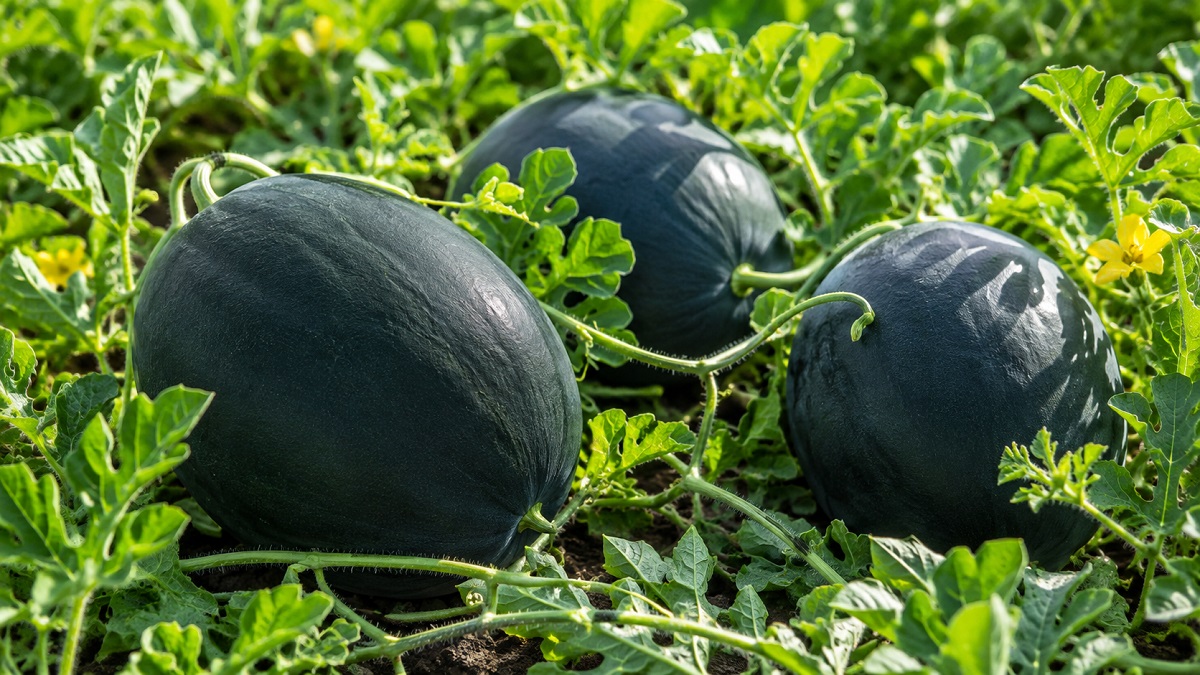
Black Diamond watermelon is one of those old-fashioned garden varieties that can make a summer vegetable patch feel truly special. Known for its large, dark-green to nearly black rind and juicy red flesh, this watermelon is valued by home gardeners who have enough space to let vigorous vines spread. The fruits can become very large when plants receive plenty of sunlight, moisture, warmth, and fertile soil.
Growing Black Diamond watermelons successfully is not particularly difficult, but it does require planning. Unlike compact crops that can be tucked into a small garden bed, a watermelon vine needs room to run. The plants also need a long, warm growing season, good drainage, consistent watering, and careful attention during fruit development. Starting seeds at the right time is especially important because cold soil and cool weather can slow growth dramatically.
This guide explains how to grow and care for Black Diamond watermelons from planting through harvest. You will learn about sunlight, soil preparation, sowing seeds, transplanting, watering, feeding, vine management, pollination, common problems, and the signs that tell you a watermelon is ready to pick.
Black Diamond watermelon is a traditional large-fruited watermelon cultivar of Citrullus lanatus, a warm-season member of the cucurbit family known for its dark rind and substantial size. The plants produce long, spreading vines with broad leaves that help protect developing fruit from intense sunlight. When conditions are favorable, a single plant can occupy a surprisingly large area of the garden.
The variety is particularly appealing to gardeners who enjoy growing full-sized watermelons rather than small personal-size types. Its large fruits also make it a memorable choice for family gardens, summer gatherings, and backyard harvests.
One important thing to understand before planting is that the size of the fruit depends heavily on growing conditions. A plant that receives insufficient sunlight, irregular irrigation, poor nutrition, or too little root space may produce smaller fruits. This does not necessarily mean something is wrong with the variety. Watermelon plants simply need a long period of strong growth to produce their best harvest.
For the best results, give Black Diamond watermelon heat, sunlight, space, fertile soil, and consistent moisture.
Black Diamond watermelon is a warm-season crop. Seeds germinate best when the soil is genuinely warm, and young plants can struggle if they are exposed to prolonged cool weather. For this reason, planting too early is one of the most common mistakes made by gardeners growing watermelons from seed.
Choose the warmest location available in your garden. A south-facing or otherwise unobstructed area is usually ideal because watermelon plants benefit from long periods of direct sunlight. Avoid locations shaded by buildings, large trees, or tall crops.
Watermelon plants grow rapidly when their leaves receive abundant sunlight and the soil remains warm. A sunny location also helps foliage dry more quickly after irrigation or rainfall.
Plan the planting area before sowing. The vines can spread well beyond the original planting hole, so leaving open ground around the plants makes routine care much easier.
Good soil preparation gives watermelon plants a strong start. The ideal soil is loose, fertile, rich in organic matter, and able to drain excess water quickly. Watermelon roots need moisture, but they should not remain in saturated soil.
Before planting, loosen the soil deeply and remove large stones, weeds, and compacted areas. Incorporating mature compost or well-decomposed organic matter can improve soil structure and provide a steady supply of nutrients.
If your soil is heavy clay, improving drainage is particularly important. Raised beds or gently elevated planting mounds can help prevent water from collecting around the root zone after heavy rain.
Watermelons generally perform well in slightly acidic to neutral soil. If you regularly grow vegetables in the same garden, a soil test can be useful before planting. Testing allows you to correct major nutrient or pH problems instead of adding fertilizers blindly.
Avoid excessive fertilizer applications simply because you want larger fruit. Too much nitrogen can encourage lush leaf and vine growth while delaying or reducing fruit production. Healthy soil should support balanced vegetative growth and fruit development.
Black Diamond watermelon can be started directly from seed in the garden once the soil has warmed sufficiently. Direct sowing is often the simplest approach because watermelon plants develop quickly once temperatures become favorable.
Sow seeds in a sunny, prepared planting area. Plant several seeds together initially and thin the seedlings after they emerge if necessary. This gives you a better chance of obtaining healthy plants while avoiding gaps caused by poor germination.
Gardeners with shorter growing seasons may start watermelon seeds indoors several weeks before the outdoor planting period. Use individual containers where possible because watermelon roots dislike unnecessary disturbance.
Harden young plants gradually before moving them outdoors. Expose them to outdoor conditions over several days, beginning with a sheltered location and increasing their exposure to sunlight and wind. Transplant only after the danger of cold weather has passed and the soil is warm.
Direct sowing works particularly well in warm climates. Make shallow planting holes, place the seeds in the prepared soil, and cover them lightly. Keep the soil evenly moist during germination without making the planting area soggy.
Once seedlings appear, select the strongest plants. Crowded seedlings compete for sunlight, water, nutrients, and root space, so thinning is an important part of early watermelon care.
Space is one of the most important considerations when growing Black Diamond watermelons. The vines can travel several feet from the original planting location, and leaves may overlap surrounding plants as the season progresses.
Rather than fighting the natural growth habit, plan for it. Allow vines to spread over bare soil, mulch, or a dedicated section of the garden. If you have a small garden, directing vines around pathways or toward unused edges can make the crop easier to manage.
Avoid repeatedly moving mature vines. Young vines can be redirected gently, but once fruit begins developing, excessive handling can damage stems or disturb developing roots.
Large-fruited watermelons are generally better suited to ground growing than ordinary vertical trellising. A strong trellis can be used in some situations, but very large fruits require substantial support. For most home gardeners, allowing the vines to run along the ground is the simpler and safer option.
Consistent watering is essential throughout the growing season. Watermelon plants need sufficient moisture for vigorous vine growth and fruit development, but constantly wet soil can create root and disease problems.
Water deeply enough to moisten the root zone rather than applying a small amount of water frequently to the surface. During hot, dry weather, plants may need more frequent irrigation than they do during cooler or rainy periods.
A layer of organic mulch can help conserve soil moisture and reduce rapid fluctuations in soil temperature. Keep mulch from being piled directly against the crown of the plant.
Pay particular attention to irrigation when fruits are enlarging. Large fluctuations between very dry soil and heavy watering can stress plants and may contribute to fruit quality problems. The goal is steady, even moisture rather than constantly saturated ground.
Drip irrigation or a soaker hose is useful because it delivers water near the soil surface without repeatedly wetting the foliage. If using a hose or watering can, water at the base of the plant and avoid unnecessary splashing on the leaves.
Fertile soil and mature compost can provide much of the nutrition needed by watermelon plants. If additional fertilizer is required, choose a product appropriate for fruiting vegetable crops and follow the application rate on the label.
Early in the season, plants need nutrients that support healthy roots, leaves, and vines. As flowering and fruit production increase, balanced nutrition becomes more important than simply encouraging additional leaf growth.
Excessive nitrogen is worth avoiding. A plant covered in huge leaves but producing few flowers or fruits may be receiving too much nitrogen or may be experiencing another problem such as insufficient sunlight or pollination.
| Growth Stage | Main Priority | Care Focus |
|---|---|---|
| Seedling | Root and leaf development | Warm soil, moisture, sunlight |
| Vine growth | Strong foliage and stems | Water, balanced nutrition, space |
| Flowering | Successful pollination | Sunlight, healthy plants, pollinators |
| Fruit development | Fruit enlargement and quality | Consistent moisture and nutrition |
| Ripening | Flavor and maturity | Monitor fruit and reduce unnecessary stress |
Watermelon plants produce separate male and female flowers. Bees and other pollinating insects commonly transfer pollen between flowers. Good pollination is necessary for a female flower to develop into a properly formed watermelon.
If the plant produces plenty of flowers but very few fruits, look at the garden environment before assuming the variety is the problem. Poor weather, a lack of pollinating insects, excessive pesticide use, or stressed plants can interfere with pollination.
Planting flowering herbs and other pollinator-friendly plants nearby can help create a more welcoming garden environment. Avoid spraying broad-spectrum insecticides when pollinators are actively visiting flowers.
Hand pollination can be useful when natural pollinator activity is low. A small soft brush can be used to transfer pollen from a male flower to the center of a female flower. This is best done when flowers are freshly open and conditions are dry.
Once fruits begin to form, the garden changes from a leafy patch into a collection of rapidly growing vines and developing melons. At this stage, avoid unnecessary disturbance and concentrate on maintaining consistent growing conditions.
Keep the soil evenly moist and continue monitoring the plants for insects and signs of disease. Large leaves naturally shade portions of the developing fruit, which can help protect the rind from intense sunlight.
Some gardeners place a clean piece of cardboard, straw, or another suitable barrier under developing fruits. This can help reduce direct contact with wet soil. Whatever material you use should allow reasonable airflow and should not trap excessive moisture around the fruit.
Avoid turning or repeatedly lifting large watermelons. Once a fruit becomes heavy, unnecessary movement can break stems or damage the connection between the fruit and vine.
Healthy watermelon plants can tolerate a certain amount of insect activity, but regular inspection makes it easier to catch serious problems early. Check the undersides of leaves, tender stems, flowers, and developing fruit.
Aphids are small sap-feeding insects that may cluster on young growth or leaf undersides. Light infestations can sometimes be controlled by a strong spray of water. Encourage beneficial insects such as lady beetles and lacewings, which naturally prey on aphids.
Cucumber beetles may feed on watermelon foliage and flowers. Young plants are especially vulnerable because substantial leaf damage can slow their development. Inspect plants regularly and use appropriate physical or biological control methods when needed.
Other insects may occasionally appear on cucurbit crops. Removing heavily infested plant material and maintaining good garden hygiene can help. Monitor the plants rather than treating every insect automatically, since many insects are harmless or beneficial.
Slugs, rodents, and other garden visitors may damage ripe or developing fruit. Keeping the growing area tidy and reducing hiding places around the plants can help limit some forms of damage.
Many watermelon diseases become more likely when foliage stays wet for long periods, plants are crowded, or air circulation is poor. Good cultural practices are therefore an important first line of defense.
Water near the base of the plant when possible. Avoid working among wet vines because handling wet foliage can spread pathogens from one plant to another. Remove severely diseased plant material and dispose of it appropriately rather than leaving it in the garden.
Powdery mildew appears as a white, powder-like coating on leaves. Good air movement, adequate spacing, sunlight, and proper watering practices can reduce favorable conditions for the disease.
Waterlogged soil can contribute to root problems. This is another reason well-draining soil is so important. If an area regularly remains saturated after rain, consider improving drainage before growing watermelons there again.
Knowing when to harvest is one of the most important skills in watermelon growing. Unlike some fruits, a watermelon does not continue ripening in the same way after it is removed from the vine, so picking at the right stage matters.
Gardeners commonly look at several signs together rather than relying on fruit size alone. The tendril closest to the fruit may dry and turn brown as the watermelon approaches maturity. The area where the fruit rests on the ground, often called the ground spot, may also change from pale green or white toward a more creamy or yellowish color.
The rind may lose some of its glossy appearance as the fruit matures. The exact visual changes can vary, so consider several indicators at the same time.
Use a clean, sharp knife or pruning tool to cut the stem rather than pulling or twisting the fruit from the vine. Leave a short portion of stem attached if practical.
Handle large watermelons carefully because their weight can make them awkward to lift. Avoid dropping or striking the fruit, as bruising may shorten storage life.
Watch the tendril nearest the fruit. A drying or browning tendril can be one useful indication that the watermelon is approaching maturity.
Check the part of the melon resting against the soil. A mature fruit often develops a more creamy or yellowish ground spot.
Freshly harvested watermelons are best enjoyed while they are still in good condition. Store undamaged whole fruit in a cool, dry location away from direct sunlight if you plan to eat it soon.
Once cut, watermelon should be refrigerated in a clean, covered container. Keep cut pieces cold and use them promptly for the best texture and flavor.
Before cutting a watermelon, wash the exterior and dry it with a clean towel. This reduces the chance of transferring dirt or microorganisms from the rind to the edible flesh during cutting.
Even experienced gardeners can run into problems with watermelons. Most difficulties come from a small number of recurring issues.
| Problem | Possible Cause | What to Improve |
|---|---|---|
| Poor germination | Cold soil or unsuitable conditions | Wait for warmer soil and maintain consistent moisture |
| Lots of leaves, few fruits | Excess nitrogen, poor pollination, or insufficient sun | Improve sunlight, nutrition, and pollinator activity |
| Small fruit | Limited growing time, water stress, or poor nutrition | Maintain steady moisture and healthy soil |
| Yellowing leaves | Water stress, nutrient issues, or root problems | Check soil moisture, drainage, and plant health |
| Fruit rotting on soil | Constantly wet contact with soil | Improve drainage and use a clean barrier beneath fruit |
| Wilting during hot weather | Heat and insufficient available moisture | Water deeply and monitor soil moisture |
One of the easiest mistakes to avoid is planting before conditions are warm enough. Watermelon is not a crop that rewards rushing the season. Waiting for warm soil usually gives seedlings a better start than placing them into cold ground.
Crowding watermelon plants may seem like an efficient way to use a small garden, but dense vines can compete for sunlight and airflow. Plan for the mature spread rather than the small size of the seedlings at planting time.
Allowing plants to become severely dry and then flooding the soil is stressful. A more consistent irrigation routine is better for steady growth and fruit development.
More fertilizer does not necessarily mean larger watermelons. Excessive feeding can encourage vigorous vines without producing the desired fruiting response. Base applications on soil conditions and the fertilizer label rather than guessing.
A regular routine makes growing Black Diamond watermelon much easier. During the early season, concentrate on warm soil, strong sunlight, weed control, and steady moisture. Once the vines begin running, give them room and avoid unnecessary disturbance.
When flowering begins, watch for pollinator activity and inspect plants for pests. During fruit development, concentrate on irrigation, nutrition, and disease prevention. As harvest approaches, begin checking the fruits regularly for maturity signs.
| Season Stage | What to Do |
|---|---|
| Before planting | Choose a sunny site, prepare fertile soil, and confirm adequate space. |
| Germination | Keep soil warm and evenly moist while seedlings establish. |
| Early vine growth | Control weeds, maintain moisture, and allow vines to spread. |
| Flowering | Encourage pollinators and inspect flowers and foliage regularly. |
| Fruit development | Maintain steady irrigation and protect developing fruit from wet soil. |
| Ripening | Monitor maturity indicators and prepare for harvesting. |
Growing Black Diamond watermelons is a rewarding project for gardeners who have enough space and a warm growing season. The plants are vigorous, the vines are expansive, and the fruits can become impressive in size when the plants receive the conditions they need.
The most important part of successful care is consistency. Give the plants plenty of sunlight, prepare fertile and well-draining soil, plant at the right time, provide regular moisture, and leave enough room for the vines to develop. During flowering, encourage pollinators, and once fruits begin growing, avoid unnecessary disturbance.
With patience and regular observation, a single planting can provide a memorable summer harvest. Black Diamond watermelon is especially well suited to gardeners who enjoy growing traditional, large-fruited crops and watching a garden transform from a few seedlings into vigorous vines carrying heavy, sweet fruit.
Continue exploring our gardening guides with more plant profiles, growing tips, and practical advice for creating a healthy, productive garden.