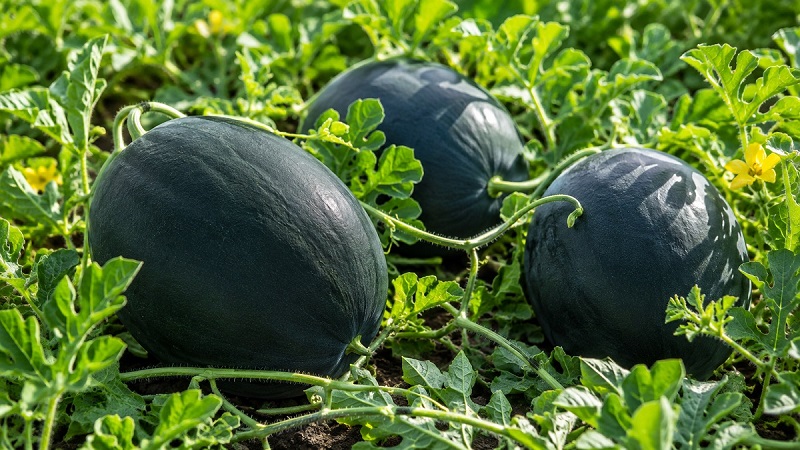
Growing & Caring for Black Diamond Watermelon
Learn how to grow and care for Black Diamond watermelon. Discover planting, sunlight, soil, watering, feeding, pollination, pests, harvesting, and storage tips.
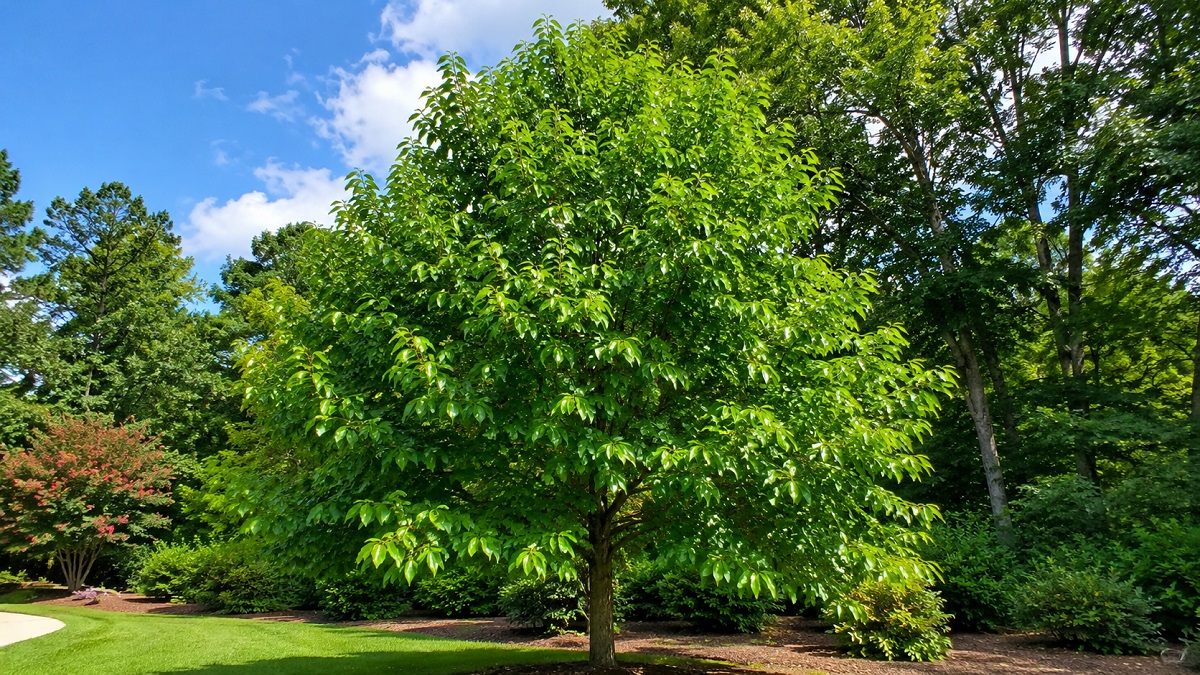
Black Gum Tree (Nyssa sylvatica), also commonly called Black Tupelo, is a beautiful deciduous tree known for its glossy green leaves, smooth gray bark, strong branching structure, and spectacular fall color. In autumn, the leaves can turn shades of yellow, orange, scarlet, purple, and deep red, often making the tree one of the most noticeable plants in the landscape.
Although Black Gum is sometimes considered a slow-growing tree, it can be an excellent long-term choice for a home garden. It develops a naturally attractive shape without needing heavy pruning, and mature trees can provide valuable food and shelter for birds and other wildlife. The small flowers are not especially showy, but they are useful to pollinators, while the dark fruits that follow are attractive to birds.
The best results come from planting Black Gum in the right location. It prefers acidic, well-drained soil and performs particularly well where the soil stays evenly moist. Young trees need regular watering while they establish their root systems, but established trees are considerably more tolerant of normal garden conditions.
Black Gum is a long-lived landscape tree that rewards patience with excellent form, wildlife value, and outstanding fall color.
Black Gum is a North American native tree belonging to the genus Nyssa. The species name is Nyssa sylvatica. It is sometimes called Black Tupelo, although the common name can vary by region.
One of its most desirable characteristics is its fall foliage. While many trees provide only one or two noticeable autumn colors, Black Gum can produce a mixture of brilliant shades on the same tree. The foliage may begin with green and gradually develop yellow, orange, red, scarlet, or purplish tones as temperatures cool.
The tree also has attractive bark and a naturally elegant shape. Young trees often have a narrow or somewhat pyramidal form. As they mature, the crown can become broader and more rounded.
Black Gum is not usually the best choice when you need a tree that grows extremely quickly. Instead, it is a tree for gardeners who want dependable long-term beauty. Once established, it can become an important part of a landscape for many years.
Black Gum offers several qualities that make it useful in residential landscapes. Its brilliant fall color is probably its biggest attraction, but the tree has more to offer than autumn foliage.
Black Gum is best thought of as a long-term landscape investment. It may take time to reach its mature size, but its strong structure and seasonal interest make the wait worthwhile.
Selecting the right location is one of the most important parts of growing Black Gum successfully. A young tree may look small at the garden center, but it needs plenty of space as it develops.
Look for an open area where the tree can receive several hours of direct sunlight. Full sun is generally best for strong growth and good fall color. Partial shade can also work, particularly in warmer climates, although too much shade may reduce vigor and autumn color.
Consider drainage carefully. Black Gum appreciates moisture, but that does not mean its roots should remain permanently submerged. A site that holds some moisture while still allowing excess water to drain away is generally preferable.
Before planting, look upward as well as outward. Check for overhead power lines, nearby structures, driveways, fences, and other trees. Giving the tree enough room from the beginning prevents difficult pruning and crowding problems later.
Black Gum grows well in moist, acidic soil. It is especially useful in landscapes where the soil naturally has an acidic reaction and stays reasonably moist during the growing season.
Good drainage is still important. Heavy, compacted soil can make it difficult for roots to receive enough oxygen. If the soil is extremely compacted, improve the planting area before installing the tree rather than trying to correct serious soil problems after planting.
Adding a thick layer of organic matter throughout a small planting hole is not always necessary. Instead, focus on planting at the correct depth and maintaining a healthy layer of mulch over the root zone.
If you are unsure about your soil pH, a soil test can provide useful information. Avoid adding lime simply because it is commonly used in gardens; Black Gum generally prefers acidic conditions.
Planting is easiest when the soil is workable and the weather is not extremely hot or dry. Container-grown trees can often be planted during suitable periods throughout the growing season, but giving the tree comfortable conditions during establishment makes the job easier.
Remove grass and weeds from the planting area. Dig a broad planting hole rather than an extremely deep one. The hole should be wide enough to accommodate the roots without forcing them to circle tightly.
Carefully remove the tree from its container and examine the roots. If the roots are tightly circling the outside of the root ball, gently loosen the outer roots before planting.
Set the tree so that the root flare is at or slightly above the surrounding soil level. Avoid burying the trunk. Planting too deeply can create long-term problems with trunk health and root development.
Use the soil removed from the planting hole unless there is a specific reason to replace it. Firm the soil gently around the root ball to remove large air pockets, but do not compact it heavily.
Give the newly planted tree a deep watering immediately after planting. This settles the soil around the roots and helps remove large air pockets.
Spread a layer of organic mulch over the root zone. Keep mulch away from direct contact with the trunk. A mulch ring can help conserve moisture and reduce competition from grass.
Watering is particularly important during the first few growing seasons. A newly planted tree has a limited root system and cannot immediately draw moisture from a large area of soil.
Instead of giving a newly planted tree frequent, shallow watering, aim for thorough watering that moistens the root zone. The exact frequency depends on temperature, rainfall, soil type, tree size, and drainage.
Check the soil before watering. If the upper part of the root zone has begun to dry, water deeply. During periods of heavy rain, reduce or stop supplemental irrigation.
Established Black Gum trees generally require less supplemental watering. However, prolonged drought can still stress a mature tree. Water during extended dry periods, especially when the tree is growing in sandy or fast-draining soil.
Full sun is usually the best exposure for Black Gum. Several hours of direct sunlight each day encourage healthy growth and help produce the intense fall colors for which this tree is known.
Black Gum can also tolerate partial shade. In a woodland-style garden, some afternoon shade can be helpful in very hot climates. However, heavily shaded locations may result in slower growth and less impressive autumn foliage.
When choosing a location, remember that nearby trees may eventually create more shade than they do when you first plant your Black Gum. Consider the mature size of surrounding plants rather than judging sunlight only from the current landscape.
Black Gum usually does not need heavy fertilization when planted in reasonably fertile soil. Excess fertilizer can encourage soft, overly vigorous growth without solving underlying problems such as poor drainage, drought, or compacted soil.
If a soil test shows a nutrient deficiency, use a fertilizer appropriate for the soil and follow the product directions. Avoid automatically applying fertilizer every season simply because the tree is growing slowly.
Young trees generally benefit more from consistent watering, proper mulching, and good planting practices than from aggressive feeding.
Mulching is one of the simplest ways to make Black Gum care easier. Organic mulch helps slow moisture loss from the soil, moderates soil temperature, and reduces competition from lawn grass and weeds.
Apply mulch over the root zone in a broad ring. Keep it a few inches away from the trunk. Avoid creating a tall mound of mulch directly around the base of the tree.
Wood chips, shredded bark, and other suitable organic mulches can work well. As the mulch breaks down, replenish it as necessary rather than allowing the layer to become extremely thick.
Black Gum naturally develops an attractive structure, so heavy pruning is rarely necessary. The main goal is to establish a strong framework while the tree is young and remove damaged or poorly positioned branches.
Begin by removing dead, broken, or diseased branches. Branches that rub against one another can also be removed. If two major stems compete for the same space, selective pruning may help create a better structure.
Avoid removing large amounts of healthy growth at once. Severe pruning can stress a tree and may encourage unwanted shoots.
Always use clean, sharp pruning tools. Make proper cuts just outside the branch collar rather than leaving large stubs or cutting unnecessarily into the trunk.
Black Gum can be propagated from seed, although growing a large landscape tree from seed requires patience. Seeds can have dormancy requirements, so successful germination may require appropriate preparation and suitable conditions.
For most home gardeners, purchasing a healthy nursery-grown tree is much easier than starting one from seed. A nursery tree also gives you a known plant size and allows you to begin enjoying the landscape benefits sooner.
If you decide to grow Black Gum from seed, use fresh, properly handled seed and be prepared for a longer process. Young seedlings need protection from drying out, competition from weeds, and damage from animals.
Like other landscape trees, Black Gum can experience pest and disease problems. Healthy trees growing in appropriate conditions are generally better able to tolerate occasional problems.
Various insects may feed on leaves, twigs, or other parts of the tree. In many cases, a small amount of feeding does not justify treatment. Regularly inspect the foliage, especially during periods of active growth.
Look for unusual leaf discoloration, distorted growth, premature leaf drop, sticky residue, holes in leaves, or clusters of insects. Correctly identifying the pest is important before choosing a treatment.
Poor drainage, prolonged stress, physical injury, and unsuitable growing conditions can increase the risk of plant health problems. Fungal diseases may sometimes cause leaf spots, branch problems, or other symptoms.
Good cultural care is the first line of defense. Provide appropriate water, avoid damaging the trunk, maintain good air circulation, and remove severely damaged plant material when appropriate.
| Season | Main Care Tasks | What to Watch For |
|---|---|---|
| Spring | Check new growth, replenish mulch, water young trees, inspect branches. | New pests, damaged branches, drought stress. |
| Summer | Monitor soil moisture and provide supplemental water during prolonged dry weather. | Wilting, dry soil, leaf scorch, insect activity. |
| Autumn | Enjoy the fall display, remove damaged branches if necessary, maintain the root zone. | Premature leaf drop or unusual discoloration. |
| Winter | Inspect the trunk and major branches and protect young trees from physical damage. | Broken branches and trunk injuries. |
Black Gum is more than an ornamental tree. It can contribute to a wildlife-friendly landscape by providing resources for insects and birds.
The flowers are small and easy to overlook, but they can provide food for pollinating insects. Later, the tree produces dark fruits that can be used by birds and other wildlife.
Its dense branching structure can also add habitat value to the garden. For gardeners interested in native plants, wildlife gardening, or creating a more natural landscape, Black Gum can be an excellent choice.
Because the tree can eventually become substantial, it is particularly useful as a long-term shade or specimen tree rather than as a small foundation plant.
Brown leaf edges or premature browning can occur when the tree experiences drought, excessive heat, root stress, or other environmental problems. Check soil moisture first. If the soil is dry, provide a deep watering and monitor the tree during subsequent hot weather.
Black Gum is not known for extremely rapid growth, so some patience is normal. However, very poor growth can indicate inadequate sunlight, drought, compacted soil, root damage, or another growing problem.
Fall color can vary with weather and growing conditions. A tree receiving too much shade may not develop the same intensity of autumn color as one growing in a sunnier location. Seasonal temperatures and moisture conditions also influence the display.
Wilting during hot, dry weather is often a sign that the tree needs more available moisture. Check the soil before watering. Newly planted trees are particularly vulnerable because their roots have not yet spread far into the surrounding soil.
Crossing branches can be corrected with selective pruning, particularly when the tree is young. Do not remove large amounts of healthy growth simply to make the tree look perfectly symmetrical.
| Care Factor | Recommendation |
|---|---|
| Light | Full sun is ideal; partial shade is tolerated. |
| Water | Keep young trees consistently moist; established trees are more drought tolerant. |
| Soil | Moist, acidic, well-drained soil is preferred. |
| Fertilizer | Usually unnecessary unless a soil test identifies a deficiency. |
| Pruning | Prune lightly to remove damaged, crossing, or poorly placed branches. |
| Mulch | Use an organic mulch layer and keep it away from the trunk. |
| Fall Color | Often brilliant shades of yellow, orange, red, scarlet, and purple. |
| Wildlife Value | Flowers support pollinators and fruits provide food for birds. |
Growing Black Gum Tree is mostly about choosing the right site and allowing the tree to develop at its natural pace. Give it enough sunlight, plant it in suitable acidic soil, provide regular moisture while it establishes, and avoid unnecessary pruning or fertilizing.
The tree may not be the fastest-growing option for a landscape, but its combination of attractive form, wildlife value, and exceptional autumn color makes it well worth considering. A mature Black Gum can become a beautiful focal point that changes noticeably with the seasons.
With good planting practices and basic ongoing care, Nyssa sylvatica can become a dependable long-term addition to a garden or larger landscape. Give the tree room to grow, protect its root zone, monitor moisture during dry periods, and let its natural shape and seasonal color do most of the work.
Continue exploring our gardening guides with more plant profiles, growing tips, and practical advice for creating a healthy, productive garden.