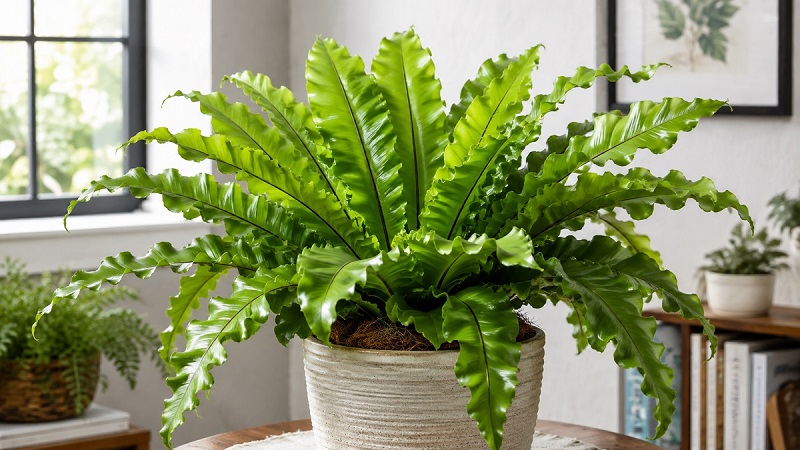
Growing & Caring for Bird’s Nest Fern (Asplenium nidus)
Learn how to grow and care for Bird’s Nest Fern (Asplenium nidus), including light, watering, humidity, soil, fertilizing, repotting, propagation, pruning, and common problems.
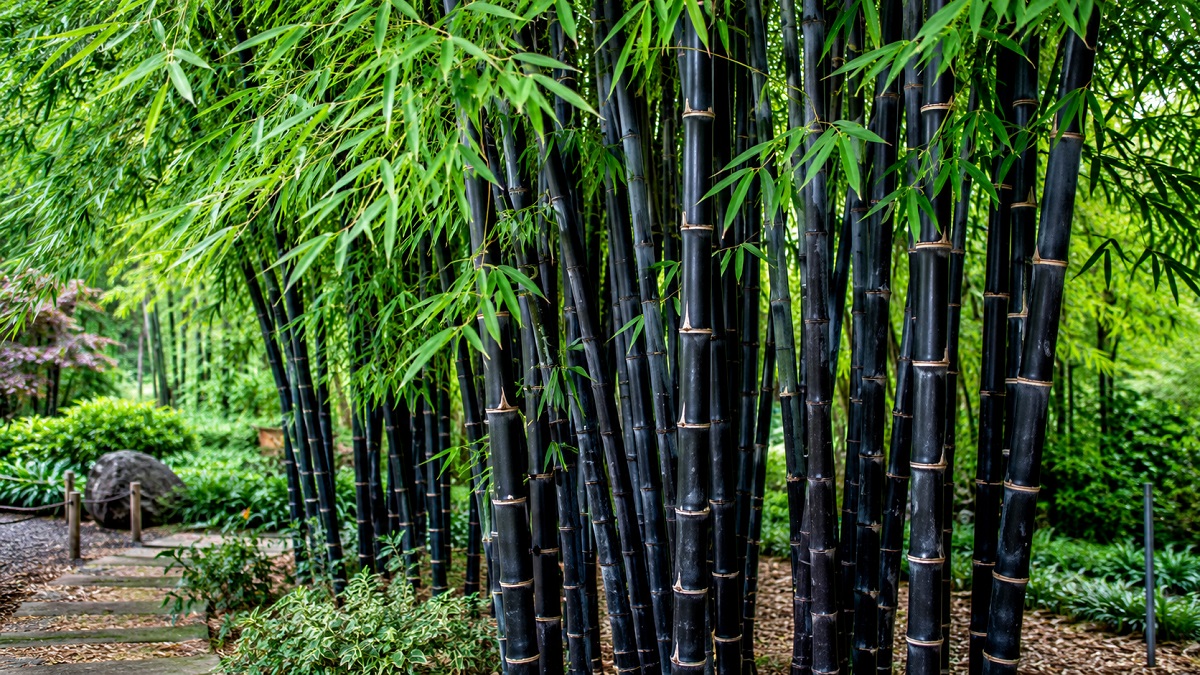
Black Bamboo, also known by its botanical name Phyllostachys nigra, is one of the most striking bamboo plants for a garden. Its young canes start out green and slowly become dark brown or almost black as they age. When the plant is healthy, the dark stems stand out beautifully against its soft green leaves.
Despite its exotic appearance, Black Bamboo is not especially difficult to grow. It mainly needs good soil, regular moisture, enough sunlight, and some room to spread. The biggest thing to remember is that Black Bamboo is a running bamboo. If it is planted directly in the ground without planning, its underground rhizomes can slowly spread into areas where you may not want them.
This guide explains how to plant, water, feed, prune, propagate, and protect Black Bamboo. It also covers container growing and some common problems that gardeners may see.
Black Bamboo is fairly easy to grow when it has moist soil, good drainage, and enough space for its roots to spread.
Black Bamboo is a beautiful evergreen bamboo that comes from China. It is best known for the color of its mature canes. New shoots are usually green, but the stems darken with age and can become a deep black-brown color. The amount of dark color can depend on the plant's age and growing conditions.
The leaves are narrow, green, and arranged along slender branches. Together, the dark canes and green leaves give the plant a strong contrast. This makes Black Bamboo useful when you want a garden screen that looks more interesting than an ordinary hedge.
Black Bamboo can become a large plant when it has good growing conditions. It is therefore important to think about its mature size before planting it. A small plant in a nursery pot may look harmless, but it can gradually occupy much more space.
Another important feature is its running growth habit. Instead of staying in one tight clump, the plant can produce underground rhizomes that travel away from the main plant. This is useful when you want a large screen, but it can become a problem in a small garden.
Black Bamboo grows well in full sun to partial shade. A location with several hours of direct sunlight can encourage strong growth and healthy foliage. Morning sun is especially useful in warmer climates because it gives the plant light without the strongest afternoon heat.
The plant can also grow in partial shade. A little shade can be helpful in hot climates, especially when the afternoon sun is very strong. However, very dark conditions may result in weaker or thinner growth.
When choosing a planting site, look at the area throughout the day. Do not judge the amount of sunlight only from the morning. A place that looks sunny early in the day may become heavily shaded later.
A bright garden border, open yard, or sunny area near a fence can work well. Leave enough space between the bamboo and structures, paths, drains, and neighboring planting areas. This makes future maintenance much easier.
Good soil is one of the most important parts of Black Bamboo care. The plant likes soil that holds some moisture but does not stay waterlogged for long periods. Rich garden soil with good drainage is a good starting point.
Before planting, loosen the soil around the planting area. If the soil is very heavy, adding suitable organic matter can improve its structure. Compost or well-rotted organic material can also add nutrients and help the soil hold moisture.
Avoid planting Black Bamboo in a place where water collects after rain. Constantly wet soil can create root problems and may weaken the plant over time.
Black Bamboo can grow in slightly acidic to neutral soil. In most gardens, it is better to focus on good drainage, organic matter, and regular moisture instead of trying to change the soil pH without a clear reason.
Planting Black Bamboo is fairly simple, but choosing the location carefully is very important because the plant can spread.
Select a bright location with fertile, well-drained soil. Think about how large you want the bamboo to become and where its underground rhizomes might travel.
Dig and loosen the soil before planting. Remove large stones, weeds, and old roots from the immediate planting area. Mix in organic matter if the soil is poor or compacted.
Make a planting hole that is wide enough to accommodate the root ball comfortably. The plant should sit at about the same depth at which it was growing in its nursery container.
Carefully remove the bamboo from its container. If the roots are tightly circling the outside of the root ball, gently loosen them before planting.
Fill the hole with the original soil and gently firm it around the plant. Water deeply after planting so the soil settles around the roots.
A layer of organic mulch around the plant can help slow moisture loss and reduce weed growth. Keep mulch a little away from the base of the canes rather than piling it directly against them.
Black Bamboo likes regular moisture, especially while it is becoming established. Newly planted bamboo should not be allowed to dry out repeatedly. During hot or dry weather, check the soil more often.
Instead of giving the plant a small amount of water every day, water thoroughly when the soil begins to dry. Deep watering helps moisture reach the root area.
Established plants are generally more tolerant than newly planted ones, but they still perform better when they have a steady supply of moisture during active growth.
Dry soil, curled leaves, or tired-looking foliage can indicate that the plant needs water. On the other hand, constantly wet soil and yellowing foliage may point to poor drainage or excessive watering.
Black Bamboo can benefit from feeding when the soil does not provide enough nutrients. A balanced garden fertilizer or a suitable slow-release fertilizer can be used during active growth.
Follow the instructions on the fertilizer package. More fertilizer does not mean faster or healthier growth. Too much fertilizer can damage roots and create unnecessary nutrient problems.
Adding compost around the plant is another simple way to improve the soil. Organic matter can help support long-term soil health while also adding some nutrients.
Mulch is useful for Black Bamboo because it helps the soil stay moist between watering. Organic mulch can also reduce weed growth and protect the soil from sudden temperature changes.
Use materials such as compost, shredded leaves, bark, or another suitable organic mulch. Spread it around the root area without pressing it directly against the bamboo canes.
Check the mulch from time to time. If it becomes very thin, add a fresh layer. If it becomes too thick and wet, reduce it so air and water can move through the soil properly.
Black Bamboo does not need complicated pruning. Most pruning is done to keep the plant neat, remove unwanted canes, or control its size.
Remove dead, damaged, or weak canes at the base. Old canes can also be removed when they no longer look attractive. Cutting selected canes opens the plant and allows the remaining stems to stand out.
Use clean, sharp pruning tools. Make clean cuts rather than crushing the stems. Avoid removing too much growth at one time unless you are carrying out major thinning or control work.
Older black canes can provide the plant with much of its visual appeal, so there is no need to remove them simply because they are old. Remove them when they are dead, damaged, overcrowded, or no longer wanted.
One of the most important parts of growing Black Bamboo is planning for its running growth habit. Underground rhizomes can move away from the original planting area.
If you want Black Bamboo in a limited area, consider using a proper bamboo root barrier or growing the plant in a large container. Barriers should be installed correctly and checked from time to time because rhizomes can find weak points or move over the top if the barrier is not deep or properly fitted.
Another option is to grow Black Bamboo in a raised or contained planting area where spreading can be monitored more easily.
Even with a barrier, inspect the edges of the planting area regularly. Early removal of unwanted shoots is much easier than dealing with a large spread later.
Black Bamboo can be grown in a large container, which is useful when you want the appearance of bamboo without allowing it to spread freely through the garden.
Choose a strong container with drainage holes. The container should be large enough for the root system and heavy enough to remain stable as the bamboo grows.
Use a good-quality potting mix that drains well but can still hold some moisture. Avoid using heavy garden soil alone in a container because it may become compacted.
Container-grown bamboo usually needs more attention than bamboo planted in the ground. The pot can dry out faster, particularly during hot weather. Check the soil regularly and water when needed.
Over time, roots and rhizomes can fill the container. If growth becomes crowded, the plant can be divided or moved into a larger container. Container maintenance is also a good time to remove unwanted old growth.
Black Bamboo can be propagated by division. This method involves separating part of an established plant with suitable roots and rhizomes and planting the division in a new location.
Propagation by division is usually easier with a healthy, established plant. The work can be physically demanding because bamboo rhizomes can be tough.
First, prepare the new planting site or container. Carefully dig around the section you want to separate. Use a clean, sharp tool to divide the rhizome and root section.
Replant the division promptly and water it well. Keep the new plant evenly moist while it becomes established. Protection from extreme heat immediately after division can also reduce stress.
Because propagation can stress both the new division and the parent plant, avoid taking more divisions than the plant can reasonably support.
Black Bamboo can tolerate cool conditions, but winter care depends on the local climate. Plants growing in the ground generally have more protection than plants growing in containers.
Before winter, make sure the plant is well watered if the soil is dry and the ground is not frozen. A layer of organic mulch can help protect the root area from rapid temperature changes.
Container-grown bamboo is more exposed because the roots are above ground. In colder areas, moving a container to a sheltered position can reduce winter stress.
Some leaves may look damaged after severe weather. Do not remove healthy-looking growth too quickly. Wait until the weather improves and inspect the plant before carrying out heavy pruning.
A few older yellow leaves can be part of normal plant growth, but widespread yellowing can have several causes. Too much water, poor drainage, drought, root stress, or nutrient problems may all affect foliage.
Start by checking the soil. If it is constantly wet, improve drainage and reduce unnecessary watering. If it is very dry, provide a deep watering.
Brown leaf edges can appear when the plant is short of water or exposed to stressful weather. Container plants can be especially quick to dry out during hot periods.
Check the soil moisture before changing the watering routine. Simply adding more water is not helpful if the real problem is damaged roots or poor drainage.
Weak growth may be linked to low light, poor soil, insufficient moisture, root restriction, or general stress. Look at the growing conditions as a whole instead of treating one symptom immediately.
If bamboo shoots appear outside the area where you want the plant to grow, remove them early. Regular inspection is one of the easiest ways to keep running bamboo under control.
Bamboo can sometimes attract insects that feed on leaves or stems. Inspect the foliage regularly, especially when you notice unusual spots, discoloration, sticky residue, or distorted growth.
Start with simple control methods when possible. Remove heavily affected leaves and improve the plant's growing conditions. If a pest problem becomes serious, identify the pest before choosing a treatment.
| Season | Main Care Tasks |
|---|---|
| Spring | Check new growth, begin regular watering, add compost if needed, and inspect the plant for unwanted spreading. |
| Summer | Monitor soil moisture closely, especially during hot weather. Water deeply when the soil begins to dry and watch for leaf stress. |
| Autumn | Remove damaged growth, check the root area, and prepare container plants for colder weather if necessary. |
| Winter | Protect young or container-grown plants from severe cold and avoid unnecessary pruning during stressful weather. |
If you are growing Black Bamboo for the first time, do not make the care routine more complicated than it needs to be. Start with the basics: choose a suitable location, prepare the soil, provide regular moisture, and plan for the plant's spreading habit.
Check the plant regularly rather than waiting until a problem becomes obvious. Look at the leaves, feel the soil, and inspect the area around the plant for new shoots. A few minutes of checking every week can prevent many problems.
It is also useful to remember that plants respond to their whole environment. If the leaves look unhealthy, consider sunlight, water, soil, roots, weather, and feeding together. This approach is usually more helpful than immediately adding fertilizer or changing the watering schedule.
With the right location and some basic maintenance, Black Bamboo can become a long-lasting feature in the garden. Its dark canes give it a different appearance from most other bamboo species, making it especially useful as a screen, backdrop, border plant, or container feature.
Black Bamboo is a beautiful plant that can bring height, movement, privacy, and strong contrast to a garden. Its green leaves look especially attractive against the dark mature canes.
The basic care is simple: give it a bright location, fertile well-drained soil, regular moisture, and occasional feeding when needed. Mulching can help maintain soil moisture, while light pruning keeps the plant looking neat.
The most important point is to plan for its running growth. Before planting, decide whether you want the bamboo to spread or whether you need to keep it contained. A root barrier or large container can make management much easier.
Once established, Black Bamboo can become a strong and attractive part of the landscape. With regular observation and simple care, you can enjoy its unusual dark canes and lush green foliage for many years.
Continue exploring our gardening guides with more plant profiles, growing tips, and practical advice for creating a healthy, productive garden.