Biennial Plants Guide: Growing, Care & Popular Varieties
Learn how to grow biennial plants with this complete guide. Discover their two-year life cycle, planting, vernalization, care, overwintering, and the best biennial flowers for your garden.
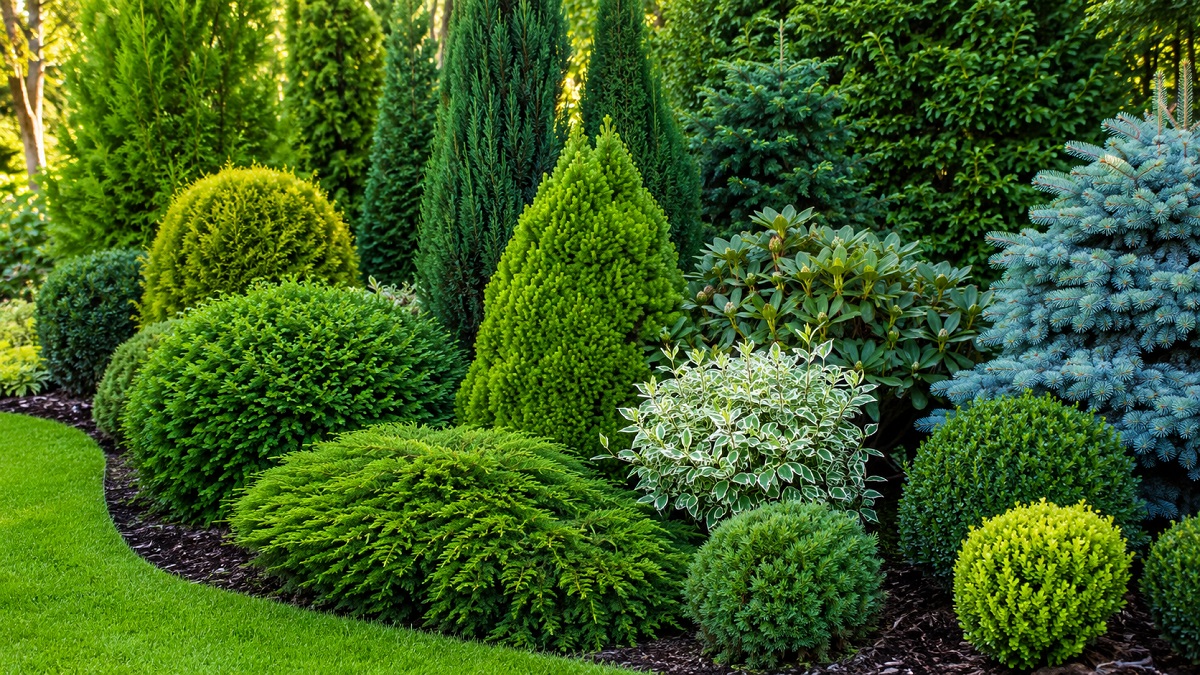
Evergreen shrubs are some of the most useful plants in a garden. Unlike deciduous shrubs that lose their leaves during part of the year, evergreens keep their foliage through every season, giving the landscape a dependable structure even when flowering plants have finished blooming. They can create privacy screens, define garden borders, soften walls and fences, provide shelter for wildlife, and add color and texture to otherwise quiet winter landscapes.
But “evergreen” does not mean “maintenance-free.” Different shrubs have very different requirements for sunlight, soil, moisture, pruning, feeding, and winter protection. A shrub that thrives in a sunny, well-drained border may struggle in heavy shade or constantly wet soil. Choosing the right plant for the growing conditions is therefore one of the most important parts of successful evergreen shrub gardening.
This guide explains how to choose, plant, establish, prune, water, feed, and maintain evergreen shrubs. It also covers common problems, container growing, seasonal care, and a selection of popular evergreen shrubs for different garden situations.
The best results come from matching the shrub to the light, soil, moisture, and climate of your garden.
Evergreen shrubs are woody plants that retain their foliage for multiple growing seasons. They do not necessarily keep every individual leaf forever. Instead, old leaves are gradually replaced as new growth develops, so the plant maintains a leafy appearance throughout the year.
Evergreen shrubs range from compact foundation plants to large screening shrubs. Some have broad leaves, while others have narrow, needle-like or scale-like foliage. Their foliage may be green, blue-green, yellow-green, silver, variegated, or even deep bronze depending on the species and cultivar.
Common examples include boxwood, holly, gardenia, camellia, yew, arborvitae, juniper, euonymus, and many species of rhododendron. Some are grown primarily for foliage, while others combine evergreen leaves with attractive flowers or berries.
Broadleaf evergreens have relatively wide leaves and often bring a lush, tropical or woodland appearance to the landscape. Examples include camellias, gardenias, hollies, some euonymus, and many rhododendrons.
These shrubs often have fine needles or scale-like foliage. Junipers, dwarf conifers, and compact forms of arborvitae are useful when a garden needs strong year-round texture and structure.
The biggest advantage of evergreen shrubs is continuity. A mixed garden can look dramatically different throughout the year, but evergreen plants provide a permanent framework that connects the seasons.
Evergreen shrubs keep garden beds from looking bare during periods when deciduous trees and shrubs have lost their leaves. This is particularly valuable in front gardens, entryways, patios, and other areas that are viewed throughout the year.
Tall evergreen shrubs can form living screens between properties, hide unattractive views, or create a more private outdoor space. Dense plants are especially useful along boundaries, although sufficient planting space is essential for healthy long-term growth.
Evergreens can define paths, frame entrances, outline lawns, and separate different garden rooms. Their consistent foliage provides visual anchors even when annuals and perennials change from season to season.
Dense evergreen foliage can offer shelter for birds and other small garden wildlife. Some shrubs also produce flowers, berries, or other resources that increase their value to pollinators and wildlife.
A carefully positioned evergreen screen can reduce wind exposure around patios and gardens. However, a dense hedge can also catch strong winds, so planting design and local conditions should be considered rather than assuming that every evergreen is suitable for exposed locations.
The best evergreen shrub is not necessarily the one that looks most attractive at the garden center. It is the one that fits your growing conditions and the space available.
Start by looking at sunlight. Observe the planting location for a full day if possible. A site that receives several hours of direct sunlight is very different from an area beneath mature trees where the soil may also be dry because of competing roots.
Next, consider drainage. Many evergreen shrubs dislike sitting in saturated soil. If water remains around the root zone after rain, improve drainage where practical or select a species that tolerates wetter conditions.
Climate is equally important. Check the shrub's recommended hardiness range and consider summer heat, winter cold, humidity, wind, and local rainfall. A shrub may technically survive in a climate but still perform poorly if it is repeatedly exposed to conditions outside its preferred range.
Finally, consider mature size. Plant labels sometimes make a shrub look deceptively small because nursery plants are young. Allow enough room for mature roots, branches, and airflow.
There is no single “best” evergreen shrub for every garden. The following groups illustrate the range of choices available.
| Shrub | Typical Garden Use | Foliage | General Preference |
|---|---|---|---|
| Boxwood | Hedges, borders, topiary | Small green leaves | Sun to partial shade |
| Holly | Screening, hedges, wildlife gardens | Glossy green leaves | Sun to partial shade |
| Camellia | Foundation planting, woodland gardens | Glossy broad leaves | Partial shade to filtered light |
| Gardenia | Fragrance gardens, containers | Glossy dark green leaves | Bright light and warm conditions |
| Juniper | Ground cover, borders, slopes | Needle or scale-like foliage | Usually full sun |
| Yew | Hedges and formal landscapes | Dark green needles | Sun to shade, depending on conditions |
| Arborvitae | Privacy screens and hedges | Scale-like green foliage | Sun to partial shade |
| Euonymus | Borders, hedges, containers | Green or variegated leaves | Sun to partial shade |
The exact requirements of individual cultivars can differ considerably, so use the species or cultivar name on the plant label when checking growing requirements.
Planting correctly gives an evergreen shrub a strong start and reduces many problems later. Whenever possible, plant during a period when temperatures are moderate and the plant has enough time to establish roots before facing extreme heat or cold.
Remove grass, weeds, stones, and competing vegetation from the planting area. Dig a broad area rather than concentrating all preparation in a narrow hole. The goal is to encourage roots to move outward into the surrounding soil.
The hole should generally be wider than the root ball but not dramatically deeper. The top of the root ball should sit level with, or slightly above, the surrounding soil surface depending on the plant and soil conditions.
If the shrub is container-grown, gently loosen circling roots around the outside of the root ball. Severely root-bound plants may require more deliberate correction so that roots can grow outward instead of continuing around the root mass.
Step back and check the plant from several angles before filling the hole. This is especially important for shrubs planted near paths, entrances, or property boundaries.
Return the excavated soil around the root ball and firm it gently. Avoid packing the soil so tightly that air spaces disappear completely.
Water slowly and deeply after planting. This settles soil around the roots and removes large air pockets.
Apply a layer of organic mulch around the root zone. Keep mulch several centimeters away from the main stems or trunk. Mulch piled directly against stems can keep the bark constantly damp and create favorable conditions for disease and pests.
Evergreen shrubs vary enormously in their light requirements. Some perform best in full sun, while others naturally grow beneath woodland canopies and prefer filtered or partial shade.
Full-sun shrubs generally need several hours of direct sunlight each day for dense, healthy growth. Plants grown in insufficient light may become thin, open, or less colorful.
Shade-tolerant evergreens can be excellent choices beneath trees or on north-facing sites, but shade does not necessarily mean completely dark conditions. Even shade-loving shrubs need adequate ambient light for photosynthesis.
Afternoon shade can be particularly useful in hot climates. A shrub that tolerates morning sun may appreciate protection from intense afternoon heat, especially when summer temperatures are high and humidity is low.
Healthy roots are the foundation of a healthy evergreen shrub. Soil should provide moisture while allowing excess water and air to move through the root zone.
Loamy soil is suitable for many shrubs because it provides a useful balance of drainage, moisture retention, and fertility. Heavy clay can hold excessive water, while very sandy soil may drain rapidly and require more frequent irrigation and organic matter management.
Do not automatically add large amounts of compost or other amendments to every planting hole. A shrub ultimately needs to grow beyond the original hole, so improving the broader planting area can be more useful than creating a small pocket of highly amended soil.
Soil pH also matters. Some evergreen shrubs prefer acidic conditions, while others tolerate a broader range. If a particular plant has a known pH preference, test the soil before making major adjustments.
Constantly wet roots can lead to root decline, yellowing foliage, poor growth, and increased susceptibility to disease. If a planting site drains poorly, consider raising the planting area, improving the overall drainage, or choosing a shrub naturally suited to moist conditions.
Newly planted evergreen shrubs need consistent moisture while their root systems become established. Water deeply enough to moisten the root zone rather than applying small amounts that only wet the soil surface.
During hot or dry weather, check the soil regularly. The correct watering frequency depends on soil type, temperature, rainfall, wind, plant size, and the particular shrub.
Established shrubs are often more drought tolerant than newly planted specimens, but drought tolerance should not be confused with an ability to survive indefinitely without water. Extended periods of drought can cause leaf drop, scorched foliage, branch dieback, and reduced growth.
Water at the base of the plant when possible. Keeping foliage wet for long periods, especially in humid weather, can increase the risk of certain foliar diseases.
Evergreen shrubs generally benefit more from balanced soil management than from heavy fertilization. If a plant is growing well and producing healthy foliage, excessive fertilizer is unnecessary and can sometimes cause problems.
A soil test is useful when growth is consistently poor or when you suspect a nutrient deficiency. It can provide information about soil pH and nutrient availability instead of relying on guesswork.
When fertilizer is appropriate, follow the product label and the needs of the particular shrub. Avoid applying more fertilizer simply because faster growth seems desirable. Excessive nitrogen can produce soft, overly vigorous growth that may be more susceptible to certain stresses.
Organic mulch helps conserve soil moisture, moderate soil temperature, and reduce competition from weeds. Apply approximately 2–3 inches of mulch across the root zone, leaving a small gap around stems and trunks.
Over time, organic mulch decomposes and contributes organic matter to the soil. Refresh the layer when necessary rather than repeatedly building it into a thick mound.
Pruning should have a purpose. Removing damaged, dead, diseased, or crossing branches can improve the plant's structure, while selective shaping can keep a shrub within its intended space.
One of the most common mistakes is shearing every evergreen shrub into a rigid shape. Formal hedges can be maintained this way, but many naturally rounded shrubs look better and remain healthier when pruned selectively.
Begin by removing dead or broken branches. Cut back to healthy wood or to an appropriate branch junction rather than leaving long, damaged stubs.
If an evergreen shrub is grown primarily for its flowers, pruning at the wrong time can remove developing flower buds. Learn whether the plant flowers on old wood or new growth before performing major pruning.
Removing a large percentage of the foliage at once can stress a shrub. It is generally better to maintain a plant gradually than to allow it to become severely overgrown and then attempt a drastic correction.
For formal evergreen hedges, a gently tapered shape allows more sunlight to reach the lower foliage. A hedge that is dramatically wider at the top can shade its lower branches, eventually leaving the base thin and bare.
Many compact evergreen shrubs can be grown successfully in containers. Container growing is particularly useful for patios, balconies, entrances, and small gardens where planting directly in the ground is not practical.
Choose a container with drainage holes and enough volume for the mature root system. A pot that is too small dries out quickly and can restrict root development, while an oversized container can retain excessive moisture if the growing medium drains poorly.
Use a quality container-growing medium rather than ordinary garden soil. Place the container where the plant receives the amount of light it requires.
Container-grown evergreens generally need closer monitoring than plants in the ground. Their limited root volume means they can dry out faster during hot weather. Nutrients can also be depleted more quickly, so regular but appropriate feeding may be necessary.
Repot when the plant has clearly outgrown its container or when the growing medium has deteriorated. If the shrub has reached a desirable size, root pruning and refreshing part of the growing medium can sometimes be an alternative to moving into a much larger pot.
Yellow foliage can have several causes, including excess moisture, poor drainage, nutrient problems, insufficient light, root damage, or natural aging of older leaves. Look at the entire plant rather than diagnosing the problem from leaf color alone.
Brown edges often appear after drought, intense heat, wind exposure, root problems, or winter injury. Check soil moisture and examine whether the plant is receiving conditions appropriate for its species.
Evergreen does not mean that every leaf remains permanently attached. Some leaf turnover is normal. However, sudden or extensive foliage loss may indicate environmental stress, root damage, disease, pests, or a recent change in growing conditions.
Common pests can include scale insects, aphids, mites, whiteflies, and other sap-feeding insects depending on the shrub and local conditions. Inspect the undersides of leaves and young stems regularly.
Small infestations can sometimes be managed by pruning affected growth or washing pests from foliage with an appropriate stream of water. For persistent problems, identify the pest before selecting a treatment and follow the product label carefully.
Diseases are more likely when foliage remains wet for long periods, air circulation is poor, or plants are stressed. Avoid unnecessary overhead irrigation and give shrubs enough space to grow without becoming overcrowded.
Root diseases can be particularly serious because symptoms above ground may not appear until significant damage has occurred. Poor drainage, overwatering, and planting too deeply can all contribute to root stress.
Spring is an excellent time to inspect evergreen shrubs for winter damage. Remove broken branches and check for signs of pests as temperatures rise. This is also a useful period for planting many shrubs, depending on local climate.
Refresh mulch, remove competing weeds, and begin monitoring soil moisture as active growth resumes.
Summer care is mainly about moisture management. Newly planted shrubs should not be allowed to experience repeated severe drought. Monitor containers especially closely because their restricted root volume can dry rapidly.
In hot climates, afternoon shade may protect sensitive shrubs from excessive heat. Avoid unnecessary heavy pruning during periods of extreme heat.
Autumn can be a good planting period in many climates because cooler air temperatures reduce stress while soil may remain warm enough for root growth. Continue watering newly planted shrubs until they are established.
Clean up diseased plant material and maintain an appropriate mulch layer before colder weather arrives.
Winter damage can result from cold temperatures, drying winds, frozen soil, or rapid temperature fluctuations. Broadleaf evergreens can be particularly vulnerable to winter dehydration because their foliage continues losing moisture even when the ground is cold.
Where appropriate, protect young or sensitive shrubs from severe winter conditions using methods suited to the plant and local climate. Avoid wrapping plants unnecessarily or creating conditions that restrict airflow.
Evergreen shrubs can contribute to a wildlife-friendly garden by providing year-round cover. Dense branches offer birds places to shelter from wind and predators, while the structure of larger shrubs can provide nesting opportunities.
When selecting plants for wildlife, look beyond foliage. Shrubs that produce flowers, berries, seeds, or other food resources can provide additional value.
Using a mixture of evergreen and deciduous plants usually creates a more diverse habitat than planting a single species repeatedly across an entire boundary. A layered planting with ground covers, shrubs, and trees can provide different shelter and feeding opportunities.
Planting the root ball too deeply can restrict oxygen around the roots and contribute to long-term decline. Always pay attention to the root flare and the original soil level.
This is one of the most expensive mistakes because a shrub may look perfect for several years before becoming too large. Repeated severe pruning can then become necessary, which may weaken the plant and increase maintenance.
A fixed watering schedule is less reliable than checking actual soil conditions. Weather, soil type, plant age, and season all change how quickly the root zone dries.
Even plants that enjoy consistent moisture usually need oxygen around their roots. Constantly saturated soil can be more damaging than a short period of dryness.
More fertilizer does not necessarily produce a healthier shrub. Excess nutrients can damage roots, cause excessive soft growth, and contribute to nutrient imbalances.
Heavy pruning immediately before flowering can remove the buds that would have produced the season's flowers. Learn the plant's flowering and growth cycle before making major cuts.
Close spacing may create a fast screen, but it can also reduce airflow and force shrubs to compete for water and nutrients. Use mature plant dimensions when deciding spacing.
An evergreen border does not have to be a wall of identical plants. Combining different heights, textures, and foliage colors can create a more natural and interesting composition.
Begin with the tallest plants toward the back of the border or along the property boundary. Medium-sized shrubs can occupy the middle layer, while compact evergreen shrubs and ground covers fill the foreground.
Repeat a few plants throughout the border to create visual continuity. At the same time, vary foliage texture so that the planting does not become visually flat.
Consider seasonal interest as well. Evergreen foliage supplies the permanent structure, while flowering shrubs, bulbs, annuals, and perennials can provide changing color around them.
Choose dense evergreen shrubs that naturally reach the required height and width. Space them according to their mature dimensions instead of planting extremely close together for an instant screen.
Look for naturally compact cultivars. Dwarf conifers, compact broadleaf evergreens, and container-friendly shrubs can provide year-round interest without overwhelming the available space.
| Garden Situation | What to Look For | Useful Characteristics |
|---|---|---|
| Sunny border | Sun-loving evergreen | Dense foliage and heat tolerance |
| Partial shade | Shade-tolerant species | Ability to maintain foliage in lower light |
| Privacy screen | Tall, dense shrub | Good branching and suitable mature height |
| Small garden | Dwarf or compact cultivar | Slow or restrained growth |
| Container | Compact shrub | Manageable root and canopy size |
| Formal hedge | Pruning-tolerant species | Dense branching and predictable growth |
| Wildlife garden | Flowering or fruiting evergreen | Shelter plus food resources |
Many evergreen shrubs can live for decades when planted in suitable conditions and maintained properly. Longevity depends on species, climate, soil, disease pressure, pruning practices, and overall growing conditions.
A shrub that is technically hardy but planted in permanently unsuitable soil may decline much sooner than one planted in its preferred environment. This is why correct plant selection is often more important than intensive maintenance.
Good long-term care means maintaining healthy roots, avoiding chronic drought or waterlogging, providing adequate light, pruning appropriately, and watching for problems before they become severe.
The ideal planting season varies with climate and species. In many temperate regions, spring and autumn provide favorable conditions because temperatures are moderate. In areas with very hot summers, planting during the hottest part of the year can place unnecessary stress on newly transplanted shrubs.
In warm climates, planting may be possible across a longer portion of the year, provided adequate irrigation is available and extreme heat is avoided. Always consider local weather rather than following a single calendar date.
Evergreen shrubs reward thoughtful planting more than complicated maintenance. Choose plants that naturally fit your climate and garden conditions, give them adequate room, prepare the soil properly, and establish a consistent watering routine.
Once established, many evergreen shrubs require surprisingly little attention. Regular observation is more useful than constant intervention. Walk through the garden and look at foliage color, new growth, soil moisture, branch structure, and signs of insects or disease.
Remember that different evergreen shrubs have different personalities. Some prefer sun and dry conditions, while others thrive in filtered shade and evenly moist soil. Some respond well to formal pruning, while others are best allowed to develop their natural shape.
With the right plant in the right place, evergreen shrubs can provide a dependable foundation for the landscape year after year. They add privacy, structure, texture, habitat, and seasonal interest while helping the garden remain attractive even when many other plants are dormant.
Many evergreen shrubs are relatively easy to grow once established, but ease of care depends on choosing a species suited to the local climate, soil, sunlight, and moisture conditions. Proper planting and establishment are especially important during the first growing season.
No. Some evergreen shrubs prefer full sun, while others tolerate or prefer partial shade. Always match the plant's light requirements to the location rather than assuming that all evergreens have the same needs.
Watering frequency depends on weather, soil, plant age, and species. Newly planted shrubs need regular moisture while establishing. Established shrubs usually need less frequent irrigation, but they may still require supplemental water during extended dry periods.
Brown foliage can result from drought, heat, wind, winter injury, root stress, pests, or disease. Check soil moisture, drainage, recent weather, and the location of the damaged foliage before deciding on a treatment.
Yes. Compact evergreen shrubs can grow well in containers when provided with adequate drainage, an appropriate growing medium, sufficient light, and regular moisture. Container plants generally need closer monitoring than shrubs planted in the ground.
The best pruning time depends on the shrub's growth habit and flowering cycle. Remove dead or damaged growth whenever appropriate, but time major pruning carefully if the plant is grown for flowers.
Not necessarily. Healthy shrubs growing in suitable soil may need little supplemental fertilizer. If growth is weak or deficiency is suspected, a soil test can help determine whether additional nutrients are actually required.
Spacing should be based on the mature width of the selected shrub and the purpose of the planting. Screening plants can be positioned closer than specimen shrubs, but overcrowding should be avoided because it can increase competition and reduce airflow.
Yes. Many evergreen shrubs are excellent privacy plants because they retain foliage throughout the year. Select a species that reaches the desired mature height and density without requiring constant severe pruning.
Evergreen plants naturally replace older foliage, so some leaf loss is normal. Heavy or sudden leaf loss, however, can indicate drought, excessive moisture, root problems, pests, disease, or environmental stress.
In short: evergreen shrubs are an excellent way to give a garden year-round structure, but successful growing starts with selecting the right plant for the right location. Pay attention to sunlight, drainage, mature size, watering, and pruning needs, and your shrubs can become long-lasting features of the landscape rather than constant maintenance problems.
Continue exploring our gardening guides with more plant profiles, growing tips, and practical advice for creating a healthy, productive garden.