Growing African Daisies in Containers
Learn how to grow African daisies in containers with tips on pot selection, potting mix, sunlight, watering, fertilizing, pruning, and flowering.
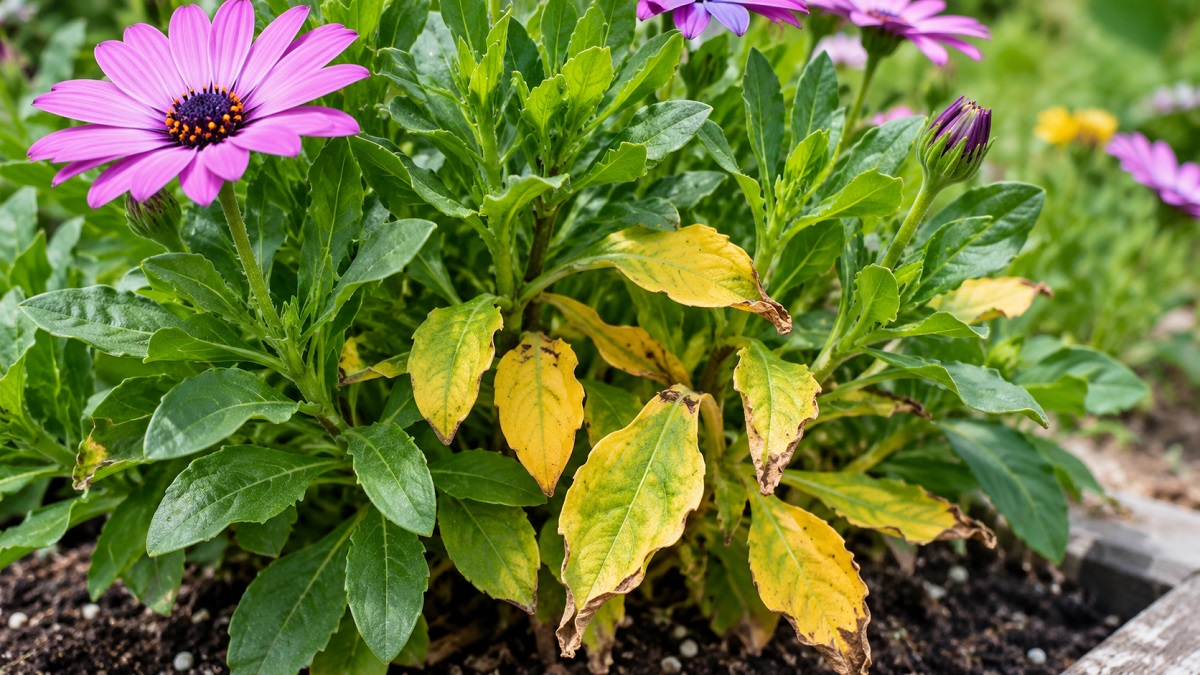
African daisies are loved for their colorful, daisy-like flowers and long blooming season. Their cheerful blooms can brighten garden borders, patio containers, and sunny beds for months. However, when the leaves begin turning yellow, the plant may be telling you that something in its growing conditions needs attention. A few yellow leaves near the base are not always a cause for concern, but widespread discoloration, wilting, or stunted growth deserves a closer look.
African daisies (Osteospermum hybrids and related garden varieties) generally grow best in abundant sunlight, well-drained soil, and moderate moisture. Yellow foliage can develop when the roots remain too wet, the plant dries out excessively, nutrients become unavailable, or pests begin feeding on the leaves. Temperature stress and the natural aging of older foliage can also play a role.
The best way to restore healthy growth is to identify the cause before changing your watering routine or applying fertilizer. This guide explains how to diagnose yellow leaves on African daisies, what to do about each problem, and how to prevent the discoloration from returning.
Start here: Check the soil moisture, drainage, and pattern of yellowing before treating the plant.
Healthy African daisy leaves are generally green, with a firm texture and no extensive spotting or yellow patches. Leaf shape varies by cultivar, but foliage should not remain limp when the soil has adequate moisture.
A few older leaves fading near the base can be part of normal growth. Yellowing that spreads across several stems, affects new growth, or appears alongside wilting is more likely to indicate a growing problem.
Yellow leaves are a symptom rather than a diagnosis. Two plants may show similar discoloration for completely different reasons, so the surrounding conditions matter as much as the color itself.
The most common causes include excessive watering, insufficient moisture, poor drainage, nutrient deficiencies, inadequate sunlight, temperature fluctuations, and pest activity. Root problems can also interfere with water and nutrient uptake, even when the soil contains everything the plant needs.
| Possible Cause | Typical Symptoms | First Action |
|---|---|---|
| Overwatering | Yellow lower leaves, persistently wet soil, drooping | Allow excess moisture to drain and adjust watering. |
| Underwatering | Dry soil, curled leaves, crispy brown edges | Water the root zone thoroughly. |
| Nutrient deficiency | General paleness or yellowing between leaf veins | Check soil conditions and nutrient availability. |
| Low light | Weak growth, fewer flowers, foliage discoloration | Move the plant to a brighter location gradually. |
| Temperature stress | Wilting, faded foliage, damaged leaf edges | Protect the plant from extreme conditions. |
| Pests | Fine speckles, stippling, distorted leaves, webbing | Inspect foliage and use an appropriate pest treatment. |
| Root damage | Persistent wilting, yellowing, poor growth | Inspect drainage and roots if other checks do not explain the symptoms. |
| Natural aging | One or two older leaves fading while new growth stays healthy | Monitor the plant and remove dead leaves if needed. |
Do not apply fertilizer, fungicide, or insecticide simply because a leaf has turned yellow. Correcting the underlying growing condition is often more effective than treating the discoloration itself.
Overwatering is one of the first problems to investigate when African daisy foliage turns yellow. These plants appreciate regular moisture during active growth, but their roots also need oxygen. When soil remains saturated for long periods, oxygen becomes limited and the roots struggle to function normally.
As root activity declines, the plant may develop yellow lower leaves, soft stems, drooping foliage, and slow growth. In severe cases, damaged roots become dark and mushy, and the soil may develop an unpleasant smell.
Roots absorb water and essential nutrients from the soil. Waterlogged conditions reduce the oxygen available for root respiration, interfering with these processes. Prolonged saturation can also encourage root-rotting organisms, particularly when drainage is poor.
A plant with damaged roots may wilt even though the soil is wet. Adding more water in response to that wilting can make the problem worse.
Avoid placing a struggling plant directly into intense midday heat to dry it quickly. Give it bright light and suitable airflow while the soil moisture returns to a healthy level.
There is no universal watering schedule. Frequency depends on temperature, rainfall, container size, soil composition, and root development. Check the soil before watering rather than relying on a fixed number of days.
Water thoroughly when the upper portion of the growing medium has begun to dry, then allow excess water to drain. Garden-grown plants may need less frequent irrigation than container-grown specimens, especially during cooler or rainy weather.
African daisies tolerate short dry periods better than prolonged waterlogging, but they can still suffer when their roots repeatedly dry out. This is particularly common in small pots, hanging planters, exposed beds, and hot, windy locations.
Underwatered plants often develop limp foliage, curled leaves, dry margins, and yellow or brown patches. The soil may pull away from the edges of a container, and flowers can wilt or fade earlier than expected.
Check the soil before adding water. If it feels dry several centimeters below the surface and the plant is wilting, insufficient moisture may be responsible. Dry soil combined with crispy leaf edges is a useful clue, although heat and root damage can produce similar symptoms.
Do not keep the soil permanently wet after correcting a dry spell. The goal is to restore consistent moisture without creating waterlogged conditions.
African daisies need access to essential nutrients to produce healthy foliage, develop roots, and maintain flowering. Yellowing can occur when nutrients are lacking, but it can also appear when the soil pH or root condition prevents the plant from absorbing nutrients effectively.
Nitrogen supports chlorophyll production and leafy growth. When nitrogen is insufficient, older leaves often become pale green and then yellow, while overall growth may slow.
If several older leaves are fading and the plant has not been fertilized for a long time, a nutrient shortage is worth investigating. However, yellow lower leaves can also result from excess moisture, so check drainage before adding nitrogen.
Iron deficiency commonly causes interveinal chlorosis, in which the tissue between the leaf veins turns yellow while the veins remain relatively green. Symptoms often appear first on younger leaves.
Iron may be present in the soil but unavailable to roots when the pH is too high. Waterlogged roots and other root problems can also interfere with iron uptake. Adding an iron product without addressing the underlying cause may not solve the problem.
Magnesium is another nutrient involved in chlorophyll production. A deficiency can cause yellowing between the veins of older leaves, sometimes developing into more extensive discoloration.
These visual patterns can overlap with other nutrient problems, so a soil test is more reliable than diagnosing a specific deficiency by appearance alone.
African daisies do not benefit from excessive fertilizer. Too much nitrogen can encourage soft leafy growth at the expense of flowering, while excess fertilizer salts may scorch leaf margins and damage roots.
African daisies generally perform best in full sun, although the amount of afternoon shade they tolerate depends on the cultivar and local climate. Plants growing in deep shade may produce fewer flowers, stretch toward available light, and develop weaker growth.
Poor light is not always the direct cause of yellow leaves, but it can contribute to declining vigor. Shade also slows soil drying, which increases the risk of overwatering if the plant continues to receive the same amount of irrigation.
Aim for approximately six or more hours of direct sunlight daily in conditions where the plant can tolerate it. In very hot climates, morning sun with some protection from intense afternoon heat may help prevent scorching and excessive moisture loss.
If yellow leaves appear alongside brown, dry patches after a sudden move into strong sunlight, sun scorch may be more likely than insufficient light.
Sudden temperature changes can place African daisies under stress. Very high temperatures, dry winds, cold nights, and unexpected frost may damage foliage or interrupt normal growth.
During hot weather, plants may wilt in the afternoon even when the soil contains some moisture. Leaves exposed to intense sun can develop pale, yellowish, or brown areas, especially when the roots cannot replace water as quickly as it is lost.
Water the root zone when needed, protect container plants from excessive heat around their roots, and consider temporary afternoon shade during severe heatwaves. Avoid keeping the plant in a dark location for extended periods.
Cold conditions can slow growth and interfere with the plant's ability to take up water. Frost may damage leaves and stems, causing discoloration followed by browning or collapse. African daisy varieties differ in their cold tolerance, so local growing conditions matter.
Move pots to a sheltered position when cold weather threatens and protect plants according to the requirements of the cultivar. Avoid unnecessary watering when cool weather keeps the soil wet for long periods.
Some African daisies naturally become less vigorous during unfavorable weather. If a plant has finished a major flowering flush or is entering a period of heat stress, a few aging leaves may be normal. Widespread yellowing or a rapid decline, however, should not automatically be attributed to the season.
Insects and diseases can also cause yellow foliage. Examine both the upper and lower leaf surfaces, along with tender shoots and flower buds. Early detection makes most pest problems easier to manage.
Spider mites feed on plant cells and often produce tiny pale speckles across the leaves. As feeding continues, the foliage may become bronze or yellow, and fine webbing may appear on leaf undersides or around stems. Hot, dry conditions can favor mite outbreaks.
Isolate affected container plants when practical, remove badly damaged foliage, and wash the leaves with a gentle stream of water. If the infestation persists, use a product specifically labeled for mites on ornamental plants, following all label instructions.
Aphids gather on soft new growth and flower stems, where they suck plant sap. Heavy infestations can cause curled leaves, distorted shoots, sticky honeydew, and weakened growth.
Remove small colonies with water or by gently wiping the affected areas. Encourage beneficial insects and avoid broad-spectrum insecticides when possible, as these can harm natural predators.
Thrips can leave silvery or pale feeding marks, distorted growth, and damaged flowers. Other sap-feeding insects may cause scattered discoloration or general loss of vigor.
Inspect flowers, folded leaves, and new shoots closely. Sticky traps can help monitor certain flying pests, but they should not be treated as a complete solution for an infestation.
Some fungal diseases produce yellow spots, lesions with dark borders, or patches that gradually spread across the foliage. Prolonged leaf wetness, poor airflow, and crowded planting can increase the risk of disease.
Yellow leaves alone do not prove that a fungal disease is present. Confirm the symptoms and rule out watering or root problems before applying treatment.
Roots may be damaged during repotting, planting, cultivation, or prolonged exposure to unsuitable soil conditions. A plant with injured roots can struggle to absorb water even when the soil appears reasonably moist.
Transplant shock may cause temporary wilting, yellow leaves, and a pause in flowering. These symptoms are more likely when the plant is moved during hot weather, the root ball is disturbed heavily, or the new location differs greatly from its previous environment.
Avoid repeatedly digging around the roots, since additional disturbance can worsen the problem. Check drainage and moisture first. If root rot is suspected, gently inspect the root ball and remove clearly rotten material with clean tools. Replant in a container with drainage holes and fresh, well-draining medium.
After repotting, provide suitable light and keep moisture consistent without saturating the soil. Hold off on strong fertilizer until the plant shows signs of recovery.
Use the following table to narrow down the likely cause. These patterns are useful clues, but they are not definitive diagnoses; several problems can produce similar symptoms.
| Leaf Appearance | Likely Explanation | Recommended Response |
|---|---|---|
| Older leaves turn uniformly yellow | Natural aging, nitrogen shortage, or wet roots | Check soil moisture, drainage, and overall growth. |
| Young leaves yellow between green veins | Possible iron deficiency or high soil pH | Check root health and soil pH; test if persistent. |
| Yellowing between veins on older leaves | Possible magnesium deficiency or another nutrient issue | Assess soil fertility before applying supplements. |
| Yellow leaves with soggy soil | Overwatering or poor drainage | Allow drainage and adjust irrigation. |
| Yellow leaves with dry, crispy margins | Drought, heat stress, or fertilizer salt buildup | Check root moisture, weather exposure, and feeding history. |
| Fine yellow or pale speckles | Spider mites or other feeding pests | Inspect the undersides of leaves carefully. |
| Yellow spots with dark edges | Possible leaf disease or localized injury | Remove affected leaves and improve airflow. |
| Yellowing and wilting after repotting | Transplant shock or root damage | Maintain steady moisture and minimize further disturbance. |
| A few yellow leaves near the base | Normal leaf aging | Remove dead foliage and monitor new growth. |
A simple, step-by-step assessment is usually more useful than trying several treatments at once. Make one or two targeted changes, then observe how the plant responds.
Feel the soil below the surface instead of judging it by appearance alone. If it is saturated, hold off on watering and check drainage. If it is dry throughout the root zone, water thoroughly and allow the excess to escape.
Check whether drainage holes are blocked and whether the container is standing in water. If the plant continues to wilt or decline despite correcting moisture, inspect the roots for signs of rot or injury.
Turn over several leaves and inspect the veins, stems, and tender growth. Look for mites, aphids, thrips, sticky residue, fine webbing, or spreading spots. Treat a confirmed pest problem with an appropriate method rather than spraying indiscriminately.
Consider recent changes in weather or plant placement. A move into strong afternoon sun, several days of extreme heat, or a cold spell may explain the sudden discoloration. Adjust exposure without depriving the plant of the bright conditions it needs.
Think about when the plant was last fed and whether it has been growing in the same soil for a long time. Avoid applying extra fertilizer until excess moisture, root damage, and other environmental problems have been considered.
Yellow leaves rarely regain their original color, so remove completely yellow or dead foliage if it is no longer useful to the plant. Use clean scissors or pruning shears and avoid removing large amounts of healthy foliage at once.
Watch the plant over the following days and weeks, depending on the severity of the problem. Healthy new growth, improved firmness, and stable foliage are encouraging signs. Existing damaged leaves may remain discolored even after the underlying issue has been corrected.
Consistent growing conditions are the best defense against recurring yellow foliage. African daisies are not especially difficult to maintain when their basic needs are met, but they respond poorly to prolonged waterlogging and neglected root problems.
Plant African daisies in a free-draining garden bed or a quality potting mix suitable for flowering plants. Avoid compacted soil that stays saturated after rain. Containers should have unobstructed drainage holes and enough room for the roots to develop.
Check the soil before each watering. Hot, sunny weather may require more frequent irrigation, while cool or rainy conditions usually reduce the need. Water the root zone deeply enough to moisten the growing medium without leaving it waterlogged.
Choose a location with abundant sunlight and sufficient airflow. In exceptionally hot regions, protect plants from the harshest afternoon heat when necessary, while preserving enough light for healthy growth and flowering.
Use fertilizer sparingly and follow the recommended application rate. Excessive feeding can damage roots, increase salt levels in containers, and encourage foliage growth that comes at the expense of flowers.
Remove dead leaves, inspect plants regularly, and avoid overcrowding. Good airflow helps foliage dry more quickly and makes it easier to notice early pest activity.
A slight change in leaf color is easier to investigate than a plant that has already lost much of its foliage. Check plants after heavy rain, during heatwaves, following repotting, and whenever watering conditions change significantly.
| Care Task | What to Do | Why It Helps |
|---|---|---|
| Watering | Check soil moisture before irrigating. | Reduces the risk of drought and waterlogged roots. |
| Drainage | Use free-draining soil and suitable containers. | Allows roots to receive adequate oxygen. |
| Sunlight | Provide bright conditions suited to the climate. | Supports healthy growth and flowering. |
| Fertilizing | Feed only as needed and follow label directions. | Helps avoid deficiencies and fertilizer injury. |
| Pest checks | Inspect leaf undersides and new shoots. | Allows early intervention before damage spreads. |
| Pruning | Remove dead or diseased foliage with clean tools. | Keeps plants tidy and reduces retained plant debris. |
In most cases, a leaf that has turned completely yellow will not return to its original green color. The plant can still recover, however, if the roots and growing points remain healthy and the underlying problem is corrected.
If excess water caused the yellowing, improved drainage and appropriate watering may prevent further damage. If the plant suffered a nutrient deficiency, new leaves may develop a healthier color after the deficiency is corrected. Recovery from root damage or a serious pest infestation can take longer.
Do not judge recovery solely by the appearance of older leaves. Look for healthy new growth, firm stems, fewer newly yellowing leaves, and renewed flowering when conditions are favorable.
If yellowing continues to spread despite appropriate care, reconsider the diagnosis. A soil test, closer inspection of the roots, or help from a local gardening professional may be useful when the cause remains unclear.
Lower leaves may yellow because of natural aging, excessive soil moisture, or a shortage of mobile nutrients such as nitrogen. Check whether the soil stays wet for too long and whether the rest of the plant is growing normally. A few older leaves fading gradually are less concerning than widespread yellowing and wilting.
Yes, you can remove completely yellow, dead, or badly damaged leaves with clean scissors. There is no need to remove every leaf with a small yellow patch if it still has healthy green tissue. Pruning improves appearance, but it will not solve the underlying cause of discoloration.
Prolonged overwatering can damage roots and encourage root rot, potentially killing the plant if the problem becomes severe. Allow excess water to drain, adjust irrigation, and use a suitable growing medium. If the plant remains wilted in wet soil, check for root damage.
Yellow leaves with brown, crispy edges can indicate drought stress, excessive heat, fertilizer salt buildup, or root damage. Check the soil moisture first, then consider recent weather changes and fertilizer applications. Avoid adding more fertilizer until the cause is clearer.
Yellowing in new growth can indicate iron deficiency, unsuitable soil pH, or roots that cannot absorb nutrients properly. If the veins remain green while the tissue between them turns yellow, iron availability is worth investigating. Check drainage and consider a soil test before applying a supplement.
Look for fine pale speckles, silvery marks, curled leaves, sticky residue, visible insects, or fine webbing. Spider mites often cause tiny speckles and may leave webbing, while aphids cluster around tender growth. Inspect the undersides of leaves closely because some pests are difficult to see from above.
They may recover if the roots and growing points are still healthy. Correct the watering, drainage, nutrient, pest, or temperature problem and give the plant suitable growing conditions. Severe root rot or extensive stem damage can make recovery difficult, so monitor new growth rather than relying on old foliage.
Only if a nutrient shortage is reasonably likely. Yellowing caused by wet soil, damaged roots, pests, or heat stress will not be corrected simply by adding fertilizer. Excess feeding can worsen root injury, so check the growing conditions first and follow product directions if fertilizing is appropriate.
Repotting can disturb roots and cause temporary transplant shock, particularly in hot weather or when the root ball has been damaged. Keep the plant in suitable light, maintain even moisture, and avoid strong fertilizer while it recovers. Persistent wilting or worsening yellowing may indicate root damage or poor drainage.
African daisies generally grow and flower best with abundant sunlight, often around six or more hours of direct sun daily. In very hot climates, some afternoon protection may prevent scorching. Low light can weaken growth, but yellow leaves should also prompt checks for watering and root problems.
Yellow leaves on African daisies are often a sign that the plant's watering, drainage, light, or nutrient conditions need attention. Start with the simplest checks: feel the soil, inspect the drainage, examine the leaves for pests, and consider recent weather changes.
Once you identify the likely cause, make the necessary adjustment and give the plant time to respond. Avoid unnecessary fertilizer and repeated treatments. With suitable sunlight, well-drained soil, and balanced watering, African daisies can produce healthy foliage and colorful flowers throughout their growing season.
Continue exploring our gardening guides with more plant profiles, growing tips, and practical advice for creating a healthy, productive garden.