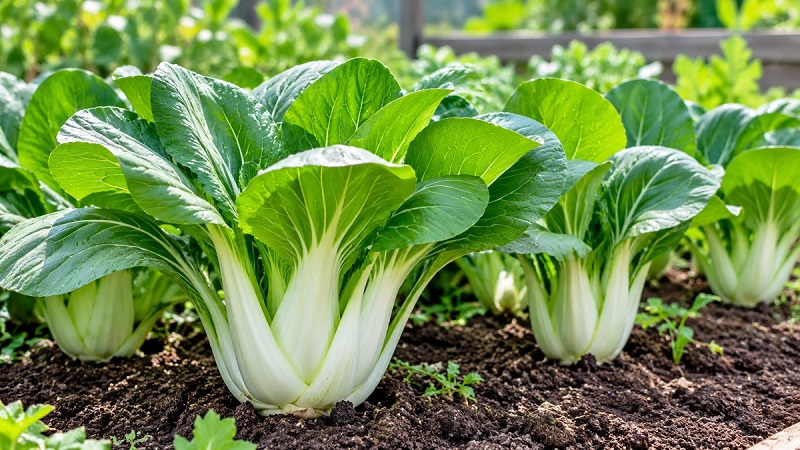
Growing & Caring for Bok Choy
Learn how to grow and care for bok choy, including sunlight, soil, watering, fertilizing, spacing, pests, harvesting, containers, and bolting prevention.
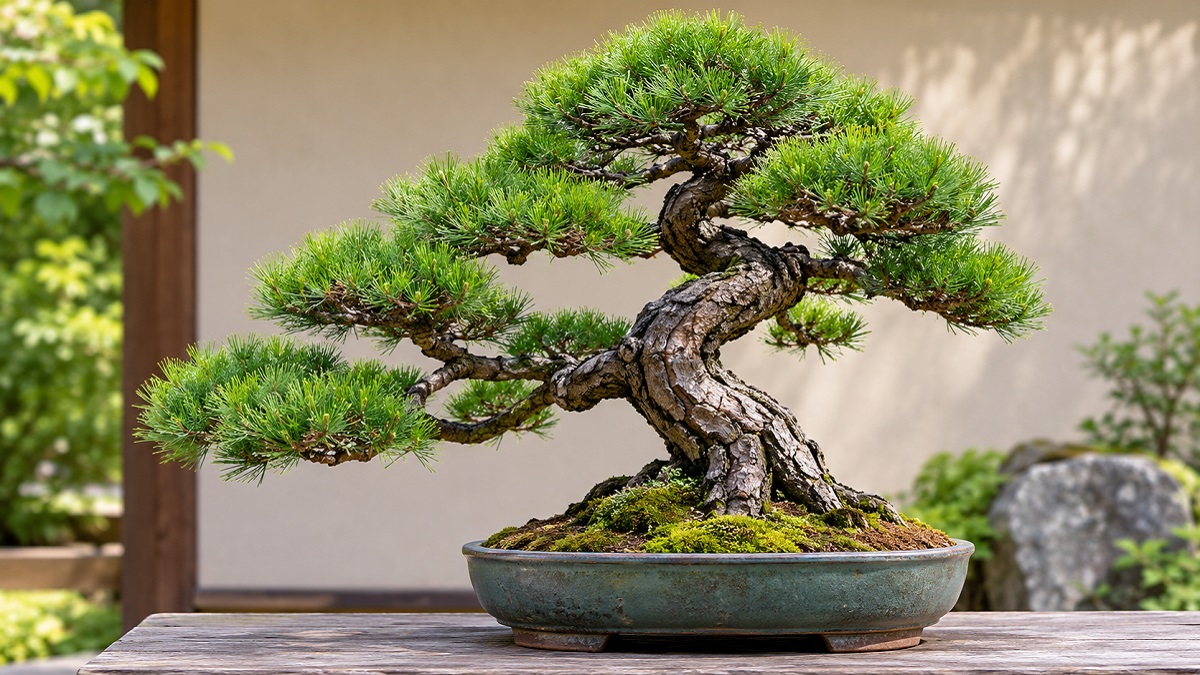
A pine bonsai brings the character of an old woodland tree into a compact, carefully shaped form. Its rugged bark, clusters of slender needles and sculptural branches make it one of the most recognizable styles of bonsai. With the right care, a pine can develop a strong trunk, balanced foliage pads and the weathered appearance that makes mature bonsai so appealing.
Growing a healthy pine bonsai involves more than trimming its branches to keep it small. These trees need abundant outdoor sunlight, a well-aerated growing medium, careful watering and pruning that follows their natural growth cycle. They are generally not suitable as permanent indoor plants, and some techniques used on one pine species can weaken another.
Whether you are starting with a young nursery tree or maintaining an established specimen, this guide explains how to choose a suitable pine, provide the right growing conditions, manage seasonal growth and avoid common care mistakes.
Best growing environment: Outdoors, with plenty of sunlight and excellent drainage.
Pine bonsai is the art of growing and training trees belonging to the genus Pinus in containers. Rather than being a naturally miniature tree, a bonsai is maintained through careful root management, selective pruning, branch training and an appropriate growing environment.
Pine trees are evergreen conifers. Their foliage consists of needles arranged in bundles, and many species develop attractive bark as they mature. Depending on the species, needles may be short or long, soft or stiff, and deep green, blue-green or slightly yellowish green.
A successful pine bonsai should look like a mature tree in miniature. Its trunk should provide visual strength, the main branches should have a convincing arrangement, and the foliage should appear balanced rather than clipped into an artificial shape.
Pine bonsai is especially rewarding for gardeners who enjoy observing seasonal changes. Spring candles extend, needles mature through the growing season, and buds develop for the following year. Understanding these stages helps you make better decisions about pruning and feeding.
Not all pines grow in the same way. Some tolerate intensive techniques used to control vigorous shoots, while others respond better to lighter pruning. Before buying a tree, identify its species or cultivar and learn its particular growth pattern.
Japanese black pine is a classic bonsai species valued for its rugged appearance, strong trunk development and relatively stiff, dark green needles. Its vigorous growth can make it suitable for a variety of traditional bonsai styles.
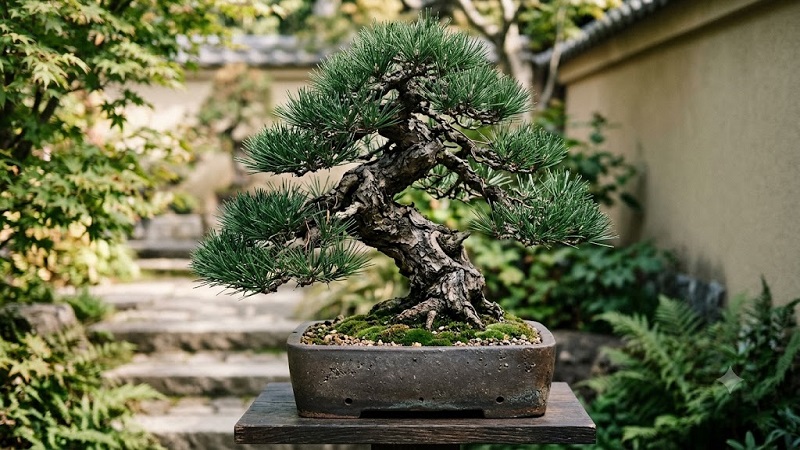
This species generally prefers full sun and excellent drainage. Candle management and other specialized techniques may be used on healthy, established trees, but the timing depends on climate, vigor and the tree's development stage.
Japanese white pine is appreciated for its often softer-looking, blue-green foliage and refined appearance. Many cultivated specimens are grafted onto more vigorous rootstock. It can be an excellent choice for detailed bonsai work, although its pruning requirements differ from those of Japanese black pine.
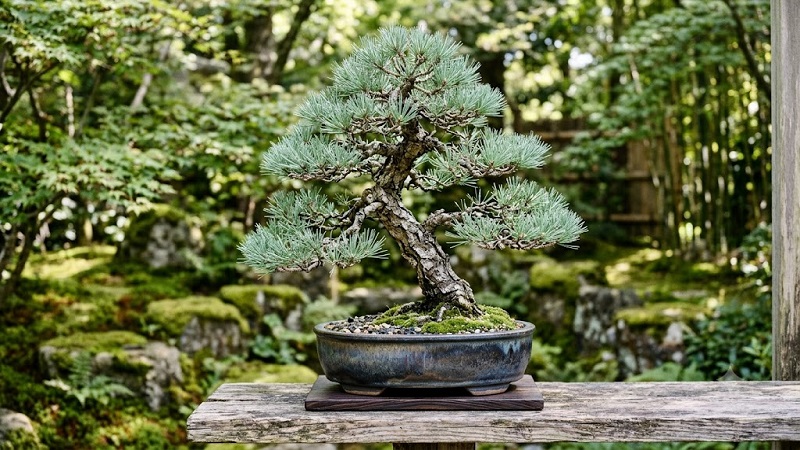
Avoid automatically applying black pine decandling techniques to white pine. White pine generally responds better to species-appropriate candle management and careful preservation of healthy buds.
Mugo pine is a compact, often shrubby species that can work well for smaller bonsai designs. Its natural growth habit and short-needled forms are useful when creating a dense, mature-looking tree.
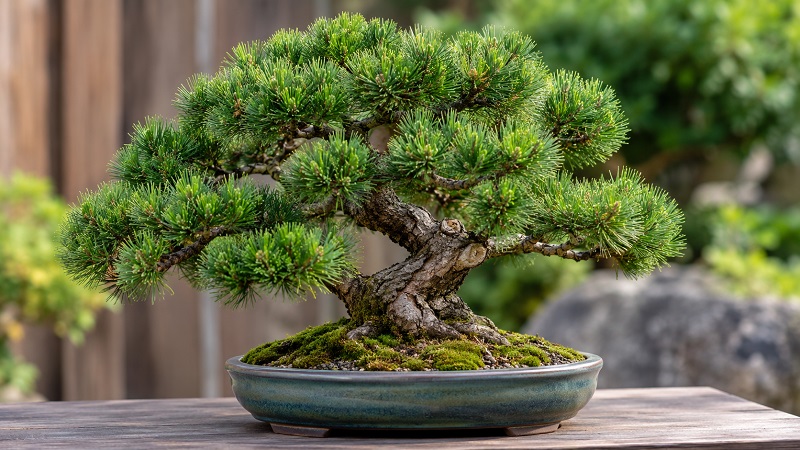
Cultivars vary considerably in vigor. Choose material with healthy roots and useful branch placement, and adjust pruning to the individual plant rather than relying on a fixed schedule.
Scots pine is known for its attractive bark, which may become orange-brown toward the upper trunk, and its distinctive blue-green needles. It is used for informal upright, windswept and other naturalistic designs.
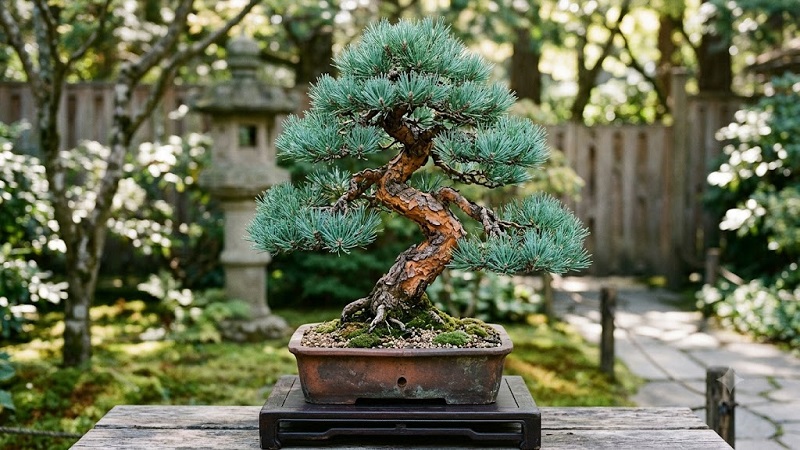
Provide strong light and good airflow. Like other pines, Scots pine needs careful attention to watering and should not be kept in persistently wet soil.
Eastern white pine has relatively soft, slender needles that can create a delicate appearance. It generally needs more restrained techniques than vigorous black pine and may be less suitable for styles requiring repeated heavy pruning.
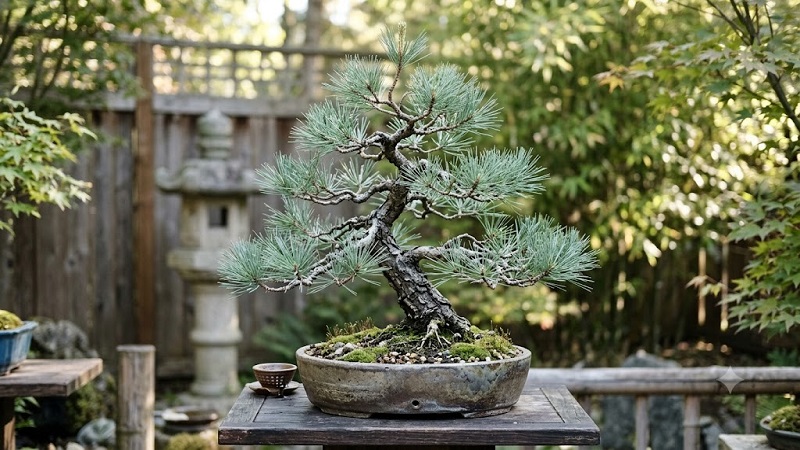
| Species | Notable Features | Care Consideration |
|---|---|---|
| Japanese black pine | Dark, stiff needles and rugged bark | Vigorous growth; advanced candle techniques may be suitable |
| Japanese white pine | Often blue-green, softer-looking needles | Use restrained, species-specific pruning |
| Mugo pine | Compact or shrubby growth habit | Growth varies by cultivar |
| Scots pine | Distinctive bark and blue-green foliage | Needs good light and careful moisture management |
| Eastern white pine | Long, fine needles in bundles of five | Avoid aggressive pruning and unsuitable decandling |
These are general species comparisons, not interchangeable care instructions. A locally adapted species or a healthy specimen from a reputable bonsai nursery is often a better starting point than a tree selected for appearance alone.
Use the following table as a practical reference for common pine bonsai requirements. The figures are starting points for cultivation, not rigid rules for every species or climate.
| Characteristic | General Details |
|---|---|
| Common name | Pine bonsai |
| Botanical genus | Pinus |
| Plant family | Pinaceae |
| Plant group | Evergreen coniferous tree |
| Growth habit | Woody tree trained to a miniature form |
| Typical bonsai size | Approximately 10–60 cm for many small to medium specimens; larger styles are possible |
| Sunlight | Full outdoor sun, commonly 6–8 or more hours where appropriate |
| Temperature | Depends on species; temperate pines need seasonal outdoor conditions and winter dormancy |
| Water requirement | Water thoroughly when needed; avoid both prolonged dryness and waterlogging |
| Soil type | Coarse, airy and fast-draining bonsai substrate |
| Soil pH | Slightly acidic to near-neutral is a reasonable starting range for many species; adjust to the species and water quality |
| Fertilizer | Balanced bonsai fertilizer during active growth, adjusted to tree vigor and species |
| Pruning season | Depends on species, shoot development and climate; structural pruning and candle work require different timing |
| Repotting | Often in early spring before vigorous growth, with species-specific exceptions |
| Propagation | Seeds, grafting and selected nursery propagation methods |
| Difficulty level | Moderate to challenging, especially when using advanced needle and candle techniques |
| Primary use | Outdoor bonsai, specimen display and traditional tree-form compositions |
Location is one of the most important factors in pine bonsai care. These trees need enough space around their foliage for air circulation, and the pot must be positioned where water can drain freely. An outdoor bench or sturdy slatted stand is often more suitable than a sheltered indoor shelf.
Place the bonsai where it receives ample natural light throughout the day. Avoid locations immediately beside hot walls, reflective glass or surfaces that become excessively hot in summer. Small pots heat up and dry out faster than garden soil, so root-zone temperature deserves attention.
Strong winds can dry the growing medium rapidly and may damage branches or dislodge a shallow pot. Provide protection from severe, drying winds without enclosing the tree in stagnant air.
Most commonly cultivated pine bonsai perform best in full outdoor sun. Strong light supports healthy needle development and helps maintain compact growth. Inadequate light can produce elongated shoots, sparse interior foliage and the gradual loss of shaded branches.
If your tree has been growing in shade, increase its exposure gradually instead of moving it straight into intense midday sunlight. This is particularly important for recently purchased nursery plants and bonsai that have spent time under shade cloth.
Pine species differ in their tolerance of heat, cold and humidity. Many temperate species require a genuine winter rest and should not be maintained as tropical houseplants. Others tolerate warmer conditions better, but still need species-appropriate light and root care.
In hot summers, check whether the tree needs temporary protection from the harshest afternoon heat. The objective is to keep the foliage adequately illuminated while preventing the shallow pot from overheating. Avoid using deep shade as a permanent response to heat stress.
Hardy pines generally need a seasonal period of dormancy. Protect the root ball from severe freezing and drying winds when necessary, especially because roots in shallow containers are more exposed than roots in the ground.
Do not bring a temperate pine into a heated room for the entire winter. If protection is needed, a cold frame, unheated sheltered structure or other cool outdoor arrangement is usually more appropriate, depending on the species and local temperatures.
Watering a pine bonsai requires observation rather than a fixed calendar. A shallow pot holds a limited amount of growing medium, and wind, sunlight, humidity, pot size and season all affect how quickly it dries.
Check the surface and the moisture within the root zone regularly. When the substrate is approaching the appropriate drying point for your species, water thoroughly until excess water flows freely from the drainage holes. Do not simply sprinkle the surface and leave the lower roots dry.
In hot weather, a small bonsai may need watering once or even more than once in a day. During cool or dormant periods, the interval can be much longer. These are possibilities, not schedules: inspect the soil before watering again.
Allowing the root ball to dry completely: Extended dryness can damage fine roots and cause needle discoloration or branch dieback. Pine needles may not show obvious distress until damage is already significant.
Keeping the soil constantly saturated: Persistent waterlogging deprives roots of oxygen and encourages root decline. If the substrate stays wet for an unusually long time, investigate drainage, compaction and the condition of the roots instead of adding more water.
Misting the foliage is not a substitute for watering the root zone. Good airflow and clean growing conditions are more useful than relying on frequent misting to solve a humidity problem.
Pine bonsai needs a growing medium that holds enough moisture for the roots while allowing excess water and air to move through the pot. Ordinary garden soil is often too dense for a shallow bonsai container, particularly where heavy rain or frequent watering is common.
Suitable bonsai mixes may contain akadama, pumice, lava rock or other stable mineral particles. Some mixes also incorporate a modest amount of suitable organic material, depending on the species, climate and watering routine.
Particle size should suit the container and the tree's root system. Fine particles can fill air spaces and slow drainage, while an excessively coarse mix may dry too rapidly in a small pot or hot environment.
| Component | Purpose |
|---|---|
| Akadama | Provides structure and holds some water and nutrients |
| Pumice | Helps maintain air spaces and drainage while retaining some moisture |
| Lava rock | Adds a durable, porous mineral component |
| Suitable organic material | Can improve moisture retention when needed in the local climate |
There is no single mix that is ideal for every pine bonsai. In a rainy climate, a more open substrate may be useful. In a very hot, dry environment, the mix may need to retain somewhat more moisture without becoming waterlogged.
A bonsai pot should have adequate drainage holes and enough room for the roots to develop. Shallow ceramic pots are traditional for finished specimens, but developing trees may need deeper training containers to build a stronger root system and trunk.
Secure the tree properly in its pot, particularly after repotting. Movement can damage newly forming roots and slow recovery. The container should support healthy growth before decorative appearance becomes the priority.
Fertilizer supports root development, shoot growth and the formation of healthy buds. Because a bonsai grows in a limited volume of soil, nutrients are gradually used or washed out. Regular feeding during active growth can help maintain vigor, provided the tree is otherwise healthy.
Use a balanced bonsai fertilizer or another suitable complete fertilizer according to its label. Organic pellets and liquid fertilizers are both used by bonsai growers. Choose a product and application rate that suit the tree's species, development stage and growing conditions.
Avoid excessive nitrogen when trying to maintain refined foliage. Heavy feeding can encourage overly vigorous growth, but deliberately starving a pine to produce shorter needles is risky. Needle size is also affected by genetics, light, water management and the tree's overall vigor.
Never apply concentrated fertilizer to severely dry or damaged roots. If a tree looks weak, identify the underlying problem before increasing the fertilizer dose.
Pruning gives pine bonsai their characteristic shape while balancing the distribution of growth throughout the tree. However, pines do not respond exactly like deciduous bonsai or many broadleaf evergreens. Their growth points and buds must be understood before making substantial cuts.
Structural pruning establishes the trunk line and main branches. It is best planned carefully, often over several growing seasons, rather than completed in one aggressive session.
Remove dead or damaged growth when appropriate, and assess each living branch before shortening it. Many pines do not reliably produce new shoots from completely bare, old wood. A large cut made without suitable living buds or foliage nearby may leave a permanent gap.
Pine candles are the elongated shoots that emerge from buds during active growth. As they develop, they produce new needles and extend the branch. Their length and vigor provide useful information about the tree's condition.
Candle management varies by species. Vigorous Japanese black pine may tolerate specialized techniques designed to encourage a second flush of growth under suitable conditions. Japanese white pine, Scots pine and other species should not automatically receive the same treatment.
If you are new to pine bonsai, learn to identify the species and observe the growth cycle before attempting advanced techniques. Incorrectly timed candle removal can reduce vigor, damage branch structure or cause the loss of important growth points.
Older needles naturally turn yellow or brown and drop as part of normal foliage renewal. This should be distinguished from widespread discoloration, which can indicate watering problems, root damage, pests or disease.
Selective removal of old needles may help improve airflow and light penetration, but avoid stripping healthy foliage indiscriminately. Interior branches need enough living needles and suitable buds to remain viable.
The outer and upper portions of a pine often grow more vigorously than shaded interior branches. Regular observation helps you direct energy where it is needed, maintain the desired silhouette and avoid losing weaker branches through excessive shading.
Wiring allows a bonsai grower to position branches and create a convincing mature-tree silhouette. Copper or aluminum bonsai wire can be used, depending on the species, branch thickness and technique.
Apply wire carefully, avoiding damage to the bark and needles. Bend branches gradually and support them where necessary. Old or thick branches may be brittle, so forcing a branch into position can cause a split that is difficult to repair.
Wiring is not a one-time task. Some branches settle into position quickly, while others need repeated training over several seasons. On a healthy tree, shaping should complement the natural branching pattern rather than impose an unrealistic design.
Repotting refreshes the growing medium, improves root-zone conditions and allows the tree to remain in a suitably sized container. It is also one of the more stressful bonsai maintenance tasks, so timing and restraint are essential.
Many temperate pines are repotted in early spring, shortly before the main period of new growth. The ideal timing varies with species, local climate, tree vigor and the condition of the roots. Follow a species-specific schedule rather than repotting simply because a certain number of years has passed.
A young tree developing its trunk may need a different container and repotting approach from a mature tree undergoing refinement. Check whether the substrate has broken down, drainage has deteriorated or the roots have filled the available space.
Avoid combining major root reduction with severe pruning unless you have a well-founded species-specific reason. Removing too much foliage and too many roots at once can leave the tree unable to recover.
Pine bonsai can be started from seed or developed from suitable nursery material. Grafting is also used for selected species and cultivars. Each method has different advantages, and the best choice depends on how quickly you want to develop a tree and whether you need to preserve a particular cultivar.
Seed propagation allows you to guide the tree's development from an early stage. However, seedlings take time to develop substantial trunks and mature branching, and they may not reproduce the exact characteristics of a named cultivar.
Use fresh, correctly identified seed and follow the germination and pretreatment requirements for that species. Provide suitable light, moisture and airflow after germination, and avoid keeping seedlings permanently waterlogged.
Nursery-grown pines can be a practical starting point for beginners. Select a healthy tree with a strong base, a trunk line that interests you and branches that offer several design possibilities.
Allow time for the tree to establish before undertaking substantial root work or major styling. A promising trunk is useful, but healthy roots and sufficient foliage are essential to long-term success.
Grafting can introduce desirable foliage or other characteristics onto compatible rootstock. It requires knowledge of species compatibility, timing and aftercare, making it a technique better suited to growers with some experience.
Growing pine bonsai from cuttings is generally less dependable than propagation methods used for many other woody ornamental plants. Do not assume that every pine species will root successfully from ordinary stem cuttings.
Pine bonsai care changes through the year. The following calendar describes common tasks for temperate pine species. Adapt it to your local climate and the actual development stage of your tree.
| Season | Main Tasks | What to Watch |
|---|---|---|
| Spring | Observe bud development, assess repotting needs and resume feeding when appropriate. | Rapidly extending candles, changing moisture requirements and possible pests. |
| Summer | Monitor watering closely, maintain airflow and perform only suitable species-specific pruning. | Heat stress, dry root balls, overheating pots and strong winds. |
| Autumn | Adjust feeding as growth slows and prepare the tree for its normal dormant period. | Seasonal needle shedding, developing buds and severe weather. |
| Winter | Maintain appropriate outdoor dormancy and protect the pot when required by the climate. | Frozen root balls, drying winds, prolonged wetness and accidental indoor overheating. |
In tropical and subtropical parts of India, calendar months may not match the growth cycle described in guides written for cooler regions. Observe candle development, local temperatures and the species' natural requirements before scheduling repotting or pruning.
Pine needles can reveal changes in plant health, but symptoms should always be interpreted in context. Some older-needle shedding is normal, while widespread discoloration or sudden branch death deserves closer investigation.
| Problem | Possible Cause | What to Do |
|---|---|---|
| Yellowing older needles | Normal needle renewal, nutrient imbalance or root stress | Check which needles are affected, inspect soil moisture and review the recent care routine. |
| Widespread brown needles | Severe dryness, root damage, heat stress or disease | Inspect the root zone and growing conditions; avoid assuming that extra fertilizer will solve the problem. |
| Long, sparse shoots | Insufficient light or excessive vigor | Review sunlight and feeding, then adjust growth management gradually. |
| Soft or persistently wet soil | Poor drainage, compacted substrate or excessive watering | Check drainage holes and root health; repot only when appropriate. |
| Drying branch tips | Water stress, damaged roots, pests or disease | Examine the affected branch and neighboring foliage, then identify the underlying cause. |
| Fine webbing and stippled needles | Possible spider mites | Inspect the undersides of needles and treat with a suitable product if the pest is confirmed. |
| Sticky residue or fixed scale-like insects | Possible scale insects or other sap-feeding pests | Inspect twigs and needles closely and use a treatment appropriate for the identified pest. |
| Sudden decline after repotting | Excessive root disturbance, unsuitable timing or poor aftercare | Stabilize growing conditions, avoid additional major work and monitor moisture carefully. |
Good light, suitable watering and adequate airflow help maintain a healthy growing environment. Inspect new plants before placing them beside an established collection, and examine the foliage regularly for unusual spots, webbing, scale insects or other signs of trouble.
Remove dead material when appropriate and keep drainage holes clear. If a problem spreads rapidly or affects several branches, seek a reliable diagnosis before applying pesticides or fungicides. Treatment should match the actual problem and follow the product label.
Pine bonsai rewards patience. Instead of trying to create a finished miniature tree in one season, concentrate on keeping the plant vigorous and making a few well-considered decisions at a time.
A healthy tree should always take priority over a particular shape or styling technique. Allowing a pine to recover, strengthen its roots or develop new buds may be more valuable than completing another round of pruning.
Most traditional pine bonsai are outdoor trees. They need abundant natural sunlight, fresh air and seasonal conditions that a typical indoor room cannot provide. Brief indoor display may be possible, but it should not replace normal outdoor cultivation.
Most pine bonsai prefer full outdoor sun, often around 6–8 or more hours when conditions are suitable. Acclimate shaded plants gradually, and adjust exposure where extreme heat could overheat the shallow pot.
There is no universal watering interval. Check the growing medium regularly and water thoroughly when it reaches the appropriate drying point for your species. Small pots may dry rapidly in hot or windy weather, while cool conditions can slow moisture loss.
A healthy, established pine suited to your local climate is generally the best starting point. Japanese black pine is a classic bonsai species, but its advanced pruning techniques require study. A beginner may find it easier to learn with a vigorous nursery specimen and guidance from an experienced local grower.
Possible causes include prolonged dryness, waterlogged roots, overheating, pests and disease. Some older needles also turn brown and fall naturally. Check whether the discoloration affects only older interior needles or extends to new growth and entire branches.
Timing depends on the species and the type of pruning. Structural pruning, candle management and selective needle removal are different tasks. Identify your pine and learn its growth cycle before using advanced techniques such as decandling.
It depends on the pine species, elevation and local climate. Some pines are better adapted to cooler or temperate conditions and may struggle in hot, humid lowland regions. Choose suitable material from a reputable nursery and provide the light, root temperatures and seasonal conditions it requires.
Developing a convincing bonsai can take several years, while building a thick trunk and mature branching may take much longer. Starting with established nursery material can shorten the initial development period, but refinement still requires patience and ongoing care.
Repotting frequency depends on species, age, root growth and substrate condition. Check drainage and root development rather than following a rigid interval. Many temperate pines are repotted in early spring before vigorous growth, but the correct timing varies.
Interior branches may decline when they receive insufficient light, but root stress, pests and disease can also cause dieback. Maintain adequate light penetration and investigate the cause before removing branches that might still be alive.
Growing and caring for pine bonsai is a long-term gardening practice that combines horticultural knowledge with thoughtful design. The most important foundations are an appropriate outdoor location, abundant light, well-drained soil, careful watering and an understanding of how your particular pine produces new growth.
Begin with a healthy tree, learn its natural growth cycle and avoid rushing into heavy pruning or root work. With consistent observation and well-timed maintenance, a pine bonsai can develop the balanced branches, textured bark and distinctive character that make these miniature trees so rewarding.
Continue exploring our gardening guides with more plant profiles, growing tips, and practical advice for creating a healthy, productive garden.