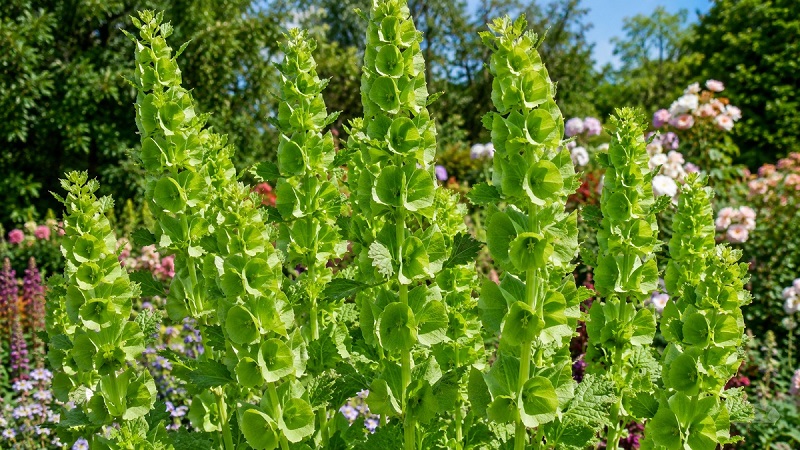
Growing & Caring for Bells of Ireland (Moluccella laevis)
Learn how to grow and care for Bells of Ireland (Moluccella laevis). Discover planting, germination, soil, watering, harvesting, and expert growing tips.
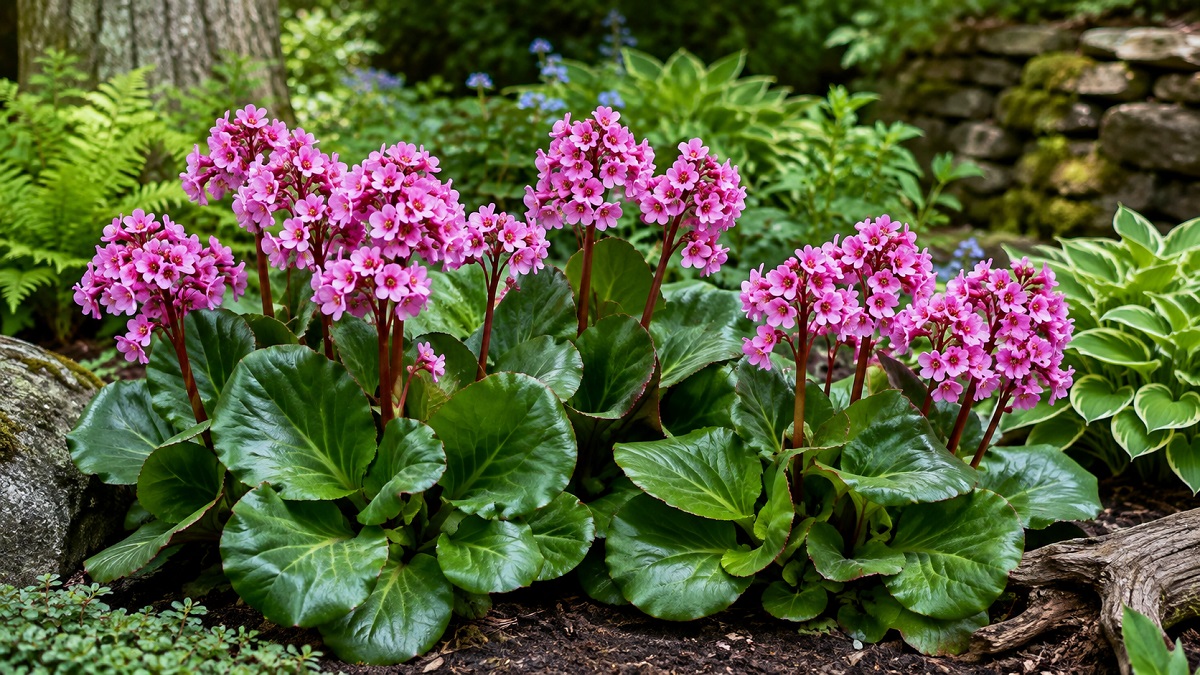
If you have been searching for a resilient, architectural, and breathtakingly versatile perennial for your garden, look no further than Bergenia. Often affectionately referred to as Pigsqueak due to the distinctive squeaking sound produced when you rub its thick, leathery leaves between your fingers, this plant is an absolute workhorse in the landscape. Originating from the rocky, central Asian woods and mountain slopes, Bergenia brings structural elegance, vibrant spring blooms, and extraordinary winter foliage color to regions ranging from USDA Hardiness Zones 3 through 9.
Bergenia belongs to the Saxifragaceae family and comprises roughly ten recognized species. The most famous cultivated species is Bergenia cordifolia (Heartleaf Bergenia), along with various hybrids derived from Bergenia crassifolia and Bergenia purpurascens. What sets Bergenia apart from almost every other shade-loving perennial is its magnificent evergreen foliage. The leaves are broad, cabbagelike, glossy, and thick, growing up to 10 to 12 inches wide and forming dense rosettes that remain attractive throughout all four seasons.
During late winter and early spring, sturdy red or green stalks emerge from the center of the leafy clumps, bearing clusters of bell-shaped or cup-shaped blooms in shades of magenta, deep pink, soft blush, or pure white. These early blooms provide vital nectar for emerging native pollinators when little else is flowering in the garden.
As autumn arrives and temperatures drop, Bergenia undergoes a dramatic transformation. The green chlorophyll recedes, revealing deep pigments of bronze, burgundy, plum, and fiery ruby red. This winter foliage stays rich and colorful throughout cold snowy months, adding life and texture to otherwise dormant garden beds.
Breeding efforts over recent decades have dramatically improved Bergenia cultivars. Today’s selections feature richer flower colors, more compact growth habits, disease resistance, and exceptionally vibrant winter foliage. Below is a comprehensive comparison of the best cultivars available to home gardeners:
| Cultivar Name | Flower Color | Winter Foliage Color | Height / Spread | Notable Feature |
|---|---|---|---|---|
| B. cordifolia 'Winterglut' (Winter Glow) | Deep Magenta Red | Rich Ruby Bronze | 16" / 18" | Stunning rich winter color and reliably profuse early spring blooms. |
| B. 'Bressingham Ruby' | Deep Rose Pink | Dark Maroon & Crimson | 14" / 18" | Extremely dark, lustrous foliage that turns almost black-red in winter. |
| B. 'Dragonfly Angel Kiss' | White to Soft Pink | Deep Purple Plum | 10" / 12" | Compact habit, ideal for small borders or container growing. |
| B. 'Eroica' (Eroica Bergenia) | Vibrant Deep Pink | Copper & Purple | 18" / 24" | Bold upright flower spikes and exceptionally large, glossy leaves. |
| B. 'Tubby Andrews' | Magenta Pink | Variegated Cream & Crimson | 12" / 15" | Rare variegated variety featuring yellow and green splashed foliage. |
Succeeding with Bergenia begins with proper placement and ground preparation. While these plants are known for surviving neglect, giving them optimal conditions will reward you with lush, robust foliage and an abundance of brilliant spring flowers.
Bergenia is remarkably adaptable regarding light. It thrives in partial shade—specifically spots receiving dappled light beneath open tree canopies or morning sun with afternoon protection. In cooler northern climates (USDA Zones 3–6), Bergenia can happily tolerate full sun provided the soil remains consistently moist. However, in hot southern summer zones (USDA Zones 7–9), afternoon sun will scorch the broad leaf margins, turning them brown and crisp. In hot regions, plant Bergenia in deep shade or northern exposures.
The ideal soil for Bergenia is rich in organic matter, moist, humus-heavy, yet well-draining. While Bergenia tolerates heavy clay better than many perennials, soil that stays waterlogged during cold winter months can lead to root rot. If your soil consists of dense, slow-draining clay, amend the planting area liberally with compost, aged leaf mold, or well-rotted manure to improve aeration and drainage structure.
Bergenia prefers a neutral to slightly acidic soil pH ranging between 6.0 and 7.0.
Once established, Bergenia requires minimal intervention. Following a basic seasonal care routine ensures your plants remain healthy and vibrant year after year.
Bergenia requires consistent moisture, especially during its active spring growing season and hot summer periods. Aim for approximately 1 inch of water per week through rain or manual watering. Check plants growing in full sun or Sandy soils frequently; if the leaves begin to droop or turn crisp at the edges, increase watering frequency. Once established, Bergenia possesses moderate drought tolerance, but prolonged dry spells will cause leaves to stunt and drop.
Bergenia is a modest feeder. Excessive nitrogen fertilizer leads to overly lush, soft green leaf growth at the expense of spring flowering and winter leaf color intensity.
Apply a top-dressing of well-rotted organic compost around the root zone each spring. Alternatively, apply a balanced, slow-release granular fertilizer (such as 10-10-10) in early spring just as new green growth begins to push up from the center rhizomes.
Pruning Bergenia is straightforward and mainly involves cleaning up winter-damaged foliage:
Over time (typically every 3 to 5 years), Bergenia clumps become dense, and the central stems (rhizomes) grow woody, leggy, and bare. When this happens, flowering decreases and the plant's vigor slows. Dividing the plant revitalizes the mother clump and gives you free new plants for other garden areas.
The absolute best time to divide Bergenia is in early autumn or spring immediately after flowering concludes. Autumn division gives new rhizomes time to develop roots before winter freezing occurs.
Follow these steps to successfully multiply your Bergenia stock:
Bergenia is legendary for its hardiness and overall pest resistance, but it is not completely immune to problems. Knowing what to look out for allows you to intervene early.
Vine weevils represent the single most serious threat to Bergenia plants. Adult beetles chew characteristic semi-circular notches along the margins of the broad leaves. While adult leaf damage is primarily cosmetic, their subterranean white grubs feed aggressively on the plant’s fleshy roots and underground rhizomes, causing entire plants to suddenly wilt and die.
Solution: Apply beneficial parasitic nematodes (Heterorhabditis bacteriophora) to moist soil in late spring or late summer to target larvae naturally. Alternatively, pick off adult beetles by hand at night using a flashlight.
In damp, shady gardens, slugs and snails love hiding beneath the broad leaves of Bergenia and chewing irregular holes in tender new spring growth.
Solution: Clear away fallen leaves beneath the plant canopy to eliminate hiding spots. Apply organic iron-phosphate slug bait around the base of plants early in the spring season.
In hot, humid climates with poor air circulation, dark brown or purple spots may develop on leaves.
Solution: Water at the soil level using drip irrigation rather than overhead sprinklers. Space plants 18-24 inches apart to promote good airflow, and remove infected leaves promptly.
Because Bergenia brings strong texture, bold foliage, and solid ground coverage, it pairs exceptionally well with fine-textured, delicate shade plants. Creating visual contrasts in foliage shape and texture will turn an ordinary garden bed into a professional design display.
Browse through our collection of comprehensive plant profiles to find the perfect additions to your sunny landscape borders and native meadows.