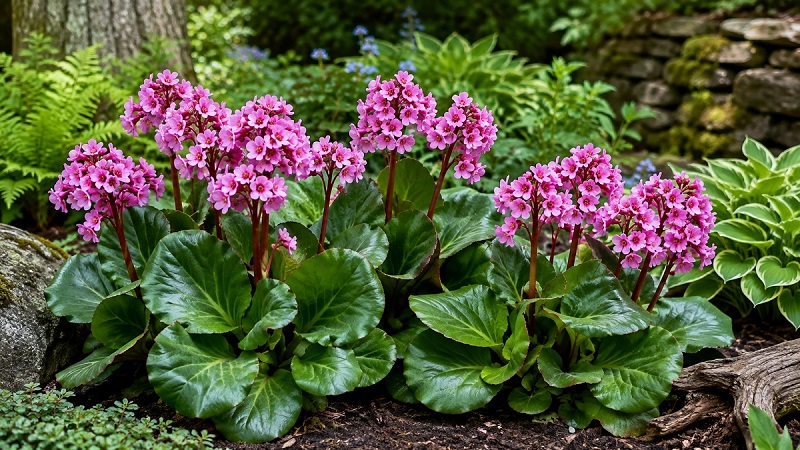
Growing & Caring for Bergenia
Learn how to grow and care for Bergenia (Pigsqueak). Discover the best soil, sunlight, watering, pruning, propagation, companion plants, and tips for healthy blooms and evergreen foliage.
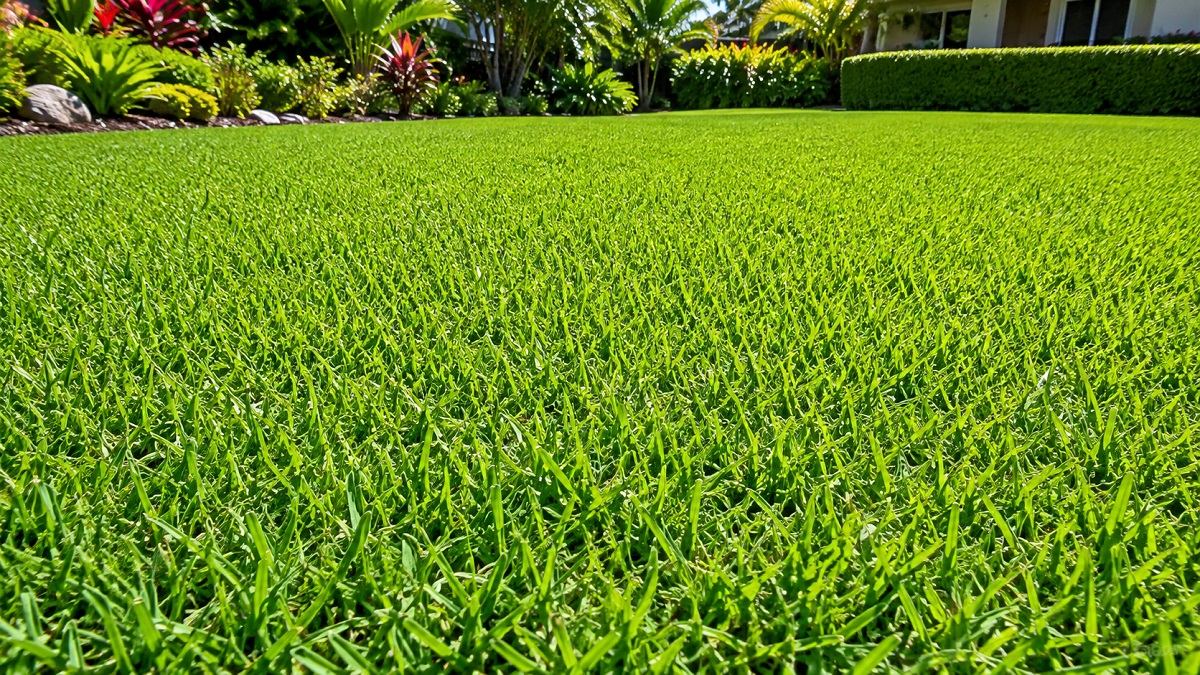
If you are dreaming of a lush, emerald-green carpet for a lawn that can handle foot traffic, scorching summer heat, and endless backyard barbeques, Bermuda grass (Cynodon dactylon) might just be your best match. Known as the workhorse of warm-season turfs, Bermuda grass is famous for its incredible durability, dense growth habit, and rapid recovery rate. It’s no coincidence that golf courses, sports arenas, and parks across warm regions rely heavily on this tough-as-nails turfgrass species.
However, achieving that golf-course-quality look in your front yard requires understanding what makes Bermuda grass tick. Its aggressive growth habit means it will thrive under the right conditions, but it can quickly get away from you—or turn invasive in garden beds—if left unmanaged. In this comprehensive guide, we'll walk through every step of growing, establishing, and maintaining a thriving Bermuda lawn all year long.
Bermuda grass is a perennial warm-season turfgrass native to tropical and subtropical climates worldwide. It thrives in southern regions where summers are long, hot, and bright. Unlike cool-season grasses like Kentucky Bluegrass or Fine Fescue, Bermuda grass enters dormancy and turns brown during winter frost, only to spring back into vibrant green action when temperatures warm up above 75°F (24°C) in spring.
What makes Bermuda grass virtually indestructible is its dual-spread growth strategy. It spreads through both rhizomes (underground stems) and stolons (above-ground runners). This aggressive network allows the lawn to self-repair rapidly when damaged by heavy foot traffic or pet activity, locking out weeds and creating a thick, firm turf surface.
Selecting the right variety depends on whether you plan to plant from seed, sod, or plugs, as well as your local climate conditions:
| Variety Type | Popular Cultivars | Establishment Method | Best Features |
|---|---|---|---|
| Common Bermuda | Blackjack, Yukon, Princess 77 | Seed | Cost-effective, good drought tolerance, easy repairs. |
| Hybrid Bermuda | Tifway 419, Celebration, TifTuf | Sod / Plugs (Sterile) | Ultra-dense foliage, deep green color, extreme traffic resistance. |
| Cold-Tolerant Hybrids | Latitude 36, NorthBridge | Sod | Bred specifically for transition zones with harsh winters. |
Starting a Bermuda lawn can be done via seeding, sodding, or planting sprigs/plugs. Sod provides an instantaneous green lawn, while seeding is far more economical for large spaces.
Installing sod is the fastest and most reliable way to establish Hybrid Bermuda turf. Prepare the ground by clearing all vegetation, tilling the top 4 to 6 inches, leveling the terrain, and rolling it smooth. Lay the sod blocks tightly together in a staggered brick-like pattern, ensuring the edges are firmly pressed against each other without overlapping. Water deeply immediately after installation and keep the top inch of soil consistently moist for the first two weeks until the roots anchor down.
If seeding Common Bermuda, wait until late spring or early summer when daily soil temperatures consistently exceed 65°F (18°C).
While Bermuda grass is famous for its drought survival capabilities, staying dormant during extended dry spells, keeping it vibrant green requires consistent, smart watering practices.
Deep and Infrequent Watering: Instead of light daily squirts, supply your lawn with 1 inch to 1.25 inches of water per week, applied in one or two deep watering sessions. Deep watering encourages roots to burrow down deep into the soil (sometimes up to 4–6 feet!), creating a resilient, naturally drought-resistant root system.
Best Time to Water: Always water early in the morning, between 4:00 AM and 9:00 AM. This gives moisture time to soak deep into the root zone before heat evaporates it, while allowing the leaf blades to dry rapidly in the sun, preventing fungal diseases.
Bermuda grass is a heavy feeder. To maintain that rich, vibrant emerald hue and rapid recovery capability, it requires high nitrogen levels throughout its active spring and summer growing period.
Always use a high-nitrogen lawn fertilizer with a balanced ratio, such as 16-4-8 or 24-0-11. Apply approximately 0.5 to 1 pound of actual Nitrogen per 1,000 square feet for every month of active growth.
| Season Phase | Timing Window | Target Fertilizer Type | Primary Purpose |
|---|---|---|---|
| Spring Green-Up | After final frost (Lawn is 50%+ green) | Balanced Starter / Nitrogen Rich | Jumpstart active growth & root revival. |
| Mid-Summer Boost | June / July (Peak heat) | Slow-Release High-Nitrogen | Sustain color and repair summer wear. |
| Early Autumn Prep | 6–8 Weeks before first expected frost | High Potassium (Low/Zero Nitrogen) | Strengthen root systems for winter dormancy. |
Mowing plays a central role in maintaining lawn quality. Because Bermuda grass grows horizontally via stolons, frequent mowing forces the plant to spread out rather than up, creating a thick, weed-suppressing carpet.
Never cut off more than one-third of the total grass blade height in a single mowing session. Taking off too much at once stresses the plant, turns the lawn scalp-brown, and exposes the root zone to solar heat.
Keep your Bermuda grass mowed between 1.0 and 2.0 inches tall. Hybrid varieties can easily be maintained under 1 inch using a reel mower, whereas standard rotary mowers perform best in the 1.5 to 2.0-inch range. Ensure your mower blades are sharpened frequently—dull blades shred the foliage edges, giving the lawn a dry, tan appearance and leaving it vulnerable to infections.
A healthy, thick Bermuda lawn naturally chokes out most weed invaders, but seasonal pre-emergent treatments guarantee a pristine appearance year-round.
Prevention is far easier than cure! Apply a pre-emergent herbicide in early spring (when soil temperatures touch 55°F / 13°C) to stop crabgrass and summer annual weeds before they sprout. A second application in early autumn prevents winter weeds like Poa Annua (Annual Bluegrass) and henbit from taking over while the Bermuda lawn goes dormant.
Keep an eye out for armyworms, grubs, and Bermuda grass mites. Large brown patches appearing during humid summer spells may indicate dollar spot or brown patch fungal outbreaks, which can be mitigated by cutting back on late-evening waterings and applying targeted fungicides when necessary.
Follow this handy calendar plan to keep your lawn thriving through every season:
Browse through our collection of comprehensive plant profiles to find the perfect additions to your sunny landscape borders and native meadows.