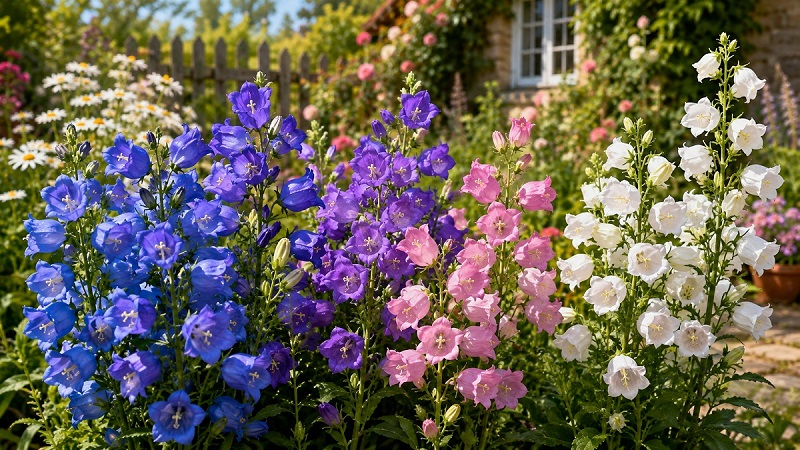
Growing & Caring for Bellflowers (Campanula)
Learn how to grow and care for bellflowers (Campanula). Discover planting, sunlight, watering, soil, fertilizing, pruning, propagation, common pests, and expert tips for beautiful blooms.
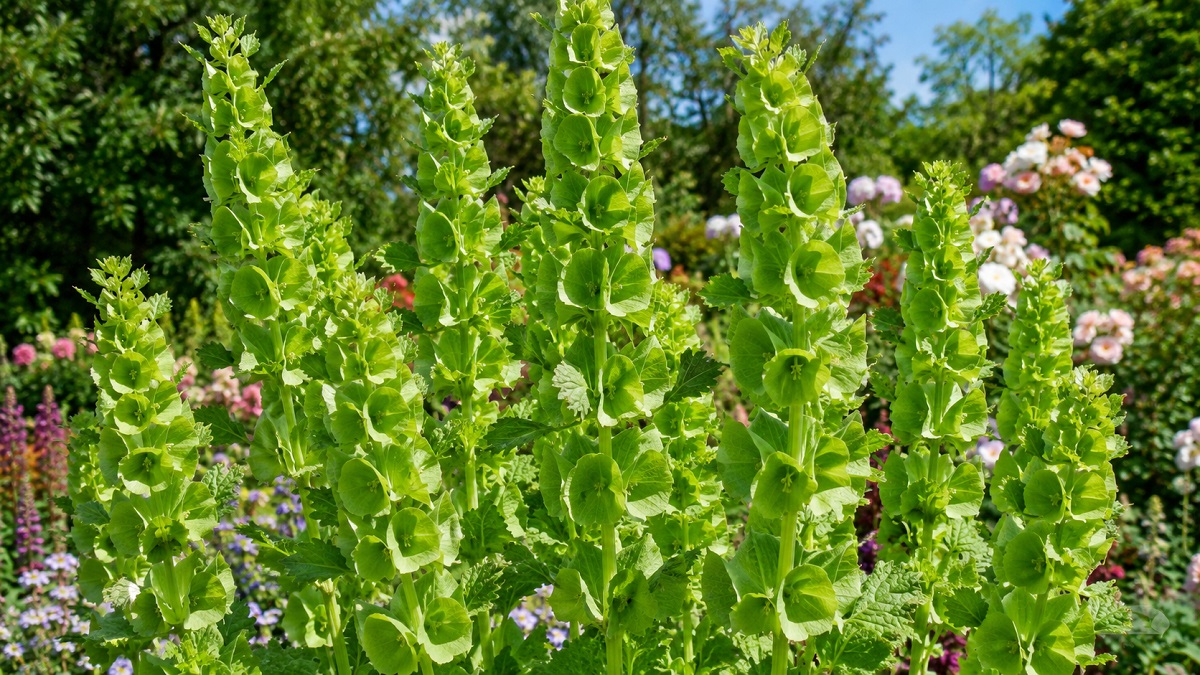
Few plants in the ornamental world carry the distinctive charm, architectural interest, and vibrant chartreuse brilliance of Bells of Ireland (Moluccella laevis). Beloved by floral designers, homesteaders, and cut-flower enthusiasts around the globe, these enchanting plants add an unmatched structural element to both garden borders and fresh floral arrangements. Despite their evocative common name, these iconic green spikes are not native to the Emerald Isle at all; they originate from the sunny, arid regions of the eastern Mediterranean, spanning from Turkey to Syria and Iraq.
If you have ever attempted to grow Bells of Ireland from seed, you might already know that they possess a reputation for being slightly stubborn or erratic during germination. However, once you understand their unique ecological preferences—specifically their requirement for cold stratification, light exposure during sowing, and cool growing conditions—they become a remarkably rewarding crop. In this comprehensive, deep-dive guide, we will unpack every aspect of cultivating Moluccella laevis from seed to vase, ensuring your garden bursts with lush, upright green bells all season long.
Keep these core cultural parameters in mind for growing healthy Moluccella laevis plants.
To successfully care for any botanical specimen, one must first understand its fundamental anatomy. Moluccella laevis belongs to the mint family, Lamiaceae. Like many members of this family, it features square stems, opposing leaves, and a faint, sweet, herbaceous aroma reminiscent of mint or green apple when the foliage is bruised.
The most striking feature of the plant is what most people mistake for its petals. The large, apple-green, cup-shaped "bells" that line the tall central stems are actually expanded calyxes (the sepals of the flower). Tucked deep inside each cup-shaped calyx sits the true flower: a tiny, delicate, white-to-pale-pink blossom with subtle purple flecks. As the season progresses, these tiny inner flowers fade and drop away, while the green, papery calyxes persist for months on end, retaining their vivid color and shape.
Another crucial detail gardener often overlook is the hidden defense mechanism of Bells of Ireland: small, incredibly sharp spines or prickles situated along the stem near the base of each bell. When harvesting or handling mature stalks, wearing protective gardening gloves is highly recommended to prevent uncomfortable pricks.
Starting Bells of Ireland from seed is often considered the trickiest part of the process. If you simply press seeds into warm soil in late spring, you will likely experience poor, spotty germination. Follow these step-by-step methods to guarantee high germination success.
Because Moluccella laevis evolved in regions with cool winter conditions, the seeds respond to temperature shifts. About 3 to 4 weeks before your intended indoor sowing date, prepare your seeds for cold stratification:
Method 1: Dampen a paper towel, fold the seeds inside, slide it into a zip-top bag, and place it in the refrigerator (35°F to 40°F / 2°C to 4°C) for 14 to 21 days.
Method 2: Place the dry seed packet directly into the freezer for 7 to 10 days, followed by 10 days in the refrigerator.
Start seeds indoors 6 to 8 weeks before your local average last spring frost date. Use deep cell trays or soil blocks, as Bells of Ireland dislike root disturbance once established.
1. Fill seed-starting trays with a lightweight, well-draining seed mix.
2. Moisten the medium thoroughly before planting.
3. Place 1 to 2 seeds per cell on the surface. Crucial Note: Bells of Ireland seeds require light to germinate! Press them lightly into the surface of the soil, but do not bury them deeply. A very dust-thin sprinkling of coarse vermiculite can help retain moisture while still admitting ambient light.
4. Maintain soil temperatures around 55°F to 65°F (13°C to 18°C). Avoid using heavy heat mats, as excessive warmth (above 70°F/21°C) can induce seed dormancy.
5. Germination typically occurs within 14 to 28 days. Keep the medium consistently moist using a spray bottle or bottom-watering tray.
In regions with mild winters or cool spring seasons (USDA Zones 7 and above), you can direct-sow seeds straight into the garden. Prepare the bed in late autumn or very early spring while temperatures are still cool. Broadcast seeds over smooth soil, press them firmly down for good soil contact, and allow nature's winter chills to stratify the seeds naturally.
Once seedlings develop 2 to 3 sets of true leaves and spring frosts begin to subside, it is time to transition your young plants into the garden.
Before planting out, harden off young plants over 7 to 10 days. Move trays into a sheltered outdoor location for an hour on the first day, gradually increasing exposure to direct sun, wind, and outdoor temperature fluctuations each day.
Bells of Ireland develop upright, central stalks flanked by secondary branching stems. For high-density cut flower production, space plants approximately 9 to 12 inches apart. If planting in decorative garden borders where you want bushier growth, space them 12 to 15 inches apart.
Because the hollow flower stalks grow tall (24 to 36 inches) and carry heavy foliage, top-heavy plants are prone to falling over or snapping during summer rainstorms and strong winds. Implementing support early in the season is vital:
Horticultural Netting: For dedicated flower beds, lay horizontal layers of grid netting (Hortonova netting) supported by corner stakes at 12 inches and 24 inches above ground level.
Individual Staking: In mixed flower borders, stake single specimens with bamboo canes and soft garden twine as they exceed 18 inches in height.
| Growth Stage | Ideal Temperature | Light Requirement | Watering Needs | Key Tasks |
|---|---|---|---|---|
| Cold Stratification | 35°F – 40°F (2°C – 4°C) | Darkness / Irrelevant | Damp paper towel / media | Refrigerate seeds for 2-3 weeks |
| Germination | 55°F – 65°F (13°C – 18°C) | High (Surface sow) | Consistently moist misting | Keep cool; do not cover seeds deep |
| Seedling / Nursery | 60°F – 68°F (15°C – 20°C) | 14-16 hrs grow lights | Moderate (Allow light dry-out) | Apply half-strength organic fertilizer |
| Mature Garden Plant | 65°F – 80°F (18°C – 27°C) | Full Sun (6+ hrs daily) | 1 inch water per week | Netting support, weed management |
| Harvest Window | Cool early morning | Full Sun | Deep soak day prior | Cut when calyxes are firm & open |
Creating the ideal environment for Moluccella laevis will ensure strong, vibrant green spikes throughout the growing season.
Bells of Ireland thrive best in Full Sun (at least 6 hours of direct, unfiltered sunlight daily). In regions with scorching summer heat (Zone 8b and warmer), plants appreciate partial afternoon shade to prevent heat stress and premature seed setting.
The key to vigorous stem growth is light, nutrient-rich, well-draining soil. These plants despise "wet feet" or heavy clay soils that retain water during cold spells, which leads to root rot.
Soil pH: Aim for a balanced to slightly alkaline pH between 6.5 and 7.5.
Soil Amendments: Work 2 to 3 inches of mature compost, leaf mold, or aged manure into the top 6 to 8 inches of soil prior to planting.
Drainage: If growing in heavy clay, construct raised beds or mix coarse sand and perlite into the planting area.
Provide approximately 1 inch of water per week, adjusting for natural rainfall. Water deeply at the base of the plant using drip irrigation or a soak hose. Avoid overhead watering late in the evening, as wet calyxes invite fungal leaf spots and botrytis blight.
Bells of Ireland are moderate feeders. Over-fertilizing with high-nitrogen fertilizers will result in weak, floppy stems and excessive leafy growth at the expense of crisp, rigid bell spikes. Apply a balanced organic fertilizer (such as 5-5-5) at planting time, followed by a light monthly application of liquid kelp or fish emulsion during early growth.
Whether you are growing these for market bouquets or personal floral arrangements, proper harvest timing and post-harvest handling are crucial for long vase life.
Timing is everything when cutting fresh spikes. If you harvest too early, the soft stem tips will wilt rapidly and droop. If you cut too late, the lower bell calyxes may begin turning brown and setting seeds.
The Ideal Stage: Cut stems when 50% to 70% of the bell-shaped calyxes along the spike have fully opened and feel firm to the touch.
Time of Day: Harvest during cool early morning hours or late evening when stems are fully hydrated.
Technique: Strip away lower leaves along the bottom third of the stem. Wear gloves to protect against stem prickles! Immediately place stems into clean buckets of cool water containing flower food.
Vase Life: Freshly cut stems will easily last 7 to 12 days in a vase if water is changed every two days.
Bells of Ireland dry remarkably well, taking on a vintage, warm straw-to-creamy-ivory shade that adds incredible texture to autumn wreaths and dried floral arrangements.
1. Harvest tall, fully mature stems when calyxes are firm across the entire stalk.
2. Strip off all green leaves, leaving only the stem and green bell calyxes.
3. Bundle 5 to 8 stems together with rubber bands.
4. Hang the bundles upside down in a warm, dark, dry, well-ventilated location (such as an attic, closet, or barn) for 2 to 3 weeks.
5. Once completely dry, store or arrange them out of direct sunlight to prevent yellowing or fragility.
While generally resilient, Bells of Ireland can encounter a few common garden problems. Early identification allows for quick resolution before crops suffer.
Aphids: Small green or black insects often gather on soft tip growth and inside the cup-shaped bells. Treat infestations early by spraying stems with a firm blast of water or applying insecticidal soap.
Spider Mites: During hot, dry summer spells, spider mites can cause stippling on leaves. Maintain adequate humidity around the base of plants and apply neem oil if needed.
Slugs and Snails: Young spring transplants are vulnerable to slug damage. Protect young starts using organic iron phosphate slug bait or diatomaceous earth around bed borders.
Crown & Root Rot: Caused by overly damp soil or poor drainage. Ensure planting beds drain thoroughly and avoid overwatering.
Botrytis / Powdery Mildew: High humidity and overcrowded foliage create conditions for mildew. Space plants adequately for air movement and avoid overhead watering.
Stem Droop / Yellowing: Summer heat spikes above 90°F (32°C) can cause plant collapse. Provide shade cloth during intense heat waves and maintain deep mulch layers to keep root zones cool.
Browse through our collection of comprehensive plant profiles to find the perfect additions to your sunny landscape borders and native meadows.