Cut Flower Gardens: Grow Fresh, Colorful Bouquets Right Outside Your Door
Introduction
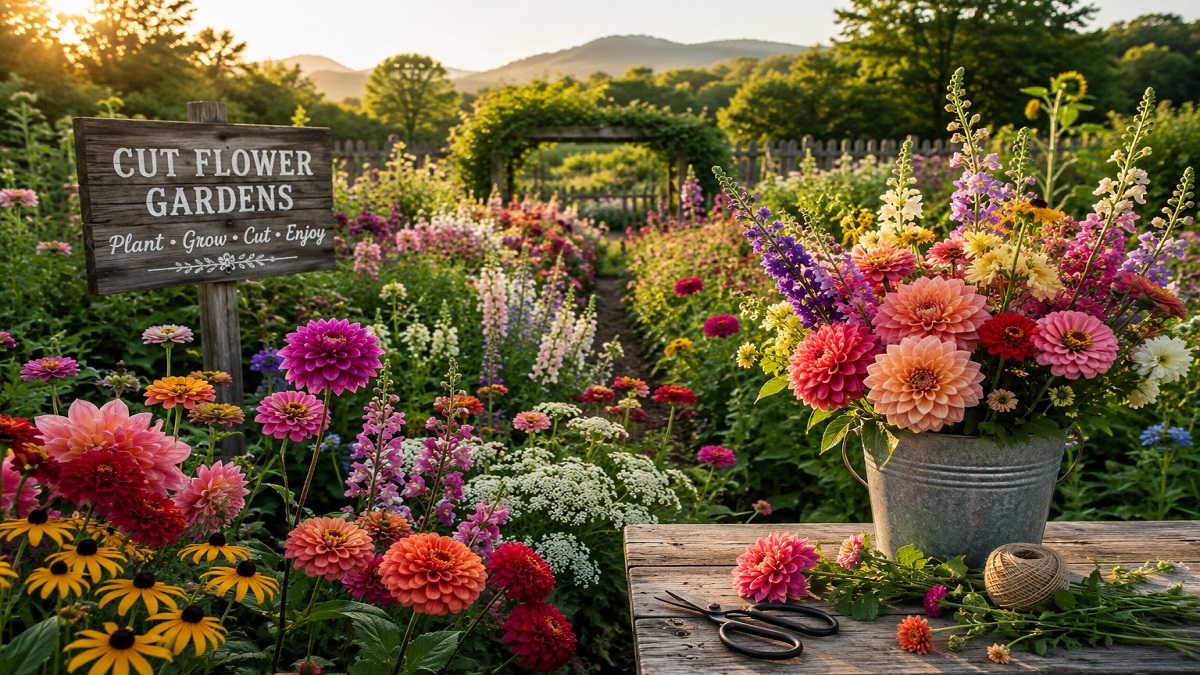
A cut flower garden is one of the most rewarding spaces a gardener can create. Instead of growing flowers solely for landscape beauty, these gardens are designed to provide a continuous supply of fresh blooms that can be harvested and enjoyed indoors. Whether you love arranging elegant bouquets, decorating your home with seasonal flowers, or sharing blossoms with friends and family, a well-planned cut flower garden delivers beauty both outdoors and inside your home.
Unlike ornamental flower beds where picking flowers may leave empty spaces, a dedicated cutting garden encourages regular harvesting. In fact, many flowering plants respond by producing even more blossoms after stems are cut correctly. This creates an ongoing cycle of flowering that lasts from spring until frost in many climates.
The best cut flower gardens combine annual flowers, perennials, bulbs, ornamental grasses, and foliage plants. Mixing different bloom shapes, colors, and flowering times ensures there is always something attractive ready to harvest. Gardeners often include fragrant flowers as well, adding another layer of enjoyment to freshly arranged bouquets.
Whether you have a large backyard, raised beds, or a compact urban space, you can adapt the principles of a cutting garden to almost any environment. Careful planning and thoughtful plant selection make it possible to harvest beautiful flowers for months while maintaining a healthy and productive garden.
Benefits of Growing a Cut Flower Garden
Growing flowers specifically for cutting offers many advantages beyond simply having beautiful bouquets indoors. These gardens provide excellent value by producing dozens or even hundreds of flowers from a relatively small planting area.
Fresh Flowers Anytime
Instead of purchasing bouquets every week, you can simply step outside and harvest freshly opened blooms whenever needed. Morning-picked flowers are especially vibrant and often last longer in vases than commercially shipped flowers.
Lower Floral Costs
A single packet of seeds can produce dozens of flowering plants. Over one growing season, these plants may provide hundreds of stems for arrangements, weddings, celebrations, and gifts while costing far less than store-bought flowers.
Supports Pollinators
Many popular cutting flowers also attract bees, butterflies, hoverflies, and other beneficial insects. During the day they support pollinators, while selected blooms can still be harvested for indoor enjoyment.
Encourages Continuous Blooming
Many annual flowers naturally produce more blossoms when harvested regularly. Removing mature flowers prevents seed production and encourages plants to direct their energy toward producing additional stems.
Creative Expression
Arranging homegrown flowers is both relaxing and creative. You can experiment with seasonal color combinations, unique foliage, dried seed heads, and fragrant herbs to create personalized bouquets throughout the year.
Planning Your Cut Flower Garden
Good planning lays the foundation for a productive flower garden. Rather than planting randomly, consider bloom times, plant height, color palettes, harvesting access, and available sunlight before purchasing seeds or plants.
Choose a Sunny Location
Most flowering plants perform best with six to eight hours of direct sunlight every day. Sunlight promotes stronger stems, abundant blooms, and healthier foliage. Areas with poor sunlight often produce weak stems that are less suitable for floral arrangements.
Provide Rich Soil
Healthy soil supports vigorous plants capable of producing long-lasting flowers. Work compost into garden beds before planting to improve drainage, moisture retention, and nutrient availability. A balanced organic fertilizer applied during the growing season also encourages steady flowering.
Keep Harvesting Easy
Arrange beds so every plant is easy to reach without stepping on the soil. Narrow beds with accessible walking paths make harvesting comfortable while protecting plant roots from unnecessary compaction.
Group Plants by Height
Place taller flowers near the back or center of beds, medium-height flowers in the middle, and shorter varieties near the edges. This arrangement improves sunlight exposure while making harvesting more efficient.
Essential Features of a Successful Cutting Garden
Unlike decorative borders, cutting gardens prioritize productivity. Their layout focuses on growing strong stems and maximizing flower production rather than formal landscape design.
- Wide planting beds with easy access from both sides.
- Consistent irrigation throughout the growing season.
- Rich organic soil with excellent drainage.
- Support systems for tall flowering plants.
- Space for succession planting.
- Room for companion flowers and attractive foliage.
- Mulch to conserve moisture and suppress weeds.
Many gardeners also install drip irrigation systems that deliver water directly to plant roots while keeping foliage dry. This reduces disease pressure and saves water during hot weather.
Best Flowers for Cut Flower Gardens
Selecting flowers with long stems, extended vase life, and repeat blooming habits ensures a steady supply of beautiful arrangements. Mixing annuals and perennials extends the harvest season from early spring through autumn.
| Flower | Bloom Season | Average Vase Life |
|---|---|---|
| Zinnia | Summer–Fall | 7–10 days |
| Cosmos | Summer–Fall | 7 days |
| Sunflower | Summer | 6–12 days |
| Snapdragon | Spring–Summer | 8–12 days |
| Dahlia | Summer–Autumn | 5–7 days |
| Lisianthus | Summer | 10–15 days |
| Celosia | Summer–Fall | 10–14 days |
Combining these dependable flowers with attractive foliage plants creates bouquets that appear professionally designed while offering excellent variety throughout the season.
Planting for Continuous Blooms
One of the secrets behind a productive cut flower garden is succession planting. Instead of sowing every seed at once, gardeners stagger planting dates every two to three weeks. This ensures fresh flowers continue replacing older plants as the season progresses.
Fast-growing annual flowers such as zinnias, cosmos, bachelor buttons, and sunflowers respond particularly well to succession sowing. While one planting reaches peak bloom, younger seedlings are already preparing to flower, preventing gaps in production.
Mix early-season flowers with midsummer bloomers and late-season favorites to maintain constant color. Including flowering bulbs for spring and chrysanthemums for autumn further extends the harvesting season.
Proper planning allows many gardeners to enjoy fresh bouquets for five to seven months each year, depending on local climate and frost dates.
Preparing the Soil for Healthy Flower Production
Healthy soil is the foundation of every successful cut flower garden. Flowers grown in fertile, well-drained soil produce stronger stems, larger blooms, and longer vase life than plants struggling in poor conditions. Before planting, loosen the soil to a depth of at least 8 to 12 inches and incorporate generous amounts of compost or well-rotted organic matter.
Organic matter improves soil structure while increasing moisture retention in sandy soils and enhancing drainage in heavier clay soils. It also encourages beneficial microorganisms that help release nutrients naturally throughout the growing season.
Test Your Soil
A simple soil test reveals nutrient levels and pH, allowing you to correct deficiencies before planting. Most flowering plants grow best in slightly acidic to neutral soil with a pH between 6.0 and 7.0.
Feed Regularly
Heavy-flowering annuals benefit from light applications of balanced fertilizer every three to four weeks. Excessive nitrogen should be avoided because it encourages leafy growth at the expense of flowers.
Watering Your Cut Flower Garden
Consistent watering is essential for producing healthy flowers with long, sturdy stems. Plants that experience repeated cycles of drought and heavy watering often develop weaker stems and fewer blooms.
Provide approximately one inch of water each week through rainfall or irrigation. During periods of extreme heat, additional watering may be necessary, especially for newly established plants.
Best Watering Practices
- Water early in the morning.
- Apply water directly to the soil rather than wetting foliage.
- Use drip irrigation or soaker hoses whenever possible.
- Mulch around plants to reduce evaporation.
- Avoid shallow daily watering.
Deep watering encourages stronger root systems that improve drought tolerance and overall plant health.
Supporting Tall Flowers
Many popular cut flowers produce long stems that can bend or break under the weight of large blossoms or strong winds. Providing support early in the growing season keeps stems straight and attractive for floral arrangements.
Support Options
- Horizontal flower support netting.
- Bamboo stakes.
- Metal plant supports.
- Twine stretched between stakes.
- Decorative cages for individual plants.
Install supports before plants become too tall. Waiting until stems begin leaning often causes unnecessary damage during installation.
Harvesting Flowers Correctly
Harvesting at the proper stage greatly improves vase life. Each flower species has its own ideal cutting stage, but many flowers last longest when harvested just before they fully open.
Best Time to Harvest
Early morning is generally the ideal time because plants are fully hydrated after cooler nighttime temperatures. Evening harvesting is another good option during hot summer weather.
Use Sharp Tools
Always cut stems with clean, sharp pruning shears or floral snips. Crushing stems with dull tools restricts water movement and shortens flower longevity.
Immediate Care
Place harvested stems directly into clean buckets filled with cool water. Keep them in a shaded location until arrangements are prepared.
Creating Beautiful Bouquets
One advantage of growing a cutting garden is having access to flowers, foliage, grasses, and seed heads that complement one another naturally. Mixing different textures creates arrangements that look balanced and professionally designed.
Include Foliage
Greenery provides structure while highlighting colorful blossoms. Popular choices include eucalyptus, mint, basil, ornamental grasses, dusty miller, and flowering herbs.
Use Different Flower Shapes
- Large focal flowers.
- Spiky flowers for height.
- Round filler blooms.
- Airy accent flowers.
- Trailing greenery.
Combining multiple flower forms gives bouquets movement, texture, and visual interest.
Seasonal Care Throughout the Year
Spring
Prepare beds, improve soil, sow cool-season flowers, divide established perennials, and install irrigation systems before temperatures rise.
Summer
Harvest flowers regularly, deadhead spent blooms, fertilize lightly, monitor pests, and water consistently during dry periods.
Autumn
Continue harvesting until frost, collect seeds from favorite varieties, divide perennials where needed, and remove diseased plant material.
Winter
Review garden performance, order seeds, sharpen tools, clean supports, and begin planning next year's planting schedule.
Common Problems and Solutions
| Problem | Likely Cause | Solution |
|---|---|---|
| Short stems | Insufficient sunlight | Move plants to a sunnier location |
| Few flowers | Too much nitrogen | Use balanced fertilizer |
| Wilting blooms | Inconsistent watering | Water deeply each week |
| Bent stems | No support provided | Install stakes or netting |
| Powdery mildew | Poor air circulation | Increase spacing and avoid overhead watering |
| Poor vase life | Harvested too late | Cut flowers earlier in bloom stage |
Helpful Tips for Greater Flower Production
- Harvest flowers frequently to stimulate additional blooms.
- Plant new annual flowers every few weeks for succession blooming.
- Remove faded flowers before they produce seeds.
- Label flower varieties to evaluate performance each season.
- Grow extra plants specifically for cutting.
- Include flowering herbs to attract beneficial insects.
- Rotate annual flower locations each year when possible.
- Keep harvesting buckets clean to reduce bacterial growth.
- Replace old mulch annually with fresh organic material.
- Record bloom dates and harvest yields in a gardening journal.
With thoughtful planning and regular maintenance, a cut flower garden becomes increasingly productive each year. Even a relatively small growing space can provide an impressive supply of flowers for home decorating, gifts, and special occasions throughout the growing season.