Biennial Plants Guide: Growing, Care & Popular Varieties
Learn how to grow biennial plants with this complete guide. Discover their two-year life cycle, planting, vernalization, care, overwintering, and the best biennial flowers for your garden.
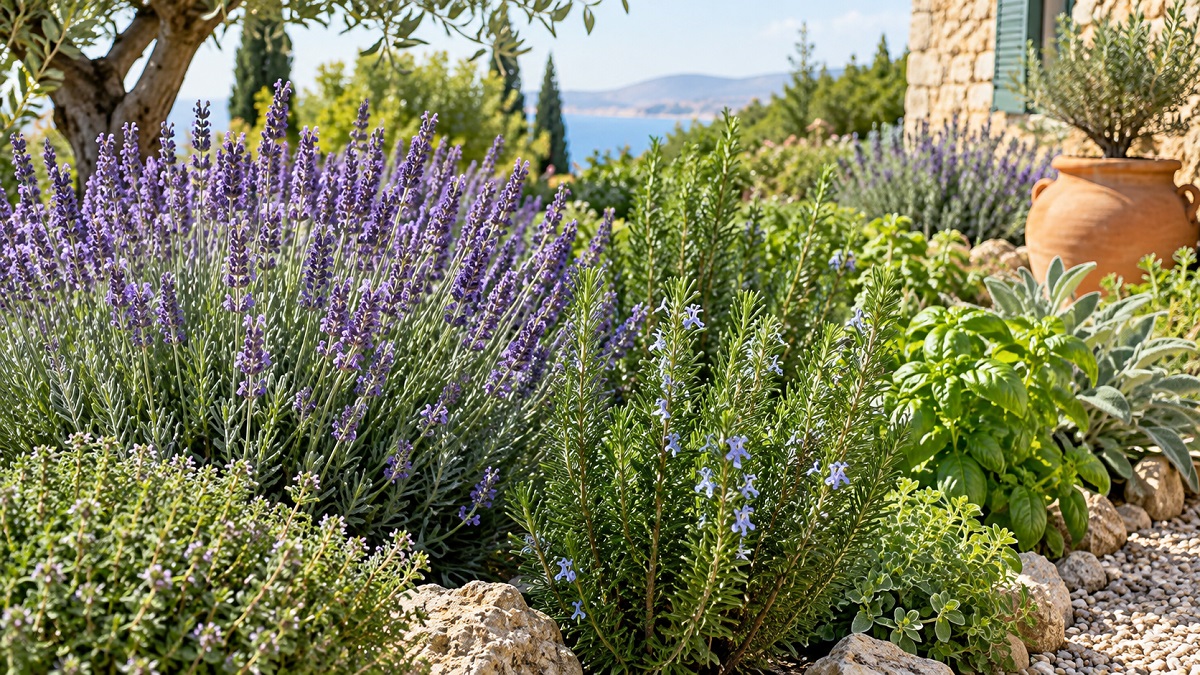
Mediterranean plants bring a relaxed, sun-loving character to the garden. Many of the plants associated with the region, including lavender, rosemary, thyme, sage, oregano, olive, bay, and rockrose, have adapted to bright sunlight, relatively dry conditions, and soils that drain quickly. Once established, they can often cope with periods of limited rainfall, but that does not mean they should simply be planted and forgotten.
The key to caring for Mediterranean plants is to recreate the conditions they are naturally suited to rather than treating them like thirsty woodland or tropical plants. Plenty of sunlight, good air circulation, gritty or well-drained soil, careful watering, and restrained feeding usually produce healthier growth than frequent irrigation and rich, constantly moist soil.
“Mediterranean plants” is a broad group rather than a single plant type. Lavender, rosemary, olive, bay, sage, and other species can have different requirements for cold tolerance, watering, soil, and pruning. Use the guidance below as a general starting point and adjust care to the needs of the individual species.
Most Mediterranean plants prefer sun, drainage, and moderate watering rather than constantly moist conditions.
Mediterranean plants come from regions where summers are commonly hot and relatively dry, while much of the annual rainfall occurs during the cooler months. This seasonal pattern has influenced the way many of these plants grow.
Their leaves may be small, narrow, leathery, waxy, or covered with fine hairs. These features can help reduce moisture loss. Aromatic herbs such as rosemary, thyme, lavender, and sage are familiar examples. Other garden plants, including olive trees, cistus, santolina, and some euphorbias, show similar adaptations.
Not every plant sold as a Mediterranean plant has exactly the same requirements. Hardiness, moisture tolerance, and soil preferences vary considerably. Use the natural habitat of a particular species as a useful guide, but also take your local climate into account.
Sunlight is one of the most important factors when growing Mediterranean plants. A position receiving around six or more hours of direct sun is suitable for many species, although individual plants differ in their tolerance.
Choose an open position where plants receive strong morning and afternoon light. A south- or west-facing area can work particularly well in many gardens, provided the plant is appropriate for the local climate.
Good air movement is useful too. Crowded planting can keep leaves damp for longer after rain or irrigation and may increase the likelihood of fungal problems. Give mature plants enough room to develop rather than filling every gap when they are young.
Extremely hot climates can create a slightly different situation. Newly planted Mediterranean species may still need temporary protection from intense afternoon heat until their roots become established. A plant adapted to a dry Mediterranean summer is not necessarily immune to transplant stress.
Watch the foliage during periods of extreme heat. Wilted leaves, scorched edges, or sudden discoloration can indicate that a recently planted specimen needs additional attention even if an established plant nearby is coping well.
Poor drainage is one of the most common reasons Mediterranean plants struggle. Roots that remain surrounded by water for extended periods can suffer from oxygen deprivation and root diseases.
The ideal soil depends on the plant, but many Mediterranean herbs and shrubs perform well in loose soil containing mineral material such as coarse sand, gravel, or grit. The goal is not simply to make soil dry; it is to allow excess water to move away while still retaining enough moisture for healthy roots.
If your garden has dense clay, improve the planting area before installing plants that dislike wet conditions. Incorporating suitable organic matter can improve soil structure, while coarse mineral material and raised planting areas can help in situations where drainage is particularly poor.
Avoid creating a small pocket of extremely loose soil inside heavy clay and assuming the problem is solved. Water can collect around that amended pocket if the surrounding ground drains slowly. In very wet sites, a raised bed or another drainage solution may be more effective.
After heavy rain or irrigation, observe how quickly excess water disappears from the planting area. If the surface remains saturated for a long period, choose a better-drained location or improve the structure and drainage before planting moisture-sensitive Mediterranean species.
Mediterranean plants are often described as drought tolerant, but that description is easiest to misunderstand when applied to newly planted specimens. Young plants need regular moisture while their root systems become established.
During the first growing season, water deeply enough to moisten the root zone, then allow the upper layer of soil to dry before watering again when conditions permit. The exact interval depends on temperature, rainfall, soil type, container size, and the plant itself.
Once established, many Mediterranean plants can tolerate longer periods between watering. Instead of following a rigid calendar, check the soil and consider recent weather. A mature rosemary plant growing in free-draining ground may need very different treatment from a container-grown bay tree during a hot spell.
Water slowly and thoroughly rather than repeatedly wetting only the surface. Deep watering encourages roots to explore a larger volume of soil, while constant shallow irrigation can keep plants dependent on frequent watering.
Mediterranean herbs and shrubs generally do not require heavily fertilized soil. In fact, excessive feeding can produce soft, lush growth that is less in keeping with the compact growth habit many gardeners want from these plants.
A light application of a balanced fertilizer during active growth may be appropriate when plants are growing in poor soil or containers. Follow the product directions rather than assuming that more fertilizer will produce better plants.
Avoid repeatedly applying high-nitrogen fertilizer simply to encourage rapid leaf production. For aromatic herbs, excessive fertility can also produce a less compact plant that requires more pruning.
Mulch can be useful around Mediterranean plants, but the material and placement matter. A thin layer of gravel, grit, or another suitable mineral mulch can complement a dry-garden planting style while reducing soil splash and helping the surface dry between watering.
Organic mulch can also be beneficial in some situations, particularly where it improves soil structure or helps newly planted specimens retain moisture. However, avoid piling any mulch directly against stems or woody trunks.
The most important point is that mulch should not be used to compensate for fundamentally poor drainage. If water cannot leave the root zone, changing the surface covering will not solve the underlying problem.
Pruning requirements vary widely among Mediterranean plants. Many woody herbs respond well to regular light trimming, while others can be damaged by cutting too deeply into old, leafless wood.
Remove dead, damaged, or crossing branches first. For plants such as lavender and some compact shrubs, pruning after flowering can help maintain a tidy form, but the correct timing depends on the species and local growing season.
It can be tempting to cut an overgrown Mediterranean shrub back severely. This is not always successful. Some woody plants have limited ability to regenerate from old bare stems. When shaping established specimens, modest pruning performed regularly is often safer than waiting until a plant becomes badly overgrown.
Containers are particularly useful for gardeners who want to grow Mediterranean plants in climates where winter temperatures or excessive rainfall make outdoor planting difficult.
Choose a container with drainage holes and use a free-draining potting mix suited to the plant. Avoid placing a small container inside a decorative outer pot where water can collect unnoticed at the bottom.
Potted plants usually dry out faster than plants growing in the ground. Check the moisture level regularly, especially during hot weather. At the same time, do not water automatically every day simply because the plant is in a container.
Allow excess water to drain freely. Empty standing water from saucers when appropriate so that roots are not left sitting in saturated conditions.
Repot when the plant has outgrown its container, roots have become severely crowded, or the growing medium has broken down and no longer drains properly. Moving into a slightly larger pot is generally preferable to putting a small plant into an excessively large container.
Winter hardiness varies considerably among Mediterranean plants. A species that survives cool winters in one region may need protection in another. Before planting a tender species permanently outdoors, check its cold tolerance against your local conditions.
Container plants are often more vulnerable because their roots have less insulation than plants growing in the ground. During periods of severe cold, move suitable containers to a sheltered location such as a protected porch, greenhouse, or cool bright space.
Do not respond to winter cold by keeping the soil constantly wet. Cool, wet conditions can be particularly troublesome for plants that naturally grow in dry, well-drained habitats.
In borderline climates, planting against a warm wall, using a sheltered position, and protecting vulnerable plants during unusually cold weather can reduce winter damage. Avoid wrapping plants permanently when conditions do not require it, because poor ventilation can create other problems.
Most problems can be traced back to a mismatch between the plant's needs and its growing conditions. Before reaching for a treatment, look at the planting site, soil, watering pattern, sunlight, and recent weather.
Yellow foliage can have several causes. Waterlogged soil is an important possibility, especially when yellowing is accompanied by poor growth or soft stems. Nutrient deficiencies, natural aging, root damage, and environmental stress can also produce similar symptoms.
Persistent moisture around the roots is a major concern for plants adapted to free-draining soils. Improve drainage and adjust watering before assuming that the plant needs more fertilizer or another treatment.
Long, weak, widely spaced growth can occur when a sun-loving plant is grown in insufficient light. Moving it to a brighter location, when practical, can encourage a more compact habit.
Aphids, scale insects, spider mites, and other pests can occasionally affect Mediterranean plants. Inspect the undersides of leaves and young shoots regularly. Small infestations can sometimes be managed by washing pests away with water or using an appropriate garden-safe treatment according to its label.
Encourage beneficial insects by growing a diverse range of flowering plants and avoiding unnecessary broad-spectrum pesticide use.
The following table provides a general starting point for several familiar Mediterranean plants. Individual cultivars and local growing conditions can differ.
| Plant | Light | Soil | Watering | Typical Care |
|---|---|---|---|---|
| Lavender | Full sun | Well-drained, lean soil | Moderate while establishing | Light pruning and good airflow |
| Rosemary | Full sun | Well-drained soil | Allow soil to dry between watering | Avoid waterlogged roots |
| Thyme | Full sun | Gritty, well-drained soil | Low to moderate once established | Light trimming keeps growth compact |
| Sage | Full sun | Well-drained soil | Moderate during establishment | Avoid excessive moisture |
| Oregano | Full sun | Light, well-drained soil | Moderate while young | Trim regularly to encourage fresh growth |
| Olive | Full sun | Deep, well-drained soil | Regular when young; less once established | Protect young plants from severe cold |
| Bay | Sun to partial shade | Well-drained soil | Moderate | Prune to maintain desired shape |
| Santolina | Full sun | Dry, well-drained soil | Low once established | Trim after flowering to maintain form |
You do not need a large garden to create a Mediterranean-inspired planting area. Start by choosing the sunniest practical position and selecting plants that can tolerate your local winter conditions.
Combine different forms rather than planting everything at the same height. Upright herbs and shrubs can provide structure, while low-growing thyme and other spreading plants can fill spaces near paths or the front of borders.
Gravel, stone, terracotta containers, and simple hard landscaping can reinforce the dry-garden appearance. However, the planting should still be designed around real growing conditions rather than appearance alone.
The most successful Mediterranean-style gardens are usually the ones where plants with similar needs are grouped together. This makes watering easier and reduces the temptation to overwater drought-tolerant species simply because they share a border with thirstier plants.
| Season | Main Tasks |
|---|---|
| Spring | Check winter damage, refresh mulch, begin feeding if needed, and gradually increase watering as growth resumes. |
| Summer | Monitor newly planted specimens, water deeply during prolonged dry periods, remove damaged growth, and maintain airflow. |
| Autumn | Reduce unnecessary watering as temperatures fall, clean up damaged foliage, and prepare tender plants for colder weather. |
| Winter | Protect vulnerable plants from severe frost, keep containers from sitting in water, and avoid unnecessary feeding. |
Many Mediterranean plants prefer full sun and grow best when they receive several hours of direct light each day. However, requirements vary by species, so check the needs of the individual plant before choosing a location.
Newly planted specimens generally need more regular watering while their roots establish. Established plants often prefer deeper watering followed by a period in which the soil can dry, although the correct schedule depends on the plant, soil, temperature, and rainfall.
Some can tolerate clay, but plants that are sensitive to wet roots may struggle if the soil drains poorly. Improve soil structure and drainage, or use raised planting areas where necessary.
Many need only modest feeding. If plants are growing well, heavy fertilization is usually unnecessary. Container plants or specimens growing in poor soil may benefit from an appropriate fertilizer during active growth.
Yellow leaves can result from excessive moisture, root problems, nutrient deficiencies, natural aging, or environmental stress. Check the soil moisture and drainage first, particularly if the plant prefers dry conditions.
Some are quite cold tolerant, while others need protection from frost. Winter survival depends on the plant's hardiness as well as local temperature, exposure, soil moisture, and whether it is growing in the ground or a container.
Many established Mediterranean plants tolerate dry conditions well. Drought tolerance does not mean they need no water, particularly during establishment, prolonged extreme heat, or unusually dry weather.
Caring for Mediterranean plants becomes much easier when the planting site matches their natural preferences. Give them plenty of light, provide reliable drainage, and avoid keeping the root zone constantly wet.
Pay particular attention during the establishment period. Once roots have developed, many species become considerably more tolerant of dry weather. Regular observation is more useful than following a fixed watering schedule because garden conditions change throughout the year.
If a plant begins to decline, look at its growing conditions before adding more fertilizer or water. In many cases, the simplest explanation is too much moisture, insufficient sunlight, poor drainage, or unsuitable winter conditions.
With the right position and a little restraint, Mediterranean plants can provide fragrant foliage, flowers, edible herbs, evergreen structure, and a distinctive dry-garden character while requiring relatively little maintenance once established.
Continue exploring our gardening guides with more plant profiles, growing tips, and practical advice for creating a healthy, productive garden.