How to Turn BloomStruck Hydrangeas Blue
Learn how to turn BloomStruck Hydrangeas blue by lowering soil pH, improving aluminum availability, using soil acidifiers, and avoiding common mistakes.
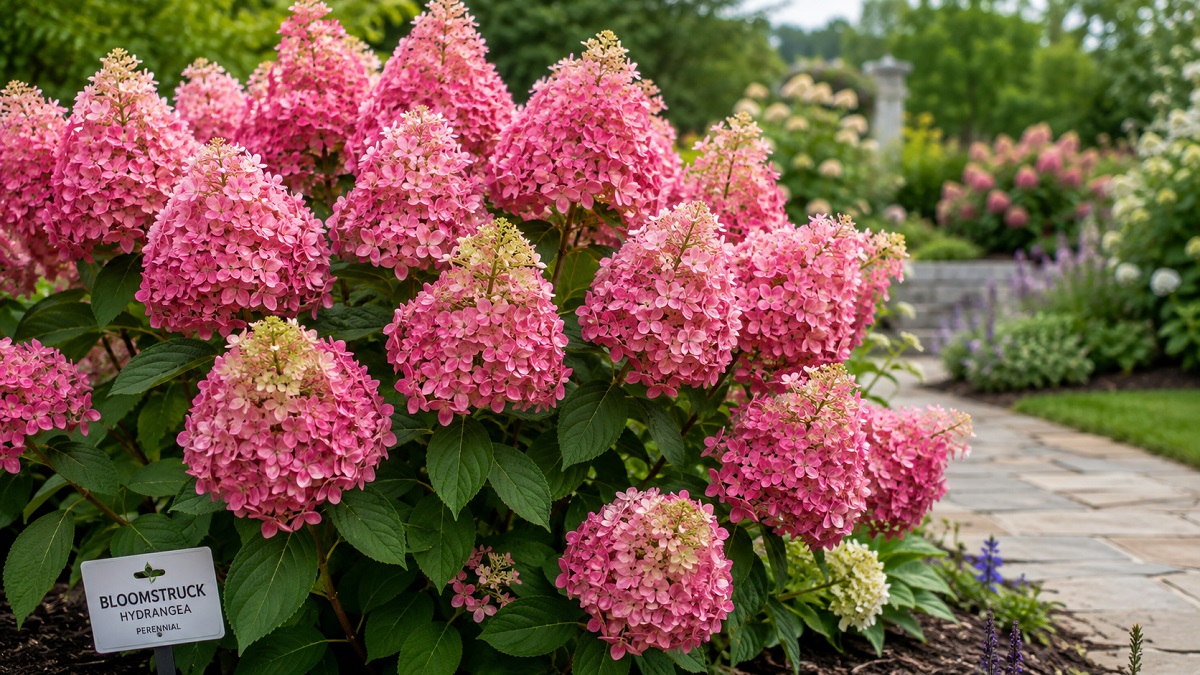
Seeing your BloomStruck hydrangea covered in pink flowers when you were expecting blue blooms can be surprising, especially if the plant produced blue flowers in previous years. Fortunately, pink flowers are usually not a sign that the shrub is unhealthy. In many cases, the change is related to soil chemistry, particularly soil pH and the availability of aluminum around the roots.
BloomStruck hydrangea (Hydrangea macrophylla 'BloomStruck') is one of the popular reblooming bigleaf hydrangeas. Its flowers can range from pink to purple and blue depending on growing conditions. That means the same shrub can behave differently from one season to another, even when you have not intentionally changed your gardening routine.
Soil amendments, irrigation water, fertilizer, weather, drainage, and the natural aging of the flower heads can all contribute to what you see. The important point is to identify which kind of pink you are seeing before trying to change the flower color.
Pink flowers are often a natural response to soil conditions. Before changing the soil, determine whether the flowers are newly opening pink or simply becoming pink as older blooms mature.
The most common explanation is a change in the chemical environment around the roots. Bigleaf hydrangeas such as BloomStruck are well known for producing different flower colors depending on soil conditions. When the soil becomes less acidic and aluminum becomes less available to the plant, flowers are more likely to develop pink or reddish tones rather than strong blue.
This does not necessarily mean that the entire soil has undergone a dramatic change. Small shifts near the root zone can make a visible difference over time. Repeated irrigation with alkaline or mineral-rich water, applications of lime, certain landscape materials, and the gradual breakdown of organic matter can all influence the root-zone environment.
There is another possibility that is easy to overlook: the flowers may not actually be changing because of the soil. Hydrangea flower heads naturally change appearance as they mature. A flower that opened blue or purple can become muted, dusty, pinkish, greenish, or brownish as it ages.
Therefore, look at the timing. If newly opened flowers are pink, soil chemistry is worth investigating. If flowers opened blue several weeks ago and are now becoming pink or faded, normal aging is a much stronger possibility.
Soil pH describes how acidic or alkaline the soil is. It does not directly act like a paint color that tells a hydrangea which pigment to manufacture. Instead, pH influences the availability of certain nutrients and elements, including aluminum, that are involved in the color expression of many bigleaf hydrangeas.
More acidic conditions generally make aluminum more available in the root zone. When a suitable cultivar can take up aluminum and other conditions are favorable, the flowers tend to show stronger blue or blue-purple shades.
In less acidic conditions, aluminum becomes less available. As a result, BloomStruck is more likely to produce pink, mauve, or reddish flower tones.
Think of soil pH as one part of a larger chain rather than a single color switch. The pH influences aluminum availability, aluminum availability influences what the plant can access, and the cultivar's genetics determine how those conditions are expressed in the flowers.
A BloomStruck hydrangea growing in the same garden can produce different colors from one season to the next. The soil may have changed gradually, irrigation patterns may be different, or the plant may simply be experiencing different conditions during flower development.
It is also important not to assume that every pink-flowering BloomStruck has "bad" soil. Pink is a normal and attractive flower color for this cultivar. Your goal should be to create the conditions appropriate for the color you want, rather than treating pink flowers as a problem by themselves.
Aluminum availability is one of the most important pieces of the hydrangea color puzzle. Gardeners sometimes hear that adding aluminum automatically makes a hydrangea blue, but the situation is more complicated than that.
If the soil is not acidic enough, aluminum may be present but not readily available to the plant. Simply adding an aluminum-containing amendment therefore may not produce the expected result.
The plant also needs healthy roots and suitable growing conditions. Poor drainage, root stress, drought, or other problems can interfere with normal nutrient uptake. Flower color is influenced by the interaction between the plant's genetics and its environment, so there is no single amendment that guarantees the exact shade you have in mind.
This is one reason soil testing is useful. Instead of treating the symptoms, you can find out whether your soil is actually acidic enough for the color you want and whether an amendment is justified.
Applying more product than recommended is not a shortcut to deeper blue flowers. Excessive soil amendments can disturb the balance of the root-zone environment and may create unnecessary nutrient problems.
Follow the product label and base your approach on a soil test whenever possible. A gradual adjustment is safer than repeatedly adding amendments because the flowers did not change quickly enough.
Irrigation water can matter, particularly when the water supply is alkaline or contains substantial amounts of dissolved minerals. Gardeners sometimes focus entirely on the soil while overlooking the water that is being added to the soil week after week.
Regular irrigation with alkaline water can gradually influence soil chemistry. The effect depends on the water's composition, the amount used, soil type, drainage, rainfall, and how frequently the plant is watered.
This does not mean that ordinary tap water will automatically turn a hydrangea pink. Many plants grow perfectly well with municipal water. The point is that water chemistry can become relevant when you are trying to maintain a particular hydrangea flower color over several seasons.
If your BloomStruck was blue when first planted but increasingly produces pink flowers after years of irrigation, checking the water source may be worthwhile. A local water-quality report or water test can provide useful information about alkalinity and mineral content.
Absolutely. Not every pink hydrangea flower indicates a soil problem.
Hydrangea flower heads can change appearance as they mature. The showy structures that we call "flowers" are largely made up of colorful sepals. Their color can shift as the season progresses, particularly when the flower head has been exposed to strong sunlight, heat, changing moisture conditions, or simply reached the later stages of its display.
An older blue flower may lose its original intensity and take on muted purple, pink, green, tan, or brown tones. This is part of the normal seasonal progression of many hydrangeas.
Compare a newly opened flower head with an older one. If the newest blooms are showing the same pink color from the beginning, investigate soil conditions. If only older heads are becoming pinkish while fresh blooms retain their original color, natural aging is probably responsible.
Fertilizer does not function as a simple blue-or-pink switch, but fertilization can influence the overall growing environment. The type, amount, timing, and frequency of fertilizer applications all matter.
Hydrangeas generally do not need heavy feeding to produce attractive flowers. Excessive nitrogen can encourage lush foliage at the expense of flowering, particularly when the plant is already growing vigorously. A fertilizer program that is unnecessarily aggressive may also alter nutrient relationships in the soil.
If you recently changed fertilizers and noticed a change in the plant, do not immediately assume that the fertilizer directly caused the pink color. Check the soil pH and consider other changes that occurred around the same time.
A balanced approach is usually preferable: provide adequate nutrition without repeatedly adding large quantities of fertilizer. Hydrangeas benefit from healthy soil, consistent moisture, suitable light, and good root conditions just as much as they benefit from nutrients.
Weather can change how hydrangea flowers look even when the underlying soil chemistry has remained relatively stable.
Hot weather can accelerate flower aging and fading. If a flower head changes color quickly during a hot spell, the shift may be related to maturity rather than a sudden change in soil pH.
Morning sun is often useful for hydrangeas, while intense afternoon exposure can be stressful in hot climates. Excessive sunlight can cause flower color to fade and foliage to wilt more readily.
BloomStruck performs best when soil moisture is reasonably consistent. A plant that repeatedly dries out can become stressed, and stressed plants may not develop or maintain flower quality as well as healthy specimens.
Rain can temporarily alter the moisture and nutrient environment around the roots. In some situations, substantial rainfall can also leach soluble nutrients from the soil. The overall effect depends heavily on the soil and existing conditions.
These factors do not mean weather directly "turns" a hydrangea pink. Instead, they can influence flower development, longevity, and the way existing colors are expressed.
Before changing anything, take a few minutes to observe the plant. A systematic approach is much more effective than adding several products at once.
| What You Notice | Likely Explanation | What to Do |
|---|---|---|
| New flowers open pink | Soil chemistry may favor pink | Test soil pH and review growing conditions |
| Older blue flowers become pinkish | Normal flower aging | Monitor new blooms before making changes |
| Color changed after liming | Higher pH may have reduced aluminum availability | Stop unnecessary lime applications and test soil |
| Color changes gradually over several years | Soil or irrigation chemistry may have shifted | Test soil and consider water quality |
| Plant has poor growth and pale foliage | Possible nutrition, root, watering, or soil problem | Assess the entire growing environment |
This is one of the easiest tests you can perform without any equipment. Watch the next group of flowers as they open. Record their initial color rather than judging the plant after several weeks.
A soil pH test is much more useful than guessing based on flower color. If you want to consistently encourage blue flowers, knowing the starting pH helps you decide whether an adjustment is appropriate.
Think back over the previous year. Have you applied garden lime, wood ash, compost, fertilizer, or another soil amendment? Have you moved the plant or changed the surrounding landscape?
If your soil pH seems reasonable but flower color keeps changing, investigate the irrigation source. This is especially useful when the hydrangea is watered primarily with tap water and receives relatively little natural rainfall.
Look beyond the flowers. Healthy leaves, steady growth, adequate moisture, and good drainage provide important clues. If the shrub is struggling overall, correcting the growing conditions should take priority over chasing a particular flower color.
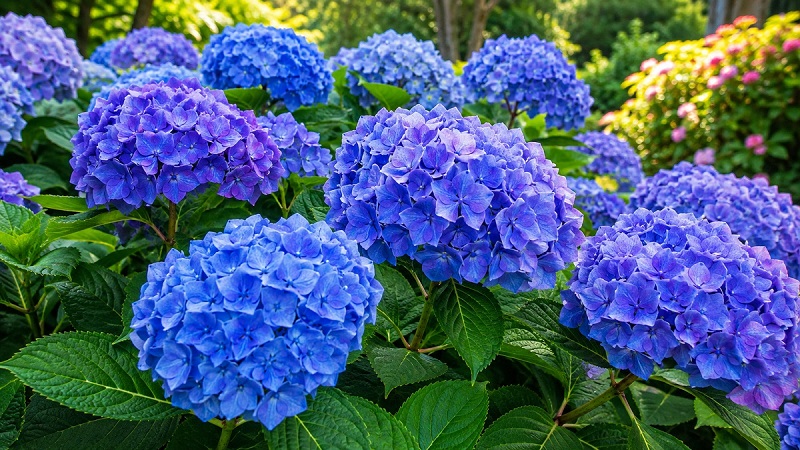
If you prefer blue flowers, the goal is generally to maintain an appropriately acidic root-zone environment and ensure that aluminum is sufficiently available. BloomStruck is capable of producing blue and purple tones, but results vary with local soil conditions and climate.
This should be your first step. Do not automatically add an acidifying product simply because the flowers are pink. Your existing soil may already be acidic enough, or the color change may simply be normal aging.
Lime is commonly used to raise soil pH. If your goal is blue hydrangea flowers, adding lime without a specific reason can work against that objective.
If testing indicates that the soil is too alkaline for the result you want, a suitable acidifying amendment may help. Follow the product instructions carefully rather than applying a large quantity all at once.
Hydrangeas appreciate evenly moist soil, especially while actively growing and flowering. Water deeply enough to moisten the root zone, then allow excess water to drain away. Avoid keeping the soil permanently saturated.
A layer of organic mulch can help moderate soil temperature and moisture fluctuations. Keep mulch slightly away from the base of the stems instead of piling it directly against the plant.
Remember that flower color adjustment takes time. Soil chemistry does not change instantly, and a mature shrub may continue displaying flowers that developed under previous conditions.
There is no need to change anything simply because your BloomStruck is pink. Pink is a perfectly natural and attractive color for a bigleaf hydrangea.
In fact, deliberately maintaining pink flowers can be easier than trying to push a plant toward strong blue coloration in soil that naturally tends to be alkaline. If the shrub is healthy, flowering well, and growing in suitable conditions, you can simply enjoy the color it produces.
Pink flowers also combine beautifully with white, lavender, blue-green, and deep green plants. Rather than thinking of the change as a failure, consider it part of the character of a hydrangea whose flowers respond to their environment.
This is probably the most common mistake. If you do not know your soil pH, you are essentially working without a baseline.
Aluminum availability and soil acidity work together. Adding aluminum to unsuitable soil does not guarantee blue flowers.
Gardeners sometimes become impatient when the first flower heads do not change color. Repeated applications can create a much bigger soil problem than the original color issue.
If only mature flower heads are becoming pink, there may be nothing to correct. Always compare old and newly opened blooms.
Soil is not the only source of chemistry entering the root zone. Irrigation water can gradually influence conditions, especially when the same water is used throughout the growing season.
A healthy hydrangea with pink flowers is preferable to a stressed plant with blue flowers. Adequate moisture, good drainage, appropriate light, and healthy roots should remain the priority.
BloomStruck is valued because it can produce flowers on both older and newer growth. This reblooming habit can provide a longer flowering period than traditional bigleaf hydrangeas when the plant is grown under favorable conditions.
Flower color can also evolve during that period. Early blooms may have one appearance while later flowers develop a different shade because they formed under different weather and soil conditions.
This is particularly noticeable in gardens where soil chemistry is close to the range that allows several color expressions. Instead of producing a single uniform shade, the shrub may display combinations of pink, purple, lavender, and blue.
Older flower heads can remain decorative after peak bloom, gradually becoming more muted. Some gardeners leave these heads in place for seasonal interest, while others remove them as part of routine maintenance.
Usually, no. Flower color by itself is not a reliable indicator of hydrangea health.
If the leaves are reasonably healthy, stems are growing normally, the plant is producing new growth, and there are no obvious signs of severe drought, root damage, pests, or disease, pink flowers are generally nothing to worry about.
A change in color becomes more concerning only when it occurs alongside other symptoms. For example, sudden widespread wilting, severe leaf discoloration, dieback, poor growth, or persistent root-zone problems deserve attention independently of flower color.
No. Pruning does not solve a soil-pH-related flower-color issue.
BloomStruck's reblooming habit is one reason pruning should be approached thoughtfully. Removing growth at the wrong time can reduce some of the flowers you were hoping to enjoy.
If your main concern is color, focus on soil conditions, irrigation, plant health, and the age of the flowers rather than cutting the shrub back.
Not necessarily. Even when soil conditions are carefully managed, hydrangea flower color can vary. Weather, flower maturity, light exposure, cultivar genetics, and differences in the root-zone environment all contribute to the final appearance.
A better goal is to create conditions that favor the color family you prefer. If you want blue, maintain suitable acidic conditions and avoid practices that unnecessarily raise pH. If pink is your preference, there is no reason to force the soil toward strongly acidic conditions merely for the sake of changing the flowers.
Test the soil, maintain appropriate acidity, avoid unnecessary liming, provide consistent moisture, and make gradual amendments when testing indicates they are needed.
If your BloomStruck naturally produces attractive pink flowers and the plant is healthy, you can simply enjoy them. No corrective treatment is required.
The most common reason is that the growing conditions favor pink coloration, often because the soil is less acidic and aluminum is less available. However, older flowers can also naturally become pinkish as they mature, so check the color of newly opened blooms before making soil amendments.
Yes. BloomStruck is a bigleaf hydrangea capable of producing different flower colors depending on environmental and soil conditions. Pink is a normal color for the cultivar.
Acidic conditions generally favor blue coloration because they can increase aluminum availability. However, soil acidity alone does not guarantee a particular shade. Cultivar genetics, aluminum availability, growing conditions, and other factors also matter.
Not necessarily. Aluminum needs to be sufficiently available to the plant, and soil pH strongly influences that availability. Test the soil first and avoid applying excessive amendments.
Water chemistry can influence soil conditions over time, particularly when irrigation water is alkaline. If the flower color has gradually changed over several seasons, checking both soil and water chemistry can help identify whether this is contributing.
Flower aging is a likely explanation. Hydrangea flower heads can fade and change color as they mature. Compare older heads with freshly opened blooms before assuming that the soil has changed.
Lime raises soil pH, but it should not be applied simply to manipulate flower color without knowing the existing soil conditions. Excessive amendments can create unnecessary soil problems. A soil test is the better starting point.
Begin with a soil test. If appropriate, maintain an acidic root-zone environment and use a suitable soil amendment according to tested conditions and product directions. Consistent moisture and healthy roots are also important.
Pink flowers alone do not indicate poor health. Flower color is strongly influenced by environmental conditions. Look for other symptoms such as severe wilting, poor growth, damaged foliage, or dieback if you suspect an actual health problem.
Yes. Bigleaf hydrangeas can display a mixture of colors when growing conditions vary or when different flower heads develop under slightly different conditions. Individual flowers may also change appearance as they mature.
If your BloomStruck hydrangea is producing pink flowers, there is usually no reason to panic. The color is a natural expression of a bigleaf hydrangea responding to its growing environment, and it does not automatically mean that something is wrong.
The most important distinction is between new flowers opening pink and older flowers becoming pink as they age. Once you know which situation you are dealing with, the next step becomes much clearer.
If the newest blooms are consistently pink and you prefer blue flowers, test your soil before adding anything. Soil pH, aluminum availability, irrigation water, and general root health all deserve consideration. Make changes gradually and give the plant time to respond.
And if you like the pink flowers, simply enjoy them. BloomStruck's changing colors are part of what makes this hydrangea so interesting in the garden. A healthy shrub does not need to produce blue flowers to be doing well.
Explore more practical guides to growing and caring for beautiful flowers and ornamental plants. Discover planting tips, seasonal care, watering, pruning, propagation, and garden design ideas to help you create a healthier and more attractive landscape.