Growing & Caring for Blue Spruce (Picea pungens)
Learn how to grow and care for Blue Spruce, including sunlight, soil, watering, planting, pruning, propagation, pests, diseases, and winter care.
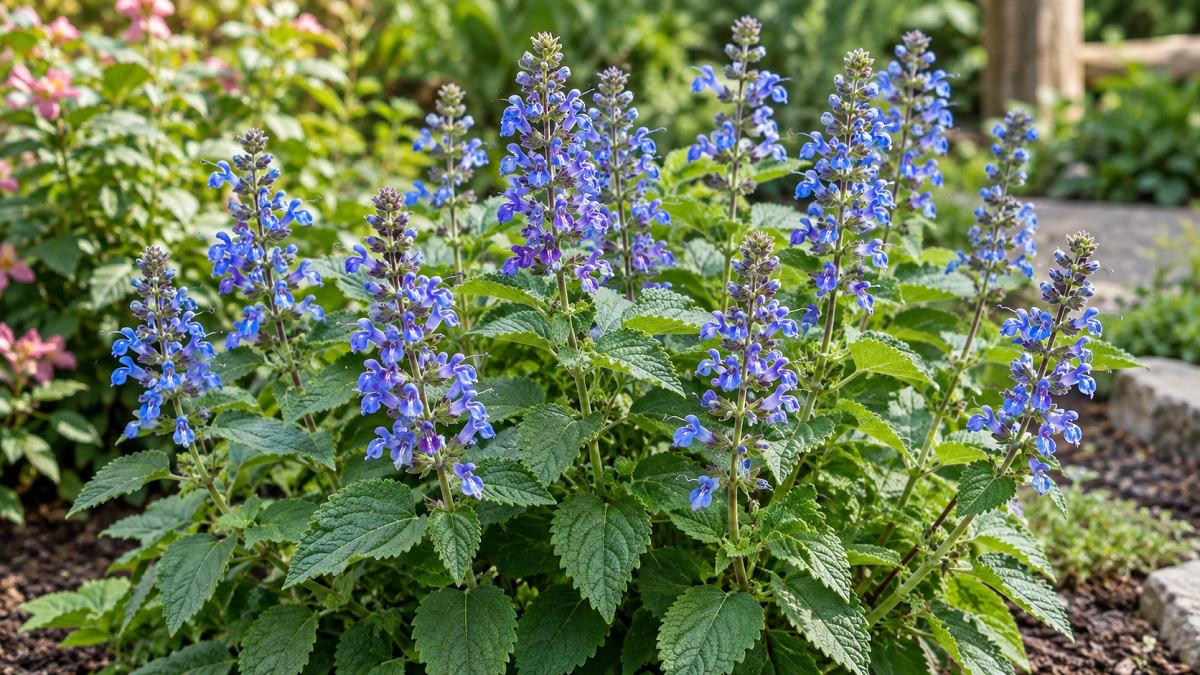
Blue Spur Flower (Plectranthus barbatus) is a fast-growing perennial or soft-wooded shrub valued for its aromatic foliage and attractive spikes of small blue flowers. It belongs to the mint family, Lamiaceae, and is sometimes listed under older names such as Coleus barbatus. The plant can bring height and color to borders, informal beds, and large containers while remaining relatively easy to maintain once established.
Give it bright light, fertile but well-drained soil, and enough moisture to establish strong growth without leaving the roots constantly wet. In warm climates, Blue Spur Flower can become a substantial plant, while gardeners in cooler areas may need to protect it from frost or grow it in a container.
Simple care is the key: provide good drainage, adequate sunlight, and regular pruning to keep this vigorous plant attractive and productive.
Blue Spur Flower is an upright, branching member of the large Plectranthus group. Plectranthus barbatus is native across tropical Africa, parts of the Arabian Peninsula and the Indian subcontinent and has become widely cultivated. Its stems carry soft, aromatic leaves, while the flowers are produced in elongated spikes.
The plant's common name can cause some confusion because several Plectranthus species are called Blue Spur Flower in different regions. For example, Plectranthus ecklonii is also known by this common name and is a much larger shrub that can approach 2–3 m in height. For this growing guide, the focus is Plectranthus barbatus.
Its combination of aromatic foliage, rapid growth, and blue flower spikes makes it useful when a garden needs a substantial foliage plant with seasonal color. It can be planted in borders or grown in large containers where its size can be managed more easily.
Blue Spur Flower develops an upright, branching form and can grow quickly during warm weather. A mature specimen can become fairly large, so give it sufficient room rather than squeezing it between small bedding plants.
The following table summarizes the main characteristics and growing requirements of Plectranthus barbatus. Exact performance varies with climate, soil, moisture, and the amount of sunlight the plant receives.
| Characteristic | Blue Spur Flower Details |
|---|---|
| Botanical name | Plectranthus barbatus |
| Plant family | Lamiaceae |
| Common names | Blue Spur Flower, Abyssinian Coleus, Indian Coleus |
| Plant type | Perennial shrub or herbaceous perennial |
| Native range | Tropical Africa, Arabian Peninsula and Indian subcontinent |
| Growth habit | Upright, branching and fast-growing |
| Typical garden height | About 1.5 m under suitable growing conditions |
| Light | Full sun to partial shade |
| Soil | Fertile, organic-rich and well drained |
| Watering | Moderate; allow excess water to drain away |
| Flower color | Blue to blue-purple |
| Flower form | Small flowers arranged on upright spikes |
| Growth rate | Fast |
| Frost tolerance | Tender; protect from frost and prolonged cold |
| Propagation | Stem cuttings and division |
| Maintenance | Low to moderate; pruning helps maintain shape |
Published plant references list Plectranthus barbatus as a fast-growing plant suitable for full sun to part shade, with well-drained soil enriched with organic matter. One plant reference gives a garden height and width of about 1.5 m, although actual size can vary considerably with growing conditions and pruning.
Blue Spur Flower adapts to both full sun and partial shade. In areas with intense afternoon heat, some protection from the strongest midday or afternoon sunlight can help prevent unnecessary stress, particularly when the plant has recently been transplanted.
Morning sun followed by light afternoon shade is a useful arrangement in hot climates. Where summers are milder, the plant can receive more direct sunlight. Good light is especially useful when you want sturdy growth and abundant flowering.
Plants grown in overly dark locations may become stretched, with longer spaces between leaves and weaker stems. Flowering may also be less impressive. If this happens, gradually move the plant toward a brighter position rather than suddenly exposing a shade-grown specimen to intense sun.
Good drainage is more important than creating a perfectly formulated soil. Blue Spur Flower performs well in fertile soil containing organic matter, provided excess water can move away from the root zone. Heavy, constantly saturated ground can encourage root problems and should be improved before planting.
Incorporate mature compost or other well-decomposed organic matter into poor soil before planting. If the ground is naturally heavy clay, improving its structure and drainage is preferable to simply adding more water during dry periods.
Choose a location with enough space for the plant to branch naturally. Dig a hole slightly wider than the root ball and set the plant at approximately the same depth at which it was growing in its container. Water thoroughly after planting and keep the soil reasonably moist while the roots establish.
Avoid burying the base of the stem deeply. A shallow mulch layer can help reduce evaporation, but keep mulch away from direct contact with the stems.
Watering should be adjusted according to temperature, rainfall, soil type, and whether the plant is growing in the ground or in a container. Newly planted specimens need more consistent moisture while their root systems develop. Established plants are more forgiving, but they still perform best when they are not subjected to prolonged extremes of drought followed by heavy soaking.
Check the soil before watering rather than following a rigid calendar. If the upper layer has begun to dry, water deeply enough to moisten the root zone, then allow excess water to drain. Container-grown plants usually need attention more often because their limited soil volume dries faster.
Check plants more frequently during hot, dry weather. A plant in full sun and a small container may dry much faster than the same species planted in a garden bed.
Frequent light watering that keeps the soil permanently wet is usually less useful than thorough watering followed by appropriate drainage. Always check the soil and container drainage before adding more water.
Blue Spur Flower is best suited to warm growing conditions. It is not a plant to rely on for exposed winter gardens where freezing temperatures are common. References list it as frost tender, and colder climates may require container growing or winter protection.
In warm, frost-free areas, it can remain outdoors year-round. Gardeners in cooler regions can grow it as a seasonal feature or move container plants to a sheltered location before cold weather arrives.
Fertile soil can provide much of what Blue Spur Flower needs, especially when compost or other organic matter is incorporated before planting. Plants growing rapidly in containers or nutrient-poor soil may benefit from a balanced, general-purpose fertilizer during active growth.
Avoid applying excessive fertilizer in an attempt to force growth. A plant that is already growing vigorously usually benefits more from adequate light, water management, and occasional pruning than from heavy feeding.
Regular pruning is one of the easiest ways to keep Blue Spur Flower from becoming overly large or untidy. Tip-pruning encourages branching and can produce a fuller appearance. Remove weak, damaged, or badly positioned stems as needed.
After flowering, spent flower spikes can be removed to tidy the plant. A more substantial cutback can also be useful when a mature plant has become too large for its position. Plant references specifically recommend hard pruning after flowering and tip pruning during the growing season to encourage flowering and maintain form.
Avoid removing the entire plant at once unless a major rejuvenation is genuinely needed. Instead, shorten selected stems and remove congested growth so that new shoots have room to develop. Always use clean, sharp pruning tools.
Blue Spur Flower can be propagated from stem cuttings. This is a convenient way to produce young plants from a healthy specimen and to replace an older plant without purchasing another one.
Division or naturally produced shoots can also be useful depending on how the individual plant grows. The aim is to establish a healthy young section with enough roots or stem material to continue growing independently.
Container growing is particularly useful where winter temperatures are too low for reliable outdoor cultivation. Choose a container with drainage holes and use a porous, well-draining potting mix rather than dense garden soil.
Because Blue Spur Flower can grow rapidly, inspect the container periodically. If roots have filled the available space and the plant dries unusually quickly after watering, it may be time to move it into a larger pot.
Container plants also respond well to pruning. Keeping the plant moderately compact makes it easier to move, reduces the risk of stems becoming weak and helps maintain an attractive shape.
Blue Spur Flower is generally regarded as a fairly resilient plant, but poor growing conditions can still create problems. Overwatering and inadequate drainage are particularly important concerns because persistently wet roots can lead to decline.
Yellowing leaves, wilting despite wet soil, and a generally declining appearance can indicate that the root zone is staying too wet. Check drainage before increasing irrigation.
Fungal leaf problems can become more noticeable when foliage remains wet for long periods and air circulation is poor. Water at the soil surface when practical, remove badly affected leaves, and avoid crowding plants together.
Aphids, whiteflies, and other sap-feeding insects may occasionally appear, particularly on stressed or densely grown plants. Inspect the undersides of leaves and young shoots regularly. A strong jet of water can dislodge light infestations, while more persistent problems may require a treatment appropriate for the pest and local gardening regulations.
In frost-prone regions, container-grown plants should be moved into a sheltered area before temperatures fall sharply. Reduce watering during periods of slower growth, but do not allow the root ball to remain bone dry for extended periods.
Keep overwintering plants in a bright location and check regularly for pests. If the plant becomes leggy indoors, light pruning in late winter or early spring can encourage fresh growth when active growth resumes.
| Problem | Likely Cause | What to Do |
|---|---|---|
| Weak, stretched growth | Insufficient light | Move gradually to a brighter location. |
| Yellowing leaves with wet soil | Overwatering or poor drainage | Improve drainage and allow the soil to dry appropriately between waterings. |
| Plant becoming too large | Fast, unchecked growth | Tip-prune and remove selected older stems. |
| Few flowers | Insufficient light or excessive vegetative growth | Provide better light and use moderate rather than excessive feeding. |
| Cold damage | Frost or prolonged low temperatures | Protect the plant or move container specimens to shelter. |
| Leaf spotting | Persistent leaf moisture and poor air movement | Improve airflow, avoid overhead watering, and remove affected foliage. |
Use Blue Spur Flower where its upright growth and flower spikes can be appreciated without competing with smaller plants. It works well toward the middle or back of a border, provided the surrounding plants do not block its light or airflow.
Large containers are another practical choice. They allow the plant to be positioned on a patio, terrace, or sheltered garden area and make it much easier to move the plant when winter protection is necessary.
Pair it with plants that appreciate similar light and drainage conditions. Medium-height ornamental plants, foliage plants, and other warm-climate perennials can help create a layered planting scheme without overwhelming the Blue Spur Flower.
Give the plant enough room to branch and keep air moving around the foliage. A position with morning sun and some protection from harsh afternoon heat can work particularly well in hot climates.
| Season | Recommended Care |
|---|---|
| Spring | Resume active watering, prune winter-damaged growth, and begin feeding if the plant is actively growing. |
| Summer | Monitor soil moisture, maintain good airflow, and tip-prune vigorous shoots to encourage branching. |
| Autumn | Continue normal care while growth remains active and prepare container plants for colder conditions. |
| Winter | Protect from frost and prolonged cold; reduce watering when growth slows. |
Yes. Once established in suitable soil with good drainage and adequate light, Plectranthus barbatus is generally a vigorous, relatively low-maintenance plant. Its fast growth means that occasional pruning is useful for keeping it in bounds.
It can grow in full sun as well as partial shade. In very hot climates, some afternoon protection may help, while insufficient light can result in weaker growth and reduced flowering.
There is no single schedule that suits every garden. Water when the soil begins to dry and adjust the frequency according to temperature, rainfall, soil type, and container size. Avoid keeping the roots continuously saturated.
It can remain outdoors in warm, frost-free climates, but it is frost tender. In colder regions, grow it in a container or provide substantial protection from freezing temperatures.
Pinch or tip-prune growing shoots to encourage side branching. Removing selected long or crowded stems also helps maintain a fuller, more balanced plant.
Yes. A large container with drainage holes and a well-draining growing medium works well. Container cultivation is especially useful in areas where winter temperatures are too cold for the plant to remain outdoors.
Growing Blue Spur Flower is largely a matter of getting the basics right. Give Plectranthus barbatus bright light, fertile soil that drains freely, sensible watering, and enough room to develop. Its quick growth is an advantage when you want a substantial garden plant in a relatively short time, although regular pruning keeps that vigor from turning into an unruly shape.
In warm climates it can become a dependable perennial feature, while container growing gives gardeners in colder areas much greater control over winter protection. With a little seasonal pruning and attention to drainage, Blue Spur Flower can provide attractive foliage and distinctive blue flower spikes for many seasons.
← Back to Plant GuidesContinue exploring our gardening guides with more plant profiles, growing tips, and practical advice for creating a healthy, productive garden.