Growing & Caring for Bee Balm (Monarda)
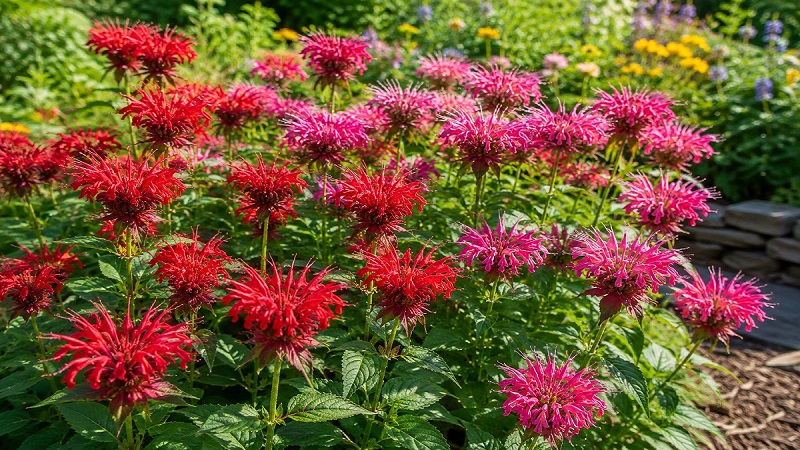
Known alternatively as Bergamot, Horsemint, and Oswego Tea, Bee Balm produces stunning, ragged, crown-like whorls of tubular flowers that act as neon signs for bumblebees, hummingbirds, and butterflies.
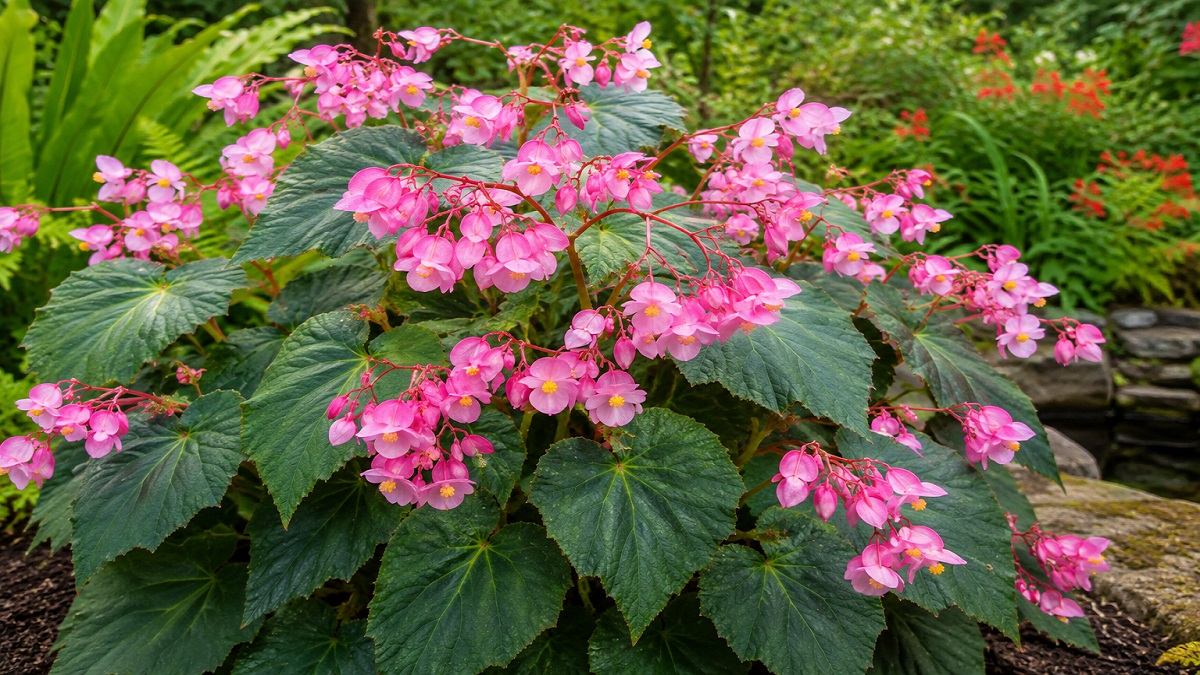
If you have ever assumed that all begonias are fragile, short-lived tender annuals destined to collapse at the very first breath of autumn frost, prepare for a delightful surprise. Let me introduce you to Begonia grandis, commonly known as the Hardy Begonia. This extraordinary plant flips the traditional begonia script entirely on its head.
Originating from woodland regions across China and Japan, Begonia grandis brings elegance, structural lushness, and a soft late-season color palette to shady spots where many other perennials fail to thrive. With soft, olive-green leaf tops, brilliant magenta undersides, and nodding clusters of fragrant pink or white blooms from mid-summer straight through frost, it’s easily one of the most rewarding shade perennials you can add to your garden border.
At a Glance: Master the basic environmental needs for a thriving Hardy Begonia.
When gardeners first come across Begonia grandis, they often double-check the label in disbelief. Most of us are conditioned to think of begonias as potted houseplants, indoor wax begonias, or tender tuberous varieties stored carefully indoors during the icy winter months. However, Begonia grandis is the only member of the vast Begoniaceae family that easily survives freezing winters down to USDA Zone 6—and even Zone 5 if provided with a thick blanket of protective winter mulch.
In its native habitat, this species thrives in rich, damp soils along forested slopes, stream banks, and shaded valleys. It has evolved to adapt to distinct seasonal cycles. Instead of staying evergreen, it retreats underground into small, hardy tubers once cold weather sets in. In late spring, long after most spring bulbs have finished their display and hostas have unfurled, the Hardy Begonia slowly emerges from its winter slumber to rebuild its lush canopy.
Its late wake-up call is actually a secret superpower for shade gardeners. Because it waits until late spring or early summer to push up shoots, it creates space for early spring ephemerals like snowdrops, bluebells, and Dutchman's breeches to bloom uninterrupted. Just as those early flowers fade away, Begonia grandis steps up to fill the void with vibrant greenery and late-season flowers.
Beyond its surprising cold-hardiness, Begonia grandis is deeply cherished for its ornamental features. Standing between 18 to 24 inches tall (and nearly as wide), a healthy plant creates an airy, arching mound of lush foliage.
The leaves are distinctly asymmetrical—often described as shape-resembling "angel wings." They can measure anywhere from 4 to 8 inches in length. The upper surface is a rich olive-green, soft to the touch, adorned with intricate, heart-shaped venation patterns. But the real magic happens on the underside of the leaf: turn a leaf over, and you'll discover an intense ruby-red or rich crimson network of veins that seems almost illuminated when caught in dappled sunlight.
To get the best performance from your Begonia grandis, you need to replicate its natural forest-understory habitat. While it is remarkably resilient once established, paying attention to soil preparation and light exposure during planting will pay huge dividends.
Hardy Begonias thrive best in partial to full shade. Dappled morning light followed by deep afternoon shade is ideal. Direct, intense afternoon sun will quickly scorch the delicate foliage, turning the edges crisp, brown, and dry. Conversely, while it can tolerate deep shade, overly dark conditions can cause the flowering stems to stretch out and become somewhat floppy.
Soil texture is everything for this perennial. It requires rich, organic, hummingbird-light soil that retains moisture without ever becoming waterlogged. Heavy clay soils that trap standing water during winter are the main cause of tuber rot.
Keep the soil consistently moist during the active growing season (spring through early autumn). Begonia grandis prefers a steady supply of moisture. If allowed to dry out completely, the plant will drop its flower buds and drop lower foliage to conserve water. A 2-inch layer of shredded bark mulch or leaf compost helps lock in root moisture and keeps soil temperatures cool during hot summer spells.
Understanding how Begonia grandis differs from common bedding and potted begonias helps clarify its unique cultural requirements in the landscape:
| Begonia Type | Winter Hardiness | Ideal Environment | Primary Feature |
|---|---|---|---|
| Begonia grandis | Hardy (USDA 6-9) | Shade garden borders / Woodland beds | Late pink blooms & crimson leaf undersides |
| Wax Begonia (B. semperflorens) | Tender Annual (USDA 10-11) | Full sun to partial shade bedding | Continuous low bedding foliage & bright flowers |
| Rex Begonia (B. rex) | Tender Houseplant (USDA 10-11) | Indoor containers / Terrariums | Dramatic patterned & textured foliage |
| Tuberous Begonia (B. x tuberhybrida) | Tender Bulb (USDA 9-11) | Hanging baskets / Window boxes | Large, showy double rose-like blossoms |
One of the greatest joys of growing Begonia grandis is its low-maintenance personality. Once settled into an appropriate location, it requires minimal intervention from the gardener. Here is a breakdown of what to do throughout the year:
Do not panic if you don't see green shoots in April or early May! Begonia grandis is notoriously late to wake up, often remaining completely dormant until late May or even early June, depending on your climate zone. Mark the location with a plant label in autumn so you don't accidentally dig up its dormant tubers while weeding in early spring. Once shoots appear, top-dress the surrounding soil with a fresh layer of organic compost.
During warm summer months, maintain steady watering. If your soil was amended with organic matter at planting, heavy fertilizing isn't necessary. However, a balanced liquid fertilizer (10-10-10) applied once a month during summer supports lush foliage and abundant flower bud development.
After the first hard freeze in autumn, the soft foliage will collapse and turn black. Cut back dead stems to ground level. In colder climates (Zones 6 and lower), lay down a generous 3 to 4-inch layer of dry shredded leaves or straw over the root zone. This mulch insulates the tubers from sudden freeze-thaw cycles over the winter months.
The propagation method of Begonia grandis is one of the most fascinating botanical features of this plant. In early autumn, tiny pea-sized aerial tubers—known as bulbils—form at the leaf axils along the upper stems where leaves join the main stalks.
As the main plant dies back with winter frosts, these tiny bulbils detach and fall to the ground. They spend the cold winter resting on top of the moist soil under the leaf litter. In spring, each tiny bulbil sprouts roots and shoots, forming an charming colony of baby begonias surrounding the parent plant.
If you wish to share plants with gardening friends or spread them to new areas of your garden, simply collect these tiny bulbils in late autumn before they drop. Store them in a cool, slightly damp bag of peat moss in your refrigerator or basement, and press them into potting mix indoors in early spring.
While the straight species is lovely on its own, plant breeders and collectors have introduced several notable varieties that bring distinct foliage tones and floral colors to shade gardens:
This classic white-flowered form produces crisp, pure white blossoms that stand out brilliantly against dark, shaded garden backgrounds. The foliage is slightly lighter green, offering a cleaner, cooler look in woodland plantings.
Discovered and introduced by Heronswood Nursery, this exceptional cultivar is renowned for producing twice as many flowers as the species. The flower clusters are deep pink and hang on longer, dangling flower stalks, creating a show-stopping display in late summer.
Selected for its exceptionally intense foliage, 'Claret Jug' features deeper green leaves with striking, rich wine-red undersides and dark red stems. It serves as a dramatic foliage plant even before its soft pink flowers open in autumn.
Designing a shade garden with Begonia grandis is an absolute delight because its leaf texture and rich colors contrast effortlessly with soft ferns and bold broadleaf plants. Here are some ideal garden companions:
Generally speaking, Begonia grandis is a robust, disease-resistant plant that suffers from very few major garden pests. Deer and rabbits usually avoid the foliage due to its texture and slightly tart sap content. However, a few potential issues are worth monitoring:
In late summer, if air circulation is poor and humidity remains high, a white powdery coating can develop on leaf tops. Prevent this by spacing plants 18 to 24 inches apart and watering at the soil level rather than splashing the leaves.
Young tender shoots emerging in late spring can occasionally attract hungry slugs. Apply organic slug bait or sprinkle diatomaceous earth around the base of emerging stems to keep them at bay.
Caused by soggy, poorly draining soil during winter dormancy. Always ensure planting beds are well-drained and enriched with organic material to allow excess winter water to drain away freely.
Browse through our collection of comprehensive plant profiles to find the perfect additions to your sunny landscape borders and native meadows.