Ornamental Grasses: Types, Growing, Care & Landscape Ideas
Discover how to select, grow, and care for ornamental grasses. Learn about popular types, pruning tips, soil needs, and year-round garden design.
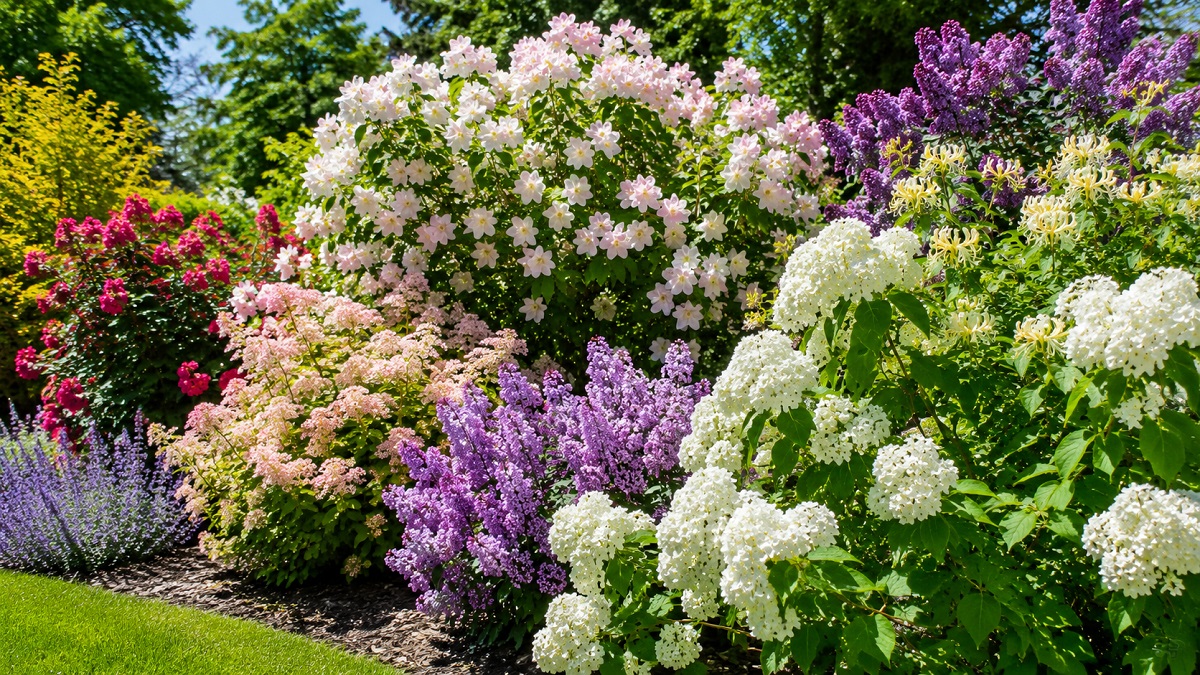
There is an invisible architecture to the finest gardens in the world—one that relies not on stone walls, timber arbors, or sculpted hedges, but on scent. Long after the vibrant visual fireworks of early spring fade into memory, it is fragrance that binds a garden to our emotions. A sudden drift of sweet daphne across a cold February courtyard, the heady, honeyed perfume of lilac on a warm May evening, or the citrusy sparkle of mock orange carried on a midsummer breeze can instantly transport us back decades, awakening vivid memories and instilling a profound sense of peace.
Too often, modern landscape design prioritizes color, foliage texture, and hardiness while neglecting scent entirely. Yet, incorporating fragrant flowering shrubs into your landscape is one of the most rewarding endeavors a gardener can undertake. These woody perennials serve as the structural backbone of residential borders, providing structural privacy, wildlife shelter, seasonal visual interest, and, most importantly, an evolving perfume repertoire that changes month by month.
In this comprehensive manual, we will explore the science of botanical fragrance, break down the finest fragrant flowering shrubs across all hardiness zones, establish strategic design placements for maximum scent retention, and outline deep seasonal maintenance practices to keep your fragrant garden thriving for decades.
To truly master the use of fragrant shrubs, one must understand how floral scent operates in nature. Plants do not produce scent for human pleasure; aroma is an evolutionary communication system designed to attract specific pollinators—bees, butterflies, moths, beetles, and hummingbirds—or to repel unwanted herbivores.
Floral scent is generated by complex volatile organic compounds (VOCs) stored within microscopic glands inside petals, sepals, and foliage. These VOCs evaporate into the air when temperatures rise, creating invisible scent clouds. The chemistry varies dramatically across species:
Furthermore, environmental conditions dictate how far scent travels. On hot, dry, windy afternoons, volatile oils evaporate instantly and dissipate into the upper atmosphere. Conversely, high humidity, warm still air, and sheltered alcoves trap these volatile compounds close to ground level, creating dense pockets of aroma. Understanding these microclimatic factors is essential for strategic landscape placement.
Spring is the crescendo of the aromatic garden. As cold temperatures break, early-flowering shrubs offer some of the most intense fragrances of the year, signaling winter's departure to awakening pollinators.
If there were an award for the most powerful scent per square inch of blossom, Winter Daphne would claim the crown. Blooming between late winter and early spring, this broadleaf evergreen features clusters of fleshy, pale pink-to-white flowers nestled against glossy, deep-green foliage. Its perfume is a sophisticated mix of sweet jasmine, fresh lemon zest, and subtle spiced vanilla.
Growing Tips: Daphne is notoriously sensitive to root disturbance and poor drainage. Plant in partial shade within soil amended heavily with compost and leaf mold. Ensure perfect drainage—Daphne will succumb to root rot in waterlogged winter soil.
No traditional garden is complete without the nostalgic fragrance of the Common Lilac. Originating from the rocky hills of Southeastern Europe, this tough, cold-hardy shrub produces large panicles of blooms in shades of deep purple, lavender, magenta, pink, and crisp white during mid-to-late spring. The aroma is quintessential May: sweet, floral, powder-soft, and unmistakably classic.
Growing Tips: Lilacs demand full sun (at least 6 hours of direct light daily) and neutral-to-slightly-alkaline soil. In acidic soils, apply agricultural lime annually around the drip line. Prune immediately after blooming to encourage strong new growth for next season's buds.
Opening from reddish-pink buds into snowball-like clusters of waxy white flowers, Viburnum carlesii produces one of the most exotic scents of the spring border. The scent is reminiscent of clove-spiced carnations mixed with rich vanilla cream. Growing 4 to 8 feet tall and wide, it also offers gorgeous wine-red foliage color in the autumn.
Growing Tips: Extremely adaptable in USDA Zones 4 through 8, Koreanspice Viburnum tolerates full sun to partial shade and adapts well to a broad spectrum of soil types as long as they do not remain saturated.
As the season progresses into the heat of summer, fragrant shrubs transition from delicate spring scents to rich, fruity, spicy, and honeyed bouquets that stand up to soaring temperatures.
During June and July, Mock Orange bursts into a blizzard of pure white, four-petaled blossoms. The scent is pure citrus blossom—an intoxicating blend of ripe orange peel and orange blossom water. A single mature shrub in full bloom can perfume an entire quarter-acre suburban yard.
Growing Tips: Highly tolerant of urban pollution and poor soils, Mock Orange thrives in full sun to light shade in Zones 4-8. Annual thinning of older canes keeps the shrub compact and productive.
A native jewel of eastern North American wetlands, Clethra alnifolia blooms in late July and August when few other shrubs are flowering. Its bottlebrush-like spikes of white or pink flowers radiate a warm, honey-spiced, clove scent that draws native bees and swallowtail butterflies in droves.
Growing Tips: Clethra excels in damp, acidic, organic soils and will grow happily in deep shade or full sun. It is ideal for rain gardens, low spots, or woodland edges.
The gold standard of warm-climate gardens, Gardenia produces velvety, ivory-white flowers against dark, glossy evergreen foliage. Its perfume is deep, buttery, indolic, and classic. Modern cultivars like 'August Beauty' and cold-hardy 'Frostproof' have expanded the range of this southern icon into cooler temperate regions.
A truly master-designed fragrant garden does not go dormant when autumn leaves drop. By selecting winter-blooming shrubs, you can create surprising moments of delight during the coldest months of the year.
While its tiny cream-colored flowers are practically invisible to the eye, Osmanthus fragrans possesses what many horticulturists consider the most exquisite fragrance in the plant kingdom. Releasing a potent perfume that smells precisely like ripe apricots, fresh peaches, and jasmine, a single plant can scent an entire neighborhood from autumn through early spring.
Growing Tips: Hardy in Zones 7b–10. Thrives in rich, moist, well-drained soil in full sun to partial shade. Works exceptionally well as a living screen or patio accent.
Earning the moniker "Sweetest Condition of Winter," this arching shrub produces tiny white flowers along bare stems from January to March. Its scent is a bright, refreshing splash of lemon drop candy and sweet honeysuckle that pierces crisp winter air.
Featuring ribbon-like petals of yellow, copper, or crimson, Witch Hazel blooms on bare branches in mid-to-late winter. Varieties such as 'Arnold Promise' or 'Pallida' emit a clean, spicy, woodsy scent reminiscent of clean honey and citrus peel.
Planting a fragrant shrub in a remote corner of your yard wastes its primary gift. Designing an olfactory landscape requires strategic placement based on air movement, foot traffic, and architectural structures.
1. The Threshold Strategy: Place intense perfumers—such as Daphne, Gardenia, or Sweet Olive—immediately adjacent to high-traffic entranceways, steps, and front porch gates. Arriving home becomes a daily sensory welcome.
2. Outdoor Living Spaces: Scent plays a major role in outdoor relaxation. Position midsummer bloomers downwind of patios, decks, outdoor kitchens, and fire pits. Ensure scent travels toward seating areas on prevailing summer evening breezes.
3. Enclosed Sensory Courtyards: Masonry walls, timber fencing, and tall hedges serve as physical wind barriers, trapping volatilized botanical oils inside microclimatic pockets. Creating an enclosed courtyard filled with aromatic shrubs yields an immersive scent chamber.
4. Window Bank Integration: Plant spring-blooming shrubs directly below ground-floor bedroom or living room windows. Opening windows on warm May mornings allows spring breezes to carry fresh floral scents indoors.
Use this reference table to compare cold hardiness, light requirements, height parameters, scent profiles, and primary blooming windows for top-tier fragrant flowering shrubs.
| Botanical Name | Common Name | USDA Zones | Sun Light Needed | Mature Size (H x W) | Fragrance Profile | Bloom Season |
|---|---|---|---|---|---|---|
| Daphne odora | Winter Daphne | 7 – 9 | Partial Shade | 3 - 4 ft x 3 - 4 ft | Sweet Citrus, Spiced Vanilla | Late Winter / Early Spring |
| Syringa vulgaris | Common Lilac | 3 – 7 | Full Sun | 8 - 15 ft x 6 - 12 ft | Classic Floral, Powdery Sweet | Mid-to-Late Spring |
| Viburnum carlesii | Koreanspice Viburnum | 4 – 8 | Full Sun / Part Shade | 4 - 8 ft x 4 - 7 ft | Spiced Clove, Carnation, Vanilla | Mid-Spring |
| Philadelphus coronarius | Sweet Mock Orange | 4 – 8 | Full Sun / Part Shade | 6 - 10 ft x 5 - 8 ft | Intense Citrus, Orange Blossom | Early Summer |
| Clethra alnifolia | Summer Sweet | 3 – 9 | Full Sun to Deep Shade | 4 - 8 ft x 4 - 6 ft | Warm Honey, Clove Spice | Mid-to-Late Summer |
| Gardenia jasminoides | Common Gardenia | 7 – 10 | Full Sun / Morning Sun | 3 - 8 ft x 3 - 6 ft | Rich Buttery, Indolic White Floral | Late Spring through Summer |
| Osmanthus fragrans | Sweet Olive | 7b – 10 | Full Sun / Part Shade | 10 - 20 ft x 8 - 15 ft | Ripe Apricot, Peach, Jasmine | Autumn through Spring |
| Lonicera fragrantissima | Winter Honeysuckle | 4 – 8 | Full Sun / Part Shade | 6 - 10 ft x 6 - 10 ft | Lemon Drop Candy, Sweet Nectar | Mid-Winter to Early Spring |
| Hamamelis x intermedia | Hybrid Witch Hazel | 5 – 8 | Full Sun / Part Shade | 10 - 15 ft x 10 - 15 ft | Clean Woodsy, Spicy Citrus | Late Winter |
| Calycanthus floridus | Carolina Allspice | 4 – 9 | Full Sun / Part Shade | 6 - 9 ft x 6 - 12 ft | Fruity Apple, Strawberry, Banana | Late Spring / Early Summer |
Ensuring your aromatic shrubs flower profusely year after year requires attention to three foundation pillars: soil chemistry, water retention balance, and pruning timing.
Most flowering shrubs perform best in moist, well-draining soil rich in organic material. Incorporate 3 to 4 inches of well-rotted compost, leaf mold, or aged manure into planting beds. Acid-loving species like Gardenia require acidic soil (pH 5.0 to 6.0), whereas Syringa (Lilacs) prefer neutral to slightly alkaline conditions (pH 6.5 to 7.5). Test your soil before planting to amend appropriately.
Apply a 2- to 3-inch layer of organic bark mulch around the root zone, keeping mulch 2 inches clear of main stems to prevent fungal wood rot. Mulch regulates root temperatures, conserves moisture during drought periods, and gradually breaks down to feed soil microbes.
Pruning at the wrong time of year is the primary reason flowering shrubs fail to bloom. Follow these cardinal rules:
Explore more practical guides to growing and caring for beautiful flowers and ornamental plants. Discover planting tips, seasonal care, watering, pruning, propagation, and garden design ideas to help you create a healthier and more attractive landscape.