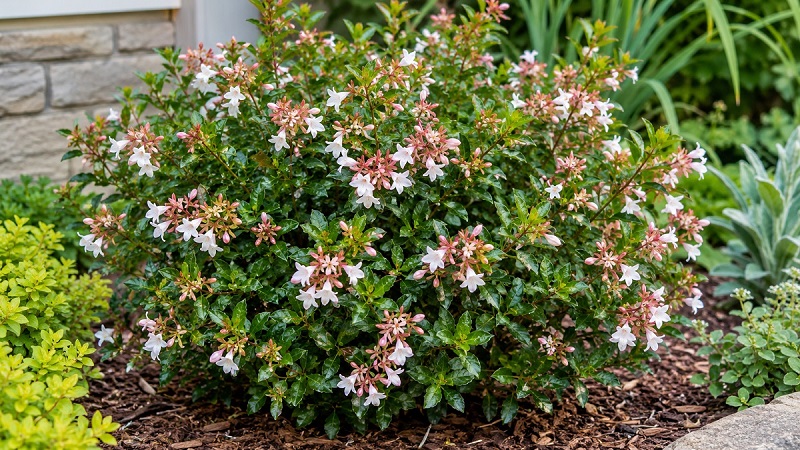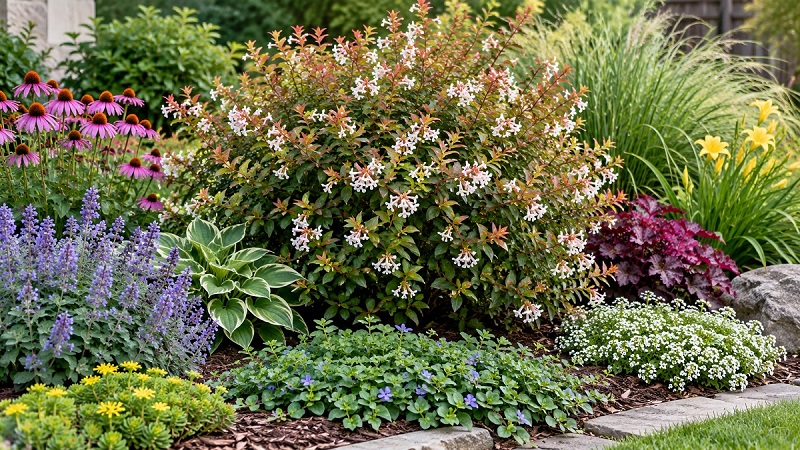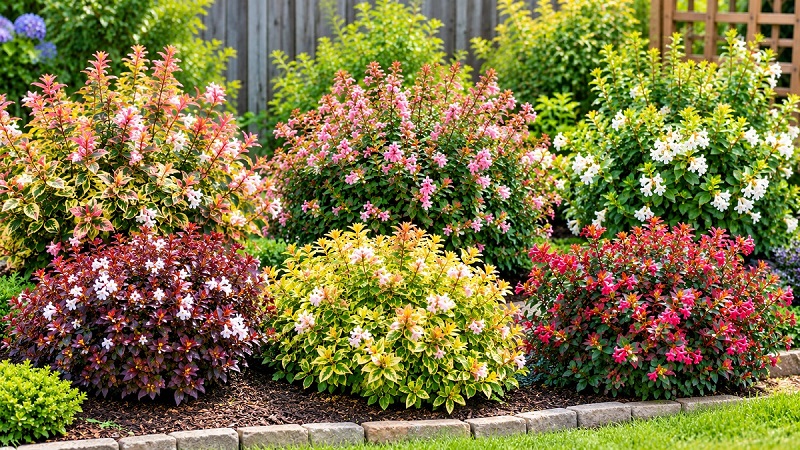
Best Abelia Varieties for Your Garden
Discover the best Abelia varieties for your garden, including 'Kaleidoscope', 'Rose Creek', 'Edward Goucher', 'Little Richard', 'Canyon Creek', and 'Ruby Anniversary'.
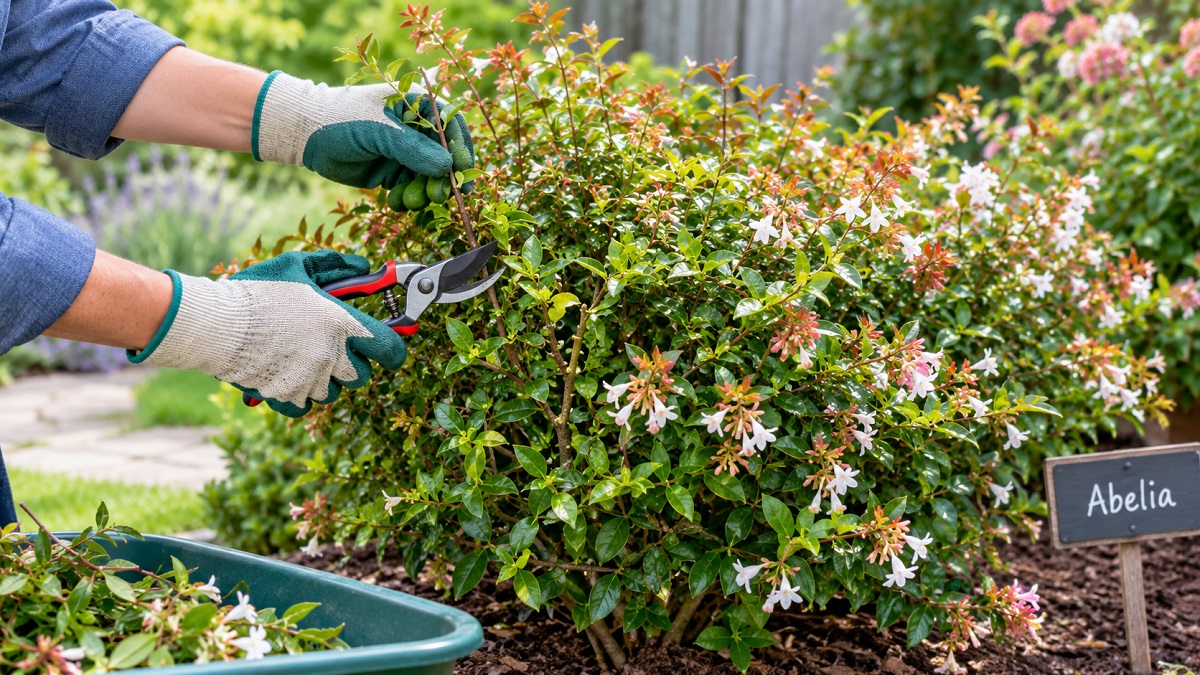
Abelia is one of those garden shrubs that rarely needs complicated pruning, but the right cuts can make a noticeable difference. Regular pruning helps maintain an attractive shape, removes weak or damaged growth, improves air circulation, and encourages the fresh shoots that carry new flowers. The key is knowing when to prune abelia and how much to remove without turning a naturally graceful shrub into a stiff-looking plant.
Whether you grow a compact abelia in a small border or a larger variety as an informal hedge, pruning should work with the plant's natural growth habit. Light, selective cuts are usually more useful than repeated heavy shearing.
For the best results: prune with the plant's flowering cycle and natural shape in mind.
Abelia naturally develops an arching, branching habit, so pruning is not simply about making the shrub smaller. The main purpose is to keep the plant vigorous, balanced, and attractive while creating room for productive new growth.
Removing older or poorly positioned stems allows younger branches to receive better access to light and space. This can help maintain a fuller appearance without encouraging a dense tangle of branches in the center.
Pruning can also be useful when an abelia begins to outgrow its position. Instead of cutting the entire shrub back to a uniform shape, selective removal keeps the plant looking more natural.
The slightly arching form of abelia is part of its ornamental appeal. Follow the existing framework of the plant rather than trying to create perfectly straight sides. A few well-placed cuts usually produce a better result than dozens of small snips.
The best pruning time depends partly on the type of abelia you grow and the amount of pruning needed. For routine shaping, late winter or early spring is generally a useful window because the plant is beginning a new season of growth. Dead and damaged branches can also be removed whenever they are noticed.
If your main concern is preserving flowers, avoid automatically giving the shrub a hard cut immediately before its main flowering period. Many gardeners prefer to do substantial structural pruning earlier in the season and reserve lighter trimming for later.
| Pruning Task | Suitable Timing | Purpose |
|---|---|---|
| Dead or damaged wood | Any time | Improves plant health and appearance |
| General shaping | Late winter to early spring | Controls size and encourages fresh growth |
| Selective thinning | Late winter or after flowering | Opens crowded areas and maintains structure |
| Light post-flowering cleanup | After flowering | Removes spent or awkward growth without excessive cutting |
| Major rejuvenation | During the plant's appropriate dormant or early-growth period | Restores severely overgrown shrubs |
In mild climates, abelia may remain actively growing for much of the year. In that situation, use the plant's current growth and flowering pattern as a guide rather than following the calendar alone.
Good pruning starts with observation. Before making the first cut, walk around the shrub and identify what actually needs to be removed. Look for dead stems, damaged branches, crossing shoots, very weak growth, and branches that are growing into the center.
A sharp pair of bypass pruners is sufficient for most young and medium-sized branches. Larger stems may require loppers. Clean, sharp tools make cleaner cuts and are easier to control than dull blades.
Avoid using hedge shears for routine pruning unless your goal is specifically to maintain a formal hedge. Shearing repeatedly cuts the outer surface and can encourage a dense layer of growth while leaving older wood crowded inside.
Pruning is easiest when done in stages. Resist the temptation to start shortening every branch at the same height. First remove obvious problems, then reassess the shape before making additional cuts.
Begin with branches that are clearly dead, broken, or badly damaged. Follow each unwanted stem back toward its point of origin and make the cut just outside the branch collar where practical.
If you find stems showing signs of disease, remove the affected material and avoid allowing infected debris to remain around the plant. Clean pruning tools between cuts when disease could be transferred.
Look into the middle of the shrub. If several branches cross, rub against each other, or grow strongly toward the center, remove selected stems at their base. This creates breathing room without reducing the entire outer canopy.
Very thin shoots may contribute little to the overall structure. Remove those that are weak, badly angled, or competing with stronger branches. Keep healthy shoots that help maintain the plant's graceful framework.
Once structural problems are corrected, shorten excessively long branches if necessary. Make the cut above a healthy side branch or bud that points in a useful direction. This encourages the next flush of growth to develop where you want it.
Stop after a few cuts and look at the shrub from several angles. The finished plant should not look perfectly symmetrical. A balanced, naturally flowing outline is usually more attractive and better suited to abelia's growth habit.
One of the biggest reasons gardeners prune abelia is to encourage a better display of flowers. The important point is that pruning should stimulate useful new growth without removing too much productive wood at the wrong time.
Moderate thinning and selective heading can encourage branching. New shoots can provide additional sites for flowering, depending on the cultivar and its flowering habit. Heavy pruning, however, can temporarily reduce the number of flowers simply because a large amount of flowering growth has been removed.
If your abelia is flowering well and already has a pleasing shape, there is little reason to prune aggressively just because it is pruning season. Sometimes the best approach is simply to remove a few old or misplaced branches.
An old abelia that has become too large, leggy, or congested may need more than routine trimming. Start by identifying the oldest and least productive stems. Removing some of these at ground level encourages the shrub to produce new growth from the base.
Avoid taking the entire plant down at once unless there is a specific reason to do so and the plant is known to tolerate severe rejuvenation. A staged approach is usually easier on the shrub and allows you to retain some of its established structure.
| Problem | Pruning Response |
|---|---|
| Too tall | Shorten selected long stems to strong side branches rather than cutting every stem to the same height. |
| Too wide | Thin older branches from inside the shrub and reduce outward-growing stems selectively. |
| Leggy at the base | Remove some older stems at ground level to encourage replacement shoots. |
| Dense center | Thin crossing and inward-growing branches to improve the internal structure. |
| Uneven shape | Correct the strongest outlying branches first, then reassess before making more cuts. |
Young abelia plants generally need less pruning than established shrubs. The early goal is to encourage several healthy branches and establish a pleasing framework rather than repeatedly reducing the plant's size.
Remove damaged shoots and branches that are obviously competing with the main structure. If a young plant has one excessively dominant stem, a light heading cut can encourage branching lower down.
Once the plant has developed a full framework, routine selective pruning becomes more useful than frequent shaping cuts.
Abelia can be grown as an informal screen or hedge, but its naturally flowing habit often looks better when lightly shaped rather than clipped into a rigid box. If a formal outline is required, regular trimming will be necessary.
For an informal hedge, remove individual branches that extend too far beyond the desired boundary. This preserves the texture of the shrub and allows flowers to remain part of the display.
Use selective cuts to control height and width while retaining the arching form. This approach generally requires less frequent trimming.
More frequent shaping may be needed. Keep the base slightly wider than the top where possible so lower growth receives adequate light.
Removing a large percentage of the canopy at once can leave the plant looking bare and may delay the return of its ornamental form. When possible, spread major corrective work over more than one pruning session.
This creates an artificial outline and removes much of abelia's natural character. Selective cuts usually produce a softer result.
Trimming only the outside of the shrub can make the canopy increasingly dense. Look inside and remove selected crossing or poorly positioned stems.
Dull blades can crush stems instead of making clean cuts. Keep pruning equipment sharp and clean.
If flowers are a major reason for growing the shrub, consider how your pruning timing may affect upcoming blooms. A little planning can prevent unnecessary flower loss.
Once pruning is finished, give the plant normal care appropriate to its growing conditions. Avoid assuming that a heavily pruned shrub needs constant watering or heavy fertilization simply because it has been cut back.
Keep the root zone adequately watered during periods of dry weather, particularly if the plant is actively producing new shoots. A layer of organic mulch can help conserve soil moisture, but keep mulch away from direct contact with the stems.
Watch the plant over the following weeks. New shoots should gradually fill the spaces created by pruning. If several vigorous shoots emerge from one point and become crowded, they can be thinned later rather than all being allowed to compete.
| Question | Practical Answer |
|---|---|
| How often should abelia be pruned? | Usually once a year for structural maintenance, with occasional light cleanup when needed. |
| Should dead branches be removed? | Yes. Remove dead, broken, or clearly diseased growth whenever it is noticed. |
| Should abelia be sheared? | Only when maintaining a formal hedge or specific shape. Selective pruning is generally better for a natural shrub. |
| Can an overgrown abelia be cut back? | Yes, but major rejuvenation is best approached gradually when practical. |
| Will pruning encourage flowers? | Well-timed, moderate pruning can encourage fresh branching, but excessive or poorly timed pruning can remove flowering growth. |
Pruning abelia is less about cutting the shrub into a perfect shape and more about guiding its growth. Start by removing dead and damaged wood, thin crowded areas, preserve strong branches, and shorten only those stems that genuinely need control.
With thoughtful timing and a light touch, pruning can help maintain a healthy, well-shaped shrub while encouraging the fresh growth that makes abelia such an attractive flowering plant. When in doubt, prune less, observe the response, and make additional corrections later.
Continue exploring our gardening guides with more plant profiles, growing tips, and practical advice for creating a healthy, productive garden.