Biological Pest Control: A Sustainable Solution for Healthy Gardens and Farms
Learn how biological pest control works, its benefits, methods, common beneficial insects, and how to use natural predators for sustainable gardening and farming.
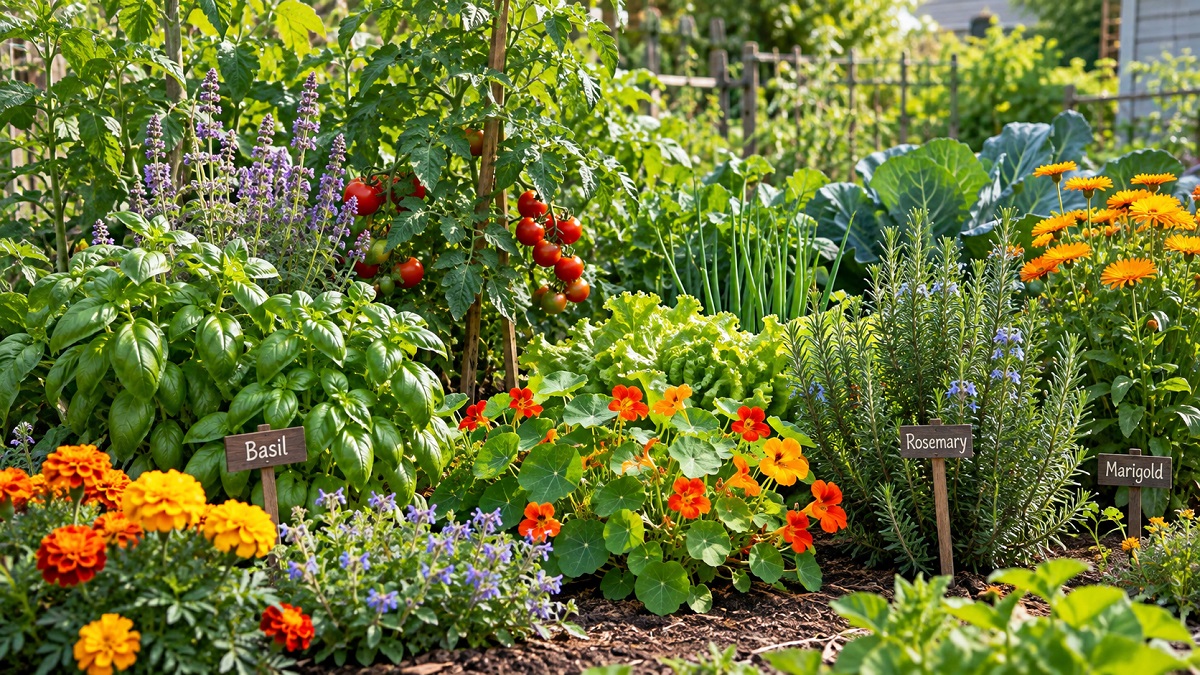
A healthy garden does not have to depend on pesticides every time insects appear. Companion planting is one practical way to make a garden less attractive to some pests while creating better conditions for beneficial insects. The basic idea is simple: grow certain plants together because their scents, flowers, foliage, or growth habits can complement one another.
Companion planting is not a guaranteed pest-control method, and it should not be treated as a substitute for observing plants regularly. However, when it is combined with healthy soil, good spacing, crop rotation, hand-picking, physical barriers, and habitat for beneficial insects, it can become a useful part of an integrated approach to garden pest management.
Think of companion planting as support, not a stand-alone pesticide.
Companion planting means intentionally growing different plant species near one another because they may provide useful benefits. In pest management, the goal is often to create a more diverse planting area rather than a large block of one crop.
A vegetable bed containing only one crop can be easy for a pest to locate and colonize. Adding herbs, flowers, and other vegetables changes the structure and scent of the planting. Some companion plants may also provide nectar or pollen for insects that prey on or parasitize garden pests.
There is an important distinction between pest prevention and pest elimination. Companion plants may make conditions less favorable for certain pests, but they rarely prevent every insect from reaching a crop. A realistic goal is to reduce problems and improve the overall balance of the garden.
Diverse beds provide different scents, textures, flower shapes, and hiding places. This can make the garden more useful to beneficial insects while making it less predictable than a single-crop planting.
Do not wait for a pest outbreak before thinking about companion plants. Incorporate herbs and flowers into the garden from the beginning, then monitor the main crop throughout the growing season.
Companion planting can contribute to pest prevention in several different ways. Not every mechanism works equally well for every insect, so it is better to use several complementary strategies than to rely on one plant.
Strongly aromatic herbs such as rosemary, thyme, sage, basil, and mint produce noticeable scents. Growing aromatic plants among vegetables can alter the overall smell of a bed. This is sometimes suggested as a way to make host plants harder for certain pests to locate, although the effect is not universal.
Many beneficial insects need nectar or pollen as adults even when their young feed on pests. Small flowering plants such as sweet alyssum, dill, fennel, cilantro when flowering, and yarrow can provide valuable food sources.
A mixed garden creates different layers of foliage and flowering areas. Beneficial insects can use these spaces for feeding, shelter, and reproduction. A garden with vegetables alone may offer fewer of these resources.
Interplanting herbs and flowers between vegetables can break up continuous rows of a single crop. This does not create an insect-proof barrier, but it can make the planting more varied and may reduce the concentration of host plants.
Different companion plants have different roles. Some are mainly useful because they flower heavily and support beneficial insects, while others are valued for their aromatic foliage or their ability to fit easily between vegetables.
| Companion Plant | Useful Garden Role | Good Places to Use It |
|---|---|---|
| Basil | Aromatic herb and useful edible companion | Near tomatoes and peppers |
| Rosemary | Strongly scented perennial herb | Sunny, well-drained borders |
| Thyme | Low-growing aromatic herb | Edges of vegetable beds |
| Dill | Flowering herb that can support beneficial insects | Near vegetables and herb gardens |
| Sweet Alyssum | Small flowers that provide nectar for beneficial insects | Bed edges and pathways |
| Marigolds | Flowering companion that adds diversity | Vegetable beds and borders |
| Yarrow | Long-lasting flowers useful to many insects | Garden borders and pollinator areas |
| Cilantro | Useful edible herb when young and a flowering resource later | Cool-season vegetable beds |
Companion planting works best when the arrangement is practical. Choose plants that have similar light and watering requirements, and avoid overcrowding the main crop simply to fit more companions into the bed.
Tomatoes and basil are a familiar combination in edible gardens. Basil grows well in warm conditions and can be planted around the edges or between appropriately spaced tomato plants. The pairing is convenient for gardeners who want culinary herbs close to their vegetables.
Cabbage, kale, broccoli, and related crops can benefit from a more diverse planting area. Dill, cilantro, alyssum, and other flowering plants can provide resources for beneficial insects while adding variety around the brassicas.
Carrots can be combined with suitable herbs and flowers in a mixed bed. The key is to maintain enough space for the carrot foliage and avoid creating excessive competition for water and nutrients.
Peppers appreciate warm, sunny conditions, so compact flowering plants can be placed nearby without shading the crop. Sweet alyssum and other low-growing flowers are especially useful around the edges of a bed.
Companion plants should support the crop rather than compete heavily with it. Give large herbs and vigorous plants enough room, and keep aggressive spreaders contained where necessary.
A sun-loving herb planted in deep shade will not perform well simply because it is considered a good companion. Match sunlight, soil drainage, moisture, and mature size before deciding where to plant.
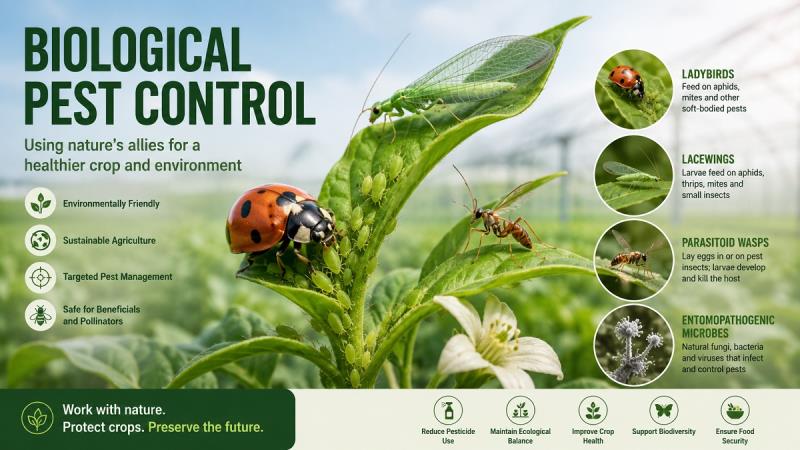
One of the most useful parts of companion planting is creating habitat for insects that help regulate pest populations. Lady beetles, lacewings, hoverflies, predatory bugs, and parasitoid wasps are examples of beneficial insects found in many gardens.
Flower shape matters. Plants with small, accessible flowers can be especially useful to tiny beneficial insects. Herbs allowed to flower can also become valuable resources that are often overlooked when gardeners harvest them continuously.
Their umbrella-shaped flower clusters can provide accessible nectar to a range of small insects. Because both plants can become large, give them enough space and consider their mature size when planning the bed.
Sweet alyssum stays relatively low and produces numerous small flowers. It works particularly well along vegetable-bed edges where it does not need to occupy the center of the growing area.
Yarrow is a useful perennial for a sunny border or pollinator-style planting. Its flat flower clusters can provide an accessible feeding surface for various insects.
You do not need to redesign the entire garden to introduce companion planting. Small changes can make a noticeable difference in plant diversity.
Place low-growing flowers and herbs around the edges of vegetable beds. This keeps the main crop accessible while adding flowers where they will not take much growing space.
Small herbs can be placed between widely spaced vegetables, provided they do not interfere with airflow or harvesting. Avoid turning every available gap into a planting space.
A small group of flowering plants beside a vegetable bed can be just as useful as scattering individual plants throughout the crop. This also makes maintenance easier.
Tall plants can cast unwanted shade over sun-loving vegetables. Put taller companions where they will not block morning or afternoon sunlight from the main crop.
Companion planting is most useful when you identify the pest before choosing a response. Different insects behave differently, and a plant that is helpful in one situation may have little effect in another.
| Garden Problem | Companion Planting Approach | Additional Step |
|---|---|---|
| Aphids | Include flowering plants that support lady beetles, hoverflies and other beneficial insects | Inspect new growth and remove heavily infested leaves |
| Cabbage pests | Mix brassicas with flowering companions and herbs | Use row covers when appropriate and inspect leaf undersides |
| Whiteflies | Increase plant diversity and provide habitat for beneficial insects | Monitor foliage regularly and remove badly affected leaves |
| Thrips | Maintain flowering habitat and avoid overly dense growth | Monitor young leaves and flowers frequently |
| Leaf-chewing caterpillars | Use diverse plantings to support natural enemies | Hand-pick caterpillars and inspect leaves for eggs |
| Squash pests | Keep the surrounding area diverse without crowding squash vines | Check stems and leaf undersides regularly |
The table above describes companion planting as one part of pest management rather than a promise that a particular herb or flower will repel a pest. Regular observation remains essential.
No companion plant is a universal insect repellent. Garden pests are influenced by weather, crop condition, surrounding vegetation, soil, and local insect populations.
More plants do not automatically mean better pest prevention. Overcrowding can restrict airflow, increase humidity, complicate harvesting, and create conditions that encourage plant diseases.
A small herb or flower may look harmless when planted, but some companions spread quickly or become surprisingly large. Check mature dimensions before placing them beside vegetables.
Companion planting advice is often repeated from garden to garden without explaining the conditions under which it may work. Instead of planting something solely because it is called a “pest-repelling plant,” consider whether it fits your climate, soil, available space, and overall garden plan.
Companion plants should never become an excuse to stop checking vegetables. Look at young shoots, leaf undersides, stems, flowers, and developing fruit at least once or twice a week during periods of active growth.
The strongest approach is usually a combination of simple practices rather than dependence on one technique. Companion planting can fit naturally into an integrated pest management strategy.
Catching a small pest population early is much easier than trying to control an established infestation. Examine leaves, stems, flowers, and new growth.
Row covers, insect netting, collars, and other barriers can protect susceptible crops without affecting the rest of the garden.
Flowering plants, shallow water sources, and undisturbed habitat can help beneficial insects remain in the garden.
Hand-picking, pruning affected plant parts, or removing badly infested plants can prevent a localized problem from spreading.
Companion planting does not have to look the same throughout the year. Adjust your choices as crops finish, temperatures change, and different plants begin flowering.
Add early flowering plants and herbs around young vegetable crops. Keep newly planted companions watered while their roots become established.
This is often the busiest period for both crops and pests. Keep flowers blooming where possible, remove diseased foliage, and check plants regularly for early signs of insect activity.
Cool-season vegetables can be combined with herbs and flowers that tolerate lower temperatures. Leave suitable flowering plants in place while they remain productive for beneficial insects.
In mild climates, winter herbs and flowers can continue providing structure and habitat. In colder regions, use the quieter season to plan crop rotation and decide which companion plants to add next year.
Start with the crops you already grow rather than buying a large collection of companion plants. Identify the vegetables most affected by pests, then add a few compatible herbs and flowering plants around them.
Over time, these observations can make companion planting much more useful. Your own garden conditions matter because soil, climate, surrounding vegetation, and local pest populations all influence what happens.
Companion planting for pest prevention is best viewed as a way to create a more diverse and resilient garden. Aromatic herbs can add variety to vegetable beds, flowering plants can provide resources for beneficial insects, and mixed plantings can make the garden less uniform.
The approach works best when paired with regular inspection and other low-impact pest-management techniques. Rather than searching for one “magic” companion plant, build a garden where vegetables, herbs, flowers, and beneficial insects can coexist. That makes pest prevention part of the overall design instead of an emergency response after damage has already occurred.
Companion planting can contribute to pest management, but it is not a guaranteed method of preventing insects. Its value comes from increasing plant diversity, supporting beneficial insects, and incorporating aromatic or flowering plants into the growing area.
Basil, rosemary, thyme, dill, sweet alyssum, marigolds, yarrow, and flowering cilantro can all have useful roles in a diverse garden. Choose plants based on their growing requirements as well as their potential benefits.
No. Marigolds are often promoted as a universal pest-repelling plant, but their presence should not be treated as guaranteed protection against every garden pest. They are still useful as flowering plants that add diversity to the garden.
Yes, when their light, moisture, soil, and space requirements are compatible. Keep vigorous or large herbs from crowding vegetables and maintain enough airflow around the main crop.
First identify the pest and assess the amount of damage. Depending on the situation, hand-picking, pruning affected foliage, physical barriers, encouraging natural predators, or other appropriate controls may be useful.
No. Companion planting is better used as one part of an integrated approach. Healthy growing conditions, monitoring, sanitation, physical barriers, beneficial insects, and targeted intervention can all work alongside plant diversity.
Explore practical pest control guides for creating healthier gardens with fewer chemical treatments. Learn about companion planting, beneficial insects, neem oil, soap sprays, biological pest control, and other approaches that can help manage common garden pests while supporting plant health and garden biodiversity.