Growing & Caring for Basil (Ocimum basilicum)
About Basil
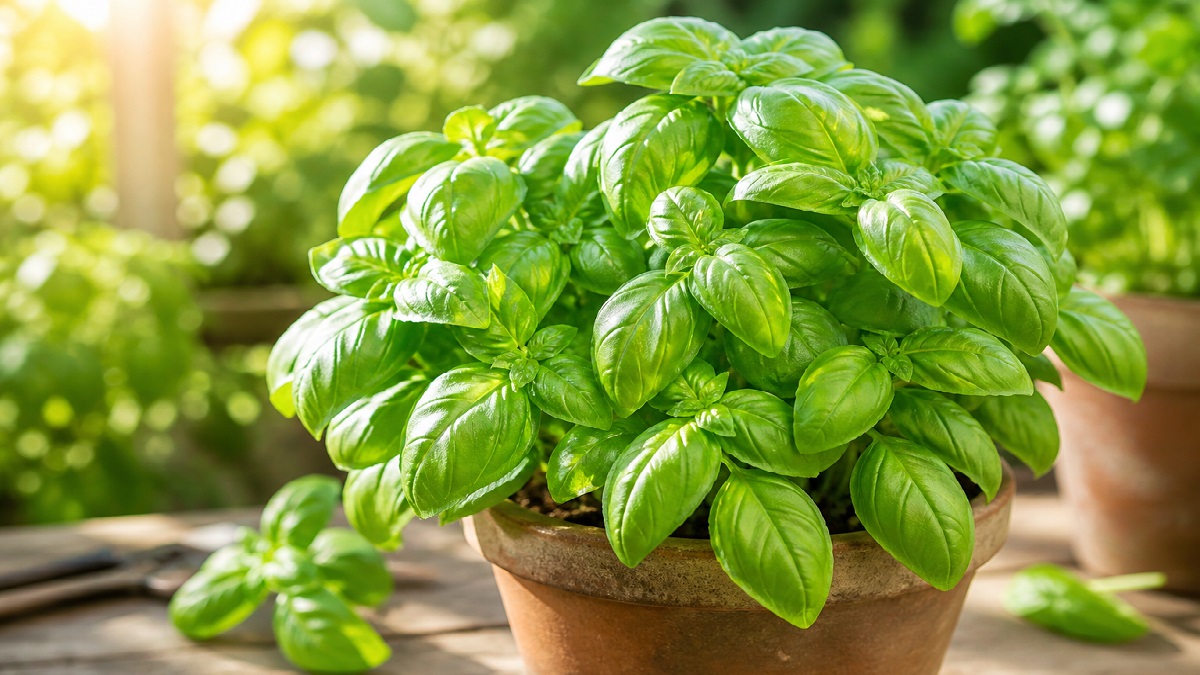
Basil is a fragrant, fast-growing herb prized for its bright green leaves and distinctive aroma. Scientifically known as Ocimum basilicum, it belongs to the mint family (Lamiaceae) and is widely cultivated in warm climates around the world. Native to tropical regions of Asia and Africa, basil thrives in sunny conditions and well-drained soil. Its leaves can range from sweet and mild to spicy and slightly peppery, depending on the variety, making it a versatile ingredient in both culinary and medicinal uses.
In the kitchen, basil is best known as a key ingredient in Italian dishes like pesto and tomato-based sauces, but it also plays a central role in Thai and Mediterranean cuisines. Fresh basil leaves are typically preferred for their intense flavor, often added at the end of cooking to preserve their aroma. Beyond cooking, basil has a long history in traditional medicine, where it has been used for its potential anti-inflammatory, antioxidant, and digestive benefits. Easy to grow in gardens or containers, basil remains a favorite herb for home gardeners and chefs alike.
Basil (Ocimum basilicum) grows best in warm, sunny conditions with at least 6–8 hours of direct sunlight daily and well-drained, nutrient-rich soil. Water regularly to keep the soil consistently moist but not soggy, as overwatering can cause root rot. It prefers temperatures between 20–30°C and should be protected from cold drafts or frost. Pinch off the tips frequently to encourage bushier growth and prevent early flowering, which can reduce leaf flavor. Feed with a balanced liquid fertilizer every few weeks for healthy growth, and ensure good air circulation to avoid fungal issues. Basil is ideal for containers or garden beds and benefits from regular harvesting to keep the plant productive.
Basil (Ocimum basilicum) thrives in full sunlight and needs at least 6–8 hours of direct sun each day for healthy growth and strong flavor. It performs best when placed in a bright, warm location such as a sunny windowsill, balcony, or open garden space. While it can tolerate partial shade, insufficient light often leads to leggy growth and weaker aroma. In very hot climates, a bit of afternoon shade can help prevent leaf scorching, but overall, consistent bright light is essential for lush, productive plants.
Grows best in well-drained, fertile soil that is rich in organic matter. A light, loamy soil with good aeration is ideal, as it allows roots to develop properly while preventing waterlogging. The preferred soil pH ranges from slightly acidic to neutral (about 6.0–7.5). Mixing compost or aged manure into the soil improves nutrient content and moisture retention. If growing in containers, use a high-quality potting mix with good drainage, and ensure the pot has drainage holes to avoid root rot.
Basil (Ocimum basilicum) prefers consistent, moderate watering to keep the soil evenly moist but not soggy. Water when the top inch of soil feels dry, making sure excess water drains freely to prevent root rot. It’s best to water at the base of the plant rather than over the leaves to reduce the risk of fungal diseases. In hot weather, basil may need more frequent watering, especially in containers, while in cooler conditions you can reduce the frequency. Avoid letting the soil dry out completely, as this can stress the plant and affect leaf quality.
Basil thrives in warm temperatures between 20–30°C and is highly sensitive to cold, with growth slowing below 15°C and damage occurring if exposed to frost. It prefers moderate to slightly high humidity, which helps keep the leaves tender and aromatic, but still requires good air circulation to prevent fungal diseases. In hot, dry conditions, occasional misting or placing the plant near other greenery can help maintain humidity, while in very humid climates, spacing plants properly and ensuring airflow is important to keep them healthy.
Basil (Ocimum basilicum) benefits from light but regular feeding to support lush leaf growth. Use a balanced, water-soluble fertilizer (such as 10-10-10 or 5-5-5) every 2–4 weeks during the growing season, or opt for an organic option like compost tea or diluted liquid seaweed. Avoid over-fertilizing, as too much can reduce the intensity of the leaves’ flavor and lead to excessive, weak growth. If planted in rich, compost-amended soil, basil may need only minimal additional feeding to stay healthy and productive.
Basil benefits from regular pruning to encourage bushy, healthy growth and prevent it from becoming leggy. Start pruning once the plant reaches about 15–20 cm tall by pinching off the top sets of leaves just above a leaf node, which promotes new side shoots. Continue harvesting frequently, removing no more than one-third of the plant at a time. It’s also important to pinch off any flower buds as soon as they appear, since flowering can reduce leaf flavor and slow growth. Consistent pruning not only keeps the plant compact but also ensures a steady supply of fresh, flavorful leaves.
Basil (Ocimum basilicum) is very easy to propagate, especially from stem cuttings. Simply take a 10–15 cm healthy cutting just below a leaf node, remove the lower leaves, and place the stem in a glass of clean water. Keep it in a bright spot out of direct sunlight, and change the water every few days. Within 1–2 weeks, roots will begin to form, and once they reach a few centimeters long, the cutting can be transplanted into soil. Basil can also be propagated from seeds, which germinate quickly in warm, moist conditions, making it a convenient and fast-growing herb for home gardeners.
To grow basil (Ocimum basilicum) from seed, start by sowing seeds in a well-draining seed-starting mix, either indoors or directly in the garden once temperatures are warm. Plant the seeds about 0.5 cm deep and lightly cover them with soil, then water gently to keep the soil consistently moist but not waterlogged. Place the container in a warm, bright location with plenty of indirect sunlight, ideally at temperatures between 20–25°C for optimal germination. Seeds typically sprout within 5–10 days.
Once the seedlings develop a few sets of true leaves, thin them out or transplant them into larger pots or garden beds, spacing them about 20–30 cm apart to allow proper growth. Gradually expose indoor-grown seedlings to outdoor conditions (hardening off) before planting them outside. Regular watering, good sunlight, and occasional feeding will help the young basil plants grow strong and productive.
Basil (Ocimum basilicum) grows well in containers as long as they have good drainage. Choose a pot that is at least 15–20 cm deep with drainage holes, and use a high-quality, well-draining potting mix enriched with compost. When the plant outgrows its container—usually when roots start circling the pot or growth slows—repot it into a slightly larger container (about 2–5 cm wider). Gently loosen the roots before transferring to fresh soil, then water thoroughly to help it settle. Regular repotting ensures healthy root development and keeps the plant vigorous, especially during the active growing season.
Basil is a warm-season herb that does not tolerate cold, so overwintering requires bringing the plant indoors before temperatures drop below about 10–12°C. Place it in a bright, sunny location such as a south-facing window where it can receive plenty of light, or use grow lights if natural light is limited. Reduce watering slightly during winter, keeping the soil just lightly moist rather than consistently wet, and avoid exposure to cold drafts. You can also take cuttings in late season and root them indoors as a backup, since basil tends to decline in low-light winter conditions. Regular light pruning will help maintain shape and encourage continued, though slower, growth.
Basil (Ocimum basilicum) naturally produces small white or purple flower spikes when it reaches maturity, especially under long daylight hours and warm conditions. To encourage blooming, allow the plant to grow without frequent pruning or harvesting, since pinching back delays flower formation. Ensure it receives plenty of sunlight (6–8 hours daily), consistent watering, and moderate feeding to support overall health. Once the plant is well-established, it will begin to send up tall stems with buds that gradually open into delicate flowers.
However, keep in mind that flowering often reduces the flavor and quality of the leaves, as the plant shifts its energy from leaf production to seed formation. If your goal is culinary use, it’s best to pinch off flower buds early. But if you want seeds or to attract pollinators like bees, allowing basil to bloom can be beneficial.
Basil (Ocimum basilicum) is generally easy to grow, but it can be affected by common pests such as aphids, spider mites, whiteflies, and slugs. These pests feed on the plant’s sap or leaves, causing yellowing, curling, or holes in the foliage. Regularly inspecting the plant, washing leaves with water, or using natural remedies like neem oil or insecticidal soap can help keep infestations under control. Maintaining good air circulation and avoiding overcrowding also reduces the risk of pest problems.
Fungal diseases are among the most common issues with basil, especially in humid or poorly ventilated conditions. Problems like downy mildew, leaf spot, and powdery mildew can cause yellowing, dark spots, or a fuzzy coating on leaves. These diseases often develop when leaves stay wet for long periods, so it’s best to water at the base and ensure proper spacing between plants. Using well-draining soil and avoiding overwatering are key steps in preventing root rot and other moisture-related diseases.
Other problems include leggy growth due to insufficient sunlight and reduced flavor when the plant begins to flower. Sudden temperature drops or exposure to cold can damage or kill basil, as it is very sensitive to frost. Consistent care, proper light, and timely pruning can help keep the plant healthy, productive, and free from most common issues.
Related Guides
Basil FAQs
How often should I water basil?
Basil prefers consistently moist soil but not soggy conditions. Water when the top inch of soil feels dry. In hot weather, you may need to water daily, especially for container plants, while in cooler conditions watering can be reduced.
Does basil need full sun?
Yes, basil grows best in full sun and needs at least 6–8 hours of direct sunlight daily. Insufficient light can cause leggy growth and reduce the plant’s flavor and aroma.
How do I make basil grow bushier?
Regular pruning is key. Pinch off the top leaves just above a leaf node once the plant is about 15–20 cm tall. This encourages side growth and makes the plant fuller and more productive.
Why is my basil flowering?
Basil naturally flowers when it matures or experiences stress like heat or lack of pruning. While flowers are harmless, they reduce leaf flavor. Pinch off flower buds early to maintain better taste.
Can I grow basil indoors?
Yes, basil can grow indoors if placed in a bright, sunny window that gets at least 6 hours of light daily. You can also use grow lights to support healthy growth during low-light conditions.
How long does basil take to grow from seed?
Basil seeds typically germinate within 5–10 days in warm conditions. The plant becomes ready for harvesting in about 3–4 weeks after germination, depending on growing conditions.
What is the best soil for basil?
Basil grows best in well-drained, fertile soil rich in organic matter. A slightly acidic to neutral pH (6.0–7.5) is ideal for healthy growth.
How do I harvest basil without killing the plant?
Harvest basil by cutting stems just above a leaf node and avoid removing more than one-third of the plant at a time. Regular harvesting actually encourages new growth.
Why are my basil leaves turning yellow?
Yellowing leaves are often caused by overwatering, poor drainage, or lack of nutrients. Ensure the soil drains well and adjust watering frequency to prevent root problems.
Can basil survive winter?
Basil is sensitive to cold and does not tolerate frost. To keep it alive in winter, bring it indoors before temperatures drop below 10–12°C and place it in a warm, sunny location.