Growing & Caring for Bear's Breeches (Acanthus mollis)
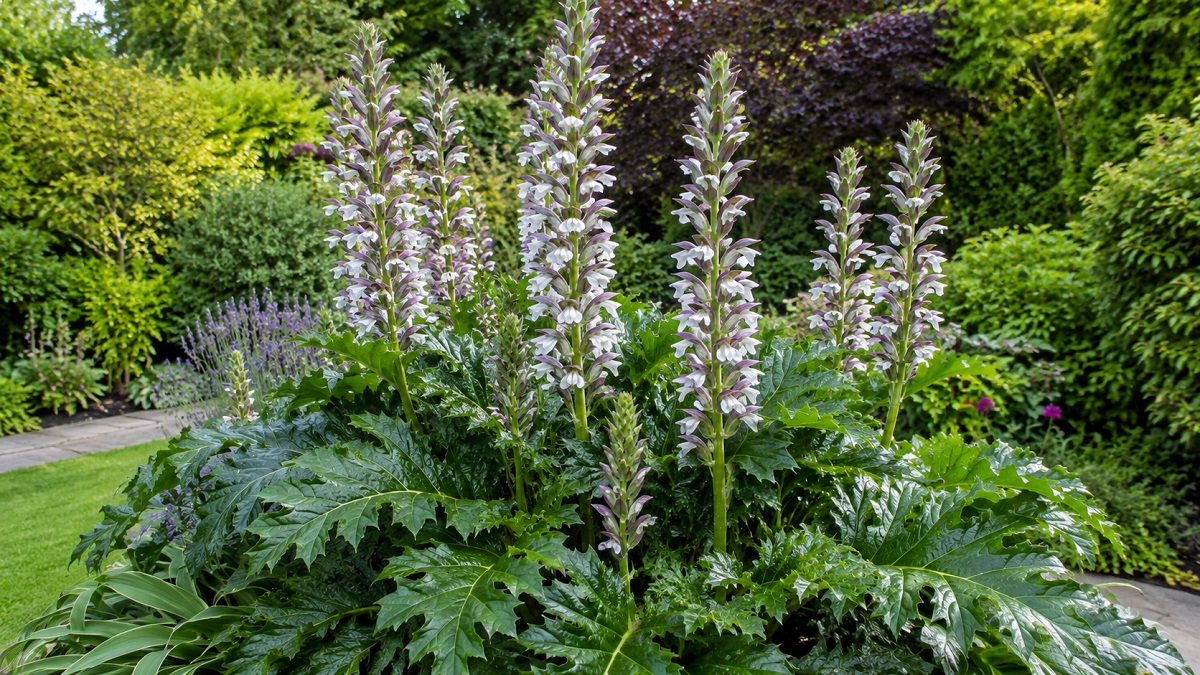
Bear's Breeches (Acanthus mollis) are one of the few perennials that grab attention. With a rich history that dates back to classical antiquity, this architectural behemoth is well-known for its striking, deeply lobed, glossy dark green leaves and towering spikes of hooded white-and-purple flowers. The famous Corinthian capitals found in classical Greek and Roman architecture were really directly inspired by its exquisite foliage. Bear's Breeches is a great option if you want to add low-maintenance grandeur, historical elegance, and powerful, sculptural form to your landscape.
However, growing this robust perennial successfully requires an understanding of its unique growth habit, root system, and structural needs. In this comprehensive manual, we will explore the complete botanical profile, cultivation requirements, propagation techniques, structural landscape designs, and season-by-season maintenance steps to help your Bear's Breeches thrive for decades.
Botanical Profile and Historical Significance
Before planting, it helps to understand where this plant comes from and how its biology dictates its behavior. Native to the Mediterranean basin, particularly southern Europe and northwest Africa, Acanthus mollis belongs to the Acanthaceae family. It is a highly resilient herbaceous perennial that thrives in climates with warm, dry summers and cool, wet winters.
| Botanical Property | Details & Specifications |
|---|---|
| Common Names | Bear's Breeches, Acanthus, Sea Dock, Bear's Foot, Oyster Plant |
| Botanical Classification | Acanthus mollis (closely related to Acanthus spinosus) |
| USDA Hardiness Zones | Zones 7 to 10 (can survive in Zone 6 with winter mulching) |
| Mature Height & Spread | Foliage clump: 2-3 feet tall & 3-4 feet wide. Flowers: up to 5-6 feet tall. |
| Sun Exposure | Full Sun to Partial Shade (highly prefers afternoon shade in hot climates) |
| Soil Type | Rich, fertile, well-draining loam or sandy-clay mixtures |
| Soil pH | Neutral to slightly alkaline (pH 6.5 - 7.8) |
| Bloom Period | Late spring through mid-summer (June to August) |
| Toxicity | Non-toxic to cats and dogs, though the leaves can feel prickly |
Finding the perfect lighting sweet spot for Bear's Breeches is crucial. In milder, cooler climates (USDA Zones 7 and below), Acanthus mollis can comfortably tolerate full sun, provided it receives adequate moisture. However, in regions with intense, scorching summer heat (such as the American South, Southwest, or inland Mediterranean climates), planting Bear's Breeches in dappled shade or partial afternoon shade is absolutely essential.
Direct, intense afternoon sun in hot climates will rapidly scorch the large leaves, causing them to wilt, yellow, and collapse. In USDA zones 9 and 10, aim for a location that receives 3 to 4 hours of morning sun followed by filtered afternoon shade.
If there is one thing Bear's Breeches cannot stand, it is "wet feet" during the cold winter months. Soggy, poorly drained soil is the leading cause of root rot in Acanthus plants. For optimal health:
- Texture: Provide a rich, fertile loam or sandy-loam that drains rapidly.
- Organic Matter: Before planting, amend heavy clay soils with organic compost, leaf mold, or decomposed manure to improve texture and overall nutrient availability.
- Soil pH: While adaptive, they perform best in slightly alkaline soils. Adding a light dusting of garden lime can assist in highly acidic soil regions.
During its first growing season, your newly planted Bear's Breeches needs consistent moisture to establish its deep, extensive taproot system. Water the plant deeply once or twice a week, aiming for approximately 1 inch of water.
Once established, Bear's Breeches is remarkably drought-tolerant due to its deep root structure. In cooler zones, it can survive on minimal supplemental water. However, if subjected to severe summer drought, the plant may go dormant, dropping its leaves temporarily and returning when cooler, wetter fall conditions arrive. To maintain lush foliage all year, irrigate when the top 2 inches of soil feel completely dry to the touch.
Acanthus is a moderately heavy feeder, especially considering the massive amount of energy required to generate its gigantic leaves and towering 5-foot flower spikes.
In early spring, as new growth begins to emerge from the ground, apply a balanced, slow-release organic fertilizer (such as a 10-10-10 NPK ratio). Alternatively, you can top-dress the root zone with a 2-inch layer of rich organic compost. Avoid high-nitrogen fertilizers later in the season, as this will lead to floppy, excessive leaf growth and weaker flower stalks.
How to Plant Bear's Breeches: Step-by-Step Instructions
Because Bear's Breeches develops an incredibly deep and invasive taproot system, selecting its permanent home is the most crucial decision you will make. Once established, moving this plant is extremely difficult, as any residual root fragments left in the ground will sprout new plants.
Step 1: Choose the Perfect Location
Look for a location in your garden that allows this giant plant plenty of room to stretch. It should have filtered or morning sunlight, excellent drainage, and at least 3 to 4 feet of clearance on all sides so it does not crowd out smaller, delicate perennials.
Step 2: Soil Preparation
Dig a hole that is twice as wide as the root ball of your container plant and roughly equal in depth. If your garden soil consists of dense clay, mix the excavated soil with 50% organic compost and coarse builders' sand or gravel to dramatically enhance internal drainage.
Step 3: Planting and Settling
Gently remove the plant from its nursery pot. If the roots are tightly bound, score the sides of the root ball slightly with a clean knife. Place the plant in the center of the hole, ensuring the crown (where the leaves meet the roots) is level with, or slightly above, the surrounding soil surface. Backfill the hole, tamping down gently with your hands to eliminate air pockets, and water deeply.
Advanced Propagation Techniques
Whether you want to expand your garden design or share this stunning classical plant with friends, propagating Bear's Breeches is relatively straightforward. There are three primary methods:
1. Root Cuttings (Most Recommended)
Since Acanthus propagates extremely well from roots, taking root cuttings in late autumn or winter is the most effective propagation method.
Gently dig up a portion of the outer root zone of an established plant. Cut a few thick, fleshy roots into sections roughly 2 to 3 inches long. Fill a propagation tray with a 50/50 mix of peat moss and perlite. Insert the root cuttings horizontally about 1 inch deep into the medium. Keep the tray in a cold frame or cool greenhouse over winter, ensuring the soil remains barely moist. By early spring, fresh green shoots will begin to pierce the surface.
2. Seed Propagation
You can collect the large, glossy brown seeds from the dried seed pods in late summer. For the best germination rates, soak the seeds in warm water for 24 hours before sowing. Plant them indoors in early spring or sow directly into the garden after all threat of winter frost has passed. Maintain a temperature of 55°F to 65°F (13°C to 18°C) for successful germination, which usually takes 21 to 30 days.
Common Pests, Diseases, and Troubleshooting
While generally an incredibly tough and pest-resistant plant, Bear's Breeches is susceptible to a few specific issues that can mar its magnificent foliage:
- Slugs and Snails: The tender young leaves of Bear's Breeches are a favorite delicacy for slugs and snails in the spring. Protect your plants by using organic iron phosphate bait, organic copper tape barriers, or diatomaceous earth around the base.
- Powdery Mildew: Due to their massive, broad leaves, Acanthus plants can easily fall victim to powdery mildew, especially during warm, humid summers with poor air circulation. Avoid overhead watering and space your plants appropriately to maximize airflow. If mildew appears, treat immediately with an organic neem oil spray or potassium bicarbonate fungicide.
- Root Rot: Characterized by yellowing leaves and a collapsing crown, root rot occurs in waterlogged soils. Ensure your planting site is highly permeable and reduce watering during the winter dormant season.