Growing & Caring for Bat Flower (Tacca chantrieri)
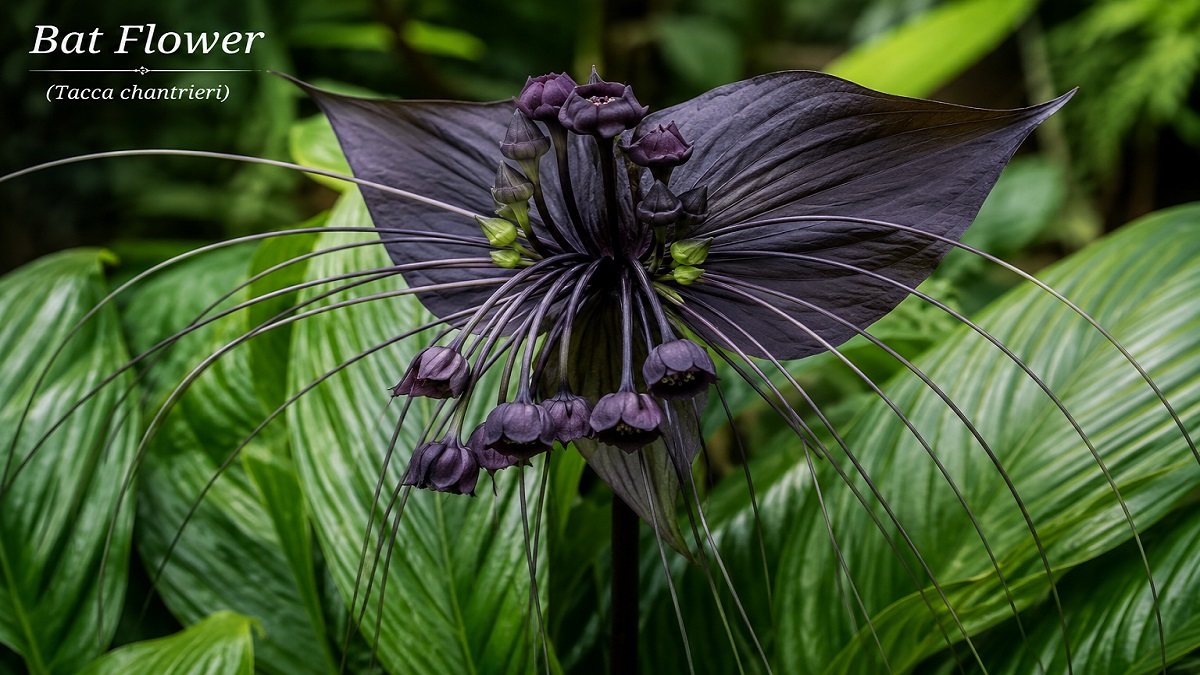
About Bat Flower
The Bat Flower is one of the world's most unusual and eye-catching tropical plants, admired for its dramatic blooms that resemble a flying bat with outstretched wings. Native to the warm, humid forests of Southeast Asia, this exotic perennial produces large, dark purple to nearly black bracts accompanied by long, whisker-like filaments that can extend over 20 inches (50 cm). Its lush, glossy green foliage adds to its ornamental appeal, making it a favorite among collectors of rare and exotic plants.
Although the Bat Flower has an exotic appearance, it can be successfully grown indoors or in shaded outdoor gardens with the right conditions. It thrives in warm temperatures, high humidity, and rich, well-draining soil that stays consistently moist but never waterlogged. With proper care, this fascinating plant rewards growers with its extraordinary flowers from late spring through fall, creating a striking focal point in any tropical plant collection.
The Bat Flower thrives in warm, humid conditions that mimic its tropical rainforest habitat. Grow it in bright, indirect light, avoiding direct afternoon sun, and plant it in a rich, well-draining soil mix with plenty of organic matter. Keep the soil consistently moist but never waterlogged, allowing only the top inch to dry slightly between waterings. Maintain temperatures between 65–85°F (18–29°C) and humidity above 60%, using a humidifier or pebble tray if needed. Feed the plant every 2–4 weeks during spring and summer with a balanced, diluted liquid fertilizer, and reduce feeding in fall and winter. Remove dead or damaged leaves to encourage healthy growth, repot only when the plant becomes root-bound, and protect it from cold drafts and temperatures below 55°F (13°C). With consistent moisture, high humidity, and gentle care, the Bat Flower rewards growers with its dramatic, bat-shaped blooms and long whisker-like bracts.
The Bat Flower grows best in bright, indirect light or partial shade, similar to the filtered sunlight found beneath tropical forest canopies. Avoid prolonged direct sunlight, especially during the afternoon, as it can scorch the leaves and reduce flowering. A spot near an east-facing window or a few feet back from a south- or west-facing window with sheer curtains is ideal for indoor plants. Outdoors, place it in a shaded or dappled-light location protected from harsh midday sun.
The Bat Flower prefers a rich, loose, and well-draining soil that retains moisture without becoming waterlogged. A mix of peat moss or coco coir, orchid bark, perlite, and compost works well, providing both good drainage and plenty of organic matter. The ideal soil pH is slightly acidic to neutral (about 6.0–7.0). Avoid heavy clay soils, as they can trap excess moisture and lead to root rot.
The Bat Flower prefers consistently moist soil, but it should never sit in soggy conditions. Water thoroughly whenever the top 1 inch (2–3 cm) of soil begins to dry, ensuring excess water drains freely from the pot. Reduce watering slightly during the cooler months when growth slows, but do not allow the soil to dry out completely. Using room-temperature water and maintaining high humidity helps keep the plant healthy and encourages vigorous growth and flowering.
The Bat Flower thrives in warm temperatures between 65–85°F (18–29°C) and should be protected from temperatures below 55°F (13°C), which can cause stress and damage. It also prefers high humidity, ideally 60–80%, similar to its tropical rainforest habitat. Indoors, increase humidity with a humidifier, pebble tray, or by grouping plants together. Dry air can lead to brown leaf edges and reduced flowering, while warm, humid conditions encourage lush growth and healthy blooms.
The Bat Flower benefits from regular feeding during its active growing season. Apply a balanced, water-soluble liquid fertilizer diluted to half strength every 2–4 weeks in spring and summer to promote healthy foliage and flowering. You can also use a fertilizer formulated for flowering tropical plants or orchids. Reduce or stop fertilizing during fall and winter when growth slows, as excessive feeding during dormancy can damage the roots. Always water the plant before applying fertilizer to help prevent root burn.
The Bat Flower requires minimal pruning. Regularly remove dead, yellow, or damaged leaves and trim off spent flower stalks using clean, sterilized pruning shears to keep the plant tidy and encourage healthy new growth. Avoid cutting healthy foliage, as the leaves are essential for storing energy and supporting future blooms. Light maintenance pruning throughout the growing season is usually all that is needed.
The Bat Flower is most commonly propagated by division rather than from cuttings. The best time to divide the plant is in spring when new growth begins. Carefully remove the plant from its pot, separate the rhizome into sections with at least one healthy growing point and several roots attached, and replant each division in fresh, well-draining soil. Water lightly after planting and keep the divisions in a warm, humid location with bright, indirect light until they become established. Propagation from seed is possible but slow and requires warm, consistently humid conditions for successful germination.
Growing Bat Flower from seed requires patience, as germination can take several weeks to a few months. Soak the seeds in warm water for 24 hours before sowing to help soften the seed coat. Plant them about ¼ inch (6 mm) deep in a moist, well-draining seed-starting mix, then keep the container in a warm location with temperatures between 75–85°F (24–29°C) and high humidity. Cover the tray or pot with a clear plastic dome or bag to retain moisture, while providing bright, indirect light. Keep the soil consistently moist but not waterlogged, and ventilate the cover occasionally to prevent mold. Once seedlings develop several true leaves, transplant them carefully into individual pots and continue growing them in warm, humid conditions.
The Bat Flower grows best in a pot with good drainage filled with a rich, well-draining potting mix containing organic matter, such as peat moss or coco coir, orchid bark, and perlite. Choose a container that is only slightly larger than the root ball, as the plant prefers to be somewhat root-bound. Repot every 2–3 years or when roots begin growing out of the drainage holes, ideally in spring before active growth starts. Gently loosen the roots, refresh the potting mix, and avoid planting the rhizome too deeply. Water thoroughly after repotting and keep the plant in bright, indirect light while it adjusts.
The Bat Flower is not frost-tolerant and should be kept indoors or in a warm, protected environment during winter. Maintain temperatures above 55°F (13°C), provide bright, indirect light, and keep humidity levels high to prevent leaf damage. Water less frequently as growth slows, but do not allow the soil to dry out completely. Stop or greatly reduce fertilizing until spring, and keep the plant away from cold drafts, heaters, and sudden temperature changes. With proper winter care, it will resume vigorous growth and flowering when warmer weather returns.
The Bat Flower blooms best when grown in bright, indirect light, warm temperatures of 65–85°F (18–29°C), and high humidity (60–80%). Keep the soil consistently moist, feed the plant with a balanced liquid fertilizer every 2–4 weeks during spring and summer, and avoid disturbing the roots unnecessarily, as Bat Flowers prefer to remain slightly root-bound. Mature plants typically bloom from late spring through summer, producing their distinctive dark flowers with long, whisker-like bracts. Consistent care and stable growing conditions are the key to encouraging regular flowering.
The Bat Flower is generally hardy but can be affected by spider mites, mealybugs, aphids, and scale insects, especially in dry indoor conditions. Treat infestations with insecticidal soap or neem oil and increase humidity to discourage pests. The most common disease is root rot, which occurs when the soil remains waterlogged or drainage is poor. Fungal leaf spots may also develop in overly damp conditions with poor air circulation. Other problems include yellowing leaves from overwatering, brown leaf tips caused by low humidity or inconsistent watering, and poor flowering due to insufficient light, low humidity, or inadequate fertilization. Proper watering, good airflow, and stable warm, humid conditions help prevent most issues.
Related Guides
Bat Flower FAQs
Is the Bat Flower difficult to grow?
Bat Flower is considered moderately challenging because it requires warm temperatures, consistently high humidity, and bright indirect light. When these tropical conditions are provided, it can grow successfully indoors or outdoors in suitable climates.
Can Bat Flower be grown indoors?
Yes. Bat Flower grows well indoors near a bright window with filtered light. Maintain temperatures between 65–85°F (18–29°C), keep humidity above 60%, and use a well-draining potting mix to encourage healthy growth and flowering.
How often should I water a Bat Flower?
Water whenever the top inch (2–3 cm) of soil begins to dry. The soil should remain evenly moist but never soggy, as excessive moisture can cause root rot.
Why is my Bat Flower not blooming?
Poor flowering is usually caused by insufficient light, low humidity, inconsistent watering, lack of fertilizer, or an immature plant. Providing stable tropical conditions greatly improves blooming.
How long do Bat Flower blooms last?
Individual flowers can remain attractive for several weeks. A healthy mature plant may produce multiple blooms throughout the growing season when cared for properly.
Does the Bat Flower need high humidity?
Yes. Bat Flower naturally grows in humid tropical forests and performs best with humidity levels of 60–80%. Low humidity can lead to brown leaf tips, slower growth, and fewer flowers.
Can Bat Flower tolerate direct sunlight?
No. Strong direct sunlight, especially in the afternoon, can scorch the leaves and reduce flowering. Bright, indirect light or partial shade is ideal.
Is Bat Flower poisonous to pets?
Bat Flower is not widely reported as highly toxic to cats or dogs, but pets should still be discouraged from chewing the plant because it may cause mild digestive upset. Keep ornamental plants out of reach of curious pets whenever possible.
Can Bat Flower survive winter?
Bat Flower is not frost-hardy. In regions colder than USDA Zones 10–12, it should be moved indoors or kept in a warm greenhouse before temperatures fall below 55°F (13°C).
How do you propagate a Bat Flower?
The easiest and most reliable method is dividing the rhizome in spring. Each division should have healthy roots and at least one growing point before being replanted in fresh, well-draining soil.